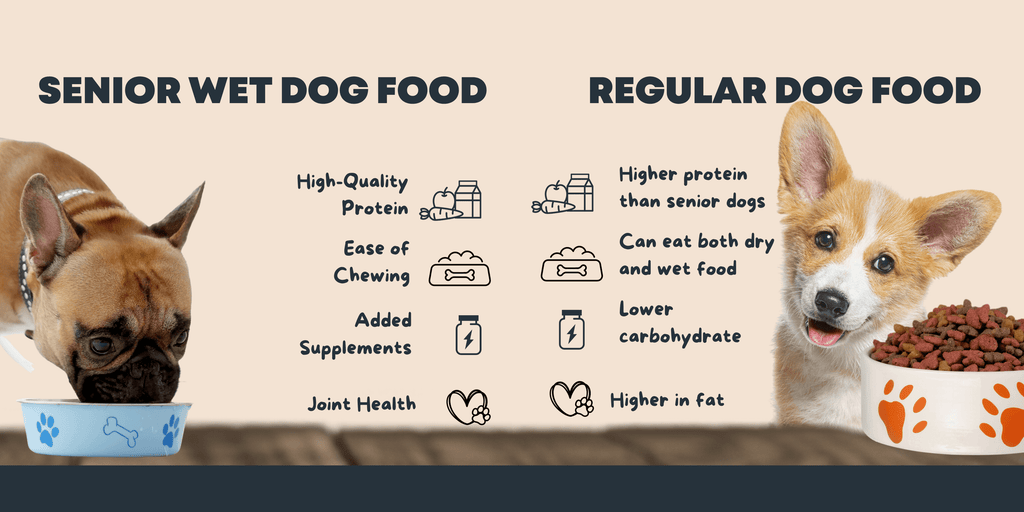
Are you wondering if your furry friend needs a change in their diet as they get older? Choosing the right food for your dog can be confusing, especially when you see labels like “adult” and “senior” dog food.
But what exactly makes senior dog food different from adult dog food? Understanding these differences can help you give your pet the nutrition they truly need to stay happy and healthy. Keep reading to discover how the right food can make a big difference in your dog’s life as they age.

Credit: www.miamiherald.com
Nutritional Needs
Adult and senior dogs have different nutritional needs. Their bodies process food in unique ways. Feeding the right diet supports their health and energy.
Adjusting food to their age helps maintain weight, muscle, and organ function. Let’s look at how calorie needs, protein, and vitamins differ.
Calorie Requirements
Adult dogs need enough calories to stay active and healthy. Senior dogs often need fewer calories because they move less. Too many calories can lead to weight gain.
- Adult dogs require more calories for energy.
- Senior dogs need fewer calories to avoid obesity.
- Adjust calories based on activity and health.
Protein Levels
Protein builds and repairs muscles. Adult dogs need good protein to stay strong. Senior dogs need protein too, but in a form that is easy to digest.
| Age Group | Protein Amount | Protein Quality |
| Adult Dogs | Moderate | Standard |
| Senior Dogs | Higher | High digestibility |
Essential Vitamins And Minerals
Vitamins and minerals help keep dogs healthy. Adults and seniors need different amounts to support their bodies.
Key differences include:
- Senior dogs need more antioxidants to fight aging effects.
- Calcium and phosphorus levels help keep bones strong in seniors.
- Adults require balanced vitamins to maintain daily functions.
Ingredients Variations
Adult and senior dog foods have different ingredients. These changes help meet the needs of dogs at different ages.
Adult dog food focuses on energy and growth. Senior dog food targets health issues related to aging.
Common Ingredients In Adult Dog Food
Adult dog food has balanced ingredients for active dogs. It supports muscle maintenance and energy levels.
- Protein from chicken, beef, or fish to build muscles
- Carbohydrates like rice and barley for energy
- Fats for healthy skin and coat
- Vitamins and minerals for overall health
- Fiber for good digestion
These ingredients keep adult dogs healthy and active throughout the day.
Special Ingredients In Senior Dog Food
Senior dog food has added ingredients to support aging bodies. It helps with joints, digestion, and weight control.
- Glucosamine and chondroitin for joint health
- Lower calories to prevent weight gain
- Antioxidants like vitamins E and C to fight cell damage
- More fiber for gentle digestion
- Omega-3 fatty acids for brain and heart health
These ingredients help senior dogs stay comfortable and active longer.
Health Benefits
Adult and senior dog foods have different health benefits. These foods meet the changing needs of dogs as they grow older.
Senior dog food helps support aging bodies and maintain good health. Adult dog food focuses on energy and maintenance for mature dogs.
Joint Support
Senior dog food often contains ingredients that help joints stay healthy. These include glucosamine and chondroitin, which protect cartilage.
Adult dog food does not usually have these extra joint support nutrients. It is made for dogs with stronger joints and more activity.
- Glucosamine helps rebuild joint cartilage
- Chondroitin reduces joint inflammation
- Omega-3 fatty acids support joint lubrication
Digestive Health
Senior dog food has more fiber to help digestion. Older dogs may have weaker digestion and need gentle ingredients.
Adult dog food has balanced fiber for normal digestion. It supports healthy gut function in active adult dogs.
- Added fiber aids in regular bowel movements
- Probiotics support good gut bacteria
- Digestible proteins reduce stomach upset
Weight Management
Senior dog food usually has fewer calories. This helps prevent weight gain as older dogs are less active.
Adult dog food has more calories to meet energy needs. Active adult dogs burn more calories daily.
- Lower calories prevent obesity in seniors
- Higher protein keeps muscles strong
- Fat levels adjust to activity level
Credit: www.businessinsider.com
Feeding Guidelines
Feeding adult and senior dogs requires different care. Their nutritional needs change with age.
Understanding portion sizes, feeding frequency, and food transitions helps keep dogs healthy.
Portion Sizes
Adult dogs need different portion sizes than senior dogs. Seniors often require fewer calories.
| Dog Type | Daily Portion Size | Notes |
| Adult Dog | 1.5 to 2.5 cups | Depends on weight and activity |
| Senior Dog | 1 to 2 cups | Lower calorie needs, watch weight |
Feeding Frequency
Adult dogs usually eat twice a day. Senior dogs may benefit from smaller, more frequent meals.
- Adult dogs: feed 2 times daily
- Senior dogs: feed 3 to 4 smaller meals daily
- Keep fresh water available at all times
Transitioning Between Foods
Switching from adult to senior dog food should be slow. This helps avoid stomach upset.
- Mix 25% new food with 75% old food for 3 days
- Mix 50% new food with 50% old food for 3 days
- Mix 75% new food with 25% old food for 3 days
- Feed 100% new food after transition
Choosing The Right Food
Choosing the right food for your dog is important for their health. Adult and senior dogs have different needs. You must feed them properly to keep them happy and strong.
Understanding their age and health helps you pick the best food. Reading labels and asking your vet will guide you well.
Assessing Your Dog’s Age And Health
Adult dogs are usually between 1 and 7 years old. Senior dogs are older than 7 years. Their health changes as they age.
- Adult dogs need balanced energy to stay active.
- Senior dogs need less calories but more vitamins.
- Health issues like arthritis affect food choice.
- Weight and activity level matter in food selection.
Consulting Your Veterinarian
Your veterinarian knows your dog’s health best. They can suggest the right food type and amount. Talk about any health problems or allergies.
Vets may recommend special diets for senior dogs. These diets support joints and digestion. Always follow your vet’s advice for feeding.
Reading Dog Food Labels
Labels show important details about dog food. Look for age-specific formulas. Check protein, fat, and vitamin content.
| Label Section | What to Look For |
| Guaranteed Analysis | Protein and fat suitable for age |
| Ingredients | High quality meat, no fillers |
| Feeding Instructions | Portion size for adult or senior dogs |
| Special Additives | Glucosamine for seniors, antioxidants |

Credit: www.miamiherald.com
Frequently Asked Questions
What Are Key Differences Between Adult And Senior Dog Food?
Adult dog food supports general health and energy. Senior dog food has fewer calories and added joint support to meet aging needs. Ingredients differ to manage weight and promote mobility in older dogs.
Why Is Protein Content Different In Senior Dog Food?
Senior dogs need moderate protein to maintain muscle without straining kidneys. Adult dog food typically contains higher protein for active, growing muscles. Adjusted protein levels help support aging dogs’ health safely.
How Does Senior Dog Food Support Joint Health?
Senior dog food includes glucosamine and chondroitin to promote joint mobility. These ingredients help reduce arthritis and stiffness common in older dogs. Adult dog food usually lacks these specialized supplements.
Should I Switch To Senior Dog Food At A Specific Age?
Most dogs benefit from senior food around 7 years old. Aging rates vary by breed size, so consult your vet for personalized advice. Early transition supports healthy aging and prevents common age-related issues.
Conclusion
Adult and senior dog foods serve different needs. Adult dog food supports energy and growth. Senior dog food helps with joint health and digestion. Choosing the right food keeps your dog healthy and happy. Pay attention to your dog’s age and health.
Proper nutrition can improve their quality of life. Feeding the right food shows love and care. Small changes can make a big difference. Your dog deserves the best for every stage.

Emily Barker is the founder of ChillDogLife.com, a space dedicated to helping pup parents discover the best dog products, lifestyle tips, and cozy ideas for happier homes.
A lifelong dog lover, Emily combines her passion for pets with a knack for research to share trusted recommendations on everything from toys and furniture to health and everyday care.
Her goal is simple: to make life easier, stylish, and more joyful for dogs and the people who love them.




