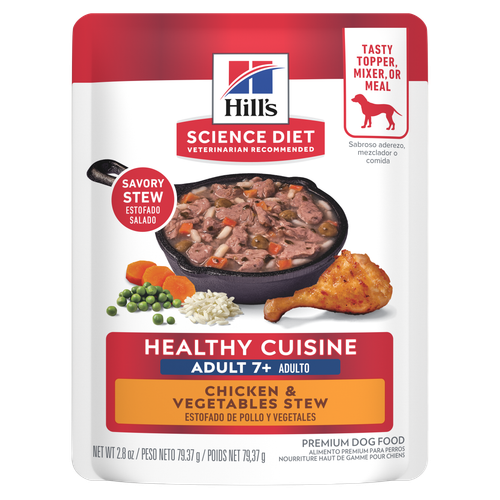
If you have a 7-month-old dog, you’re probably wondering if it’s time to switch from puppy food to adult dog food. You want to make sure your furry friend gets the right nutrients to grow strong and stay healthy.
But is adult dog food safe and suitable for your 7-month-old pup? Making the wrong choice could affect your dog’s health and energy. Keep reading to find out exactly when and how you should make this important change for your pet’s well-being.

Credit: www.hillspet.com
Nutritional Needs Of A 7 Month Old Dog
At 7 months old, dogs grow fast and need special food. Their diet supports strong bones and muscles.
Choosing the right food helps keep your puppy healthy and full of energy.
Growth Requirements At 7 Months
Puppies at this age need more calories than adult dogs. They also need balanced nutrients for growth.
- High protein to build muscles
- Calcium and phosphorus for strong bones
- Fat for energy and brain development
- Vitamins and minerals for immune support
Differences Between Puppy And Adult Food
Puppy and adult foods differ in nutrient amounts and types. Puppies need richer food for growth.
| Nutrient | Puppy Food | Adult Food |
|---|---|---|
| Protein | Higher (22-32%) | Lower (18-25%) |
| Fat | Higher (8-20%) | Moderate (5-15%) |
| Calories | More per serving | Less per serving |
| Calcium & Phosphorus | Balanced for bone growth | Lower levels |
| Fiber | Lower | Higher |
Risks Of Feeding Adult Food Too Early
Feeding adult dog food to a 7-month-old puppy can cause health problems. Puppies need special nutrients for their growth. Adult food may not meet these needs.
Early introduction of adult food can lead to nutrient imbalances. It is important to understand the risks before making a change in diet.
Potential Nutrient Deficiencies
Puppies require higher amounts of certain nutrients than adult dogs. Feeding adult food too soon can cause shortages in these vital nutrients.
- Protein levels in adult food may be too low for puppies.
- Calcium and phosphorus balance may be insufficient for bone growth.
- Essential fatty acids needed for brain development might be lacking.
- Vitamins like A, D, and E could be in lower amounts.
- Adult food may not support the puppy’s immune system fully.
Impact On Growth And Development
Puppies grow rapidly and need the right food to support this. Feeding adult food too early can slow growth and cause health issues.
| Growth Aspect | Effect of Adult Food |
| Bone Development | May lead to weak or malformed bones |
| Muscle Growth | Insufficient protein limits muscle strength |
| Brain Development | Low fatty acids can affect learning and memory |
| Energy Levels | Puppy may feel tired and less active |
| Immune Health | Higher risk of infections and illnesses |
When To Transition To Adult Dog Food
Choosing the right time to switch your dog to adult food is important for their health. Puppies grow fast, so their diet needs to match their stage.
This guide helps you understand when your 7-month-old dog might be ready for adult food. Watch for clear signs and consider your dog’s breed and size.
Signs Your Dog Is Ready
Your dog shows physical and behavior changes as they grow. These signs help you know if it is time to change their food.
- Your dog’s growth rate slows down.
- They have reached most of their adult height.
- Your vet says their weight is stable.
- The puppy food no longer satisfies their hunger.
- They start to show adult teeth fully.
Breed And Size Considerations
Different breeds and sizes grow at different speeds. This affects when to switch their food.
| Dog Size | Recommended Transition Age |
| Small Breeds (under 20 lbs) | 6 to 9 months |
| Medium Breeds (20 to 50 lbs) | 9 to 12 months |
| Large Breeds (over 50 lbs) | 12 to 18 months |
| Giant Breeds (over 100 lbs) | 18 to 24 months |
How To Switch From Puppy To Adult Food
Switching your dog from puppy food to adult food needs care. The change should be slow to keep your dog healthy.
Adult dog food has different nutrients. A smooth switch helps your dog’s digestion adjust well.
Gradual Transition Steps
Change your dog’s food over about a week. Mix small amounts of adult food with puppy food.
- Start with 25% adult food and 75% puppy food.
- After two days, change to 50% adult and 50% puppy food.
- On day five, mix 75% adult food with 25% puppy food.
- By day seven, feed only adult dog food.
Monitoring For Digestive Issues
Watch your dog’s stool and behavior during the change. Digestive problems may happen if switched too fast.
| Sign | What to Do |
| Loose stools | Slow down the transition pace |
| Vomiting | Stop switching and consult your vet |
| Lack of appetite | Try mixing food more evenly |
| Normal digestion | Continue with the transition plan |
Expert Tips For Feeding 7 Month Old Dogs
Feeding a 7 month old dog needs care and attention. Their diet affects growth and health.
At this age, their food needs change as they move from puppy to adult stages.
Choosing The Right Food
Choose food that fits your dog’s size, breed, and activity level. Puppy food has nutrients for growth.
Some 7 month old dogs can start eating adult food. Check with a vet before switching.
- Look for food with balanced protein and fat
- Choose high-quality ingredients without fillers
- Consider special needs like allergies or sensitivities
- Gradually mix new food to avoid stomach upset
Balancing Treats And Meals
Treats should not replace meals. Use them to reward good behavior in small amounts.
Too many treats can cause weight gain and health problems. Keep treats less than 10% of daily calories.
- Feed meals at regular times each day
- Limit treats to training and special rewards
- Choose healthy treats with low calories
- Monitor your dog’s weight and adjust food if needed
Credit: www.thinkjinx.com

Credit: www.thinkjinx.com
Frequently Asked Questions
Can A 7-month-old Dog Eat Adult Dog Food?
Yes, many 7-month-old dogs can start eating adult dog food. However, transition gradually to avoid digestive upset. Ensure the food meets your dog’s breed, size, and activity needs. Consult your vet for personalized advice on the best time to switch.
When Should I Switch My Puppy To Adult Dog Food?
Most puppies switch to adult food between 6 to 12 months. The exact timing depends on breed size and growth rate. Large breeds may need puppy food longer. Always follow your vet’s guidance to ensure proper nutrition during the transition.
Is Adult Dog Food Safe For A 7-month-old Puppy?
Adult dog food is generally safe for 7-month-old puppies if they are healthy. However, puppy food has extra nutrients for growth. Switching too early may cause nutritional gaps. Monitor your puppy’s health closely when changing diets and consult your veterinarian.
What Are The Risks Of Feeding Adult Food Too Early?
Feeding adult food too early can lead to nutrient deficiencies. Puppies need higher protein, fat, and calories for growth. Early switching might cause poor development or digestive issues. Gradual transition and vet advice help avoid these risks and support healthy growth.
Conclusion
A 7-month-old dog can start eating adult food with care. Choose high-quality adult dog food that meets their needs. Watch for any changes in health or energy levels. Gradually switch food to avoid stomach problems. Consult your vet for personalized advice and guidance.
This helps your dog grow strong and stay healthy. Always prioritize your dog’s comfort and nutrition during the change. Small steps lead to a smooth transition and happy pet.

Emily Barker is the founder of ChillDogLife.com, a space dedicated to helping pup parents discover the best dog products, lifestyle tips, and cozy ideas for happier homes.
A lifelong dog lover, Emily combines her passion for pets with a knack for research to share trusted recommendations on everything from toys and furniture to health and everyday care.
Her goal is simple: to make life easier, stylish, and more joyful for dogs and the people who love them.




