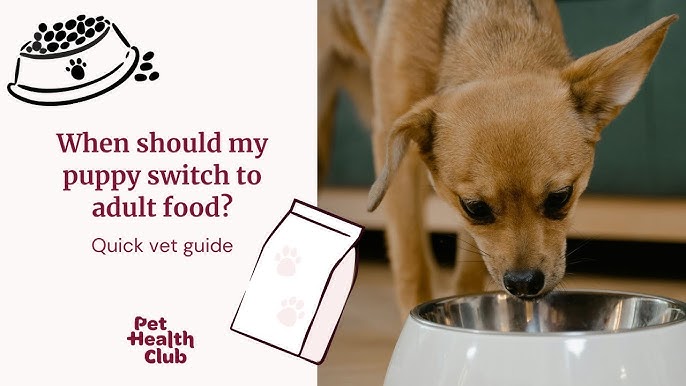
You want to give your dog the best nutrition, but how do you know when it’s time to switch from puppy food to adult dog food? Feeding your dog the right food at the right time is key to their health and happiness.
If you switch too early or too late, it could affect their growth, energy, and overall wellbeing. You’ll discover the signs to look for and the best way to make this important transition smooth and safe for your furry friend.
Keep reading to make sure your dog stays healthy and strong at every stage of life.
Puppy Growth Stages
Puppies grow fast during their early months. Their food must match their growth needs.
Knowing when to switch to adult dog food helps keep your dog healthy and strong.
From Newborn To Weaning
Newborn puppies rely on their mother’s milk for all nutrients. This milk is rich and easy to digest.
At about 3 to 4 weeks, puppies start to try solid food. This stage is called weaning.
- Puppies nurse frequently for hydration and nutrition.
- Introduce soft puppy food mixed with water or milk replacer.
- Gradually reduce milk as puppies eat more solid food.
- Weaning ends around 6 to 8 weeks of age.
Post-weaning Nutritional Needs
After weaning, puppies need food that supports their fast growth and energy levels.
| Age | Type of Food | Key Nutrients |
| 6-12 weeks | High-calorie puppy food | Protein, fat, calcium |
| 3-6 months | Balanced puppy food | Vitamins, minerals, DHA |
| 6-12 months | Growth support formula | Controlled calories, joint support |
Signs Of Maturity
Puppies show signs when they are ready for adult food. Watch their size and behavior.
- Their growth rate slows down.
- They reach about 80% of adult weight.
- Teeth have fully developed.
- Energy levels become more stable.
Age Guidelines For Switching
Knowing when to switch your dog to adult food is important. Age is a key factor in this decision.
Dogs grow at different rates depending on their breed and size. Feeding the right food at the right time supports healthy growth.
Breed Size And Growth Rate
Small and large dog breeds grow at different speeds. Small breeds reach maturity faster than large breeds. This difference affects when to switch their food.
- Small breeds mature around 9 to 12 months.
- Large breeds mature around 12 to 24 months.
- Growth rate slows down as dogs near adulthood.
Small Vs. Large Breed Timelines
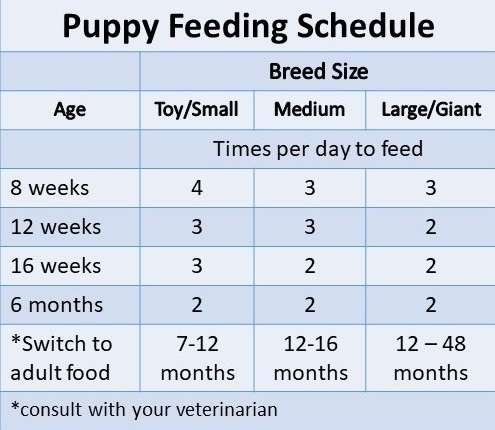
Switching to adult dog food depends on breed size. Small breeds need adult food sooner than large breeds. Large breeds require food that supports longer growth periods.
| Breed Size | Switch to Adult Food At |
| Small Breeds | 9 to 12 months |
| Medium Breeds | 12 months |
| Large Breeds | 12 to 18 months |
| Giant Breeds | 18 to 24 months |
Recommended Age Ranges
Use these age ranges as a guide. Always watch your dog’s growth and health before changing food. Consult your vet if unsure.
- Start small breeds on adult food at 9 months.
- Switch medium breeds at 12 months.
- Transition large breeds between 12 and 18 months.
- Delay giant breeds until 18 to 24 months.
Health Considerations
Knowing when to switch your dog to adult food is important for their health. Puppies and adult dogs have different nutritional needs.
Switching too early or too late can affect your dog’s growth and well-being. Look for signs that your dog is ready for adult food.
Weight And Body Condition
Your dog’s weight and body shape help decide if it is time to change food. Puppies growing fast may need more calories.
Adult dog food has fewer calories than puppy food. Watch if your dog is too thin or gaining too much weight.
- Check for a visible waist behind the ribs
- Feel ribs easily but not see them
- Keep weight steady without rapid changes
Digestive Readiness
Your dog’s digestive system must handle adult food well. Some dogs may get upset stomachs if switched too soon.
Look for firm stools and no vomiting after trying small amounts of adult food. This shows good digestive readiness.
- Start with a small mix of adult food and puppy food
- Watch for changes in stool consistency
- Stop if your dog shows signs of digestive upset
Veterinarian Recommendations
Your vet knows your dog’s health best. Ask them when to switch to adult food based on breed and health needs.
Some breeds grow slower or faster, which affects the timing. Vets can also suggest the best adult food type.
- Schedule a checkup before changing food
- Discuss your dog’s growth and activity level
- Follow vet advice for smooth food transitions

Credit: www.youtube.com
Transitioning Process
Switching your dog to adult food needs care and patience. This helps avoid stomach problems and keeps your dog healthy.
The transition should be slow and steady. Watch your dog’s reactions and adjust the food amounts as needed.
Gradual Food Mixing
Start by mixing a small amount of adult dog food with your puppy’s current food. Increase the adult food amount each day.
- Day 1-2: 25% adult food, 75% puppy food
- Day 3-4: 50% adult food, 50% puppy food
- Day 5-6: 75% adult food, 25% puppy food
- Day 7: 100% adult dog food
Monitoring For Reactions
Watch your dog for any signs of upset stomach or allergies during the switch. Check for vomiting, diarrhea, or itching.
| Reaction | What to Do |
|---|---|
| Vomiting | Slow down the transition and consult a vet if it continues |
| Diarrhea | Give more time for adjustment and watch hydration |
| Itching or rash | Stop new food and check with your vet |
Adjusting Portions
Adult dogs need different amounts of food than puppies. Adjust portions based on your dog’s size, activity, and weight.
- Check the feeding guide on the food package
- Feed smaller portions if your dog gains weight
- Increase portions if your dog loses weight or is very active
- Consult your vet for personalized advice
Choosing Adult Dog Food
Switching your dog to adult food is important for their health. Adult dog food meets their changing needs as they grow.
Picking the right adult food helps your dog stay strong and active. Look for balanced nutrition and quality ingredients.
Nutritional Requirements
Adult dogs need different nutrients than puppies. Their food should have the right amount of protein, fat, and vitamins.
Protein helps keep muscles healthy. Fat provides energy. Vitamins and minerals support overall health and immune function.
- Protein: 18% to 25% of the diet
- Fat: 10% to 15% for energy
- Fiber: aids digestion
- Vitamins A, D, and E
- Minerals like calcium and phosphorus
Ingredients To Look For
Choose dog food with high-quality ingredients. Whole meats and grains give better nutrition than fillers.
Look for named meat sources like chicken or beef. Also, check for healthy fats and natural sources of vitamins.
- Real meat or fish as the first ingredient
- Whole grains like brown rice or oats
- Vegetables such as sweet potatoes and peas
- Healthy oils like fish oil or flaxseed
- No artificial colors or flavors
Avoiding Common Pitfalls
Some adult dog foods have too many fillers or low-quality proteins. These can cause poor health or allergies.
Watch out for foods with too many additives or unclear ingredient sources. Avoid feeding human food or scraps regularly.
- Skip foods with corn or wheat as main ingredients
- Avoid artificial preservatives like BHA or BHT
- Do not choose meat by-products or unnamed meats
- Limit treats and table scraps to prevent obesity
- Check for recalls or negative reviews before buying
Credit: www.vetsupply.com.au
Special Cases
Choosing the right time to switch your dog to adult food is important. There are special cases that need extra attention.
These cases include senior dogs, dogs with medical conditions, and puppies with delayed growth.
Senior Dogs
Senior dogs have different needs compared to younger dogs. They may require a diet that supports joint health and brain function.
Look for foods that are lower in calories but rich in fiber and protein. This helps maintain a healthy weight and muscle mass.
- Check for supplements like glucosamine for joints
- Ensure the diet is easy to digest
- Consult your vet for specific needs
Dogs With Medical Conditions
Dogs with medical conditions need special diets. These diets help manage their health issues effectively.
Conditions like kidney disease or diabetes require specific nutrient adjustments. Always follow your vet’s advice for these cases.
- Low protein for kidney issues
- Controlled carbs for diabetic dogs
- High fiber for digestive problems
Puppies With Delayed Growth
Puppies with delayed growth may need to stay on puppy food longer. This ensures they get the nutrients needed for development.
Monitor their weight and growth rate. Adjust their diet as they catch up to their age group.
- Regular vet check-ups to track growth
- Ensure balanced nutrition for energy
- Consider vitamin supplements if recommended

Credit: petheavenblogs.com
Frequently Asked Questions
When Should I Switch My Puppy To Adult Dog Food?
You should switch your puppy to adult dog food around their first birthday. Large breeds may switch later, around 12 to 18 months. Consult your vet for breed-specific timing to ensure proper nutrition.
How Do I Know If My Dog Is Ready For Adult Food?
Signs include slowed growth, adult teeth development, and increased energy levels. Your vet can confirm readiness. Transition gradually to avoid digestive upset.
Can I Switch To Adult Dog Food Early?
Switching too early can cause nutrient deficiencies or digestive issues. Wait until your puppy reaches the recommended age or your vet advises a switch.
What Are The Benefits Of Adult Dog Food?
Adult dog food meets mature dogs’ nutritional needs, supporting maintenance and health. It has balanced protein, fats, and fewer calories than puppy food for weight management.
Conclusion
Switching to adult dog food helps your dog stay healthy and strong. Watch for signs like growth slowing down or reaching one year old. Choose food made for adult dogs to meet their needs better. Changing food too soon or too late can cause problems.
Always check with your vet if unsure. Feeding the right food supports your dog’s energy and wellbeing. Keep your furry friend happy with good nutrition every day. Simple steps make a big difference in your dog’s life.

Emily Barker is the founder of ChillDogLife.com, a space dedicated to helping pup parents discover the best dog products, lifestyle tips, and cozy ideas for happier homes.
A lifelong dog lover, Emily combines her passion for pets with a knack for research to share trusted recommendations on everything from toys and furniture to health and everyday care.
Her goal is simple: to make life easier, stylish, and more joyful for dogs and the people who love them.




