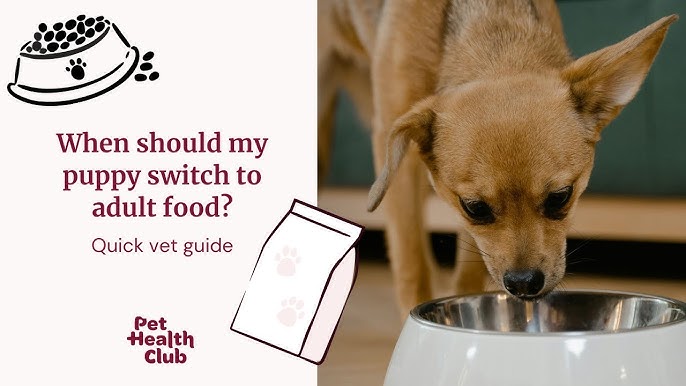
Are you wondering when your puppy should start eating adult dog food? Knowing the right time to make this switch is important for your dog’s health and growth.
Feed your dog the wrong food too early or too late, and you could face problems like poor digestion or nutritional gaps. You’ll discover the perfect age to transition your furry friend to adult food and learn tips to make the change easy and safe.
Keep reading to make sure your dog gets the best nutrition at every stage of life.
Puppy Growth Stages
Understanding puppy growth helps you know when to change their diet. Puppies need special food as they grow strong and healthy.
This guide covers key stages from newborn to adult food transition. Each stage has unique needs for feeding and care.
Newborn To Weaning
Newborn puppies depend on their mother’s milk for nutrition. This milk gives all the nutrients they need in the first few weeks.
Puppies start to open their eyes and ears in this stage. They also begin to move more and explore their surroundings.
Transition To Solid Food
At about 3 to 4 weeks old, puppies begin eating solid food. This change helps them grow stronger and prepares them for adult food.
- Start with soft, moist puppy food
- Mix food with water or puppy formula
- Feed small amounts several times a day
- Gradually reduce liquid as they learn to chew
Watch puppies closely during this stage to ensure they eat well. Proper feeding supports healthy development.
Growth Milestones
| Age | Weight Range | Feeding Notes |
| Birth to 2 Weeks | 100-500 grams | Mother’s milk only |
| 3 to 4 Weeks | 500-1000 grams | Introduce soft solid food |
| 6 to 8 Weeks | 1-3 kg | Increase solid food, reduce milk |
| 8 to 12 Weeks | 3-6 kg | Feed quality puppy food, multiple meals |
| 12 to 16 Weeks | 6-10 kg | Prepare for adult food introduction |
When To Switch To Adult Food
Knowing when to switch your puppy to adult dog food is important. The right timing supports healthy growth and development.
Switching too early or too late can cause health issues. Understanding age and size helps you decide the best time.
Typical Age Range
Most puppies move to adult food between 9 and 12 months old. This is the common age when they finish growing rapidly.
- Small breeds: around 9 to 12 months
- Medium breeds: about 12 months
- Large breeds: can be 12 to 18 months
Breed Size Differences
Puppies of different sizes grow at different rates. Large breeds take longer to mature than small breeds.
| Breed Size | Switch Age |
| Small | 9 to 12 months |
| Medium | 12 months |
| Large | 12 to 18 months |
| Giant | 18 to 24 months |
Signs Your Puppy Is Ready
Your puppy shows signs they are ready to eat adult food. Watch for changes in behavior and growth.
- Puppy has reached most of their adult size
- Energy levels start to stabilize
- Teeth have fully grown in
- Puppy finishes rapid growth phase
Choosing The Right Adult Food
Switching your dog to adult food is an important step. It helps meet their changing needs as they grow older.
Choosing the right adult food means looking at their health, size, and activity level. This guide will help you pick well.
Nutritional Needs
Adult dogs need balanced nutrients to stay healthy. Protein, fat, and vitamins are key parts of their diet.
Too much or too little of one nutrient can cause problems. Choose food that fits your dog’s age and lifestyle.
- Protein supports muscles and energy
- Fats provide energy and healthy skin
- Carbohydrates offer fuel for activity
- Vitamins and minerals keep organs working well
Types Of Adult Dog Food
Adult dog food comes in dry, wet, and raw forms. Each type has pros and cons for your dog’s health and your schedule.
Dry food is easy to store and helps clean teeth. Wet food has more moisture, which aids hydration. Raw food is natural but needs careful handling.
- Dry Food:Convenient and long-lasting
- Wet Food:Tastes good and adds moisture
- Raw Food:Closer to natural diet but needs care
Reading Food Labels
Food labels tell you what is inside the dog food. Look for quality ingredients and clear nutrition facts.
Check the first ingredients. Meat or fish should be listed first. Avoid foods with too many fillers or artificial additives.
- Look for named meats like chicken or beef
- Check protein and fat percentages
- Avoid artificial colors and flavors
- See if the food meets AAFCO standards
Credit: www.petsmart.com
Transitioning Your Dog’s Diet
Changing your dog from puppy food to adult food needs care. A smooth change helps your dog stay healthy.
You should watch your dog closely during this time. This helps you see if your dog likes the new food.
Gradual Food Changes
Switch your dog’s food little by little. Start by mixing a small amount of adult food with puppy food.
Slowly add more adult food over one to two weeks. This helps your dog get used to the new taste and nutrients.
- Begin with 25% adult food and 75% puppy food
- After 3-4 days, use half adult food and half puppy food
- Gradually increase adult food to 75%
- Finally, feed 100% adult food
Avoiding Digestive Issues
Changing food too fast can upset your dog’s stomach. Watch for signs of diarrhea or vomiting.
Feed smaller meals during the change. This reduces the chance of stomach problems.
- Give smaller portions more often
- Keep fresh water available all the time
- Stop the transition if problems appear and ask a vet
Monitoring Your Dog’s Reaction
Watch your dog’s energy and mood daily. Changes in behavior may mean the new food is not right.
Check your dog’s weight and coat condition. Healthy skin and steady weight show the food suits your dog.
- Note changes in appetite
- Look for changes in poop consistency
- Keep track of energy levels and playfulness
- Contact your vet if you see unusual signs
Special Considerations
Choosing when to switch your dog to adult food depends on many factors. Age is important, but size and health also matter.
This guide covers key points for senior dogs, breed sizes, and health conditions to help you decide.
Senior Dogs
Senior dogs have different nutritional needs than younger adults. Their metabolism slows down. They may need fewer calories but more nutrients for joint health and digestion.
Switching to adult food too late can cause weight gain or joint problems. Many vets suggest moving to senior food around age 7 or 8.
Small Vs. Large Breeds
| Breed Size | Adult Food Age | Reason |
| Small breeds | 9-12 months | Faster growth, early maturity |
| Medium breeds | 12 months | Standard growth rate |
| Large breeds | 12-18 months | Slower growth, joint support |
| Giant breeds | 18-24 months | Longest growth period |
Large and giant breeds need adult food later. Their bones and joints develop longer. Feeding adult food too soon can harm growth.
Health Conditions Impact
- Dogs with allergies may need special formulas.
- Dogs with kidney problems often require low-protein diets.
- Overweight dogs might need weight control adult food.
- Diabetic dogs benefit from low sugar and balanced carbs.
- Consult your vet before changing food for health reasons.
Health conditions can change the best time to switch to adult food. Custom diets improve your dog’s quality of life.

Credit: www.purina.com
Common Mistakes To Avoid
Transitioning your dog from puppy food to adult food is an important step. This process requires careful attention to avoid common mistakes. Let’s explore these pitfalls and learn how to provide the best nutrition for your dog.
Switching Too Early
Puppy food is rich in nutrients to support growth. Switching to adult food too soon can deprive your puppy of these essentials. It’s crucial to wait until your dog reaches the right age, usually around one year.
Check with your veterinarian to determine the best time to switch. Every breed develops differently, so age is not the only factor.
Ignoring Breed Needs
Different breeds have unique dietary needs. Large breeds may need specific nutrients to support joint health. Small breeds might require more calorie-dense food. Ignoring these needs can lead to health issues.
Choose a dog food that meets your breed’s specific requirements. Consult your vet to ensure your choice supports your dog’s health.
Overfeeding Adult Dogs
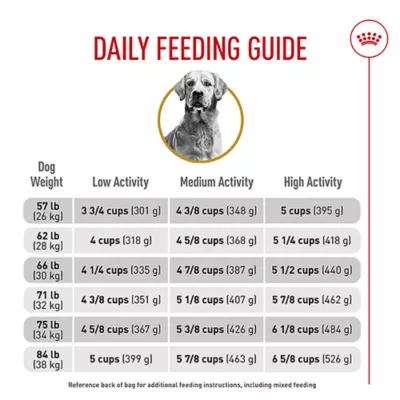
Adult dogs need balanced portions to stay healthy. Overfeeding can lead to obesity and related health problems. Monitor your dog’s weight and adjust portions as needed.
Use a measuring cup to serve the right amount of food. Regularly check with your vet to ensure your dog maintains a healthy weight.
- Measure food to avoid overfeeding
- Regular vet check-ups for weight management
- Adjust portions based on activity level
Veterinarian Recommendations
Dogs need the right food for their age and health. Veterinarians can guide you on when to switch your dog to adult food.
Most dogs transition to adult food between 12 to 18 months old. This varies with breed size and health conditions.
Consulting A Vet
It is important to talk to your vet before switching your dog’s food. They know your dog’s health history and can recommend the best time to change.
Your vet will consider factors like breed, weight, and activity level. This ensures a smooth transition to adult food.
Regular Health Checkups
Regular checkups help monitor your dog’s growth and health. Vets can spot any dietary issues early.
Checkups also allow vets to adjust your dog’s diet as needed. This keeps your dog healthy and energetic.
| Age | Checkup Frequency |
| Under 1 year | Every 3 months |
| 1-7 years | Every 6 months |
| Over 7 years | Every 6 months |
Customized Diet Plans
Every dog is unique and may need a special diet. Vets can create a diet plan that fits your dog’s needs.
This plan considers allergies, weight goals, and activity levels. It ensures your dog gets the right nutrients.
- Allergy-friendly foods
- Weight management options
- High-energy diets for active dogs
Credit: dogsauce.co
Frequently Asked Questions
When Should Puppies Switch To Adult Dog Food?
Puppies usually transition to adult dog food between 12 to 18 months. Small breeds switch earlier, around 12 months. Large breeds may take up to 18 months. This timing ensures they get proper nutrients for growth and health.
Why Not Feed Adult Food To Puppies Too Early?
Adult dog food lacks essential nutrients needed for puppy growth. Feeding it too early can cause malnutrition or stunted development. Puppies require higher protein and fat levels for energy and growth. Always follow vet recommendations on diet changes.
How To Transition From Puppy To Adult Food Safely?
Gradually mix adult food with puppy food over 7 to 10 days. Increase adult food amount each day while decreasing puppy food. This helps avoid digestive upset and allows your dog to adjust comfortably to new nutrition.
Does Dog Breed Affect The Age To Switch Food?
Yes, breed size influences when to switch dog food. Small breeds mature faster and can switch at 12 months. Large breeds grow slower and may need puppy food up to 18 months. Adjust feeding based on your dog’s growth and vet advice.
Conclusion
Most dogs switch to adult food around one year old. Some breeds may need adult food sooner or later. Watch your dog’s size, energy, and health for signs. Changing food slowly helps avoid stomach problems. Choosing the right time supports your dog’s growth and health.
Always check with your vet if unsure. Feeding adult food too early or late can cause issues. Keep your dog happy and strong with proper nutrition. Simple steps lead to a healthy, happy pet life.

Emily Barker is the founder of ChillDogLife.com, a space dedicated to helping pup parents discover the best dog products, lifestyle tips, and cozy ideas for happier homes.
A lifelong dog lover, Emily combines her passion for pets with a knack for research to share trusted recommendations on everything from toys and furniture to health and everyday care.
Her goal is simple: to make life easier, stylish, and more joyful for dogs and the people who love them.




