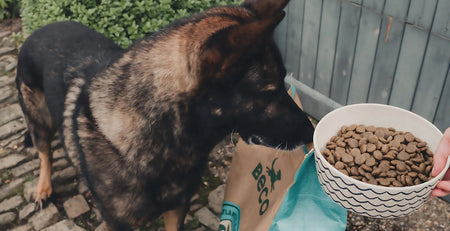
Are you wondering if it’s okay for your adult dog to eat puppy food? You might think that puppy food is just as good for dogs of all ages, but the truth is more complicated.
Feeding your adult dog the wrong food can affect their health, energy, and happiness. You’ll discover why adult dogs have different nutritional needs and whether puppy food is a good choice for them. Keep reading to learn how to give your furry friend the best diet for a long, healthy life.
Credit: wefeedraw.com
Differences Between Puppy And Adult Dog Food
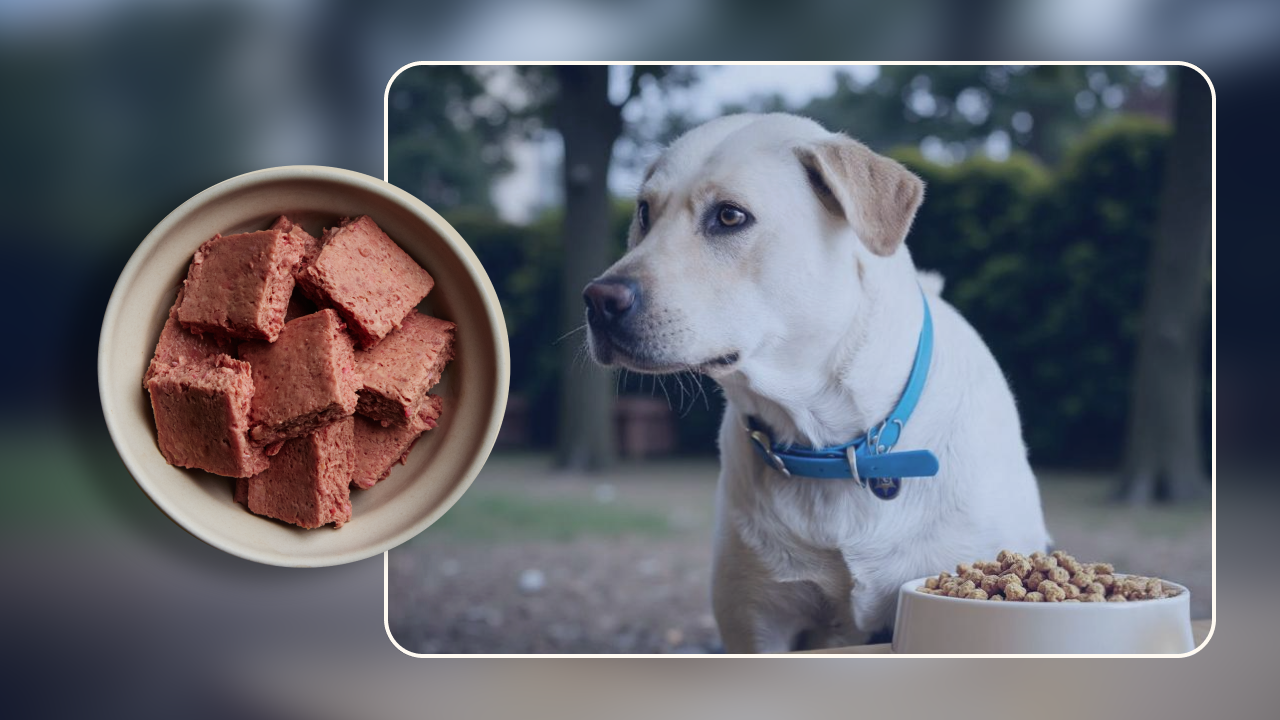
Puppy food and adult dog food have different ingredients and nutrition. Dogs need different diets as they grow.
Choosing the right food helps your dog stay healthy and strong throughout life.
Nutritional Needs Of Puppies
Puppies need more calories and nutrients than adult dogs. Their bodies grow fast and need extra support.
- Higher protein for muscle growth
- More fat for energy
- Extra vitamins and minerals for bones and teeth
- Balanced calcium and phosphorus
Nutritional Needs Of Adult Dogs
Adult dogs need fewer calories but good protein to keep muscles. Their food supports maintenance, not growth.
- Moderate protein for muscle repair
- Lower fat to prevent weight gain
- Fiber to help digestion
- Essential nutrients for overall health
Key Ingredient Variations
| Ingredient | Puppy Food | Adult Dog Food |
| Protein | High (28%-32%) | Moderate (18%-25%) |
| Fat | High (10%-25%) | Lower (8%-15%) |
| Calcium | Higher for bone growth | Balanced for maintenance |
| Calories | More for energy | Less to avoid obesity |
| Fiber | Lower | Higher for digestion |

Credit: www.youtube.com
Potential Risks Of Feeding Puppy Food To Adults
Puppy food has different nutrients than adult dog food. Feeding adults puppy food can cause problems. It is important to know the risks before changing your dog’s diet.
Adult dogs do not need the extra calories and nutrients in puppy food. Giving them this food may harm their health over time.
Weight Gain And Obesity
Puppy food has more calories to help puppies grow fast. Adult dogs eating this food can gain too much weight. Extra weight can lead to obesity.
Obesity causes joint pain, heart problems, and lowers energy levels in dogs. Keeping your adult dog on a proper diet helps avoid these issues.
Digestive Issues
Adult dogs have different digestive needs than puppies. Puppy food is richer and harder to digest for adults. This can cause upset stomachs and diarrhea.
Switching to adult dog food helps protect your dog’s stomach and keeps digestion smooth. It also prevents discomfort and health problems.
Nutrient Imbalance
Puppy food has extra protein, fat, and calcium to support growth. Adult dogs do not need these high levels. Too much can cause nutrient imbalance and health issues.
Feeding adult dogs the right nutrients keeps their bones, muscles, and organs healthy. Puppy food may upset this balance and cause long-term harm.
When Puppy Food Might Be Suitable For Adults
Adult dogs usually need food made for their life stage. Puppy food has extra nutrients for growing pups. Sometimes, adult dogs might benefit from puppy food.
This guide shows when adult dogs might eat puppy food safely. It covers special cases like recovery, pregnancy, and health needs.
Growth Recovery Or Illness
Adult dogs recovering from illness or surgery may need more nutrients. Puppy food offers higher calories and protein to support healing.
- Helps rebuild muscle and tissue
- Supports immune system strength
- Provides energy for recovery
Always check with a vet before switching to puppy food during recovery.
Pregnant Or Nursing Dogs
Pregnant and nursing dogs need extra nutrition for their puppies and themselves. Puppy food can meet these higher demands well.
| Reason | Benefit of Puppy Food |
| Growing puppies | Supports fetal development |
| Milk production | Boosts energy and nutrient supply |
| Mother’s health | Maintains strength during nursing |
Specific Breed Or Health Conditions
Some breeds or health issues require special diets. Puppy food may help in these cases but only under vet advice.
Examples where puppy food might help adult dogs:
- Small breeds needing more calories
- Dogs with digestive problems needing nutrient-rich food
- Underweight dogs needing to gain weight safely
Choosing The Right Food For Your Adult Dog
Adult dogs have different nutritional needs than puppies. Feeding them the right food helps keep them healthy and active. Puppy food is rich in calories and nutrients for growth, but adult dogs may not need so much.
Choosing the right food means understanding what your dog needs now. This guide explains how to read labels, get advice from your vet, and change foods safely.
Reading Dog Food Labels
Dog food labels show important details about ingredients and nutrition. Look for foods made for adult dogs to meet their energy needs without extra calories. Check the protein, fat, and fiber levels.
Ingredients are listed from most to least. Choose foods with real meat near the top. Avoid foods with too many fillers like corn or wheat.
- Look for “Complete and Balanced” statement
- Check protein and fat percentages
- Avoid artificial colors and preservatives
- Choose food that fits your dog’s size and breed
Consulting Your Veterinarian
Your veterinarian knows your dog’s health and can help pick the best food. They may suggest special diets for allergies, weight, or health issues. Talk to them before switching foods.
Regular vet visits help track your dog’s weight and nutrition. Your vet can adjust recommendations as your dog ages or changes activity levels.
- Ask about food suitable for your dog’s age and health
- Discuss any food allergies or sensitivities
- Follow vet advice on portion sizes
Transitioning Between Foods
Switching your dog’s food too fast can cause stomach upset. Gradually mix the new food with the old over 7 to 10 days. This helps your dog’s digestive system adjust.
Watch your dog for any changes in stool, appetite, or energy. If problems happen, slow the transition or check with your vet.
- Start with 25% new food and 75% old food
- Increase new food amount every few days
- Finish with 100% new food after about 1 week
- Keep fresh water available at all times
Tips For Feeding Adult Dogs Effectively
Feeding adult dogs the right way keeps them healthy and happy. It is important to manage food portions and monitor their health often.
Balancing meals with treats and watching your dog’s weight can improve their quality of life. Here are some helpful tips to guide you.
Portion Control Strategies
Controlling how much food your adult dog eats helps keep their weight steady. Too much food can cause obesity and health problems.
- Use a measuring cup to portion each meal carefully.
- Feed your dog at the same times every day.
- Adjust portions based on your dog’s activity level and age.
- Follow the feeding guidelines on the dog food package.
- Consult your vet if you are unsure about portion sizes.
Monitoring Your Dog’s Health
Keep track of your dog’s weight and energy levels to catch health issues early. Regular vet check-ups are essential.
| Health Aspect | What to Watch For | Action to Take |
| Weight | Sudden gain or loss | Adjust food or visit vet |
| Coat Condition | Dull or dry fur | Check nutrition and health |
| Energy Level | Unusual tiredness | Consult veterinarian |
| Appetite | Eating less or more | Monitor closely and seek advice |
Balancing Treats And Meals
Treats are good for training but can add extra calories. Keep treats small and limited to avoid weight gain.
- Choose healthy treats with low calories.
- Do not exceed 10% of daily calorie intake as treats.
- Use treats as rewards, not meal replacements.
- Keep track of treats given each day.
Credit: www.houndsy.com
Frequently Asked Questions
Can Adult Dogs Eat Puppy Food Safely?
Adult dogs can eat puppy food occasionally but it’s not ideal. Puppy food has higher calories and nutrients meant for growth. Feeding it long-term may cause weight gain or nutrient imbalance in adult dogs.
What Are The Differences Between Puppy And Adult Dog Food?
Puppy food is richer in protein, fat, and calories for growth. Adult dog food has balanced nutrients for maintenance and less fat. Feeding adult dogs puppy food regularly can lead to obesity and health problems.
Is It Harmful For Adult Dogs To Eat Puppy Food?
Feeding adult dogs puppy food occasionally is not harmful. However, continuous feeding may cause weight gain, digestive issues, or nutrient imbalance. Always consult a vet for the best diet for your adult dog.
When Should I Switch My Puppy To Adult Food?
Switch your puppy to adult food between 9 to 12 months. Large breeds may need to switch later, around 12-18 months. Transition gradually to avoid digestive upset and ensure balanced nutrition.
Conclusion
Adult dogs need food made for their age and size. Puppy food has extra nutrients that adult dogs do not require. Feeding adult dogs puppy food often can cause weight gain and health problems. Choose food that matches your dog’s current needs.
Always check with a vet for the best diet plan. Healthy dogs live happier and longer lives. Keep your dog’s diet balanced and age-appropriate. Small changes can make a big difference in their health. Give your dog the right food to stay strong and active.

Emily Barker is the founder of ChillDogLife.com, a space dedicated to helping pup parents discover the best dog products, lifestyle tips, and cozy ideas for happier homes.
A lifelong dog lover, Emily combines her passion for pets with a knack for research to share trusted recommendations on everything from toys and furniture to health and everyday care.
Her goal is simple: to make life easier, stylish, and more joyful for dogs and the people who love them.




