
Are you wondering if it’s okay to feed your puppy adult dog food? You want the best for your furry friend, and choosing the right food is a big part of that.
Feeding your puppy the wrong diet could affect their growth, energy, and overall health. But what if you already have adult dog food at home? Can it work for your puppy, or will it cause problems? Keep reading to discover the truth about adult dog food for puppies and learn how to give your pup the nutrition they truly need.
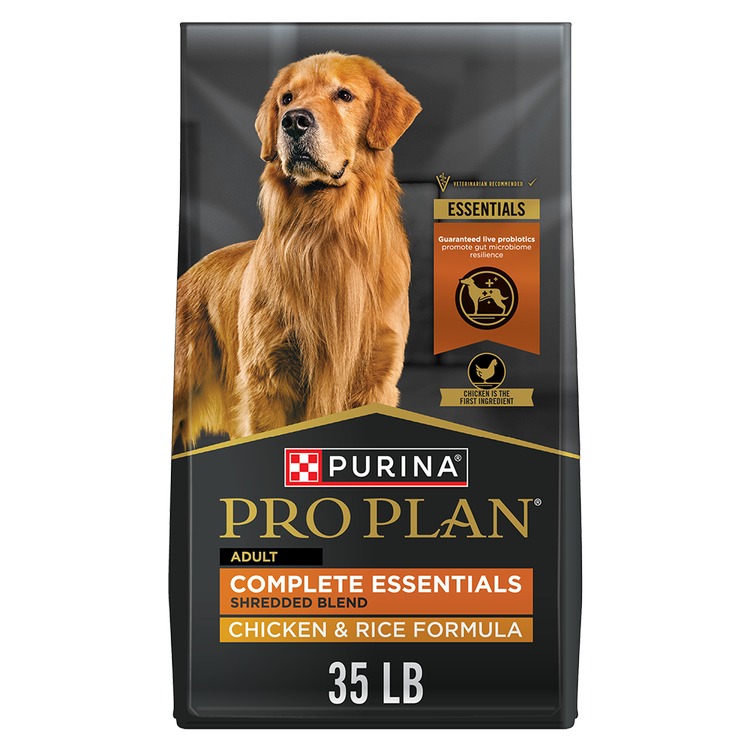
Credit: www.purina.com
Nutritional Needs Of Puppies
Puppies need special food for healthy growth. Their bodies change fast in the first months.
Adult dog food may not give puppies all they need. It is important to meet their unique nutrition needs.
Growth And Development Requirements
Puppies grow quickly and need extra energy. Their bones, muscles, and organs develop fast.
They require more calories and nutrients than adult dogs. This supports their fast body changes.
- Higher calorie intake for energy
- Balanced protein for muscle growth
- Calcium and phosphorus for bones
- Fat for brain and coat health
Key Nutrients For Puppies
Puppies need specific nutrients to stay healthy. These help with growth and body functions.
Some important nutrients include proteins, fats, vitamins, and minerals. Each plays a special role.
- Protein:Builds strong muscles and tissues
- Fat:Provides energy and supports brain health
- Calcium & Phosphorus:Strengthen bones and teeth
- Vitamins:Boost immune system and metabolism
- Minerals:Support overall body functions
Differences Between Puppy And Adult Dog Food
Puppies and adult dogs need different foods. Their bodies grow and use energy in different ways.
Choosing the right food helps your puppy grow strong and stay healthy.
Calorie Content
Puppies need more calories than adult dogs. They burn energy fast while growing.
Adult dogs have slower energy needs. Too many calories can cause weight gain.
Protein And Fat Levels
Puppy food has higher protein and fat to support muscle and brain growth. Adult dog food has less protein and fat to maintain health.
- Puppy food: 22% to 32% protein
- Adult food: 18% to 25% protein
- Puppy food: higher fat for energy
- Adult food: moderate fat to avoid obesity
Vitamin And Mineral Balance
| Vitamin/Mineral | Puppy Food | Adult Food |
| Calcium | Higher for bone growth | Moderate for maintenance |
| Phosphorus | Higher for development | Lower for balance |
| Vitamin D | Increased for growth | Regular amount |
Risks Of Feeding Adult Food To Puppies
Puppies have different food needs than adult dogs. Feeding adult dog food to puppies can cause health problems. It is important to understand the risks before changing their diet.
This article explains three main risks of feeding adult food to puppies. Knowing these risks helps keep your puppy healthy and growing strong.
Potential Nutritional Deficiencies
Adult dog food may lack key nutrients that puppies need. These nutrients help puppies develop bones, muscles, and brain function. Without the right nutrition, puppies may grow weak or sick.
- Lower protein levels may slow muscle growth
- Insufficient calcium and phosphorus can harm bone development
- Missing vitamins and fatty acids affect brain and eye health
- Too little energy can reduce activity and growth rate
Impact On Growth
Feeding adult food to puppies can stunt their growth. Puppies need more calories and nutrients than adult dogs. Adult food may not support their rapid development properly.
| Growth Factor | Effect of Adult Food |
| Calorie Intake | Too low for puppy energy needs |
| Protein Quality | May slow muscle and tissue growth |
| Minerals | Insufficient for strong bone formation |
| Fatty Acids | Can affect brain and coat health |
Digestive Issues
Adult dog food may cause stomach problems for puppies. Their digestive systems are still developing and need gentle food. Adult formulas can be harder to digest and upset their stomachs.
- Harder kibble can cause choking or chewing problems
- Adult food may cause diarrhea or constipation
- Puppies may refuse to eat food that tastes different
- Digestive upset can lead to dehydration and weight loss

Credit: us.eukanuba.com
When Adult Dog Food Might Be Acceptable
Feeding puppies adult dog food is usually not recommended. Puppies need extra nutrients for healthy growth. But there are times when adult dog food may be okay to use.
This guide explains when adult dog food might be acceptable for puppies. Learn about short-term use and special needs cases.
Short-term Use
Adult dog food can be used for a short time if puppy food is not available. This should only last a few days. Adult food lacks some nutrients puppies need for growth.
- Use adult dog food only for a few days maximum
- Make sure the adult food is high quality and complete
- Switch back to puppy food as soon as possible
- Consult a vet if unsure about switching foods
Puppies With Special Needs
Some puppies need adult dog food due to health issues or special dietary needs. A vet might recommend adult food for certain medical reasons.
| Condition | Reason for Adult Food | Notes |
| Digestive problems | Adult food may be easier to digest | Vet guidance required |
| Allergies | Specific adult formulas may reduce allergies | Use hypoallergenic adult food |
| Weight control | Adult food has fewer calories | Monitor puppy’s growth closely |
Choosing The Right Food For Your Puppy
Feeding your puppy the right food helps them grow strong and healthy. Puppies need special nutrients that adult dogs do not.
Using adult dog food for puppies is not always safe. It is important to understand what to look for in puppy food.
Reading Labels
Check the food label to see if it meets puppy nutrition needs. Look for proteins, fats, and vitamins made for growing dogs.
- Protein should be high for muscle growth
- Fat provides energy for active puppies
- Calcium and phosphorus help build strong bones
- Vitamins and minerals support overall health
- Avoid foods with fillers like corn or wheat
Consulting A Veterinarian
Your vet knows the best food for your puppy’s breed and size. They can suggest brands and types that fit your puppy’s needs.
| Question | Why It Matters |
| What food is best for my puppy? | Ensures proper growth and health |
| Is adult dog food okay? | May lack nutrients puppies need |
| How often should I feed my puppy? | Prevents overfeeding or hunger |
| When should I change foods? | Avoids digestive upset |
Transitioning Foods Safely
Switch food gradually to avoid stomach problems. Sudden changes can cause vomiting or diarrhea.
- Start by mixing 25% new food with 75% old food
- Increase new food to 50% after three days
- Move to 75% new food after another three days
- Feed only new food after one week
- Watch for any signs of upset stomach
Credit: blepworld.com
Frequently Asked Questions
Can Puppies Eat Adult Dog Food Safely?
Puppies can eat adult dog food briefly but it lacks essential nutrients needed for growth. Puppy food has higher protein and fat levels essential for development. Feeding adult food long-term may cause nutritional deficiencies and hinder proper growth.
What Are The Risks Of Feeding Puppies Adult Food?
Adult dog food does not meet puppies’ nutritional needs. It lacks sufficient calcium, protein, and calories. This can result in poor bone development, weak immunity, and stunted growth. Always choose specially formulated puppy food for healthy development.
When Can Puppies Switch To Adult Dog Food?
Puppies can transition to adult food around 12 months old, depending on breed size. Small breeds may switch earlier, while large breeds need more time. Consult your vet to determine the best time based on your puppy’s growth and health.
Why Is Puppy Food Better Than Adult Dog Food?
Puppy food contains higher protein, fat, vitamins, and minerals to support rapid growth. It supports brain development, strong bones, and immune health. Adult dog food lacks these nutrients, making it unsuitable for puppies’ developmental needs.
Conclusion
Puppies need special food to grow strong and healthy. Adult dog food lacks some nutrients puppies require. Feeding adult food to puppies may cause health issues. Always choose food made for puppies during their growth. Proper nutrition helps puppies develop bones and muscles well.
Consult a vet if unsure about your puppy’s diet. Healthy eating means a happy, active puppy later. Small changes now make a big difference for your dog. Keep your puppy’s diet balanced and age-appropriate for best results.

Emily Barker is the founder of ChillDogLife.com, a space dedicated to helping pup parents discover the best dog products, lifestyle tips, and cozy ideas for happier homes.
A lifelong dog lover, Emily combines her passion for pets with a knack for research to share trusted recommendations on everything from toys and furniture to health and everyday care.
Her goal is simple: to make life easier, stylish, and more joyful for dogs and the people who love them.




