
Are you wondering if feeding your puppy adult dog food could cause harm? It’s a common question many dog owners face, especially when you want the best for your furry friend.
What if the food you think is safe is actually holding back your puppy’s growth or health? Understanding the risks and benefits can make all the difference in your puppy’s development. Keep reading to discover why choosing the right food matters and how it affects your puppy’s future.
Nutritional Needs Of Puppies
Puppies grow fast and need special food to stay healthy. Their diet must have the right nutrients for strong bones and muscles.
Adult dog food does not always meet the needs of puppies. Feeding them the wrong food can slow their growth or cause problems.
Key Nutrients For Growth
Puppies need a mix of proteins, fats, vitamins, and minerals. These help with energy, brain development, and body growth.
- Protein:Builds muscles and tissues.
- Fat:Provides energy and supports brain health.
- Calcium and Phosphorus:Strengthen bones and teeth.
- Vitamins A and D:Help vision and immune system.
- Omega-3 Fatty Acids:Support brain and eye development.
Differences From Adult Dogs
| Nutrient | Puppies | Adult Dogs |
| Calories | Higher for growth and energy | Lower to maintain weight |
| Protein | More for muscle and tissue building | Less for maintenance |
| Fat | Needed for brain and energy | Lower amount |
| Calcium & Phosphorus | Higher for bone development | Balanced to avoid excess |
| Fiber | Moderate for digestion | Varies by activity level |
Adult dog food often lacks enough calories and nutrients puppies need. Feeding puppies adult food regularly can cause health issues.

Credit: www.becopets.com
Risks Of Feeding Adult Dog Food To Puppies
Feeding adult dog food to puppies can cause health problems. Puppies need special nutrients for growth. Adult food may not meet these needs.
Knowing the risks helps you choose the right food for your puppy. This guide explains the main issues.
Nutrient Deficiencies
Puppies need more protein, fat, and vitamins than adult dogs. Adult dog food often lacks these. This can slow their growth and harm development.
- Lower protein can weaken muscles.
- Insufficient fat reduces energy levels.
- Missing vitamins affect bone and brain growth.
- Calcium imbalance may cause bone problems.
Digestive Issues
Adult dog food has different fiber and fat amounts. Puppies may find it hard to digest. This can cause upset stomach or diarrhea.
| Issue | Cause | Effect |
|---|---|---|
| Diarrhea | Too much fat or fiber | Dehydration and discomfort |
| Constipation | Low fiber content | Hard stools and pain |
| Vomiting | Rich adult food | Loss of appetite |
Long-term Health Effects
Feeding adult food to puppies can cause health problems later. Poor nutrition affects bones, joints, and organs. This may lead to chronic illness.
- Weak bones from lack of calcium and vitamin D.
- Joint problems from improper fat levels.
- Lower immune function due to missing nutrients.
- Slower recovery from sickness.
Common Ingredients In Adult Vs Puppy Food
Adult dog food and puppy food have different ingredients. These differences help meet the needs of dogs at different life stages. Puppies need more nutrients for growth and energy.
Understanding these ingredient differences can help you choose the right food for your dog. Let’s look at protein and fat levels, and vitamin and mineral content.
Protein And Fat Levels
Puppy food has higher protein and fat than adult dog food. These nutrients support growth, brain development, and energy. Adult dogs need less protein and fat to stay healthy and maintain weight.
- Puppy food contains about 22-32% protein.
- Adult dog food contains about 18-25% protein.
- Puppy food has 8-20% fat for energy.
- Adult dog food usually has 5-15% fat.
- Too much protein or fat can upset a puppy’s stomach.
Vitamin And Mineral Content
Puppy food includes more vitamins and minerals than adult food. These help with bone growth, immune system, and overall development. Adult dog food has balanced amounts for maintenance.
| Vitamin/Mineral | Puppy Food Content | Adult Food Content | Purpose |
| Calcium | High | Moderate | Bone growth and strength |
| Vitamin D | High | Moderate | Calcium absorption |
| Iron | Higher | Balanced | Red blood cell production |
| Vitamin E | Higher | Balanced | Immune support |
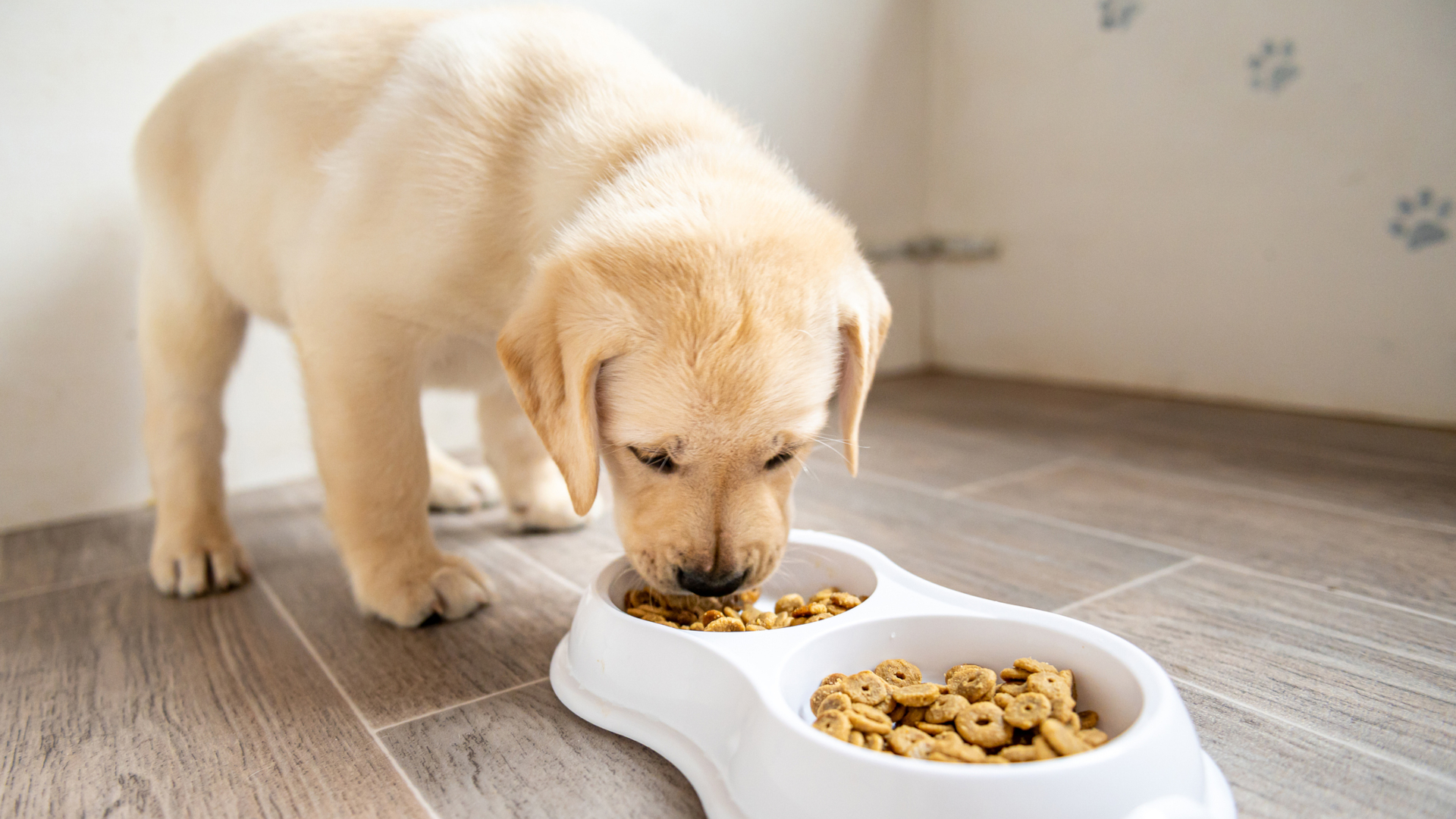
Credit: www.petsradar.com
Signs A Puppy Is Not Thriving On Adult Food
Feeding puppies adult dog food can cause health problems. Puppies need special nutrients to grow strong and healthy.
Watch your puppy closely for any signs of trouble if you use adult food. Early detection helps prevent serious issues.
Physical Symptoms
Puppies not doing well on adult food show clear physical signs. These symptoms mean the food is not meeting their needs.
- Slow or stunted growth compared to littermates
- Loose stools or diarrhea
- Dull or dry coat and skin
- Low energy or weakness
- Frequent vomiting or upset stomach
Behavioral Changes
Besides physical signs, a puppy may act differently if adult food is not right. Changes in behavior can hint at discomfort or poor health.
| Behavior | What It Means |
| Loss of appetite | The puppy may feel unwell or lack energy |
| Increased irritability | Discomfort or pain from digestion issues |
| Excessive sleeping | Low energy due to poor nutrition |
| Less playfulness | Weakness or fatigue from missing nutrients |
Safe Feeding Practices For Puppies
Feeding puppies properly is crucial for their growth and health. Puppies need specific nutrients to develop strong bones and muscles.
Adult dog food lacks important nutrients needed by puppies. Safe feeding practices ensure your puppy grows into a healthy adult dog.
Choosing The Right Puppy Food
Puppy food is specially formulated for young dogs. It contains more protein and fat, which are essential for growth.
Check the packaging for age recommendations. Choose a brand that meets nutritional standards set by pet food authorities.
- Look for high-quality protein sources
- Ensure proper calcium to phosphorus ratio
- Avoid artificial preservatives and colors
Transitioning Between Foods
Switching from puppy food to adult dog food requires care. A sudden change can upset your puppy’s stomach.
Gradually mix the new food with the old one over a week. Increase the new food amount each day.
- Start with 25% new food and 75% old food
- Move to 50% new and 50% old by mid-week
- End with 100% new food by the end of the week

Credit: greenpantry.co.uk
When To Consult A Veterinarian
Feeding adult dog food to puppies can cause health issues. Knowing when to see a vet helps protect your puppy’s well-being.
This guide explains health concerns and dietary advice to help you decide when veterinary care is needed.
Health Concerns
Puppies have special nutritional needs. Adult dog food might not support their growth. Watch for signs that need a vet’s attention.
- Persistent vomiting or diarrhea
- Sudden weight loss or poor weight gain
- Lethargy or weakness
- Unusual behavior or loss of appetite
- Signs of dehydration like dry gums or sunken eyes
Dietary Advice
Choosing the right food is key. Puppies need more calories, protein, and nutrients than adult dogs.
| Food Type | Protein (%) | Fat (%) | Suitable Age |
|---|---|---|---|
| Puppy Food | 22-32 | 8-20 | Up to 1 year |
| Adult Dog Food | 18-25 | 5-15 | 1 year and older |
| Senior Dog Food | 18-22 | 5-12 | 7 years and older |
Frequently Asked Questions
Can Adult Dog Food Harm Puppy Growth?
Yes, adult dog food lacks essential nutrients for puppies. It may slow growth and affect bone development. Puppies need food formulated for their specific needs to ensure proper health and development.
Why Is Puppy Food Better Than Adult Dog Food?
Puppy food contains higher protein, fats, and vitamins. These nutrients support rapid growth, brain development, and energy needs. Adult dog food doesn’t meet these requirements, making puppy food a better choice.
What Happens If A Puppy Eats Adult Dog Food?
Feeding adult dog food to puppies can cause nutritional deficiencies. This may lead to weak bones, poor immune function, and stunted growth. It’s important to feed age-appropriate dog food for optimal health.
When Can Puppies Switch To Adult Dog Food?
Puppies can switch to adult food around 12 months old. Large breeds might need a longer transition. Consult your vet to determine the right time based on your dog’s breed and health.
Conclusion
Feeding puppies adult dog food can cause health problems. Puppies need special nutrients for growth and development. Adult food lacks these essential nutrients. Poor nutrition may lead to weak bones and low energy. Always choose puppy-specific food to support healthy growth.
Consult your vet for the best feeding plan. Keep your puppy happy and strong with proper nutrition. Healthy food means a happy puppy. Simple choice, big difference.

Emily Barker is the founder of ChillDogLife.com, a space dedicated to helping pup parents discover the best dog products, lifestyle tips, and cozy ideas for happier homes.
A lifelong dog lover, Emily combines her passion for pets with a knack for research to share trusted recommendations on everything from toys and furniture to health and everyday care.
Her goal is simple: to make life easier, stylish, and more joyful for dogs and the people who love them.




