
What if your puppy accidentally eats adult dog food? It’s a question that might make you pause and worry.
You want the best for your furry friend, and feeding them the right food is a big part of that. But mistakes happen, and you might be wondering: Is it harmful? Will your puppy be okay? You’ll discover what really happens when a puppy eats adult dog food, what signs to watch for, and how to keep your puppy healthy and happy.
Keep reading to make sure you’re prepared and confident in caring for your growing companion.
Differences Between Puppy And Adult Dog Food
Puppies and adult dogs need different types of food. Their bodies grow and change fast when they are young. Feeding the right food helps puppies stay healthy.
Adult dog food has a different mix of nutrients. Giving puppies adult food can affect their growth and health. It is important to know the differences.
Nutritional Needs Of Puppies
Puppies need more protein and fat than adult dogs. These nutrients help build muscles and energy. They also need extra vitamins and minerals for strong bones.
Calcium and phosphorus are important for puppies. They support healthy teeth and bones. Puppies also need more calories to support fast growth.
- Higher protein for muscle growth
- More fat for energy
- Extra calcium and phosphorus for bones
- More calories per serving
- Vitamins for immune system support
Ingredients In Adult Dog Food
Adult dog food has less protein and fat than puppy food. It is made to keep adult dogs at a healthy weight. The ingredients focus on maintenance, not growth.
Adult food often has more fiber. This helps with digestion and weight control. The vitamins and minerals are balanced for adult dogs’ needs.
- Lower protein and fat levels
- Higher fiber content
- Balanced vitamins for adults
- Fewer calories per serving
- Formulated for weight maintenance
Impact On Growth And Development
Feeding adult dog food to puppies can slow their growth. They might not get enough nutrients to build strong bones and muscles. This can cause health problems later.
Puppies need food made for their growing bodies. Adult food may cause nutrient gaps. This can affect their energy, immune system, and overall development.
- Slower or stunted growth
- Weaker bones and teeth
- Lower energy levels
- Higher risk of illness
- Possible weight and digestion issues
Potential Risks Of Feeding Adult Food To Puppies
Puppies need special food to grow healthy and strong. Adult dog food is made for fully grown dogs. Feeding adult food to puppies can cause problems.
This article explains the risks of feeding adult dog food to puppies. Learn about digestive issues, nutritional gaps, and long-term health concerns.
Digestive Issues
Puppies have sensitive stomachs. Adult dog food may be hard for them to digest. This can cause stomach pain and upset.
Eating the wrong food can lead to diarrhea, vomiting, or gas. These problems can make puppies feel sick and weak.
- Diarrhea and vomiting
- Stomach cramps and gas
- Loss of appetite
Nutritional Deficiencies
Puppies need more protein, fat, and certain vitamins than adult dogs. Adult food may not have enough of these nutrients.
Lack of key nutrients can slow growth and weaken the immune system. Puppies may not develop strong bones or muscles.
- Lower protein and fat levels
- Insufficient calcium for bones
- Missing vitamins and minerals
Long-term Health Concerns
Feeding adult food to puppies can cause health problems later in life. Poor nutrition early on affects their whole body.
Issues may include weak joints, poor growth, and weight problems. These can reduce a dog’s quality of life as it grows.
- Joint and bone problems
- Slow or stunted growth
- Obesity or weight imbalance
Signs To Watch After Eating Adult Food
Puppies need special food for their growth. Adult dog food has different nutrients. If your puppy eats adult food, watch for signs.
Some signs show if your puppy is okay or if you need help. Learn what to look for to keep your puppy safe.
Behavioral Changes
Your puppy may act differently after eating adult food. Pay attention to how they behave. Changes could mean discomfort or upset stomach.
Look for signs like less energy or being irritable. Your puppy might hide or refuse to play. These changes can show they feel unwell.
- Less active than usual
- More sleepy or tired
- Unwilling to play or interact
- Showing signs of irritability
- Hiding or avoiding people
Physical Symptoms
Physical symptoms can show if the adult food caused problems. Check your puppy’s body for signs of distress or illness.
Common symptoms include stomach upset, vomiting, or diarrhea. Your puppy may also have a dry nose or lose interest in food.
- Vomiting or nausea
- Diarrhea or loose stool
- Stomach pain or bloating
- Dry nose or mouth
- Loss of appetite
When To Contact A Vet
Sometimes, eating adult food can cause serious problems. Contact your vet if your puppy shows strong or lasting signs of illness.
Do not wait if your puppy vomits many times or has bloody stool. Also, call the vet if your puppy acts very weak or stops drinking water.
- Repeated vomiting or diarrhea
- Blood in vomit or stool
- Extreme weakness or collapse
- Refusing water for more than a day
- Breathing problems or unusual breathing
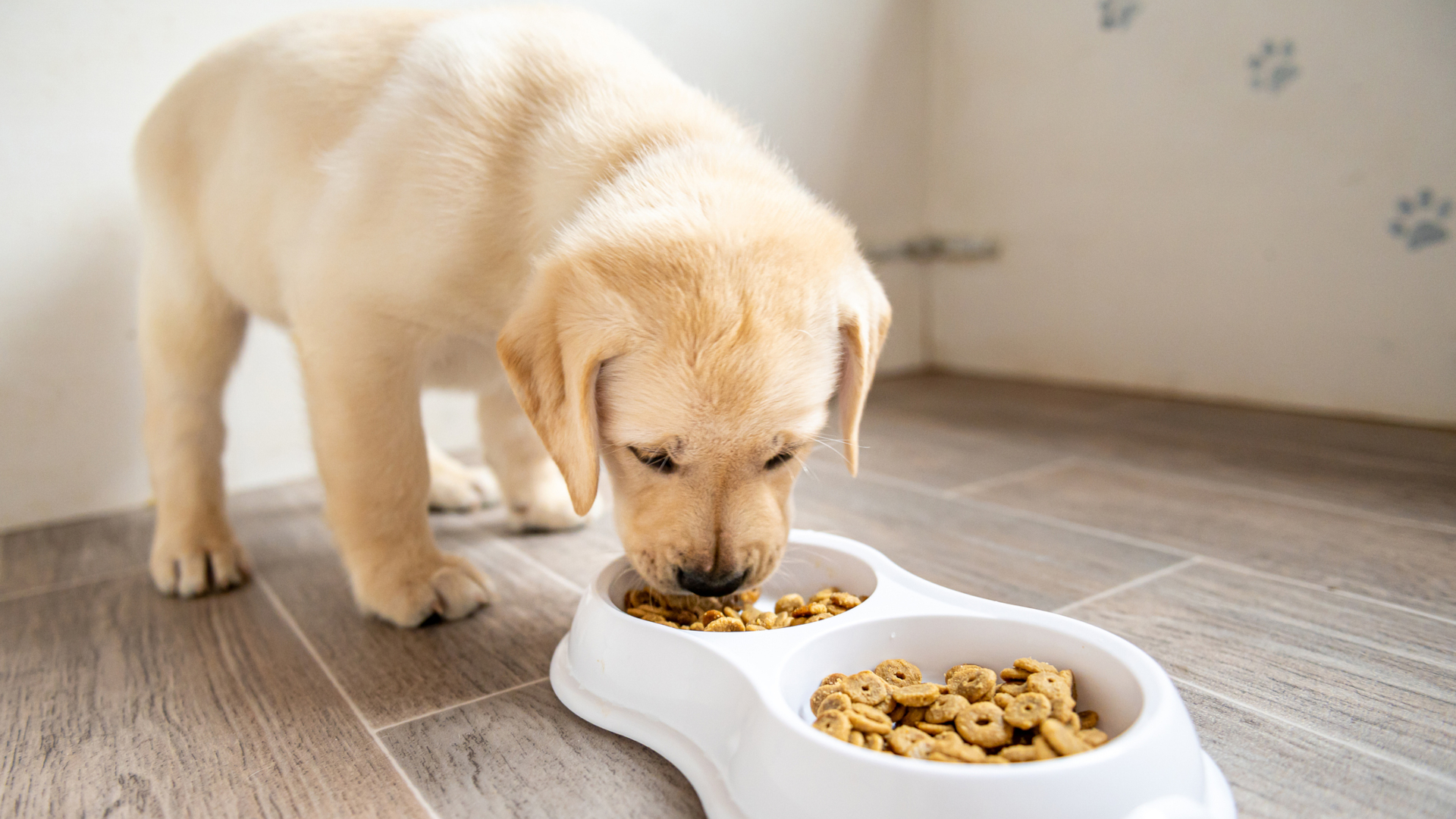
Credit: www.petsradar.com
Immediate Actions To Take
If your puppy eats adult dog food, you should act quickly. Adult food has more nutrients that can upset your puppy’s stomach.
Knowing what to do right away helps keep your puppy safe and healthy. Watch your puppy closely and manage their diet carefully.
Monitoring Your Puppy
Check your puppy for signs of discomfort or illness. Look for vomiting, diarrhea, or unusual tiredness. These may mean the food upset their stomach.
Keep an eye on their behavior for at least 24 hours. If you see any serious symptoms, contact your vet right away.
Hydration And Diet Adjustments
Make sure your puppy drinks plenty of water. Hydration helps prevent dehydration if they have diarrhea or vomiting.
Switch back to puppy food as soon as possible. Puppy food has the right nutrients for their growth and digestion.
- Offer small, frequent meals of puppy food
- Avoid giving adult dog food again
- Provide fresh water at all times
Avoiding Further Exposure
Keep adult dog food out of your puppy’s reach. Use sealed containers or high shelves to store it safely.
Train family members and guests to feed your puppy only puppy food. Consistency helps prevent accidents.
- Store adult food in closed containers
- Feed your puppy separately
- Remind others about your puppy’s diet
Safe Transition Between Puppy And Adult Food
Switching your puppy from puppy food to adult dog food is important for their growth. It helps keep them healthy and strong.
Changing food too fast can upset your puppy’s stomach. A safe transition takes time and care.
Timing The Switch
Most puppies switch to adult food between 9 and 12 months old. Small breeds may switch earlier. Large breeds might take longer.
Check with your vet to find the best time for your puppy. Timing depends on size and breed.
Gradual Food Changes
Change your puppy’s food slowly over 7 to 10 days. Start by mixing a small amount of adult food with puppy food.
- Days 1-3: 25% adult food, 75% puppy food
- Days 4-6: 50% adult food, 50% puppy food
- Days 7-9: 75% adult food, 25% puppy food
- Day 10: 100% adult food
This helps your puppy’s stomach adjust without problems like diarrhea or vomiting.
Choosing The Right Food
Pick adult dog food made for your dog’s size and health needs. Look for high-quality ingredients and balanced nutrition.
Some dogs need special diets. Ask your vet if your dog has allergies or health issues.

Credit: www.youtube.com
Tips For Preventing Future Incidents
If your puppy eats adult dog food, it may not get the nutrients it needs. Puppies require special food for growth and energy. Here are some tips to prevent this from happening again.
Proper Storage Of Dog Food
Keep adult dog food out of your puppy’s reach. Use airtight containers to store dog food. This keeps the smell contained and makes it harder for puppies to access.
Store food in a high cupboard or locked pantry. This will prevent your puppy from getting into it.
- Use heavy-duty containers
- Secure lids tightly
- Label containers clearly
Training And Supervision
Teach your puppy to stay away from adult dog food. Training can help your puppy learn boundaries and rules.
Supervise your puppy during feeding times. Make sure it eats only its own food.
- Reward good behavior with treats
- Use commands like “leave it”
- Be consistent with training
Educating Family Members
Ensure all family members know the importance of feeding the right food. Explain why puppies need special food for their health.
Ask everyone to help monitor the puppy. This will reduce the risk of accidents.
- Share feeding schedules with family
- Discuss the puppy’s dietary needs
- Encourage teamwork in supervision
Credit: www.purina.com
Frequently Asked Questions
Can Puppies Eat Adult Dog Food Safely?
Puppies can eat adult dog food occasionally, but it lacks essential nutrients for growth. Frequent feeding of adult food may cause nutritional imbalances and affect development. It’s best to provide puppy-specific food to support their health and proper growth during early stages.
What Happens If A Puppy Eats Adult Dog Food Daily?
Daily consumption of adult dog food by puppies can lead to nutrient deficiencies. Adult formulas don’t meet puppies’ high energy and protein needs. This may result in poor growth, weaker immunity, and digestive issues. Always consult a vet for proper diet recommendations.
How To Transition My Puppy From Adult To Puppy Food?
Gradually mix puppy food with adult food over 7-10 days to ease transition. Increase puppy food amount daily while decreasing adult food. This helps avoid digestive upset and ensures your puppy adapts well to the new diet.
Can Adult Dog Food Cause Digestive Issues In Puppies?
Yes, adult dog food can cause digestive problems in puppies. It may be harder to digest and lack necessary fiber and nutrients. This can lead to diarrhea, constipation, or upset stomach. Stick to puppy food for optimal digestion and health.
Conclusion
Puppies need special food for their growth and health. Adult dog food lacks some nutrients puppies require. Eating adult food once might not cause harm. Watch your puppy closely for any problems. Always choose food designed for puppies. Consult your vet if unsure or if problems arise.
Good nutrition sets the path for a strong, happy dog. Keep your puppy’s diet balanced and appropriate. Healthy eating helps them grow well every day. Simple care makes a big difference in your puppy’s life.

Emily Barker is the founder of ChillDogLife.com, a space dedicated to helping pup parents discover the best dog products, lifestyle tips, and cozy ideas for happier homes.
A lifelong dog lover, Emily combines her passion for pets with a knack for research to share trusted recommendations on everything from toys and furniture to health and everyday care.
Her goal is simple: to make life easier, stylish, and more joyful for dogs and the people who love them.




