
Are you wondering why your puppy’s food looks so different from the food you buy for your adult dog? You might think all dog food is the same, but that’s far from true.
What you feed your furry friend at different life stages can make a huge difference in their health and happiness. Understanding the key differences between puppy and adult dog food can help you give your pet the right nutrition exactly when they need it most.
Keep reading, and you’ll discover simple yet important facts that can improve your dog’s life from their first bite to their golden years.
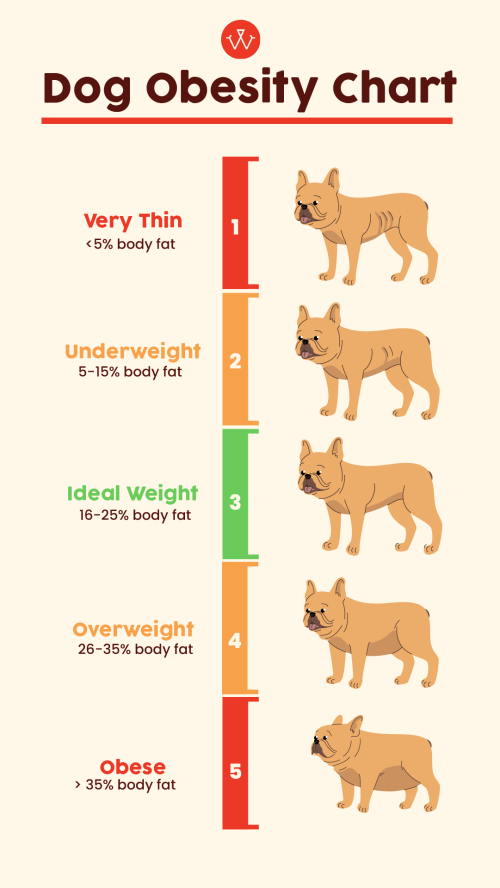
Credit: wefeedraw.com
Nutritional Needs
Puppies and adult dogs need different nutrients to stay healthy. Their bodies grow and change, so their food must match their needs.
Understanding the differences helps you choose the right food. This keeps your dog strong and active at every life stage.
Energy Requirements
Puppies need more energy than adult dogs. They use this energy to grow and play. Adult dogs need energy mainly for daily activity and maintenance.
Because puppies burn energy faster, their food has more calories. Adult dog food has fewer calories to prevent weight gain.
Protein Content
Protein helps build muscles and repair tissues. Puppies need higher protein levels to support fast growth. Adult dogs require moderate protein for muscle maintenance.
- Puppy food has 22% to 32% protein.
- Adult dog food has 18% to 25% protein.
- Protein quality is important for both puppies and adults.
Vitamin And Mineral Differences
| Vitamin/Mineral | Puppy Needs | Adult Dog Needs |
| Calcium | Higher for bone growth | Lower to prevent excess |
| Vitamin A | Supports vision and growth | Supports skin and immune health |
| Iron | Needed for blood development | Needed for oxygen transport |
| Phosphorus | High for bone and teeth | Moderate for maintenance |

Credit: m.youtube.com
Ingredient Variations
Puppy and adult dog foods have different ingredients. These changes meet their unique health needs. Puppies need more nutrients for growth.
Adult dogs need ingredients that support maintenance and energy. Let’s look at key ingredient differences.
Essential Fatty Acids
Puppy food has higher levels of fatty acids like DHA. DHA helps brain and eye development. Adult dog food contains fatty acids for skin and coat health.
- Puppy food: More DHA and EPA for growth
- Adult food: Balanced omega-3 and omega-6 for maintenance
- Fat content is usually higher in puppy food
Carbohydrate Sources
Carbohydrates give dogs energy. Puppies need more carbs for active growth. Adult dogs require moderate carbs to keep a healthy weight.
| Type | Puppy Food | Adult Dog Food |
|---|---|---|
| Grains | Rice, oats for easy digestion | Whole grains for steady energy |
| Vegetables | Carrots and peas for vitamins | Fiber-rich vegetables for digestion |
| Starches | Higher starch for energy | Lower starch to prevent weight gain |
Additives And Supplements
Supplements vary between puppy and adult foods. Puppies need extra vitamins and minerals to support bones and immune systems. Adults get additives for joint health and longevity.
- Puppy food often has added calcium and phosphorus
- Probiotics help puppies develop healthy digestion
- Adult food includes glucosamine and chondroitin for joints
- Antioxidants support the adult dog’s immune system
Digestibility And Texture
Puppy and adult dog foods differ in how easy they are to digest. Puppies need food that their bodies can break down quickly. Texture also plays a big role in their eating experience.
Adult dogs have different needs. Their food is made to match their slower digestion and stronger jaws. Understanding these differences helps you pick the right food for your dog’s age.
Kibble Size And Shape
Puppy kibble is usually smaller and softer. It fits their small mouths and sensitive teeth. Adult dog kibble is bigger and harder to help keep teeth clean.
- Puppy kibble is small and easy to chew.
- Adult kibble is larger and firmer.
- Different shapes help dogs chew better.
- Size matches the dog’s mouth and jaw strength.
Digestive Enzymes
Puppy food contains extra digestive enzymes. These help puppies absorb nutrients better because their digestion is not fully developed. Adult dog food has fewer enzymes since their digestion is mature.
| Food Type | Digestive Enzymes |
| Puppy Food | High amount for easy digestion |
| Adult Dog Food | Lower amount, digestion is mature |
Moisture Levels
Puppy food often has more moisture to make eating easier. Soft textures help puppies chew and swallow. Adult dog food is usually drier and crunchier to support dental health.
Moisture levels affect texture and digestibility:
- Puppy Food:Higher moisture, softer texture
- Adult Food:Lower moisture, crunchier kibble
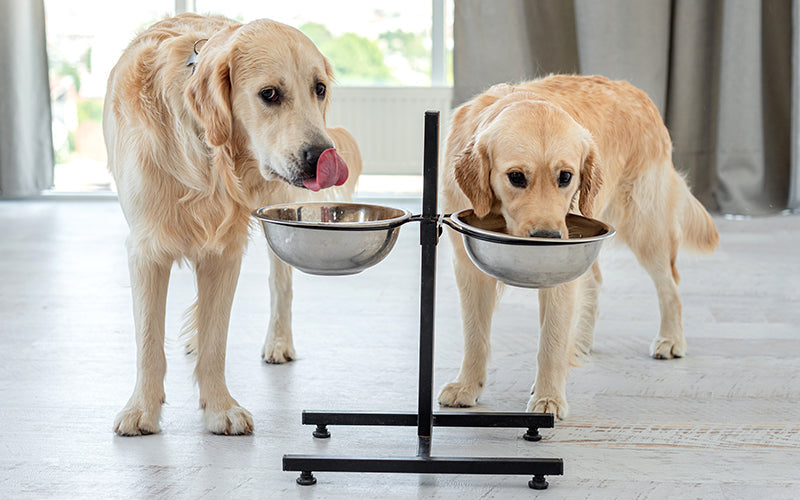
Credit: blepworld.com
Feeding Frequency And Portions
Feeding puppies and adult dogs requires different schedules and portion sizes. Puppies need more frequent meals to support their fast growth. Adult dogs eat less often but need well-controlled portions to stay healthy.
Understanding the right feeding frequency and portions helps keep your dog energetic and prevents weight problems. Let’s look at how to feed puppies and adult dogs properly.
Meal Frequency For Puppies
Puppies eat more often than adult dogs. Their small stomachs need frequent meals to get enough nutrients. Feeding them regularly supports their growth and energy needs.
Most puppies should eat three to four meals daily. This helps keep their blood sugar steady and prevents hunger.
- Up to 3 months old: four meals per day
- 3 to 6 months old: three meals per day
- 6 months to 1 year: two to three meals per day
Adult Dog Feeding Schedule
Adult dogs eat less often than puppies. Most adult dogs do well with two meals per day. This schedule helps keep their metabolism balanced and prevents overeating.
Some adult dogs may only need one meal a day, but two meals are generally better for digestion and energy.
- Feed twice a day: morning and evening
- Keep feeding times consistent every day
- Adjust frequency if your vet suggests it
Portion Control Tips
Portion size is important to avoid weight problems. Both puppies and adult dogs need the right amount of food for their size and activity level.
Use measuring cups or a kitchen scale to give exact portions. Follow feeding guidelines on the dog food package or your vet’s advice.
- Feed puppies smaller portions more often
- Feed adult dogs measured portions twice daily
- Watch your dog’s weight and adjust portions if needed
- Don’t leave food out all day for free feeding
Health Benefits
Puppy food and adult dog food have different health benefits. Each type supports the dog’s needs at its life stage.
Choosing the right food helps dogs stay healthy and active for longer.
Growth Support For Puppies
Puppy food contains more nutrients to help bones and muscles grow strong. It has extra protein and fat for energy.
Vitamins and minerals in puppy food support brain and immune system development.
- High protein for muscle growth
- Extra fat for energy
- Calcium and phosphorus for bones
- Vitamins to boost immunity
Maintaining Adult Health
Adult dog food has balanced nutrients to keep dogs healthy without adding extra weight. It supports strong muscles and a healthy coat.
The right mix of nutrients helps adult dogs stay active and reduces the risk of diseases.
- Moderate protein for muscle maintenance
- Essential fats for skin and coat
- Antioxidants for immune support
- Fiber for digestion
Weight Management
Adult dog food often has fewer calories to prevent weight gain. Proper weight helps avoid joint problems and other health issues.
Foods with the right fiber and nutrients help dogs feel full and stay fit.
- Lower calorie content
- High fiber for fullness
- Balanced nutrients to maintain weight
- Supports healthy metabolism
Common Myths
Many myths exist about the differences between puppy and adult dog food. These myths can lead to confusion for pet owners.
Understanding the truth can help make better choices for your dog’s nutrition and health.
Switching Food Early
Some believe that switching a puppy to adult food early is beneficial. This is not true. Puppies need specific nutrients for growth.
Mixing Puppy And Adult Food
Mixing puppy and adult food is a common practice. Some think it balances nutrients. This can cause digestive issues instead.
- Stomach upset
- Nutrient imbalance
- Unnecessary calories
Cost Vs Quality
Many believe that more expensive dog food always means better quality. This is a myth. Price does not always equal quality.
| Brand | Quality | Price |
| Brand A | High | Medium |
| Brand B | Medium | High |
| Brand C | Low | Low |
Frequently Asked Questions
What Are The Main Differences Between Puppy And Adult Dog Food?
Puppy food contains higher protein, fat, and calories to support growth. Adult dog food focuses on maintenance with balanced nutrients for energy and health.
Why Is Puppy Food Higher In Calories Than Adult Dog Food?
Puppies need more calories to fuel rapid growth and development. Adult dogs require fewer calories to maintain weight and avoid obesity.
Can I Feed Adult Dog Food To A Puppy?
Adult dog food lacks essential nutrients puppies need for proper growth. Feeding it may lead to nutrient deficiencies and stunted development.
When Should I Switch From Puppy To Adult Dog Food?
Switch to adult food around 12 months for small breeds, 18-24 months for large breeds. This supports mature nutritional needs without overfeeding.
Conclusion
Puppy food and adult dog food serve different needs. Puppies need more nutrients to grow strong. Adult dogs require balanced food to stay healthy. Feeding the right food helps dogs thrive. Choose food based on your dog’s age and health.
This keeps them happy and active. Remember, good nutrition supports a long life. Always check labels and ingredients carefully. Your dog deserves the best care every day. Simple changes make a big difference in their health.

Emily Barker is the founder of ChillDogLife.com, a space dedicated to helping pup parents discover the best dog products, lifestyle tips, and cozy ideas for happier homes.
A lifelong dog lover, Emily combines her passion for pets with a knack for research to share trusted recommendations on everything from toys and furniture to health and everyday care.
Her goal is simple: to make life easier, stylish, and more joyful for dogs and the people who love them.




