Knowing exactly when to switch your furry friend to adult dog food can feel confusing. You want to give your dog the best nutrition, but making the change too early or too late might affect their health.
If you’re wondering how to spot the right moment to transition, you’re in the right place. This guide will help you understand the signs your dog is ready and why timing matters so much. Keep reading to make sure your dog stays happy, healthy, and full of energy every step of the way.
Signs Your Puppy Is Ready
Feeding your puppy adult dog food is an important step. It helps meet their changing nutrition needs. Knowing when to switch can keep your dog healthy.
Watch for clear signs that your puppy is ready. These signs include age, behavior, and growth patterns. Each puppy grows at its own pace.
Age Milestones To Watch
Puppies typically start to transition around certain ages. Most breeds need adult food between 9 and 12 months. Smaller breeds may switch earlier.
Large and giant breeds might take longer. They can stay on puppy food for up to 18 months. Check your vet’s advice for your dog’s breed.
- Small breeds: 9-12 months
- Medium breeds: 12 months
- Large breeds: 12-18 months
Behavioral Changes
Your puppy’s behavior shows readiness for adult food. They may eat less often but more at each meal. This change means their energy needs are shifting.
Watch for signs of less hyperactivity after meals. Puppies slow down as they grow. This means their metabolism is adjusting to adult food.
- Eating larger meals less often
- Less hyperactivity after eating
- More calm and steady energy levels
Growth And Weight Indicators
Growth rate changes as your puppy matures. Weight gain slows and muscle tone improves. If your puppy looks full-grown, it may be time to switch.
Check your puppy’s body shape. Ribs should be easy to feel but not seen. A healthy weight means your puppy is ready for adult food.
- Slower, steady weight gain
- Muscle development increasing
- Body shape matches adult dog
Factors Influencing Transition Time
Knowing when to switch your dog to adult food depends on several factors. These factors help ensure your dog stays healthy and gets proper nutrition.
Each dog grows and develops differently. This means the right time to change food varies from one dog to another.
Breed Size And Growth Rate
Small breed dogs grow faster and reach adulthood sooner. Large breed dogs take longer to mature.
Switch small dogs to adult food around 9 to 12 months old. Large dogs may need puppy food until 12 to 24 months.
- Small breeds: transition at 9-12 months
- Medium breeds: transition around 12 months
- Large breeds: transition at 12-24 months
Nutritional Needs
Puppy food contains more calories and nutrients to support growth. Adult dogs need less energy but balanced nutrition.
Feeding adult food too early can cause nutrient gaps. Feeding puppy food too long can lead to weight gain.
- Puppies need higher protein and fat
- Adults need balanced proteins and fats
- Adjust diet based on activity level and health
Veterinary Recommendations
Your vet knows your dog’s health and growth. They can guide the best time to switch foods.
Regular check-ups help track growth and nutrition needs. Vets may suggest special diets for some dogs.
- Ask your vet about breed-specific needs
- Follow vet advice for health conditions
- Monitor your dog’s weight and energy
Choosing The Right Adult Dog Food
Transitioning your dog to adult food is an important step. It helps meet their changing nutritional needs as they grow.
Selecting the right adult dog food supports their health and energy. It keeps them strong and active through adulthood.
Key Nutrients To Consider
Adult dogs need balanced nutrients for good health. Look for protein, fat, fiber, vitamins, and minerals in their food.
- Protein:Helps build and repair muscles.
- Fat:Provides energy and keeps skin healthy.
- Fiber:Aids digestion and keeps bowels regular.
- Vitamins and minerals:Support immune system and overall health.
Types Of Adult Dog Food
Adult dog food comes in many forms. Dry kibble, wet canned food, and raw or homemade diets are common choices.
- Dry kibble:Easy to store and helps clean teeth.
- Wet canned food:Contains more moisture and is tasty.
- Raw or homemade food:Made from fresh ingredients but needs careful preparation.
Reading Ingredient Labels
Check ingredient labels to know what is in the food. The first few ingredients are the most important.
A good adult dog food should list real meat or meat meal as the first ingredient. Avoid foods with too many fillers.
- Avoid too many artificial colors or preservatives
- Look for named protein sources like chicken or beef
- Whole grains or vegetables add extra nutrients
- Watch for fillers like corn or wheat if your dog is sensitive
Credit: pet-supermarket.co.uk
How To Transition Smoothly
Changing your dog’s food from puppy to adult dog food is important for their health. You need to do it carefully to avoid stomach problems.
This guide will help you make the change easy and safe for your dog. Follow these tips to keep your dog happy and healthy.
Gradual Food Mixing
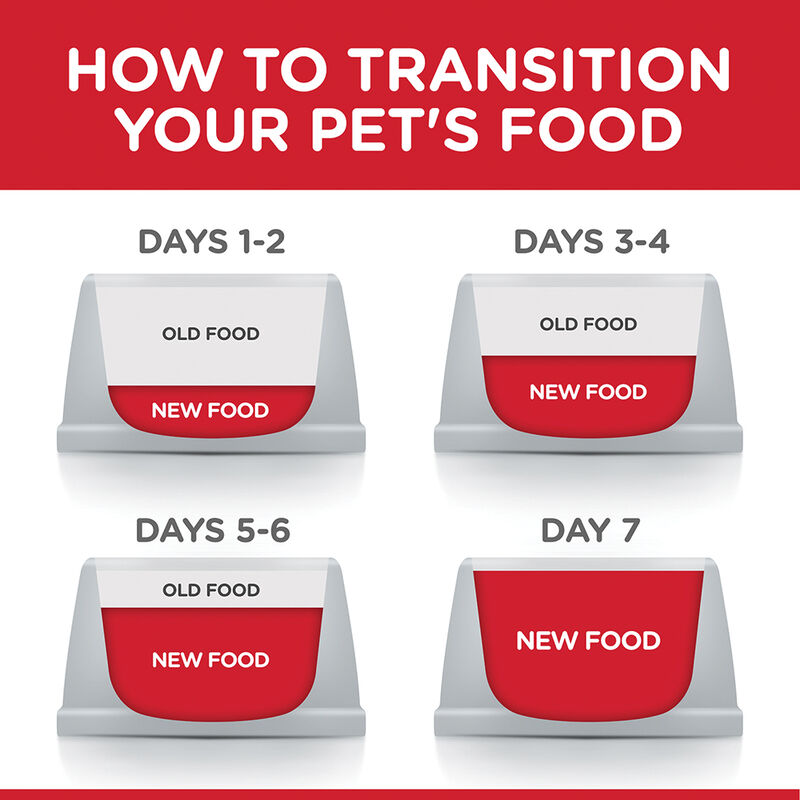
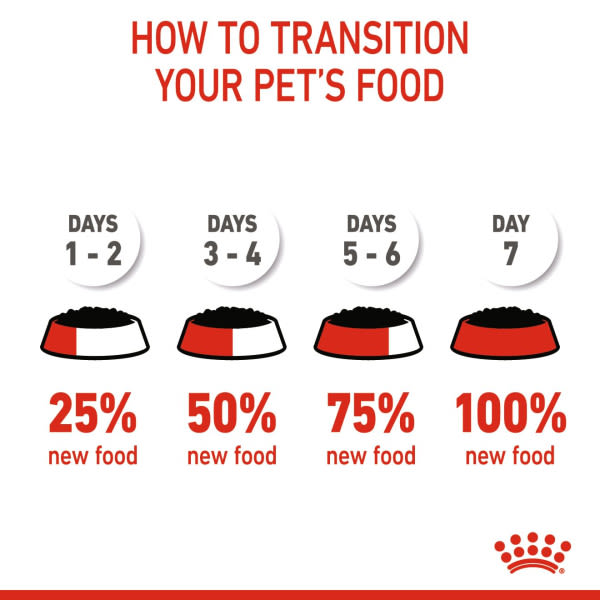
Start by mixing a small amount of adult food with your dog’s current puppy food. Slowly increase the adult food amount over 7 to 10 days.
This slow change helps your dog’s stomach adjust without causing upset or refusal to eat.
- Day 1-3: 25% adult food, 75% puppy food
- Day 4-6: 50% adult food, 50% puppy food
- Day 7-9: 75% adult food, 25% puppy food
- Day 10: 100% adult food
Monitoring For Digestive Issues
Watch your dog’s stool and energy levels during the transition. Changes in poop or behavior may mean their stomach is upset.
If your dog shows diarrhea, vomiting, or loss of appetite, slow down the transition or consult a vet.
- Check for soft or runny stool
- Look for vomiting or nausea signs
- Note any changes in energy or mood
- Contact a vet if problems last more than two days
Adjusting Portions And Frequency
Adult dogs need different food amounts and meal times than puppies. Adjust portions based on your dog’s size and activity.
Feed smaller meals more often if your dog is active. Reduce portions if your dog gains weight or slows down.
- Follow feeding guidelines on the adult food package
- Divide daily food into two or three meals
- Watch your dog’s weight weekly
- Change portions to keep your dog fit and healthy
Common Mistakes To Avoid
Changing your dog’s food to adult dog food is an important step. Doing it wrong can hurt your dog’s health.
Learn about common mistakes so you can make the change safely and smoothly.
Switching Too Early Or Late
Switching to adult dog food too early can miss important nutrients for growth. Switching too late can cause weight gain.
Timing depends on your dog’s breed and size. Small breeds grow faster than large breeds.
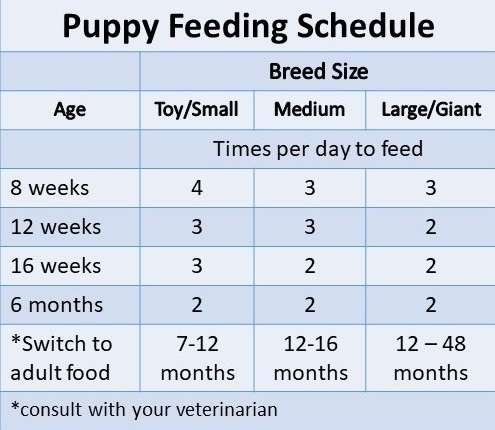
- Small breeds: switch at about 9-12 months
- Large breeds: switch at 12-24 months
- Ask your vet if unsure when to switch
Ignoring Individual Needs
Each dog is different. Some need more calories or special nutrients. Ignore these needs, and your dog may suffer.
Watch your dog’s energy, weight, and health. Adjust food choices if needed. Consult your vet for advice.
Overfeeding During Transition
Giving too much food during the change can cause weight gain and upset stomachs. Follow feeding guidelines carefully.
Mix old and new food slowly over 7-10 days to help your dog adjust without problems.
- Start with 25% new food and 75% old food
- Increase new food by 25% every few days
- Watch for tummy issues and adjust if needed
Credit: www.sanmiguelpetcare.com
Signs Adult Food Is Working
Transitioning your dog to adult food is an important step. Knowing the signs that adult food is working can help you make sure your pet is thriving.
Watch for changes in their coat, energy, and weight. These are key indicators that the switch to adult dog food is successful.
Healthy Coat And Skin
A healthy coat and skin are clear signs of good nutrition. Adult dog food should provide essential nutrients for shiny fur and hydrated skin.
- Fur looks shiny and feels soft
- Skin appears clear without redness
- Less shedding than usual
Stable Energy Levels
Stable energy levels mean your dog can play and rest properly. Adult food should offer balanced energy to support their daily activities.
Consistent Weight Maintenance
Maintaining a consistent weight is crucial for your dog’s health. Adult dog food should help your pet keep a healthy weight.
| Weight Check | Frequency |
| Initial Adjustment | Weekly |
| Stable Phase | Monthly |
| Veterinarian Visit | Twice a Year |
Credit: www.vetsupply.com.au
Frequently Asked Questions
When Should I Switch My Puppy To Adult Dog Food?
Most dogs transition to adult food between 12 to 18 months. Large breeds may need longer. Consult your vet for breed-specific advice.
What Are Signs My Dog Needs Adult Food?
Signs include slowed growth, decreased energy, and changes in appetite. Also, watch for weight stabilization indicating maturity.
Can Switching Too Early Harm My Dog?
Yes, early switching can cause nutrient imbalances. Puppies need more calories and nutrients for growth. Always follow vet guidance.
How To Choose The Right Adult Dog Food?
Look for balanced nutrition, appropriate protein levels, and ingredients suitable for your dog’s size and breed. Vet recommendations help.
Conclusion
Choosing the right time to switch to adult dog food helps your pet stay healthy. Watch your dog’s growth and energy levels closely. Most dogs need adult food around one year old. Small breeds may need it sooner, large breeds later.
Gradually change food over a week to avoid stomach upset. Proper nutrition supports a happy, active life for your dog. Always check with your vet for the best advice. Your dog deserves the best care at every stage. Easy steps make the transition smooth and stress-free.

Emily Barker is the founder of ChillDogLife.com, a space dedicated to helping pup parents discover the best dog products, lifestyle tips, and cozy ideas for happier homes.
A lifelong dog lover, Emily combines her passion for pets with a knack for research to share trusted recommendations on everything from toys and furniture to health and everyday care.
Her goal is simple: to make life easier, stylish, and more joyful for dogs and the people who love them.




