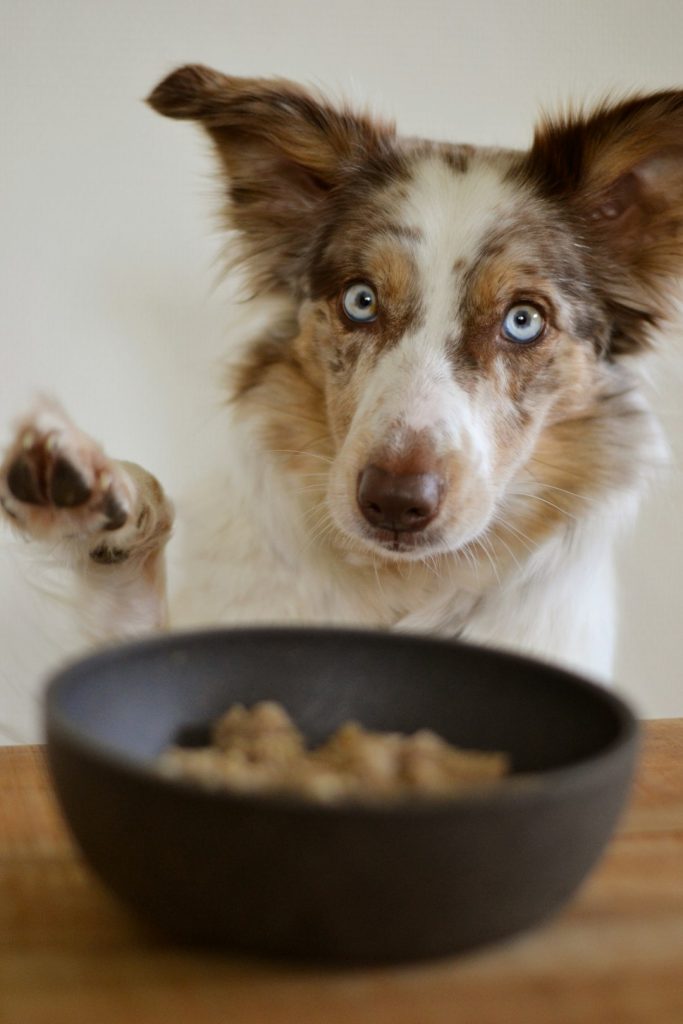
Are you wondering if it’s safe for your adult dog to eat puppy food? You want the best for your furry friend, and feeding them the right food is a big part of that.
But sometimes, you might find yourself asking: Can adult dogs eat puppy food without any problems? This question matters because what you feed your dog affects their health, energy, and happiness every day. Keep reading to discover the truth about puppy food for adult dogs and learn what’s really best for your loyal companion.
Differences Between Puppy And Adult Dog Food
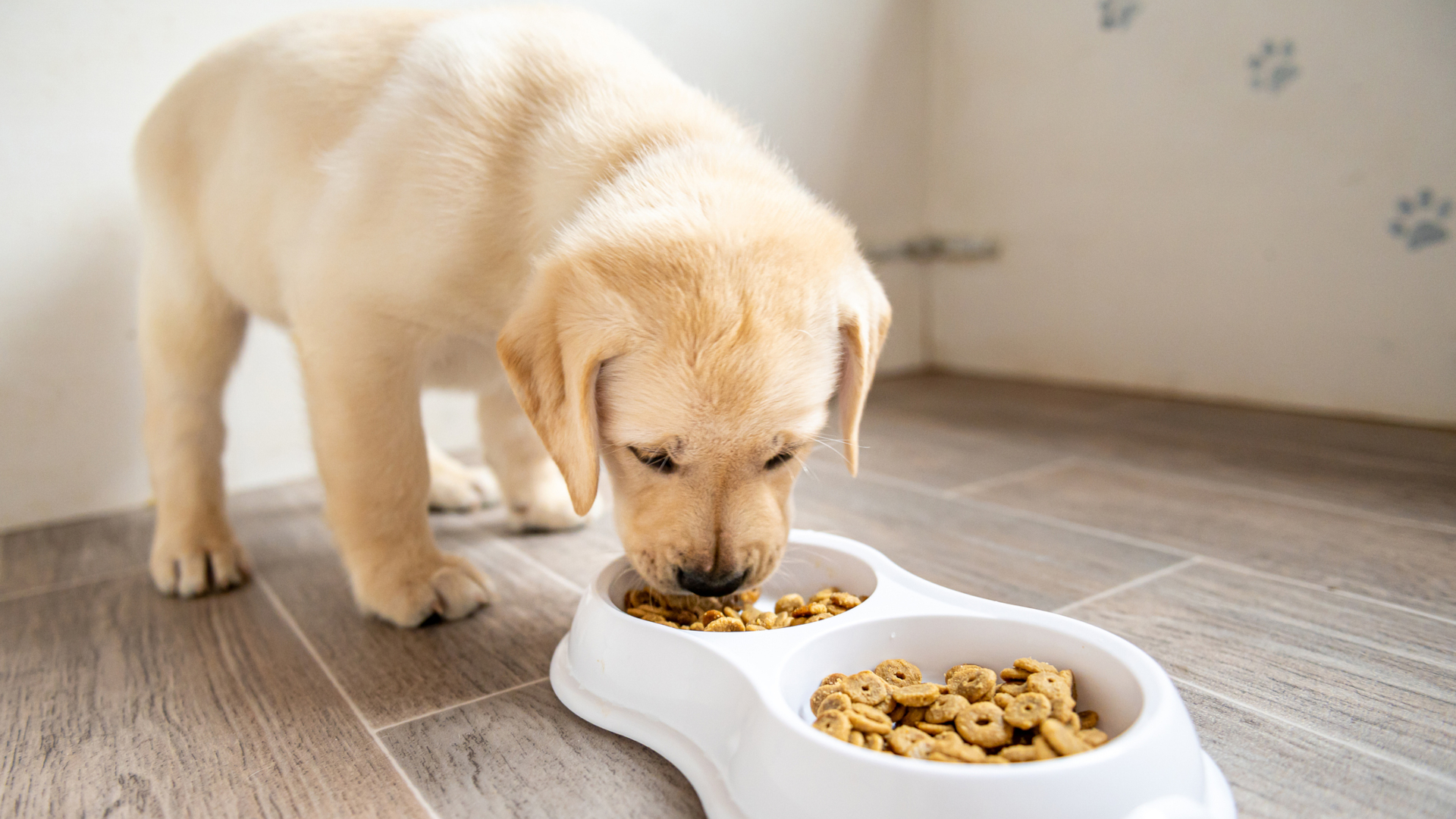
Puppy food and adult dog food serve different purposes. Each type meets the specific needs of dogs at different life stages.
Understanding these differences helps you choose the right food for your dog’s health and growth.
Nutritional Needs Of Puppies
Puppies need more calories and nutrients to support rapid growth. Their food has higher protein and fat levels than adult dog food.
- Higher protein to build muscles
- More fat for energy
- Added vitamins and minerals for bone growth
- Essential fatty acids for brain development
Nutritional Needs Of Adult Dogs
Adult dogs need a balanced diet to maintain their weight and health. Their food has fewer calories and fat than puppy food.
It focuses on sustaining energy and supporting organs without encouraging weight gain.
Key Ingredient Variations
| Ingredient | Puppy Food | Adult Dog Food |
|---|---|---|
| Protein | High (22-32%) | Moderate (18-25%) |
| Fat | Higher (8-20%) | Lower (5-15%) |
| Calcium | Increased for bone growth | Standard levels |
| Calories | More per serving | Less per serving |
Credit: www.petsradar.com
Potential Risks Of Feeding Puppy Food To Adults
Adult dogs have different nutritional needs than puppies. Puppy food is made to support growth and energy for young dogs.
Feeding adult dogs puppy food can cause health problems. It is important to understand the risks before making this choice.
Excess Calories And Weight Gain
Puppy food contains more calories than adult dog food. This helps puppies grow but can be too much for adult dogs.
Adult dogs eating puppy food may gain weight quickly. Extra weight can cause joint pain and other health issues.
- High calorie content leads to fat gain
- Excess weight puts stress on bones and joints
- Obesity increases risk of heart disease
Digestive Issues
Puppy food has more protein and fat than adult food. Adult dogs may find this hard to digest.
Feeding puppy food to adults can cause upset stomachs. Dogs may have diarrhea or vomiting.
- Higher fat can cause stomach discomfort
- Protein levels may upset sensitive digestion
- Changes in food can lead to diarrhea
Long-term Health Effects
Long-term feeding of puppy food can harm adult dogs. Imbalanced nutrients may affect their overall health.
Too many nutrients like calcium can cause bone problems. Other health issues may develop over time.
- Excess calcium can harm adult dog bones
- Imbalanced nutrients affect organ health
- Risk of developing chronic diseases increases
Situations Where Puppy Food May Be Suitable
Adult dogs usually eat food made for their age group. Puppy food has more nutrients and calories. Sometimes, adult dogs might need puppy food for certain reasons.
Knowing when puppy food is right can help keep your dog healthy. The following sections explain some situations to consider.
Dogs With High Energy Needs
Some adult dogs burn a lot of energy each day. Working dogs, hunting dogs, and very active pets need more calories. Puppy food has extra fat and protein. This helps them stay strong and healthy.
- Dogs that run or work for hours daily
- Active dogs that play a lot
- Dogs with fast metabolisms
Recovery And Growth Phases
Adult dogs may need puppy food during healing or growth times. This food gives more nutrients to help repair the body. It supports stronger bones and muscles.
| Condition | Why Puppy Food Helps |
|---|---|
| Recovering from surgery | Extra calories for energy and healing |
| Recovering from illness | More protein to rebuild tissues |
| Older dogs growing muscle | Supports muscle strength and bone health |
Veterinarian Recommendations
Sometimes vets suggest feeding puppy food to adult dogs. This advice depends on the dog’s health and needs. Follow your vet’s guidance for best results.
Reasons a vet may recommend puppy food:
- Weight gain for underweight dogs
- Supporting immune system strength
- Improving coat and skin health
Choosing The Right Food For Your Adult Dog
Choosing the right food for your adult dog is important. Their nutrition needs change as they grow older.
Feeding puppy food to an adult dog is not always best. It depends on many factors like activity and health.
Assessing Your Dog’s Lifestyle
Look at how active your dog is each day. Dogs with high energy need more calories and nutrients.
Older or less active dogs need food with fewer calories. This helps keep them at a healthy weight.
- Active dogs may need more protein and fat
- Less active dogs need fewer calories
- Consider your dog’s age and health status
Reading Food Labels
Food labels show what is inside the dog food. Check the ingredients and nutrient amounts carefully.
Look for foods labeled for adult dogs. These foods have the right balance of nutrients for grown dogs.
- Check protein and fat levels
- Look for essential vitamins and minerals
- Avoid foods with too many fillers or artificial additives
Consulting With Professionals
Talk with your vet about your dog’s diet. They can recommend the best food type based on health and age.
Nutrition experts can help if your dog has special needs. They may suggest special diets or supplements.
- Ask about switching from puppy to adult food
- Discuss any health issues or allergies
- Follow professional advice for best results
Transitioning Between Puppy And Adult Food
Switching your dog from puppy food to adult food is an important step. It helps meet your dog’s changing nutritional needs as they grow.
Doing this transition properly keeps your dog healthy and happy. You need to watch for signs that your dog is ready.
Signs Your Dog Is Ready
Your dog shows signs of growing out of puppy food between 9 and 12 months. Larger breeds may need more time.
Look for changes in energy, size, and appetite. These help you know if adult food is right now.
- Your dog reaches adult size or weight
- Energy levels become steady, not hyper
- Appetite is consistent and not excessive
- Vet confirms your dog’s growth stage
Step-by-step Switching Process
Change your dog’s food slowly to avoid stomach upset. Mix adult food with puppy food over time.
Increase the amount of adult food each day until you feed only adult food. This process usually takes one to two weeks.
- Day 1-3: 25% adult food, 75% puppy food
- Day 4-7: 50% adult food, 50% puppy food
- Day 8-10: 75% adult food, 25% puppy food
- Day 11+: 100% adult food
Monitoring Health During Transition
Watch your dog’s health closely while changing food. Check for signs of upset stomach or allergies.
If your dog shows vomiting, diarrhea, or loss of appetite, slow the transition. Talk to your vet if problems continue.
- Keep an eye on stool consistency and frequency
- Observe your dog’s energy and mood
- Note any skin or coat changes
- Contact your vet if you see serious problems
Credit: www.thinkjinx.com
Credit: www.becopets.com
Frequently Asked Questions
Can Adult Dogs Safely Eat Puppy Food?
Yes, adult dogs can eat puppy food occasionally. However, puppy food is richer in calories and nutrients, which may cause weight gain and digestive upset if fed long-term.
What Are The Risks Of Adult Dogs Eating Puppy Food?
Feeding adult dogs puppy food long-term can lead to obesity, nutrient imbalances, and digestive issues. Puppy formulas have higher fat and protein levels than adults need.
When Is It Okay For Adult Dogs To Eat Puppy Food?
Adult dogs may eat puppy food temporarily during growth or recovery. Consult a vet before switching diets to ensure nutritional needs are met safely.
How Does Puppy Food Differ From Adult Dog Food?
Puppy food contains more calories, protein, and fat to support growth. Adult dog food has balanced nutrients for maintenance and weight control.
Conclusion
Adult dogs can eat puppy food occasionally but not always. Puppy food has more calories and nutrients meant for growth. Feeding it long-term may cause weight gain and health problems. Choose food based on your dog’s age and needs. Talk to your vet for the best advice.
A healthy diet keeps your dog happy and strong. Balance matters most. Keep your dog’s diet right for a long, active life.

Emily Barker is the founder of ChillDogLife.com, a space dedicated to helping pup parents discover the best dog products, lifestyle tips, and cozy ideas for happier homes.
A lifelong dog lover, Emily combines her passion for pets with a knack for research to share trusted recommendations on everything from toys and furniture to health and everyday care.
Her goal is simple: to make life easier, stylish, and more joyful for dogs and the people who love them.




