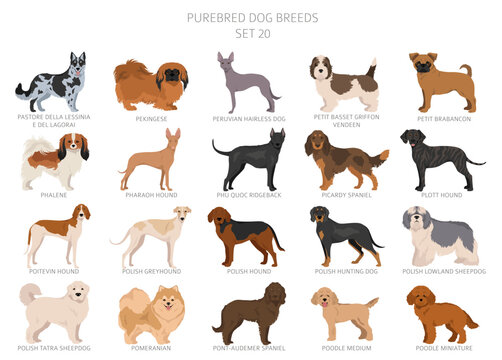
Are you curious about the many types of dogs out there? Whether you’re thinking about getting a furry friend or just love learning about animals, knowing all the dog breeds can be fascinating.
Each breed has its own special traits, looks, and personality. Imagine finding the perfect match that fits your lifestyle and brings joy to your life. You’ll discover a clear and simple guide to every dog breed you need to know.
Get ready to explore the world of dogs like never before!
Popular Dog Groups
Dogs are divided into groups based on their traits and original jobs. Each group has many breeds with unique skills and looks.
Knowing these groups helps you understand what kind of dog might fit your life and preferences.
Sporting Dogs
Sporting dogs are active and love water and fields. They help hunters find and retrieve game. These dogs need lots of exercise and enjoy outdoor activities.
Hound Dogs
Hound dogs use their strong noses or sight to track animals. They are often very fast and have a good sense of smell. Some hounds bark loudly while they hunt.
Working Dogs
Working dogs are strong and smart. They help people with jobs like pulling sleds, guarding, or rescue work. These dogs need training and space to stay happy.
Terriers
Terriers are small but brave dogs. They were bred to hunt and kill pests. Terriers have lots of energy and like to dig and play.
Toy Dogs
Toy dogs are small dogs made mainly for companionship. They are easy to carry and love attention. Many toy dogs have big personalities in small bodies.
Non-sporting Dogs
Non-sporting dogs have many different looks and skills. They do not fit neatly into other groups. This group has a wide range of sizes and coats.
Herding Dogs
Herding dogs help control animals like sheep or cattle. They are smart and quick learners. Herding dogs work closely with people to guide other animals.
- Australian Shepherd
- Border Collie
- German Shepherd
- Belgian Malinois
- Cardigan Welsh Corgi
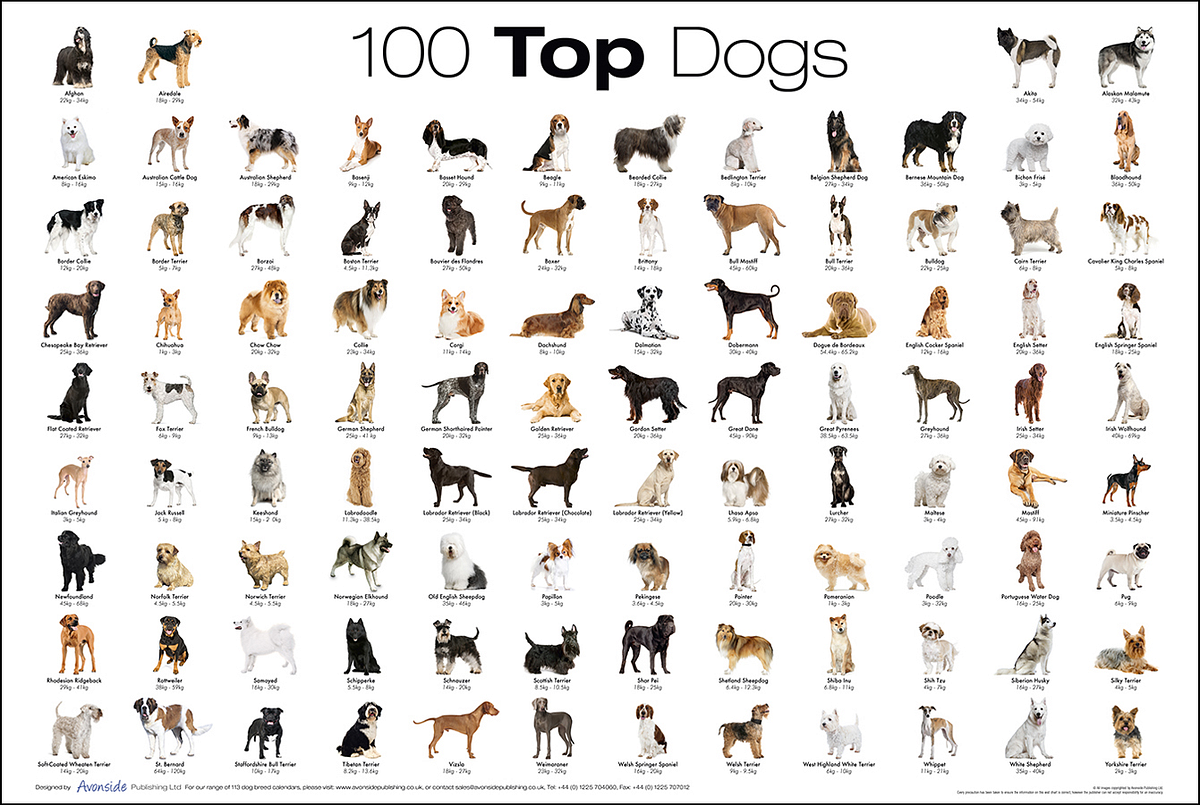
Credit: vm2018chc2.medium.com
Top Breeds By Size
Dogs come in many sizes and shapes. Their size often affects their behavior and care needs.
Knowing the size categories helps you find the right dog for your home and lifestyle.
Small Dog Breeds
Small dog breeds usually weigh under 20 pounds. They fit well in apartments and small spaces.
These dogs are often lively and easy to carry. They need less food but still need exercise.
- Chihuahua
- Pomeranian
- Dachshund
- Yorkshire Terrier
- Maltese
Medium Dog Breeds
Medium dogs usually weigh between 20 and 60 pounds. They suit families with yards or larger homes.
These breeds need regular walks and playtime. They balance energy and calmness well.
- Beagle
- Cocker Spaniel
- Bulldog
- Border Collie
- Australian Shepherd
Large Dog Breeds
Large dogs weigh between 60 and 100 pounds. They need space and lots of exercise.
These breeds are strong and protective. They often do well with active owners.
- Labrador Retriever
- German Shepherd
- Golden Retriever
- Rottweiler
- Siberian Husky
Giant Dog Breeds
Giant breeds weigh over 100 pounds. They need plenty of room and strong care.
These dogs are often calm but need space to move. They can be gentle giants.
- Great Dane
- Saint Bernard
- Newfoundland
- Mastiff
- Irish Wolfhound
Coat Types And Colors
Dogs have many types of coats. Their fur can be short, long, curly, or wiry. Each coat type helps dogs live in different places.
Coat colors also vary a lot. Colors can tell you about the breed and sometimes the dog’s health.
Short-haired Breeds
Short-haired dogs have fur that lies close to their skin. Their coats are easy to clean and keep. These dogs often shed less.
Examples of short-haired breeds include Boxers, Beagles, and Doberman Pinschers. Their fur helps them stay cool in warm weather.
- Boxer
- Beagle
- Doberman Pinscher
- Dalmatian
- French Bulldog
Long-haired Breeds
Long-haired dogs have soft, flowing fur. This coat needs more care to avoid mats and tangles. Their fur keeps them warm in cold weather.
Examples include Afghan Hounds, Shih Tzus, and Collies. These dogs need regular brushing to stay healthy.
- Afghan Hound
- Shih Tzu
- Collie
- Yorkshire Terrier
- Maltese
Curly And Wire-haired Breeds
Curly-haired dogs have tight, springy curls. Wire-haired dogs have rough, bristly fur. Both types protect dogs from dirt and water.
Poodles and Bichon Frises have curly coats. Wire-haired breeds include the Wirehaired Fox Terrier and Schnauzer.
- Poodle (Curly)
- Bichon Frise (Curly)
- Wirehaired Fox Terrier (Wire)
- Schnauzer (Wire)
- Irish Water Spaniel (Curly)
Common Coat Colors
Dog coats come in many colors. Some colors are solid, while others have patterns. Colors can be black, brown, white, and more.
| Color | Description |
|---|---|
| Black | Deep and shiny, common in many breeds |
| Brown | Ranges from light tan to dark chocolate |
| White | Pure and bright, often seen in small breeds |
| Golden | Warm yellow to orange shades |
| Brindle | Striped pattern of dark and light colors |
| Spotted | Dots or patches of color on a lighter coat |
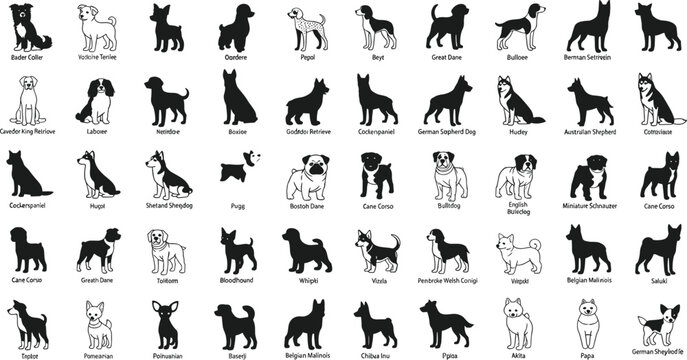
Credit: stock.adobe.com
Temperaments Across Breeds
Dogs have many different temperaments depending on their breed. Some breeds are very friendly and love being with people. Others are more independent and quiet.
Understanding these temperaments helps owners choose the right dog. It also helps in training and caring for the dog properly.
Friendly And Social Breeds
Friendly and social breeds enjoy being around people and other animals. They are often good with children and like to make new friends.
These dogs usually want attention and love to play or cuddle. They are often happy and easy to train.
- Labrador Retriever
- Golden Retriever
- Beagle
- Boxer
- Cavalier King Charles Spaniel
Independent And Reserved Breeds
Independent breeds like to do things on their own. They may not want to be held or cuddled all the time.
These dogs can be quiet and calm. They often watch carefully before joining in play or social time.
- Chow Chow
- Shiba Inu
- Afghan Hound
- Basenji
- Akita
Energetic And Playful Breeds
Energetic breeds have lots of energy and love to run, jump, and play. They need daily exercise to stay happy.
These dogs enjoy games like fetch and often learn tricks quickly. They are great for active families.
- Border Collie
- Jack Russell Terrier
- Australian Shepherd
- Dalmatian
- Siberian Husky
Calm And Laid-back Breeds
Calm breeds like to relax and enjoy quiet time. They are not very demanding and often adapt well to apartment living.
These dogs are gentle and usually get along well with other pets. They enjoy slow walks and lots of rest.
- Bulldog
- Basset Hound
- Great Dane
- Saint Bernard
- Clumber Spaniel
Rare And Unusual Breeds
Dog breeds come in many shapes and sizes. Some breeds are very rare and not well known. These dogs often have special traits and histories.
Rare breeds can be ancient, newly recognized, or local to certain areas. Learning about them helps us appreciate dog diversity.
Ancient And Primitive Breeds
Ancient breeds have existed for hundreds or thousands of years. They often look like dogs from long ago. These breeds have strong survival skills.
Primitive breeds usually have simple features and natural instincts. They were bred to work or live in harsh conditions.
- Basenji – Known as the “barkless dog” from Africa.
- Chow Chow – A fluffy dog with a lion-like mane from China.
- Saluki – A fast hunting dog from the Middle East.
- Norwegian Lundehund – Has extra toes to climb cliffs.
Newly Recognized Breeds
Newly recognized breeds are dogs that recent dog groups officially accept. These breeds may have been around for years but just got official status.
These dogs can have unique traits and often come from mixed or lesser-known backgrounds.
- Lundehund – Officially recognized in many countries only recently.
- Catalburun – A Turkish dog with a split nose.
- Azawakh – A slender hunting dog from West Africa.
- Thai Ridgeback – A rare breed with a ridge of hair on its back.
Regional And Local Breeds
Regional breeds are dogs native to specific areas. They often adapt well to local climates and jobs.
Many of these breeds remain rare outside their home regions. They show how dogs fit into different cultures.
- Canaan Dog – From the Middle East deserts.
- Karelian Bear Dog – A strong hunting dog from Finland.
- Lagotto Romagnolo – A truffle-hunting dog from Italy.
- Catalan Sheepdog – A herding dog from Spain.

Credit: www.amazon.ca
Choosing The Right Breed
With over 340 recognized dog breeds, choosing the right one can be a daunting task. Factors such as lifestyle, living space, and activity level must be considered to ensure a harmonious relationship between you and your new furry friend.
Lifestyle Considerations
Before bringing a dog home, consider your lifestyle and how it may impact your pet’s needs. For instance, if you have a busy schedule, a low-maintenance breed may be the best fit.
- Busy households: Low-maintenance breeds like Bulldogs or Pugs
- Active families: High-energy breeds like Labradors or Australian Shepherds
- Retirees: Gentle breeds like Cavalier King Charles Spaniels or Shih Tzus
Space And Environment
Consider the size of your living space and whether it can accommodate a dog. Some breeds require ample space to run around, while others are content with smaller living areas.
Think about your living situation, including factors such as yard size, noise level, and proximity to parks or walking trails. These elements can significantly impact your dog’s quality of life.
Activity Levels
Dogs have varying energy levels, which should align with your lifestyle. If you’re an avid runner, a high-energy breed may be a great match, while a sedentary lifestyle requires a breed that is content with shorter walks.
- High-energy breeds: Labradors, Australian Shepherds, or Border Collies
- Medium-energy breeds: Cocker Spaniels, Beagles, or French Bulldogs
- Low-energy breeds: Basset Hounds, Shih Tzus, or Pugs
Grooming Needs
Grooming is an essential aspect of dog ownership, and some breeds require more attention than others. Consider your willingness and ability to commit to regular grooming sessions.
Some breeds have thick coats that require regular brushing, while others may be low-maintenance in terms of grooming. Research the specific needs of the breed you’re interested in to ensure you’re prepared.
| Breed | Grooming Needs |
|---|---|
| Bulldog | Low-maintenance |
| Poodle | High-maintenance |
| Labrador | Moderate-maintenance |
Frequently Asked Questions
What Are The Main Categories Of Dog Breeds?
Dog breeds are mainly categorized into groups like working, herding, sporting, hound, terrier, toy, and non-sporting. Each group shares common traits and purposes, such as hunting, guarding, or companionship. This classification helps owners understand breed behavior and care needs.
How Many Dog Breeds Exist Worldwide Today?
There are over 340 recognized dog breeds globally. Different kennel clubs acknowledge varying numbers, but the total reflects diverse sizes, shapes, and temperaments. This wide variety suits various lifestyles and preferences for dog lovers.
What Factors Define A Dog Breed?
A dog breed is defined by consistent physical traits, behavior, and lineage. Breeds share specific size, coat type, and temperament. These characteristics are maintained through selective breeding to preserve breed standards and qualities.
Are Mixed Breed Dogs Included In Dog Breed Lists?
Mixed breed dogs are not classified as distinct breeds. They result from breeding two or more different purebred dogs. While popular as pets, they don’t have official breed recognition or specific breed traits.
Conclusion
Dogs come in many breeds, each with its own traits and charm. Some are small and lively, while others are big and calm. Choosing the right breed depends on your lifestyle and needs. Knowing about different breeds helps you find a good match.
Every dog has a unique personality to enjoy. Whether for play, work, or company, dogs bring joy. Explore breeds to discover which one fits you best. Dogs truly make life better in many ways.

Emily Barker is the founder of ChillDogLife.com, a space dedicated to helping pup parents discover the best dog products, lifestyle tips, and cozy ideas for happier homes.
A lifelong dog lover, Emily combines her passion for pets with a knack for research to share trusted recommendations on everything from toys and furniture to health and everyday care.
Her goal is simple: to make life easier, stylish, and more joyful for dogs and the people who love them.




