
Have you ever wondered just how many breeds of dogs there really are? Whether you’re thinking about adding a furry friend to your family or you’re simply curious, knowing the variety of dog breeds can open up a world of possibilities.
From tiny pups to giant companions, each breed has its own unique traits that could match your lifestyle perfectly. Keep reading, and you’ll discover surprising facts that might just help you find your ideal canine companion.
Dog Breed Categories
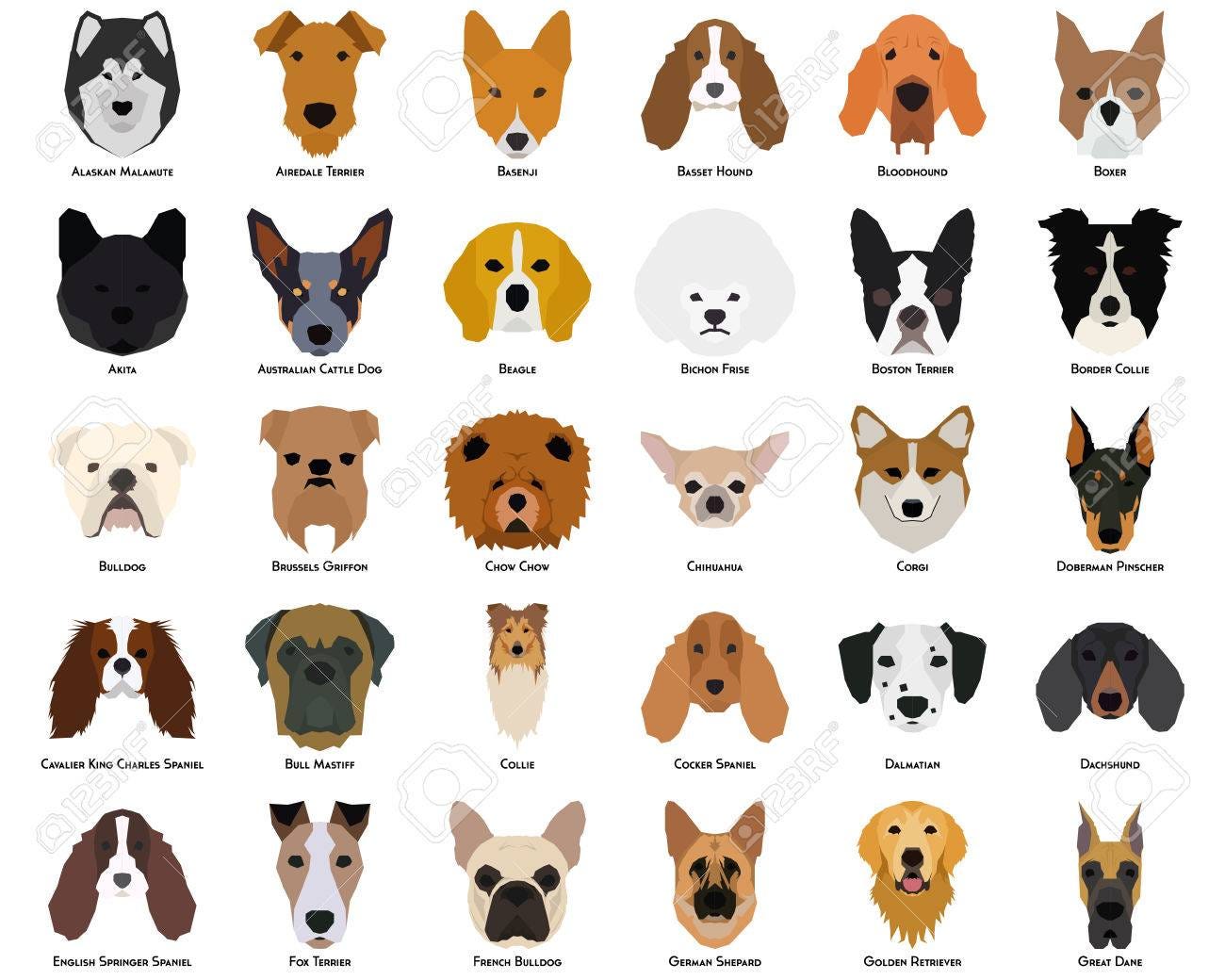
There are many breeds of dogs in the world. These breeds are grouped into categories based on their traits and jobs.
Each category has unique dogs that fit specific roles. Learning about these groups helps you understand dog breeds better.
Sporting Dogs
Sporting dogs are active and like water and field work. They help hunters find and catch game.
These dogs have great stamina and are easy to train. They enjoy exercise and outdoor activities.
- Labrador Retriever
- Golden Retriever
- Spaniels
- Pointers
- Setters
Hound Dogs
Hound dogs have a strong sense of smell or sight. They use these skills to track or chase animals.
They can be very fast or have great endurance. Some hounds hunt by scent, others by sight.
- Beagle
- Dachshund
- Bloodhound
- Greyhound
- Whippet
Working Dogs
Working dogs are strong and smart. They help with jobs like guarding, pulling, or rescue.
These dogs need lots of exercise and training. They are loyal and protect their families well.
- Siberian Husky
- Boxer
- Rottweiler
- Great Dane
- Doberman Pinscher
Terrier Dogs
Terriers are small but brave dogs. They were bred to hunt pests and small animals.
These dogs are energetic and love to dig. They make great watchdogs and pets.
- Jack Russell Terrier
- Scottish Terrier
- West Highland White Terrier
- Staffordshire Bull Terrier
- Fox Terrier
Toy Dogs
Toy dogs are very small. They are bred mainly for companionship and being lap dogs.
These dogs need gentle care and enjoy being close to people. They are perfect for small homes.
- Chihuahua
- Pomeranian
- Pekingese
- Shih Tzu
- Yorkshire Terrier
Non-sporting Dogs
Non-sporting dogs are a mixed group. They vary widely in size, coat, and personality.
This group includes many dogs that do not fit other categories. They can be good family pets or workers.
- Dalmatians
- Bulldogs
- Poodles
- Bichon Frise
- Chow Chow
Herding Dogs
Herding dogs help manage livestock. They are smart and have strong instincts to control animals.
These dogs need mental and physical exercise. They often bond closely with their owners.
- Border Collie
- Australian Shepherd
- German Shepherd
- Welsh Corgi
- Belgian Malinois
Popular Dog Breeds Worldwide
Dogs come in many shapes and sizes. Each breed has unique traits and history. People choose breeds based on their lifestyle and needs.
Understanding popular dog breeds helps in picking the right pet. This guide covers family dogs, guard dogs, and small breeds loved everywhere.
Most Loved Family Dogs
Family dogs are gentle and friendly. They enjoy being with children and other pets. These breeds are known for their loyalty and easy training.
- Labrador Retriever
- Golden Retriever
- Beagle
- Bulldog
- Boxer
Top Guard Dogs
Guard dogs protect homes and families. They are brave and alert. Training is important to manage their strong instincts well.
| Breed | Origin | Guard Skills |
| German Shepherd | Germany | Excellent |
| Rottweiler | Germany | Very Good |
| Doberman Pinscher | Germany | Excellent |
| Bullmastiff | England | Good |
| Belgian Malinois | Belgium | Excellent |
Famous Small Breeds
Small dog breeds are great for apartments. They are lively and easy to carry. Many small breeds have big personalities.
- Chihuahua
- Pomeranian
- Dachshund
- French Bulldog
- Shih Tzu
Rare And Exotic Breeds
There are many dog breeds worldwide, but some are rare and exotic. These breeds often have unusual traits and histories. They attract dog lovers who want something different from common pets.
Rare breeds can be fascinating but also need special care. Learning about their traits and challenges helps owners prepare well for these unique dogs.
Unique Traits Of Rare Breeds
Rare dog breeds often have features that set them apart. These traits may include unusual looks, special abilities, or unique behaviors. Some breeds have thick fur for cold weather, while others have thin coats for heat.
- Distinctive coat colors or patterns
- Rare size variations, from very small to very large
- Special skills like hunting or herding
- Unique vocal sounds or silence
- High intelligence or strong instincts
Challenges In Owning Exotic Dogs
Owning an exotic dog breed can be rewarding but also difficult. These dogs may need special diets, exercise, and medical care. They can also have behavior that is hard to train.
| Challenge | Details |
| Health Care | Rare breeds may have unique health issues needing expert vets. |
| Training | Some breeds have strong instincts and need firm, patient training. |
| Cost | Buying and caring for exotic dogs can be expensive. |
| Space | Large or active breeds need room to run and play. |
| Legal Restrictions | Some exotic breeds face local ownership rules or bans. |
Credit: medium.com
Breed Recognition By Organizations
Many dog breeds exist around the world. Different groups recognize these breeds. Each group has its own list of breeds.
Breed recognition helps people know the history and traits of dogs. It also guides breeding and dog shows.
American Kennel Club
The American Kennel Club (AKC) is a major dog group in the USA. It recognizes about 200 dog breeds. AKC divides breeds into groups like sporting, working, and toy.
AKC updates its breed list sometimes. New breeds join after a strict review process. The club focuses on breed standards and dog events.
Fédération Cynologique Internationale
The Fédération Cynologique Internationale (FCI) is the world’s largest dog group. It covers over 90 countries. FCI recognizes around 360 breeds.
FCI splits breeds into 10 groups. These groups help organize dog shows and breeding worldwide. FCI works with other national clubs.
Other International Bodies
Besides AKC and FCI, many groups recognize dog breeds. Examples include the UK Kennel Club and Canadian Kennel Club.
These groups often have different breed counts. They set their own rules for breed recognition. Their work supports dog lovers and breeders worldwide.
Factors Affecting Breed Numbers
The number of dog breeds changes over time due to many reasons. Some breeds grow in popularity, while others disappear.
Understanding what affects breed numbers helps us learn more about dogs and their history.
Crossbreeding Impact
Crossbreeding mixes traits from two different dog breeds. This can create new types of dogs with unique features.
Crossbreeding sometimes lowers the number of pure breeds, as mixed breeds become more common.
- Creates mixed breed dogs with varied traits
- Can reduce pure breed numbers
- May lead to new breed recognition
New Breed Development
New breeds form when breeders select dogs with special traits over many years. These traits become stable in the new breed.
New breeds add to the total number of dog breeds worldwide. They reflect changing needs and tastes in dog owners.
- Developed through selective breeding
- Often created for specific jobs or looks
- Requires time and careful breeding
Extinct And Endangered Breeds
Some dog breeds become extinct when no dogs remain to carry on the breed. Others are endangered with very few dogs left.
Extinction and endangerment reduce the total number of recognized breeds. Preservation efforts try to save rare breeds.
- Extinct breeds have no living members
- Endangered breeds have very small populations
- Preservation depends on breeders and enthusiasts

Credit: www.kwikpets.com
Choosing The Right Breed
Deciding on a dog breed is a big choice. There are many breeds, each with unique traits. Your lifestyle, health, and activity level are key factors.
Explore how different breeds fit into your life. This will help ensure a happy life for you and your future pet.
Lifestyle Compatibility
Your lifestyle affects your choice of dog breed. Some dogs need more space and time outdoors. Others are fine with apartment living.
- Do you live in a house or an apartment?
- How much time can you spend with your dog?
- Do you travel often?
Health Considerations
Different breeds have different health needs. Some may require regular vet visits. It’s good to know common health issues of each breed.
| Breed | Common Health Issues |
| Bulldog | Breathing problems |
| Labrador | Hip dysplasia |
| Poodle | Eye issues |
Temperament And Activity Level
Some dogs are more energetic. Others are calm and relaxed. Choose a dog whose temperament matches your activity level.

Credit: www.usnews.com
Frequently Asked Questions
How Many Dog Breeds Exist Worldwide Today?
There are over 340 recognized dog breeds globally. Different kennel clubs list varying numbers based on their criteria. New breeds emerge through selective breeding and recognition processes. This diversity caters to various traits, sizes, and temperaments.
Which Organization Classifies Dog Breeds Internationally?
The Fédération Cynologique Internationale (FCI) is the main global authority. It recognizes and categorizes most dog breeds worldwide. Many national kennel clubs align with FCI standards to maintain breed consistency.
What Factors Determine A Dog Breed’s Classification?
Breed classification depends on traits like size, coat type, and purpose. Temperament and genetic lineage also play key roles. These factors help organizations maintain breed standards and groupings.
Are New Dog Breeds Still Being Developed?
Yes, breeders continuously create new dog breeds through selective breeding. They aim to enhance specific traits or combine features. Recognition of new breeds takes time and official approval.
Conclusion
There are hundreds of dog breeds worldwide, each with unique traits. Some breeds are small and energetic, while others are large and calm. Knowing about different breeds helps you choose the right dog for your lifestyle. Every dog has its own personality and needs.
Exploring these breeds can be fun and rewarding. Dogs bring joy and companionship to many lives. Whether for work or as pets, dogs come in many shapes and sizes. Understanding their variety helps us appreciate these loyal animals even more.

Emily Barker is the founder of ChillDogLife.com, a space dedicated to helping pup parents discover the best dog products, lifestyle tips, and cozy ideas for happier homes.
A lifelong dog lover, Emily combines her passion for pets with a knack for research to share trusted recommendations on everything from toys and furniture to health and everyday care.
Her goal is simple: to make life easier, stylish, and more joyful for dogs and the people who love them.




