
Have you ever noticed a small extra toe on the back of a dog’s leg and wondered why it’s there? Those little toes are called rear dewclaws, and not every dog has them.
If you’re curious about which dog breeds have rear dewclaws and why they matter, you’re in the right place. Understanding these special claws can help you take better care of your dog’s paws and spot potential health issues early. Keep reading to discover the breeds that carry this unique feature and what it means for your furry friend.
Rear Dewclaws Explained
Rear dewclaws are extra toes found on the back legs of some dogs. Not all dog breeds have them. These claws can vary in size and shape.
Understanding rear dewclaws helps dog owners care for their pets better. They may affect a dog’s movement and health.
What Are Rear Dewclaws
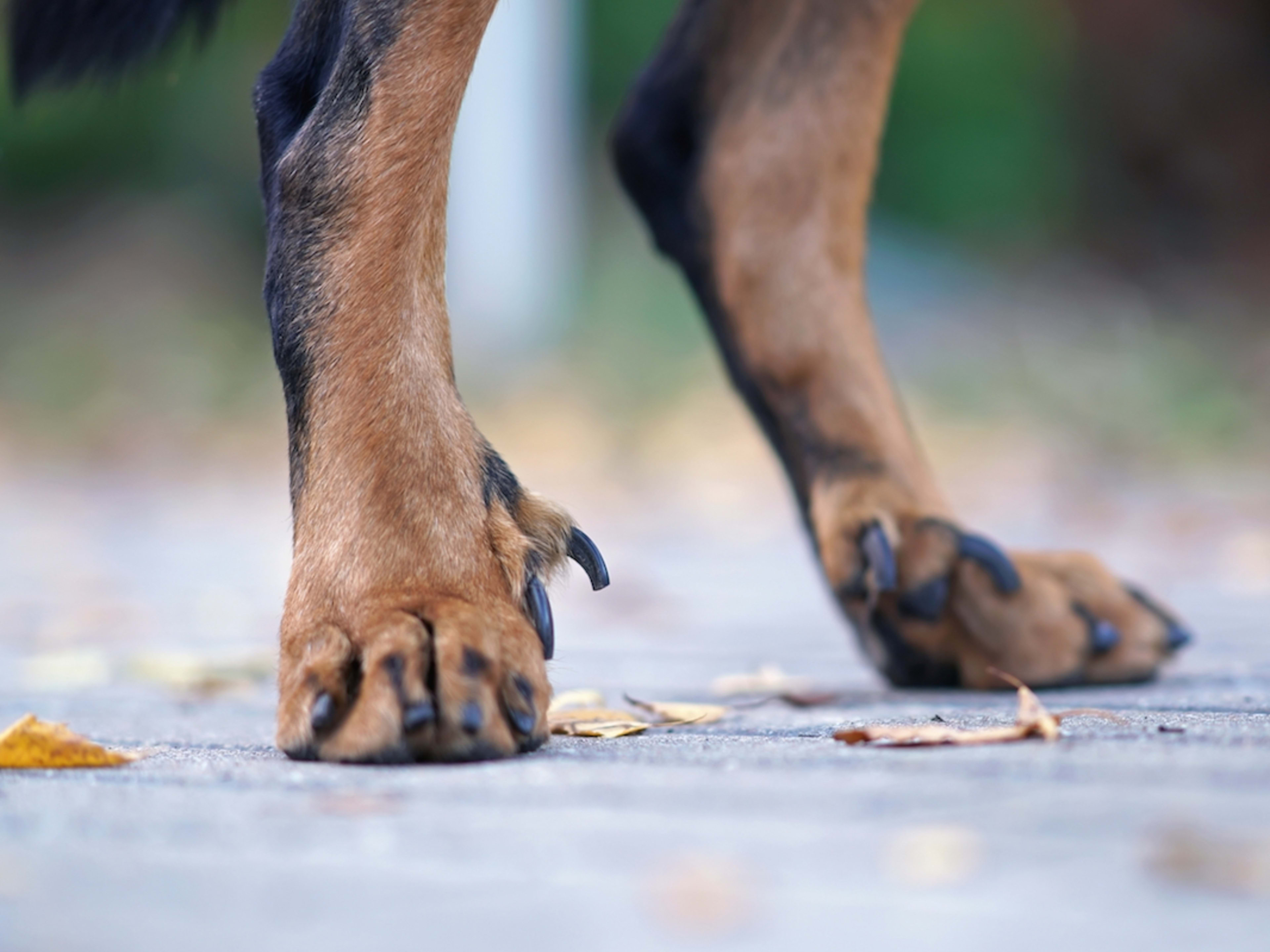
Rear dewclaws are small claws located on the inside of a dog’s hind legs. They do not touch the ground like the main toes. Some dogs have one rear dewclaw on each leg, some have two, and others have none.
- They are often higher up than front dewclaws.
- Rear dewclaws can be loose or attached by bone.
- Sometimes they are removed when the dog is young.
- Not all breeds naturally grow rear dewclaws.
Purpose And Function
Rear dewclaws help dogs with stability and gripping. They can give extra traction when running or climbing. In some breeds, they are stronger and more useful.
| Function | Description |
| Stability | Helps dog keep balance during fast movements |
| Traction | Provides grip on slippery or rough surfaces |
| Support | Assists in climbing and turning sharply |
| Protection | Prevents injury by helping paw avoid twisting |
Dog Breeds With Rear Dewclaws
Rear dewclaws are extra toes found on the back legs of some dogs. Not all breeds have them, but some do naturally. These claws can help with climbing and stability.
Knowing which dog breeds have rear dewclaws helps owners care for their pets properly. It also explains some unique traits in these dogs.
Common Breeds
Many well-known dog breeds have rear dewclaws. These claws may be removed in some dogs, but they are natural in others.
- Great Pyrenees
- Norwegian Lundehund
- Beauceron
- Saint Bernard
- Appenzeller
These breeds often have double dewclaws on their hind legs. The extra claws help them grip rough or steep surfaces better.
Rare And Unique Breeds
Some rare dog breeds also have rear dewclaws. These breeds are less common but have interesting histories and uses.
| Breed | Origin | Rear Dewclaws |
| Norwegian Lundehund | Norway | Six toes, including double rear dewclaws |
| Beauceron | France | Double rear dewclaws |
| Appenzeller | Switzerland | Double rear dewclaws |
| Gran Mastín de Borínquen | Puerto Rico | Rear dewclaws present |
Genetics Behind Rear Dewclaws
Rear dewclaws are extra toes found on the back legs of some dogs. Not all dogs have them, and their presence depends on genetics. Understanding the genetic background helps explain why some breeds keep rear dewclaws.
The genes that control rear dewclaws vary by breed. These traits can be passed down through families. Some breeds have strong genetic patterns for rear dewclaws, while others rarely have them.
Inheritance Patterns
Rear dewclaws are inherited traits that follow simple genetic rules. Usually, one or more genes decide if a dog will have rear dewclaws. These genes can be dominant or recessive.
Dominant genes mean only one parent needs to pass the gene for rear dewclaws to appear. Recessive genes need both parents to pass the gene. This explains why some puppies have rear dewclaws and others do not.
- Dominant gene: rear dewclaws appear if one parent has it
- Recessive gene: both parents must carry the gene for dewclaws
- Incomplete dominance can cause variable dewclaw development
Breed-specific Traits
Certain dog breeds often have rear dewclaws due to their genetic makeup. For example, the Great Pyrenees usually have double rear dewclaws on each hind leg. This trait is rare in other breeds.
Other breeds like the Beauceron and Norwegian Lundehund also carry genes for rear dewclaws. These traits help with balance and movement in their natural environments.
- Great Pyrenees: often has double rear dewclaws
- Beauceron: usually has rear dewclaws on both back legs
- Norwegian Lundehund: has multiple rear dewclaws for climbing
- Most other breeds: rear dewclaws are rare or absent

Credit: www.reddit.com
Health And Care Of Rear Dewclaws
Rear dewclaws are extra toes found on the back legs of some dog breeds. Not all dogs have them. These claws can affect your dog’s health and comfort.
Proper care of rear dewclaws helps prevent injuries and infections. Understanding common issues and grooming needs is important for dog owners.
Potential Health Issues
Rear dewclaws can cause health problems if ignored. They may get caught on objects, leading to tears or breaks. Infections can occur if the area is not clean.
- Injuries like cuts or torn claws are common.
- Ingrown nails can cause pain and swelling.
- Infections may develop from dirt and bacteria.
- Arthritis can affect the dewclaw joint in older dogs.
Grooming And Maintenance Tips
Regular grooming keeps rear dewclaws healthy. Trim the claws carefully to avoid overgrowth and injury. Clean the area to prevent infections.
| Grooming Task | Frequency | Notes |
| Claw trimming | Every 3-4 weeks | Use sharp clippers and avoid quick |
| Cleaning dewclaw area | Weekly | Use mild soap and water |
| Check for injuries | Daily | Look for cuts, swelling, or redness |
| Consult vet | As needed | If signs of infection or pain appear |
Dewclaws In Working And Sporting Dogs
Many working and sporting dogs have rear dewclaws. These extra toes are located higher on the back legs. They may look like small nails or extra toes.
Rear dewclaws can serve special roles for these dogs. They may help with balance and traction during activities.
Functional Advantages
Rear dewclaws help dogs in many ways. They improve grip when dogs run or turn quickly. This support is important for dogs that do hard work or compete in sports.
- Increase traction on slippery surfaces
- Help dogs climb or dig better
- Provide extra stability during fast movements
- Protect legs by preventing over-rotation
Breed Standards And Competitions
Many breed standards mention dewclaws. Some require rear dewclaws to be present. Others allow removal depending on the dog’s purpose.
| Breed | Rear Dewclaw Status | Competition Rule |
| Great Pyrenees | Usually present | Must be left intact |
| Beauceron | Double dewclaws common | Required for show |
| Border Collie | Often removed | Removal accepted |
| German Shepherd | Sometimes present | Varies by club |

Credit: www.reddit.com
Credit: paradepets.com
Frequently Asked Questions
Which Dog Breeds Commonly Have Rear Dewclaws?
Breeds like Great Pyrenees, Briards, and Saint Bernards often have rear dewclaws. These extra claws help with stability and grip on rough terrain. Rear dewclaws are less common but important in some working and herding breeds.
Are Rear Dewclaws Functional Or Just Extra Toes?
Rear dewclaws can provide extra traction and help with agility. They are not just vestigial but assist in climbing and running. In some breeds, they play a crucial role in movement and balance.
Should Rear Dewclaws Be Removed In Dogs?
Removing rear dewclaws depends on the dog’s activity and health. Many vets recommend keeping them unless they cause injury. Proper care and trimming prevent problems without needing removal.
How Can I Identify Rear Dewclaws On My Dog?
Rear dewclaws are located higher on the inside of the hind legs. They look like small, extra nails separate from the main paw pads. Checking your dog’s hind legs closely helps spot them.
Conclusion
Rear dewclaws appear in several dog breeds, but not all. Some breeds have them naturally; others do not. Knowing which dogs have rear dewclaws helps with care and grooming. These claws may need trimming to avoid problems. Always check your dog’s paws regularly for any issues.
Understanding rear dewclaws keeps your dog healthy and comfortable. Keep learning about your pet’s unique traits. Small details like dewclaws matter for good pet care. Stay attentive and enjoy a happy, healthy dog.

Emily Barker is the founder of ChillDogLife.com, a space dedicated to helping pup parents discover the best dog products, lifestyle tips, and cozy ideas for happier homes.
A lifelong dog lover, Emily combines her passion for pets with a knack for research to share trusted recommendations on everything from toys and furniture to health and everyday care.
Her goal is simple: to make life easier, stylish, and more joyful for dogs and the people who love them.




