
Bringing a Boxer puppy into your life is exciting, but it can also feel overwhelming. You want to give your new furry friend the best start, but where do you begin?
These Boxer puppy tips are designed just for you. They will help you understand your puppy’s unique needs and make training easier and more fun. Keep reading to discover simple, effective ways to build a strong bond with your Boxer and set the stage for a happy, healthy future together.
Your journey with your Boxer starts here—let’s make it amazing!
Choosing The Right Boxer Puppy
Boxers are strong and friendly dogs. Picking the right puppy takes care and thought. This guide helps you find a healthy and happy Boxer puppy.
Learn about different ways to get a puppy, what traits to look for, and how to get your home ready for your new friend.
Breeders Vs. Adoption
Getting a Boxer puppy can be done by buying from a breeder or adopting from a shelter. Each way has its own benefits and things to watch for.
- Breeders:Provide puppies with known parents and health history. They often raise puppies with early training.
- Adoption:Offers a home to a dog in need. Adopted dogs may be older but can still be trained well.
- Health Checks:Reputable breeders and adoption centers check puppies for health issues before sale or adoption.
- Costs:Buying from a breeder usually costs more than adoption fees.
Puppy Traits To Look For
Look for signs of a healthy and happy Boxer puppy. These traits help ensure your puppy will grow well and fit your family.
| Trait | What to Check |
| Energy Level | Active but not overly hyperactive |
| Eyes | Clear and bright, no redness |
| Coat | Shiny, smooth, no bald spots |
| Temperament | Friendly, curious, not shy or aggressive |
| Weight | Proportionate to age and size |
Preparing Your Home
Before your Boxer puppy arrives, get your home safe and ready. This makes the transition easier for your new dog.
- Clear small objects that can be swallowed.
- Set a quiet space with a bed and toys.
- Buy food and water bowls suitable for puppies.
- Use baby gates to limit puppy access to some rooms.
- Have cleaning supplies ready for accidents.
Feeding And Nutrition
Feeding a Boxer puppy the right food helps them grow strong and healthy. Good nutrition supports their energy and development.
Knowing what to feed and when is important for your puppy’s health. This guide will help you with feeding tips.
Best Diet For Boxer Puppies
Boxer puppies need a balanced diet with protein, fats, and carbs. High-quality puppy food is best for their growth.
Choose food with real meat as the first ingredient. It should have vitamins and minerals to support strong bones and muscles.
- Protein from chicken, beef, or fish
- Healthy fats like omega-3 and omega-6
- Carbohydrates from rice or sweet potatoes
- Added vitamins for immune health
- Calcium and phosphorus for bone growth
Feeding Schedule
Feed your Boxer puppy small meals several times a day. This keeps their energy steady and helps digestion.
As they grow, reduce the number of meals and increase the portion size. Always provide fresh water.
- Up to 3 months: 4 meals per day
- 3 to 6 months: 3 meals per day
- 6 months to 1 year: 2 meals per day
Foods To Avoid
Some foods can harm Boxer puppies. Avoid feeding them chocolate, grapes, and onions. These foods can cause sickness.
Also, do not give bones that can splinter or fatty foods that upset their stomach. Stick to safe puppy foods.
- Chocolate and caffeine
- Grapes and raisins
- Onions and garlic
- Cooked bones
- Fatty or fried foods
- Alcohol and artificial sweeteners
Training Basics
Training your Boxer puppy is key to a happy home. Start early to build good habits.
Use simple commands and be patient. Consistency helps your puppy learn faster.
Housebreaking Tips
Housebreaking your Boxer puppy takes time and care. Watch for signs they need to go out.
- Take your puppy outside often, especially after meals
- Use a consistent potty spot outdoors
- Praise your puppy immediately after they go outside
- Clean accidents inside with an enzyme cleaner
- Keep a regular feeding schedule
Socialization Skills
Socialize your Boxer puppy with people and other dogs. This helps prevent fear and aggression.
| Socialization Activity | Why It Helps |
|---|---|
| Meeting new people | Builds confidence around strangers |
| Playing with other dogs | Improves social skills and play behavior |
| Exposure to noises | Reduces fear of loud sounds |
| Visits to new places | Increases comfort in varied environments |
Obedience Commands
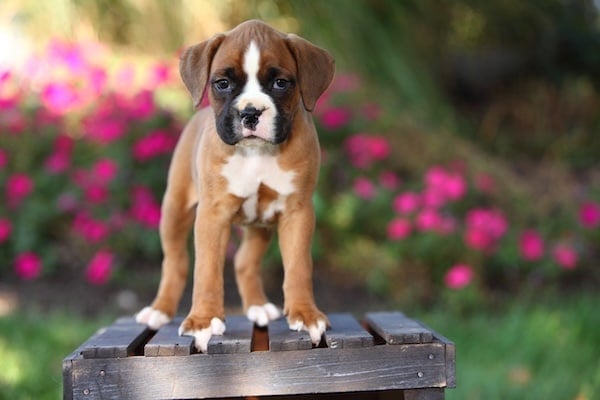
Teach your puppy basic commands to keep them safe and well-behaved.
- Start with simple commands like “sit” and “stay”
- Use treats and praise to reward good behavior
- Practice commands daily in short sessions
- Be patient and keep training fun
- Gradually add distractions to test obedience
Credit: www.rover.com
Exercise Needs
Boxer puppies are full of energy and need regular exercise. This helps them grow healthy and stay happy.
Understanding their exercise needs ensures they get enough activity without overdoing it.
Daily Activity Requirements
Boxer puppies should have daily walks and playtime. Keeping them active prevents boredom and encourages good behavior.
- Walk your puppy twice a day
- Include 15 minutes of playtime
- Offer interactive toys
Safe Play Ideas
Safe play is important for a Boxer puppy’s growth. Choose activities that are fun and secure.
• Tug-of-war with a soft rope
• Fetch with a rubber ball
• Hide-and-seek with treats
Avoiding Overexertion
It’s crucial not to overexert Boxer puppies. Overexertion can lead to injuries and stress.
| Age (Months) | Max Exercise (Minutes) |
| 2-3 | 15-20 |
| 4-6 | 30-40 |
| 7-12 | 45-60 |
Health Care Essentials
Taking care of your Boxer puppy’s health is very important. Good health helps your puppy grow strong and happy. Learn key tips to keep your puppy well.
This guide covers vaccination schedules, common health issues, and vet visits. Follow these steps to protect your puppy’s health.
Vaccination Schedule
Vaccines help prevent serious diseases in your Boxer puppy. Start vaccinations at six to eight weeks old. Keep a record of all shots given.
| Age | Vaccine |
| 6-8 weeks | Distemper, Parvovirus |
| 10-12 weeks | Adenovirus, Parainfluenza |
| 14-16 weeks | Rabies |
| 12-16 months | Booster shots |
Common Health Issues
Boxer puppies face some health problems. Watch for signs of these issues to act early and protect your puppy.
- Hip Dysplasia: a joint problem causing pain and limping
- Heart Conditions: such as cardiomyopathy affecting heart function
- Allergies: skin or food allergies causing itching and discomfort
- Gastrointestinal Upset: vomiting or diarrhea from diet changes or infections
Regular Vet Visits
Schedule vet visits often to keep your Boxer puppy healthy. Early checkups help find problems before they get worse.
- First visit: 6-8 weeks old for initial exams and vaccines
- Follow-up visits: every 3-4 weeks until 16 weeks old
- Annual checkups: to update vaccines and check health
- Immediate vet visit: if you see signs of illness or injury
Credit: medium.com
Grooming And Hygiene
Keeping your Boxer puppy clean and healthy is key. Regular grooming helps avoid skin problems and keeps your dog happy.
Good hygiene habits start early. They make caring for your dog easier as it grows.
Brushing And Bathing
Brushing your Boxer puppy removes dirt and loose hair. It also helps spread natural oils in the coat.
- Brush your puppy’s coat twice a week with a soft brush.
- Use a gentle dog shampoo for baths, no more than once a month.
- Dry your puppy well after baths to avoid skin issues.
- Check the skin for redness or bumps during brushing.
Nail Trimming Tips
Keeping nails short helps your puppy walk comfortably. Long nails can cause pain or injury.
- Use a sharp dog nail clipper made for small nails.
- Trim a little at a time to avoid cutting the quick.
- Stop if you see blood and use styptic powder to stop bleeding.
- Reward your puppy with treats to create a positive experience.
Ear And Teeth Care
Clean ears and teeth keep infections away. Check ears weekly and brush teeth regularly.
| Care Area | Frequency | How to Care |
| Ears | Once a week | Use a damp cotton ball to wipe inside the ear gently. |
| Teeth | At least 3 times a week | Brush with dog toothpaste and a soft toothbrush. |
Building A Strong Bond
Boxer puppies are energetic and loving. Building a strong bond with them is important for both you and your puppy. A good relationship ensures a happy and well-behaved pet.
With patience and the right approach, you can create a lasting connection with your Boxer puppy. Here are some tips to help you along the way.
Effective Communication
Clear communication is key to bonding with your puppy. Use simple words and consistent commands. Your puppy will learn faster and understand your expectations.
Pay attention to your puppy’s body language. This helps you understand their needs and emotions. Responding appropriately strengthens your connection.
Positive Reinforcement
Reward your Boxer puppy for good behavior. Use treats, praise, or playtime as incentives. Positive reinforcement encourages them to repeat good actions.
Be consistent with rewards. This helps your puppy associate good behavior with positive outcomes. Consistency builds trust and a stronger bond.
- Offer treats for sitting calmly
- Praise your puppy for following commands
- Play their favorite game as a reward
Handling Behavioral Challenges
Boxer puppies can be stubborn. Patience is crucial when addressing behavioral challenges. Stay calm and avoid harsh punishment.
Redirect negative behaviors to positive ones. For example, if your puppy bites, give them a chew toy. This teaches them what is acceptable.
- Teach your puppy to sit before mealtime
- Practice patience during training sessions
- Use toys to redirect biting

Credit: citizenshipper.com
Frequently Asked Questions
How Do I Train A Boxer Puppy Effectively?
Start training early with consistent, positive reinforcement methods. Use short, fun sessions to keep your puppy engaged. Focus on basic commands like sit, stay, and come. Socialize your Boxer puppy with other dogs and people to build confidence and good behavior.
What Is The Best Diet For A Boxer Puppy?
Feed your Boxer puppy high-quality, balanced puppy food rich in protein and healthy fats. Avoid fillers and artificial additives. Provide fresh water at all times. Consult your vet for portion size and feeding frequency suitable for your puppy’s age and weight.
How Much Exercise Does A Boxer Puppy Need Daily?
Boxer puppies need moderate exercise, about 30 to 60 minutes daily. Include playtime, short walks, and mental stimulation. Avoid over-exercising young puppies to protect their growing joints. Gradually increase activity as your puppy grows and gains strength.
When Should I Start Socializing My Boxer Puppy?
Begin socializing your Boxer puppy as early as 7 to 8 weeks old. Introduce new people, pets, sounds, and environments gently. Positive experiences help prevent fear and aggression later. Consistent socialization builds a confident, well-adjusted adult dog.
Conclusion
Caring for a Boxer puppy takes patience and love. Keep training short and fun. Give your puppy plenty of exercise every day. Healthy food helps your puppy grow strong. Watch your puppy’s behavior to learn its needs. Early socialization makes a friendly dog.
Stay calm and consistent in your approach. Enjoy the special moments with your new friend. Raising a Boxer puppy is a rewarding journey. Small steps lead to a happy, well-behaved dog.

Emily Barker is the founder of ChillDogLife.com, a space dedicated to helping pup parents discover the best dog products, lifestyle tips, and cozy ideas for happier homes.
A lifelong dog lover, Emily combines her passion for pets with a knack for research to share trusted recommendations on everything from toys and furniture to health and everyday care.
Her goal is simple: to make life easier, stylish, and more joyful for dogs and the people who love them.




