
Bringing a Beagle puppy into your home is exciting, but it can also feel a bit overwhelming. You want to make sure your new furry friend grows up happy, healthy, and well-behaved.
That’s why having the right tips from the start can make all the difference. You’ll discover simple, practical advice tailored just for Beagle puppies. Whether it’s training, feeding, or keeping their curious minds busy, you’ll find easy steps that fit your busy life.
Keep reading to unlock the secrets that will help you build a strong bond with your Beagle and enjoy every moment together.
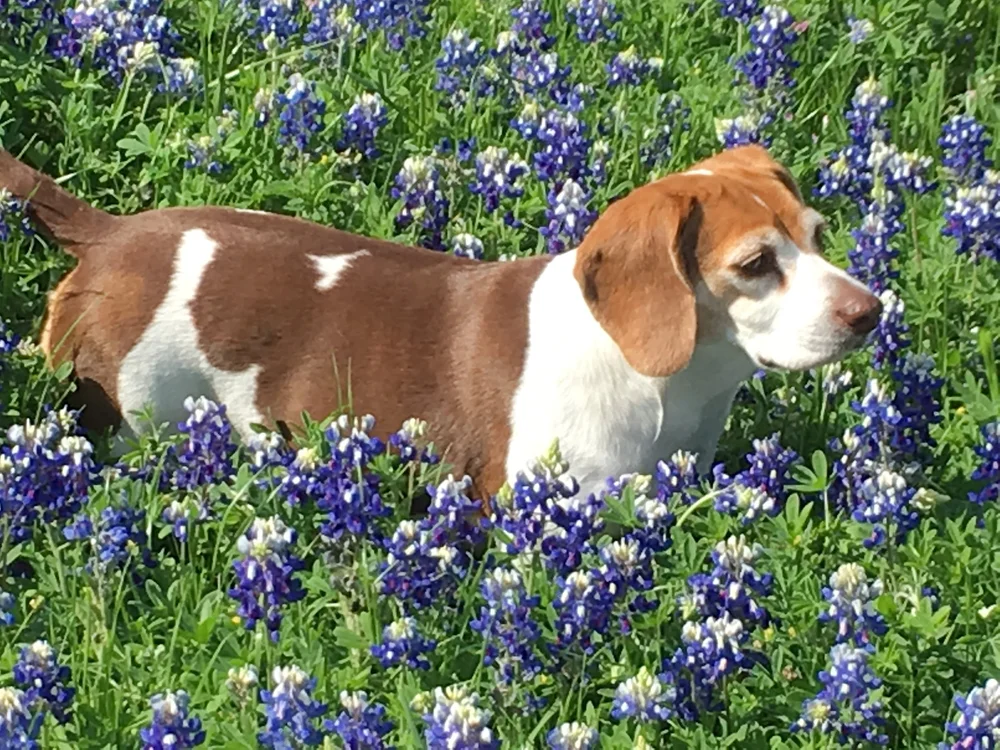
Credit: quailridgepocketbeagles.com
Choosing The Right Beagle Puppy
Picking a Beagle puppy is an exciting experience. It is important to choose a healthy and well-bred dog.
Knowing what to look for can help you find a happy and strong Beagle puppy to join your family.
Identifying Healthy Traits
Healthy Beagle puppies show clear eyes and a shiny coat. Their nose should be moist and cool. Watch for alert behavior and steady breathing.
- Bright, clear eyes with no discharge
- Clean ears without bad smell
- Shiny, smooth fur with no bald spots
- Firm, pink gums and healthy teeth
- Active and playful but not overly tired
Finding Reputable Breeders
Choose breeders who care about the puppies’ health and social skills. They should allow you to see the living area and meet the parents.
| What to Check | Why It Matters |
| Clean and safe environment | Prevents illness and stress |
| Health clearances for parents | Reduces genetic diseases |
| Socialized puppies | Better behavior and confidence |
| Transparent communication | Builds trust and support |
Adoption Vs. Buying
Decide if you want to adopt or buy a Beagle puppy. Both choices have good reasons and challenges.
Consider these points:
- Adoption:Gives a home to a dog in need. May have unknown history.
- Buying:Can select breed and age. Needs a trusted breeder.
- Cost:Adoption fees are usually lower than buying prices.
- Support:Breeders often provide health guarantees and advice.
Preparing Your Home
Bringing a Beagle puppy home needs careful planning. A safe and welcoming space helps your puppy feel calm and happy. Preparing your home keeps your puppy safe and comfortable.
Focus on creating safe areas, gathering supplies, and setting a cozy bed. Each step makes your home ready for your new friend.
Safe Spaces And Puppy-proofing
Create a safe space for your Beagle puppy to explore and rest. Remove hazards like cords, small objects, and toxic plants. Use baby gates to limit access to unsafe rooms.
- Cover electrical outlets and hide wires
- Keep cleaning products and medicines out of reach
- Store shoes and small items away
- Block stairs and dangerous areas
- Check for sharp edges on furniture
Essential Supplies
Get the right supplies before your puppy arrives. These items make caring for your Beagle easier and safer. You can keep everything organized and ready.
| Supply | Purpose |
| Food and water bowls | Provide meals and hydration |
| Puppy food | Proper nutrition for growth |
| Collar and leash | Safe walks and control |
| Chew toys | Teething relief and fun |
| Cleaning supplies | Keep home clean and odor-free |
Setting Up A Comfortable Bed
Your Beagle puppy needs a soft, warm place to sleep. Choose a bed that fits your puppy’s size and place it in a quiet spot. A cozy bed helps your puppy feel safe and rested.
- Use washable bedding for easy cleaning
- Place the bed away from drafts
- Add a soft blanket or a small toy
- Keep the bed in a low-traffic area
Nutrition And Feeding
Feeding your beagle puppy the right food helps them grow strong. Good nutrition supports energy and healthy development.
Learn about the best diet, feeding times, and how to avoid common problems with your puppy’s meals.
Best Diet For Beagle Puppies
Beagle puppies need food rich in protein and fat. These nutrients help build muscles and keep their coats shiny.
- Choose puppy food made for small to medium breeds
- Look for meat as the first ingredient
- Include healthy fats like fish oil
- Offer carbohydrates from rice or sweet potatoes
- Add vitamins and minerals for strong bones
Feeding Schedule Tips
Keep a regular feeding schedule to help your beagle puppy feel secure. This also prevents overeating and digestive issues.
| Age | Meals per Day | Portion Size |
| 8 to 12 weeks | 4 | Small, frequent meals |
| 3 to 6 months | 3 | Moderate portions |
| 6 to 12 months | 2 | Full meals |
Avoiding Common Dietary Issues
Some foods can cause allergies or upset your puppy’s stomach. Watch for signs like itching, vomiting, or diarrhea.
Follow these tips to prevent problems:
- Do not feed chocolate, grapes, or onions
- Avoid giving too many treats
- Keep fresh water available at all times
- Introduce new foods slowly
- Talk to your vet if you see any symptoms
Training Basics
Training your beagle puppy builds good habits early. It helps your puppy learn what is okay and what is not. Consistency and patience work best during training.
Start training in a calm place with few distractions. Short sessions keep your puppy interested and prevent frustration.
Housebreaking Strategies
Housebreaking means teaching your puppy to go potty outside. Watch for signs like sniffing or circling. Take your puppy out often, especially after eating or sleeping.
- Take your puppy to the same spot each time.
- Praise your puppy when it goes potty outside.
- Clean accidents inside with a strong cleaner to remove smells.
- Keep a regular feeding schedule to predict potty times.
- Be patient and do not punish mistakes.
Crate Training
A crate gives your puppy a safe place to rest. It also helps with housebreaking by teaching bladder control. Make the crate cozy with a soft bed and toys.
Here are tips for crate training:
- Start with short crate times while you are nearby.
- Never use the crate as punishment.
- Feed meals inside the crate to create positive feelings.
- Gradually increase crate time as your puppy gets used to it.
- Always let your puppy out to potty after crate time.
Basic Commands
Basic commands help your puppy understand what you expect. Use clear words and hand signals. Reward your puppy with praise or treats for good behavior.
| Command | Purpose | Tip |
|---|---|---|
| Sit | Get your puppy to sit calmly | Use a treat to guide the puppy’s nose up |
| Stay | Keep your puppy in one place | Start with short time and distance |
| Come | Call your puppy to you | Use a happy voice and reward immediately |
| Leave it | Stop your puppy from picking up something | Offer a treat as a distraction |
Exercise And Play
Beagle puppies need regular exercise and playtime to stay healthy and happy. These activities help them use their energy and learn good habits.
Playing also builds a strong bond between you and your puppy. Let’s explore how to meet their exercise and play needs.
Daily Activity Needs
Beagle puppies require daily exercise to stay fit and calm. They enjoy walks, running, and gentle games.
- Take short walks two to three times a day.
- Let your puppy run in a safe, enclosed area.
- Play fetch or gentle tug-of-war.
- Avoid too much hard exercise to protect growing joints.
Toys For Mental Stimulation
Mental play is as important as physical activity for beagle puppies. Toys that challenge their minds keep them sharp and happy.
| Toy Type | Purpose | Example |
| Puzzle Toys | Problem-solving skills | Treat-dispensing balls |
| Chew Toys | Teething relief | Rubber bones |
| Interactive Toys | Engagement and focus | Moving balls with sounds |
Socialization With Other Dogs
Beagle puppies learn important skills by meeting other dogs. Early socialization helps them grow into friendly adults.
- Arrange playdates with vaccinated puppies.
- Visit dog parks with calm and friendly dogs.
- Watch interactions closely to keep play safe.
- Encourage gentle play to build confidence.
Health Care Essentials
Beagle puppies are adorable and energetic. Proper health care is crucial to keep them happy and healthy. Understanding their needs will ensure they grow into healthy adult dogs.
This guide covers essential health care tips for your beagle puppy. Learn about vaccinations, common health issues, and the importance of regular vet visits.
Vaccination Schedule
Vaccinations protect your beagle puppy from diseases. It is important to follow a vet-recommended vaccination schedule.
| Age | Vaccination |
| 6-8 weeks | Distemper, Parvovirus |
| 10-12 weeks | DHPP (Distemper, Hepatitis, Parainfluenza, Parvovirus) |
| 12-16 weeks | Rabies |
Common Health Concerns
Beagle puppies may face certain health issues. Being aware of these can help you act quickly if needed.
- Ear Infections: Beagles have floppy ears, which can trap moisture.
- Obesity: Monitor their diet to prevent weight gain.
- Hip Dysplasia: A genetic condition affecting joint health.
Regular Vet Visits
Regular vet check-ups are important for your puppy’s health. These visits help to catch any problems early.
- Annual vaccinations and boosters
- Routine health exams
- Dental check-ups and cleaning
Grooming And Hygiene
Keeping your beagle puppy clean is important for its health. Regular grooming helps prevent skin issues and keeps your puppy happy.
Proper hygiene habits also help you bond with your puppy. Let’s explore some essential grooming tips.
Brushing And Bathing
Brushing your beagle regularly removes loose fur. It keeps their coat shiny and healthy. Bathing is needed less often, about once a month.
Use a gentle dog shampoo for baths. Always rinse thoroughly to avoid skin irritation.
- Brush your beagle’s coat twice a week
- Bathe with lukewarm water
- Dry thoroughly after baths
Ear Care
Beagles have floppy ears that need special care. Clean them weekly to prevent infections. Look for dirt and wax buildup.
Use a vet-recommended ear cleaner. Avoid inserting anything deep into the ear canal.
- Check ears for redness or bad odor
- Wipe gently with a damp cloth
- Consult a vet if you see any issues
Nail Trimming Tips
Keeping your beagle’s nails short is important. Long nails can cause discomfort and affect their walk. Trim nails every 3-4 weeks.
Use a dog nail clipper and be careful not to cut too close. The quick is sensitive and may bleed if cut.
- Trim nails when your puppy is calm
- Have styptic powder ready in case of bleeding
- Reward your puppy after trimming

Credit: www.rover.com
Behavior And Temperament
Beagle puppies are friendly and curious dogs. They love to explore and play with people and other pets.
They have strong hunting instincts and can be very vocal. Understanding their behavior helps in training and bonding.
Managing Barking
Beagle puppies bark to get attention or alert you. Sometimes, they bark when they are bored or lonely.
Teach your puppy when to be quiet by rewarding calm behavior. Use commands like “quiet” and praise them when they stop barking.
- Ignore excessive barking to avoid encouraging it
- Give toys or puzzles to keep them busy
- Take them outside for exercise to reduce energy
Dealing With Separation Anxiety
Beagle puppies may feel sad or anxious when left alone. They can howl, bark, or chew things.
Start by leaving them alone for short times. Gradually increase the time to help them feel safe and calm.
- Give a special toy when you leave
- Keep goodbyes and greetings short
- Create a cozy, quiet space for your puppy
Encouraging Positive Behavior
Reward good behavior with treats and praise. This helps your beagle learn what you want them to do.
Be consistent with rules and commands. Use gentle corrections for bad behavior without yelling or punishment.
- Use simple commands like “sit” and “stay”
- Give treats only when your puppy follows commands
- Spend time playing and training daily

Credit: www.thetrainingofdogs.com
Frequently Asked Questions
How Do I Potty Train My Beagle Puppy Effectively?
Start potty training early with a consistent schedule. Use positive reinforcement and take your puppy outside frequently. Patience and routine help Beagles learn faster. Avoid punishment to prevent fear or confusion.
What Is The Best Diet For A Beagle Puppy?
Feed your Beagle puppy high-quality puppy food rich in protein and nutrients. Avoid overfeeding to prevent obesity. Provide fresh water always. Consult your vet for portion size and specific dietary needs.
How Much Exercise Does A Beagle Puppy Need Daily?
Beagle puppies need at least 30 to 60 minutes of exercise daily. Include walks, playtime, and mental stimulation. Exercise helps prevent boredom and destructive behavior. Adjust intensity based on age and energy levels.
When Should I Start Training My Beagle Puppy?
Begin training as soon as you bring your Beagle puppy home. Early training promotes good habits and socialization. Use positive reinforcement methods. Short, consistent sessions yield the best results.
Conclusion
Beagle puppies bring joy and energy to any home. Training and care take time and patience. Keep routines simple and be consistent every day. Give your puppy love, food, and plenty of play. Watch your beagle grow happy and strong.
Enjoy the special bond you build together. Small steps create a well-behaved, healthy dog. Caring for a beagle puppy is very rewarding. Stay patient and enjoy each moment with your puppy.

Emily Barker is the founder of ChillDogLife.com, a space dedicated to helping pup parents discover the best dog products, lifestyle tips, and cozy ideas for happier homes.
A lifelong dog lover, Emily combines her passion for pets with a knack for research to share trusted recommendations on everything from toys and furniture to health and everyday care.
Her goal is simple: to make life easier, stylish, and more joyful for dogs and the people who love them.




