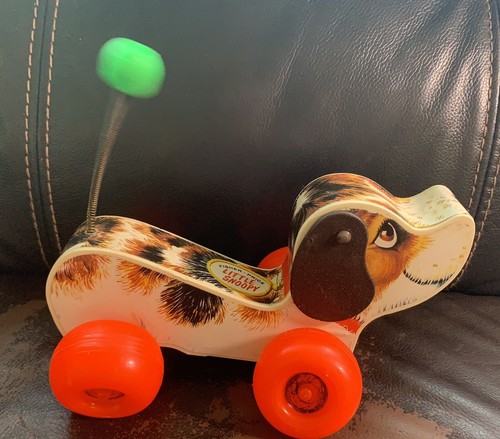
Have you ever come across a vintage pull toy dog and wondered, “How much is this really worth?” Whether you’ve inherited one from a family member or found a charming piece at a flea market, knowing its value can feel tricky. You want to make sure you’re not missing out on a hidden treasure, but where do you even start?
You’ll discover the key factors that determine the worth of a vintage pull toy dog, so you can confidently understand its true value. Keep reading—your vintage find might be more valuable than you think!

Credit: www.ebay.ca
Factors Affecting Value
Several factors shape the value of a vintage pull toy dog. Each aspect adds a layer of uniqueness and appeal to collectors. Understanding these elements helps gauge how much a toy might be worth.
Age And Rarity
The older the pull toy, the higher its potential value. Toys from early 1900s or before are especially prized. Rarity boosts worth significantly. Limited editions or toys from small manufacturers stand out.
Brand And Manufacturer
Reputable brands usually fetch better prices. Names like Fisher-Price or Schuco have strong collector followings. Toys with clear manufacturer marks often verify authenticity and raise value.
Condition And Completeness
Pristine condition commands top dollar. Missing parts or heavy wear lower value. Original paint, wheels, and strings add to completeness. Repairs or replacements can decrease appeal.
Materials And Craftsmanship
High-quality materials increase desirability. Wood, tin, and early plastics show craftsmanship and durability. Hand-painted details or intricate designs attract collectors. Simple plastic toys tend to be less valuable.

Credit: www.ebay.ca
Identifying Authentic Vintage Pull Toy Dogs
Identifying authentic vintage pull toy dogs is key to understanding their true value. These charming toys carry history, but not every old-looking piece is genuine. Knowing what to look for helps you avoid costly mistakes and adds confidence to your collecting or selling experience.
Common Marks And Labels
Look closely at the toy for any stamps, labels, or engravings. Many authentic vintage pull toy dogs have manufacturer marks on the underside or near the wheels. Brands like Chein, Marx, or Fisher-Price often included logos or patent numbers, which can be a reliable sign of authenticity.
Sometimes these marks are faint or partially worn, so use a magnifying glass and good lighting. If a toy has no markings at all, it doesn’t necessarily mean it’s fake—but it does warrant extra caution. Ask yourself: does the craftsmanship and material quality match what you know about vintage toys?
Styles And Designs Through Eras
Different decades favored distinct styles and materials. Early 1900s pull toys were often made of wood with hand-painted details, while mid-century toys might feature tin or plastic with bright lithographed designs. Understanding these shifts helps you date your toy and spot inconsistencies.
For example, a tin toy dog with plastic wheels likely comes from the 1950s or later. If it claims to be from the 1920s, that’s a red flag. Have you noticed how some toys have more intricate paintwork or unique joint mechanisms? These details often reveal their era and authenticity.
Avoiding Reproductions
Reproductions can look very convincing but usually lack the wear and craftsmanship of originals. Check for overly bright colors or modern materials like cheap plastics that weren’t used in older toys. Authentic vintage pull toy dogs often show signs of play, such as paint chips or wheel wear.
Ask yourself if the toy feels solid and well-made or light and flimsy. Research is your best tool here—compare your find with verified examples online or in collector guides. Have you ever bought something only to realize later it was a modern copy? Trust your instincts and take the time to verify before you buy or sell.
Market Trends And Pricing
Understanding the market trends and pricing for vintage pull toy dogs can help you gauge their current worth accurately. Prices fluctuate based on demand, rarity, and condition, making it essential to stay updated on recent sales and regional differences. Let’s look closer at the data that shapes these values.
Recent Auction Results
Auction houses often set the benchmark for vintage pull toy dog prices. Recently, several toys sold at major auctions have fetched prices ranging from $100 to $800, depending on age and maker. A well-preserved 1950s tin pull toy dog, for example, sold for $650, showing how condition dramatically impacts value.
Have you noticed how certain brands consistently perform better? This pattern hints that collectors prioritize authenticity and craftsmanship. Tracking these auction results regularly can give you a clear edge in pricing your own piece.
Online Marketplace Insights
Online platforms like eBay and Etsy offer a constant stream of listings and sales, reflecting real-time market interest. Prices often vary widely here, with some vintage pull toy dogs listed as low as $50, while rare or mint-condition pieces reach $1,000 or more.
Buyer reviews and seller ratings also influence pricing trends online. When browsing, check how quickly items sell and the final bid amounts to understand what collectors are willing to pay right now. You might be surprised how much a seemingly ordinary toy can fetch in the right market.
Regional Price Variations
Where you sell your vintage pull toy dog matters. In the U.S., toys from the mid-20th century tend to have higher demand and better prices compared to some other regions. Meanwhile, European markets often value craftsmanship and historical significance, which can increase prices for certain brands.
Have you considered how local collector communities affect pricing? For instance, a toy popular in Japan might command a premium due to limited availability there. Understanding these regional differences can help you decide the best place to sell or buy.
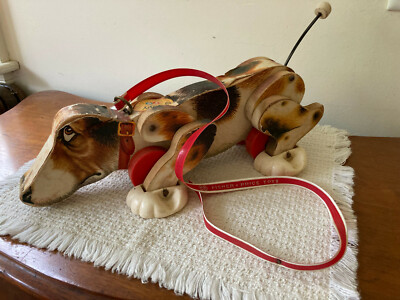
Credit: www.ebay.ca
Restoration Impact On Value
Restoring a vintage pull toy dog can significantly influence its market value, but the impact is not always straightforward. Restoration can either enhance the toy’s appeal or diminish its authenticity, which collectors deeply value. Understanding how and when to restore your vintage piece is crucial if you want to maintain or increase its worth.
When To Restore
Ask yourself if the toy’s condition is beyond simple cleaning. Minor paint chips and dirt often add character, but severe damage like broken parts may require restoration. If the toy is falling apart or unsafe to handle, restoration might be necessary to preserve it.
Consider the toy’s rarity before restoring. A rare, highly sought-after pull toy dog may benefit from careful restoration, whereas common toys might lose value if altered. Think about how much original material will be affected and whether the restoration will respect its historic integrity.
Professional Vs Diy Restoration
Professional restoration often yields the best results for valuable vintage toys. Experts use materials and techniques that match the original, preserving authenticity and quality. This can increase the toy’s value by making it look well-maintained without overdoing it.
DIY restoration might be tempting if you want to save money, but it carries risks. Inexperienced repairs can reduce value, especially if paint or parts are mismatched. If you decide to restore yourself, research thoroughly and practice on less valuable items first.
Effect On Collectors’ Interest
Collectors usually prefer toys in original condition, even with minor flaws. Restoration that removes original paint or replaces parts can make a toy less desirable. However, tasteful restoration that stabilizes the toy and enhances its appearance without altering original features can attract more buyers.
Would you pay more for a toy that looks perfect but has lost some originality? Many collectors won’t. Understanding your target audience’s preferences is key before deciding on restoration. Balancing preservation with aesthetics can help you maximize your vintage pull toy dog’s value.
Selling Tips For Vintage Pull Toy Dogs
Selling a vintage pull toy dog can be both exciting and challenging. You want to get the best price while reaching the right buyers. The right approach will make a big difference in how quickly and profitably your toy sells.
Choosing The Right Platform
Where you sell your vintage pull toy dog matters a lot. Online auction sites like eBay attract collectors but come with fees and competition. On the other hand, specialized vintage toy forums or local antique shops might connect you with serious buyers willing to pay more.
Think about your target audience. Are they casual buyers or collectors? Sometimes, selling on multiple platforms increases your chances, but managing listings everywhere can be time-consuming. Ask yourself: where would you look if you were buying?
Setting A Realistic Price
Pricing your toy too high might scare buyers away, while pricing too low means missing out on potential profit. Research recent sales of similar vintage pull toy dogs to find a fair market value. Look at the condition, brand, rarity, and any unique features to adjust your price accordingly.
If your toy has minor wear or missing parts, reflect that in the price. You can also create a small table to compare features and prices:
| Condition | Price Range (USD) | Notes |
|---|---|---|
| Excellent (Original, no damage) | $150 – $250 | Highly collectible |
| Good (Minor wear, functional) | $80 – $140 | Still attractive to buyers |
| Fair (Visible damage, missing parts) | $30 – $70 | For restoration or parts |
Presentation And Photography
Clear, high-quality photos can make or break your sale. Take pictures from multiple angles, showing details like the wheels, pull string, and any maker’s marks. Natural lighting works best to reveal true colors and textures.
Clean the toy gently before photographing, but avoid over-polishing as collectors prefer original patina. Write a detailed description highlighting its history, condition, and any interesting facts. Would you buy an item without seeing it clearly? Your photos and description answer that question.
Frequently Asked Questions
What Factors Determine A Vintage Pull Toy Dog’s Value?
The value of a vintage pull toy dog is influenced by its age, rarity, and condition. Brand recognition and historical significance also play a role. Original packaging and accessories can increase value. Collectors often seek toys with unique features, which can further drive up the price.
Where Can I Sell A Vintage Pull Toy Dog?
You can sell a vintage pull toy dog online through platforms like eBay or Etsy. Antique shops and collector forums are also good options. Consider local auctions or toy conventions for in-person sales. Ensure you provide clear photos and detailed descriptions to attract potential buyers.
How To Identify A Valuable Vintage Pull Toy Dog?
To identify a valuable vintage pull toy dog, examine its brand, condition, and age. Look for maker’s marks or labels. Research its historical background and compare it with similar listings. Consulting a toy appraiser or collector can provide additional insights into its value.
Are Vintage Pull Toy Dogs A Good Investment?
Vintage pull toy dogs can be a good investment if they are rare and in demand. Collectors often seek well-preserved, unique pieces. Market trends can vary, so research before purchasing. Investing in toys with historical significance or those from reputable brands can yield better returns.
Conclusion
Vintage pull toy dogs can hold surprising value. Their worth depends on age, condition, and maker. Rare toys or those in good shape often sell higher. Collectors love unique designs and original paint. Knowing these details helps set a fair price.
Take time to research before buying or selling. A well-kept vintage pull toy dog is a charming find. It carries history and memories from the past. Treasure it, or sell it wisely. Value varies, but these toys always tell a story.

Emily Barker is the founder of ChillDogLife.com, a space dedicated to helping pup parents discover the best dog products, lifestyle tips, and cozy ideas for happier homes.
A lifelong dog lover, Emily combines her passion for pets with a knack for research to share trusted recommendations on everything from toys and furniture to health and everyday care.
Her goal is simple: to make life easier, stylish, and more joyful for dogs and the people who love them.




