Do you ever wish your dog could play nicely with others and share their favorite toys without a fuss? Teaching your dog to share toys might seem tricky, but it’s easier than you think.
Imagine peaceful playtime where your dog happily lets another pet or even a child join in the fun. You’ll discover simple, proven steps to help your dog learn sharing in a way that feels natural and stress-free. Keep reading, and you’ll soon unlock the secret to creating harmony during playtime.

Credit: www.youtube.com
Why Sharing Matters
Teaching a dog to share toys builds a foundation for good behavior. Sharing helps dogs feel calm and happy around others. It also reduces fights and stress in multi-dog homes. Dogs that learn to share become better friends to humans and other pets.
Benefits For Dogs
Sharing toys teaches dogs patience and control. It helps them wait their turn instead of grabbing aggressively. Dogs that share toys often have fewer behavior problems. Sharing also keeps their minds active and engaged. Happy dogs that share feel more balanced and relaxed.
Improving Social Skills
Dogs that share toys learn to read social cues better. They understand when to play and when to stop. Sharing encourages positive interactions with other dogs and people. It helps dogs build trust and friendships. Strong social skills lead to a more peaceful home and walks.
Choosing The Right Toys
Choosing the right toys plays a crucial role in teaching your dog to share. The right toys not only keep your dog engaged but also help build positive sharing habits. It’s important to pick items that are safe, durable, and designed to encourage interaction between dogs.
Safe And Durable Options
Safety should always come first when selecting toys for your dog. Avoid toys with small parts that can break off and become choking hazards. Look for toys made from non-toxic materials that can withstand chewing without falling apart.
Durability matters because a toy that breaks easily will frustrate your dog and disrupt learning. Brands like Kong and Nylabone offer strong, long-lasting toys that resist heavy chewing. Have you noticed how your dog reacts to flimsy toys? Durable ones keep your dog focused and reduce the risk of accidental injuries.
Toys That Encourage Sharing
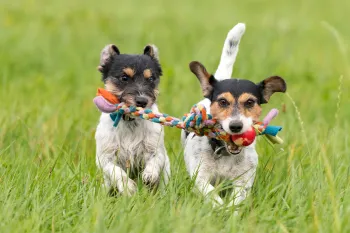
Choose toys that naturally invite interaction between dogs. Tug ropes and interactive puzzle toys are great examples. These toys require teamwork or turn-taking, helping your dog practice sharing in a fun way.
Some toys are designed for multiple dogs to play with at once, like a ball that two dogs can chase together. When you pick toys that promote joint play, you’re encouraging social skills and cooperation. Think about how your dog responds when playing alone versus with a partner—shared toys can make a big difference.
Preparing Your Dog
Getting your dog ready to share toys takes more than just handing over a second ball. It starts with understanding your dog's unique personality and creating a foundation of trust. This preparation helps avoid frustration for both you and your furry friend, making the sharing process smoother and more enjoyable.
Assessing Temperament
Every dog reacts differently to sharing. Some are naturally generous, while others guard their toys fiercely. Watch how your dog behaves around toys—do they growl or stiffen when someone approaches?
Notice if your dog relaxes when you gently take a toy or if they try to pull it away. These signs tell you how ready your dog is to share. If your dog is protective, start with less valuable toys to avoid stress.
Building Trust
Your dog needs to feel safe before they can share. Spend time playing together without any pressure to give up toys. Praise your dog often when they stay calm around others and toys.
Try exchanging toys yourself by offering a treat in return. This shows your dog that giving up a toy can lead to positive outcomes. Have you noticed your dog’s mood change when they get a reward for sharing? That’s trust growing right there.
Step-by-step Training
Training your dog to share toys requires patience and clear guidance. Breaking down the process into manageable steps helps your dog understand what you expect. This approach also reduces frustration for both of you and builds a stronger bond through positive interactions.
Introducing One Toy At A Time
Start by offering a single toy during playtime to avoid overwhelming your dog. This focused attention helps your dog get comfortable with the idea of sharing that specific toy.
Observe how your dog reacts when you bring out the toy. If your dog shows signs of guarding, pause and try again later with more patience.
Once your dog is relaxed, invite another person or pet to join the play with the same toy. This gentle introduction helps your dog learn that sharing doesn’t mean losing the toy forever.
Using Positive Reinforcement
Reward your dog immediately when they show any sign of sharing, like letting another dog sniff or gently take the toy. Treats, praise, or a favorite game work well as rewards.
Positive reinforcement encourages your dog to repeat the good behavior. Imagine your dog’s excitement when they realize sharing brings rewards instead of conflict.
Consistency is key. Make sure everyone interacting with your dog uses the same reward system to avoid confusion.
Practicing Take And Release Commands
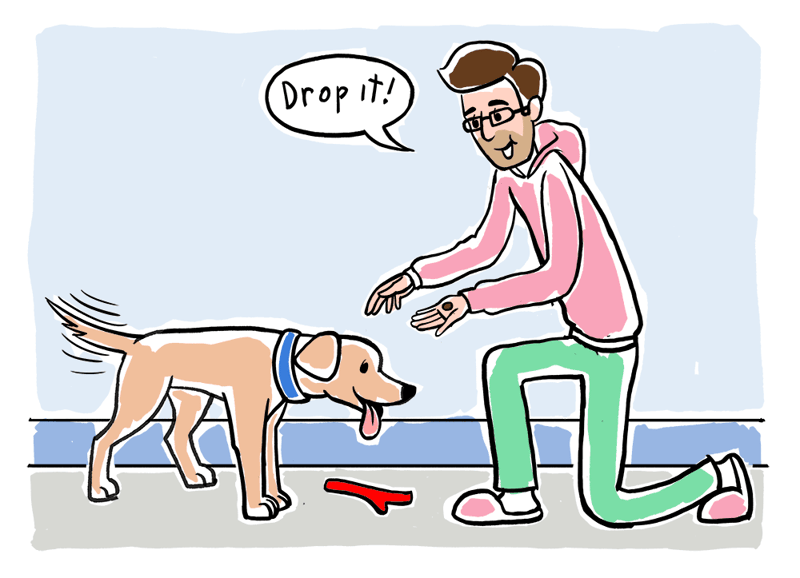
Teach your dog clear commands like “take it” and “release” to control toy exchanges smoothly. Start by holding the toy yourself and saying “take it” as you let your dog grab it.
When it’s time to release, offer a treat and say “release.” Your dog learns that giving up the toy leads to something positive.
Practice these commands regularly in calm settings before trying them in more exciting play sessions. How might your dog respond if you mix these commands into everyday play?
Managing Challenges
Teaching your dog to share toys is rewarding, but it comes with challenges. Dogs often form strong attachments to their favorite items, which can lead to possessiveness or even aggressive behavior. Recognizing these challenges early and managing them carefully helps create a positive environment where your dog feels safe and willing to share.
Handling Possessiveness
Possessiveness over toys is common. Your dog might growl or stiffen when you approach their favorite item. Instead of forcing the issue, try to gently trade the toy for a treat or another toy. This shows your dog that giving up the toy leads to something positive.
Consistency is key. Create moments daily where you ask your dog to release a toy and reward them generously. Have you noticed if your dog’s possessiveness increases with certain toys or during specific times? Identifying triggers helps you tailor your approach effectively.
Dealing With Resource Guarding
Resource guarding is more serious than simple possessiveness. It involves aggressive behaviors like snapping or lunging to protect a toy. If your dog shows these signs, avoid confrontations and instead work on building trust gradually.
Start by standing at a safe distance and tossing treats near the toy without trying to take it. Over time, move closer and reward calm behavior. This teaches your dog that your presence near their toys means good things, not threats.
- Never punish your dog for guarding, as it can increase fear and aggression.
- Use positive reinforcement to encourage relaxed behavior around toys.
- Consult a professional trainer if guarding behaviors escalate or feel unsafe.
Have you observed subtle signs that your dog feels anxious about sharing? Addressing those early can prevent bigger problems and help your dog feel more comfortable around others.
Credit: www.humaneworld.org
Encouraging Group Play
Encouraging group play helps dogs learn to share toys naturally. It builds social skills and reduces possessiveness. Dogs enjoy playing together, which creates a positive environment. Group play also teaches patience and respect for others.
Supervised Playdates
Arrange short playdates with friendly dogs. Always watch closely to prevent fights over toys. Choose a neutral space where no dog feels territorial. Remove toys if play gets too rough or tense. Keep sessions brief and calm to maintain good behavior.
Rewarding Cooperative Behavior
Give treats or praise when dogs share toys nicely. Reward calm actions like taking turns and gentle play. Use a cheerful voice to encourage positive interactions. Consistent rewards help dogs understand sharing is good. This approach strengthens friendly habits during group play.
Maintaining Good Habits
Maintaining good habits is key to teaching your dog to share toys. Consistency helps your dog understand what behavior you expect every day. Regular practice builds trust and makes sharing a natural part of playtime.
Consistent Practice
Practice sharing sessions daily, even for a few minutes. Use the same commands and tone each time. Keep sessions short to hold your dog’s attention. Reward your dog immediately after good sharing behavior. This repetition helps your dog learn faster. Avoid confusing your dog with mixed signals.
Recognizing Progress
Notice small improvements in your dog’s sharing skills. Praise your dog with kind words and gentle pets. Offer treats to encourage continued good behavior. Tracking progress motivates both you and your dog. Celebrate milestones, like allowing another dog to take a toy. This builds positive feelings around sharing.
Credit: www.dogster.com
Frequently Asked Questions
How Can I Encourage My Dog To Share Toys?
Start by using positive reinforcement to reward your dog when they share. Gradually introduce sharing by playing together with multiple toys. Praise them for good behavior. Consistent training will help them associate sharing with positive experiences, making it easier over time.
Why Won’t My Dog Share Toys?
Dogs often see toys as valuable resources and may be possessive. Lack of socialization or past experiences can contribute. Training and positive reinforcement can help change this behavior, encouraging them to share more willingly and comfortably with others.
What Toys Are Best For Teaching Sharing?
Choose toys that are durable and easy to clean. Interactive toys like tug ropes or fetch balls encourage cooperative play. Having multiple of the same toy can prevent possessiveness. Ensure the toys are safe and appropriate for your dog’s size and breed.
Can Training Improve A Dog’s Sharing Behavior?
Yes, consistent training can significantly improve a dog’s sharing behavior. Use positive reinforcement to reward sharing and discourage possessiveness. Patience and persistence are key. Over time, your dog will learn that sharing leads to positive outcomes and more enjoyable interactions.
Conclusion
Teaching a dog to share toys takes time and patience. Start with small steps and praise good behavior. Use treats and gentle guidance to encourage sharing. Keep training sessions short and fun to hold their attention. Remember, every dog learns at their own pace.
Stay calm and consistent throughout the process. Sharing builds trust and strengthens your bond. Enjoy watching your dog become more social and friendly. Keep practicing daily for the best results. Sharing toys can bring happiness to both you and your pet.

Emily Barker is the founder of ChillDogLife.com, a space dedicated to helping pup parents discover the best dog products, lifestyle tips, and cozy ideas for happier homes.
A lifelong dog lover, Emily combines her passion for pets with a knack for research to share trusted recommendations on everything from toys and furniture to health and everyday care.
Her goal is simple: to make life easier, stylish, and more joyful for dogs and the people who love them.




