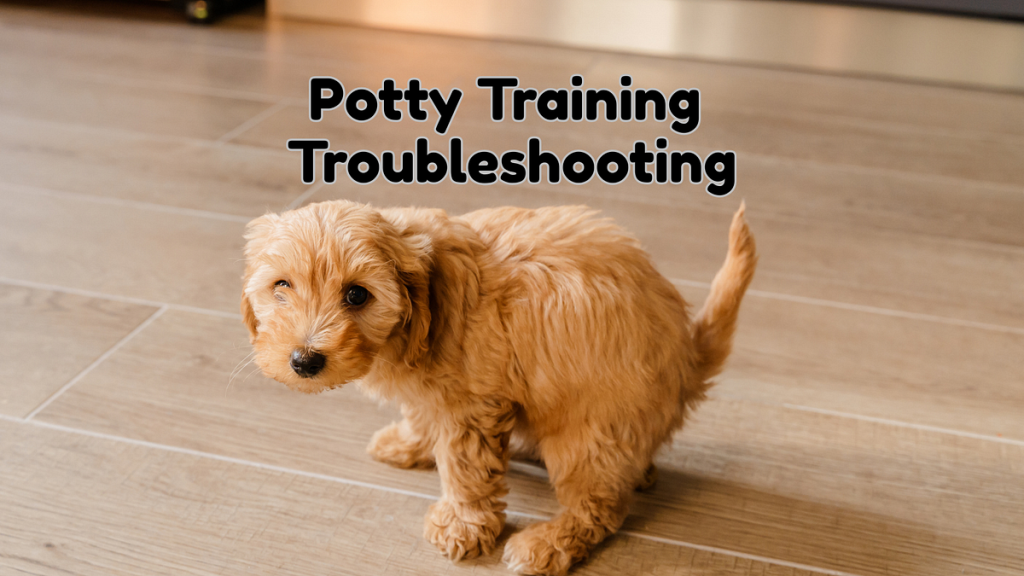
You worked hard to potty train your dog, so why is your well-behaved pup suddenly having accidents? It’s frustrating and confusing, especially when you thought the house was accident-free for good.
But don’t worry—you’re not alone, and there are reasons behind this unexpected behavior. Understanding why your dog is slipping up can help you fix the problem quickly and keep your home clean. Keep reading to discover the common causes and easy solutions that will get your dog back on track.

Credit: www.reddit.com
Common Medical Issues
Potty trained dogs may have accidents due to hidden health problems. Medical issues can disrupt their normal bathroom habits. Recognizing these problems helps in getting the right treatment. Watch for signs beyond just accidents to spot medical causes early.
Urinary Tract Infections
Urinary tract infections (UTIs) cause discomfort and frequent urination. Dogs with UTIs may leak urine or have accidents indoors. They might also lick their genital area more often. UTIs require veterinary care and antibiotics for healing. Ignoring symptoms can lead to serious complications.
Kidney And Bladder Problems
Kidney or bladder issues affect a dog’s ability to hold urine. Conditions like bladder stones or kidney disease cause sudden accidents. These problems often come with other signs like increased thirst or lethargy. Early diagnosis improves treatment success and comfort for your pet.
Diabetes And Hormonal Imbalances
Diabetes causes increased thirst and urination in dogs. Hormonal imbalances, such as Cushing’s disease, also affect bladder control. Both conditions may lead to unexpected accidents in trained dogs. Proper testing and medication can manage symptoms effectively.

Credit: rockykanaka.com
Behavioral Causes
Behavioral causes often lead to accidents in potty trained dogs. These issues can confuse your dog, causing them to lose control. Understanding these behaviors can help you find the right solution quickly.
Anxiety And Stress
Dogs feel anxiety from loud noises, strangers, or separation. Stress can upset their normal bathroom habits. They might urinate inside due to fear or nervousness. Common signs include pacing, whining, or hiding.
Marking Territory
Marking is a natural way dogs claim their space. Even trained dogs may mark inside the house. This usually happens with new pets or visitors. Males are more likely to mark, but females do too. It is different from normal urination.
Changes In Routine Or Environment
Dogs need a steady routine to feel secure. Changes like moving house or new family members can cause accidents. Altered feeding or walking times can confuse them. They may soil indoors until they adjust to the change.
Age-related Factors
Age can play a surprising role in why your potty trained dog might suddenly start having accidents. Both young puppies and senior dogs face unique challenges that can affect their bathroom habits. Understanding these age-related factors can help you respond with patience and the right approach.
Puppy Regression
Puppy regression happens when a dog that once had good potty habits starts having accidents again. This often occurs during growth spurts or after stressful events like moving to a new home or a change in family routine.
Your puppy’s bladder control isn’t fully developed yet, so they might struggle to hold it as long as before. If your pup suddenly forgets their training, don’t get frustrated—this is a normal phase.
Try increasing bathroom breaks and keeping a close eye on their behavior. Consistency and positive reinforcement can help your puppy relearn where and when to go.
Senior Dog Incontinence
Older dogs often experience incontinence due to weakened muscles or underlying health issues. You might notice your senior dog leaking urine even though they’re still eager to go outside.
This isn’t just about potty training lapses—it could be a sign of medical problems like urinary tract infections or hormone imbalances. Have your vet check your dog to rule out health issues that might be causing the accidents.
Managing senior incontinence often involves a combination of medication, protective bedding, and more frequent bathroom visits. It’s important to stay compassionate and adjust your routine to support your aging dog’s comfort.
Credit: pethelpful.com
Training And Reinforcement Issues
Training and reinforcement issues often cause potty trained dogs to have accidents. These problems can confuse your dog and disrupt good bathroom habits. Understanding how training gaps and inconsistent rewards affect your dog helps fix these accidents faster.
Incomplete Training
Some dogs never fully learn where to go. Training might have stopped too soon or skipped important steps. Without complete training, dogs may not understand the right place to potty. They might still test boundaries or forget rules under stress.
Inconsistent Reinforcement
Dogs need clear and steady rewards for going outside. If praise or treats come randomly, dogs get mixed signals. They might think accidents are okay sometimes. Consistency teaches dogs to expect rewards only for good bathroom behavior.
Overlooking Subtle Signs
Dogs often show small signs before needing to potty. Sniffing, circling, or pacing are common signals. Missing these signs means dogs have accidents inside. Watching closely and responding quickly helps prevent mistakes and keeps training strong.
Diet And Hydration Impact
Diet and hydration play a crucial role in your dog’s bathroom habits. Changes in what or how much your dog eats and drinks can directly affect their ability to hold their bladder. Understanding these factors can help you pinpoint why your potty trained dog is suddenly having accidents.
Dietary Changes
Have you recently switched your dog’s food or introduced new treats? Even small changes can upset their digestive system and cause more frequent urination or accidents. A diet high in salt or certain additives can increase thirst and urination, making accidents more likely.
Try to keep your dog’s diet consistent and observe how they respond to new foods. If accidents start right after a diet change, it’s a strong sign the new food might be the cause.
Excessive Water Intake
Does your dog suddenly seem thirstier than usual? Drinking more water can naturally lead to more bathroom breaks. Sometimes, increased water intake is a sign of health issues like diabetes or kidney problems, which require a vet’s attention.
Monitor your dog’s water habits closely. If your dog is drinking a lot more than normal and having accidents, it’s important to check with your vet to rule out medical causes.
Feeding Schedule
When you feed your dog affects their bathroom routine more than you might think. Irregular feeding times can disrupt their internal clock, leading to unexpected accidents.
Try feeding your dog at the same times every day to help regulate their digestion and bathroom schedule. This simple change can improve bladder control and reduce accidents.
Environmental Triggers
Environmental triggers can disrupt a potty trained dog’s routine. Changes in surroundings often cause stress or confusion. Dogs rely on consistency. New sights, sounds, or smells may lead to accidents. Recognizing these triggers helps manage and reduce accidents.
New Pets Or Family Members
Introducing new pets or family members can unsettle a dog. The dog may feel insecure or anxious. This stress can cause loss of bladder control. Dogs might also mark territory to feel secure. Patience and gradual introductions ease the transition.
Moving To A New Home
Moving changes everything a dog knows. New rooms, smells, and outdoor spaces confuse them. Dogs may not find their usual potty spots right away. Stress from moving can cause accidents indoors. Keeping routines similar helps dogs adjust faster.
Loud Noises Or Disturbances
Loud noises like thunderstorms or fireworks scare many dogs. Fear can make them lose control over their bladder. Construction sounds or parties can also trigger accidents. Creating a safe, quiet space calms nervous dogs during disturbances.
When To Seek Veterinary Help
Accidents in a potty trained dog can signal more than just a bad day. Sometimes, medical issues cause these unexpected slips. Knowing when to seek veterinary help is key to your dog’s health and comfort. Early action can prevent serious problems and ease your dog’s distress.
Recognizing Serious Symptoms
Watch for signs that need urgent care:
- Frequent urination or accidents
- Straining or pain while urinating
- Blood in urine
- Excessive licking of the genital area
- Sudden changes in appetite or behavior
- Vomiting or diarrhea
These symptoms may indicate infections or other health issues. Acting quickly helps your dog recover faster.
Preparing For A Vet Visit
Gather information to help the vet:
- Note accident frequency and timing
- List any new foods, treats, or medications
- Record changes in water intake
- Observe behavior and activity levels
- Collect a urine sample if possible
Clear details allow the vet to diagnose accurately and start treatment promptly.
Treatment Options
Vet treatments vary based on the cause:
- Antibiotics for urinary tract infections
- Medication for bladder stones or inflammation
- Diet changes to support urinary health
- Behavioral therapy for anxiety-related accidents
- Surgery in rare, severe cases
Follow the vet’s advice and complete all treatments. Proper care helps your dog return to normal quickly.
Frequently Asked Questions
Why Is My Dog Having Accidents Suddenly?
Sudden accidents in potty-trained dogs may be due to stress, health issues, or changes in routine. It’s important to observe any other symptoms and consult a vet if necessary. Identifying the cause early can help prevent future accidents and ensure your dog’s well-being.
Could Anxiety Cause Potty Accidents In Dogs?
Yes, anxiety can lead to accidents in potty-trained dogs. Stressful events like moving or loud noises can trigger anxiety. Providing a calm environment and maintaining a consistent routine can help reduce stress-induced accidents. Consider consulting a vet or behaviorist for additional support.
How Can Diet Changes Affect Potty Training?
Diet changes can cause digestive issues, leading to accidents in dogs. Sudden switches in food can upset a dog’s stomach. Gradually introduce new foods and monitor your dog’s response. If accidents persist, consult a vet to ensure your dog’s diet is appropriate and balanced.
Are Health Problems Causing My Dog’s Accidents?
Yes, health problems can cause accidents in potty-trained dogs. Issues like urinary infections or gastrointestinal problems are common culprits. Monitor for additional symptoms like lethargy or changes in appetite. Consult a vet to diagnose and treat any underlying health issues promptly.
Conclusion
Potty accidents can happen for many reasons. Health issues, stress, or changes in routine often cause problems. Watch your dog closely and note any changes. Keep a regular schedule for bathroom breaks. Patience and care help your dog feel safe.
If accidents continue, talk to your vet. Understanding your dog’s needs is key. Stay calm and consistent with training. Your dog can get back on track soon. Trust the process and give love.

Emily Barker is the founder of ChillDogLife.com, a space dedicated to helping pup parents discover the best dog products, lifestyle tips, and cozy ideas for happier homes.
A lifelong dog lover, Emily combines her passion for pets with a knack for research to share trusted recommendations on everything from toys and furniture to health and everyday care.
Her goal is simple: to make life easier, stylish, and more joyful for dogs and the people who love them.




