
Have you ever wondered if you can get a life insurance policy for your dog? Your furry friend is more than just a pet—they’re a part of your family.
Protecting their future might be on your mind, especially if you want to cover unexpected expenses or ensure their care if something happens to you. This idea might sound unusual, but it’s worth exploring. Keep reading to find out if insuring your dog’s life is possible and what options you have to give your loyal companion the security they deserve.
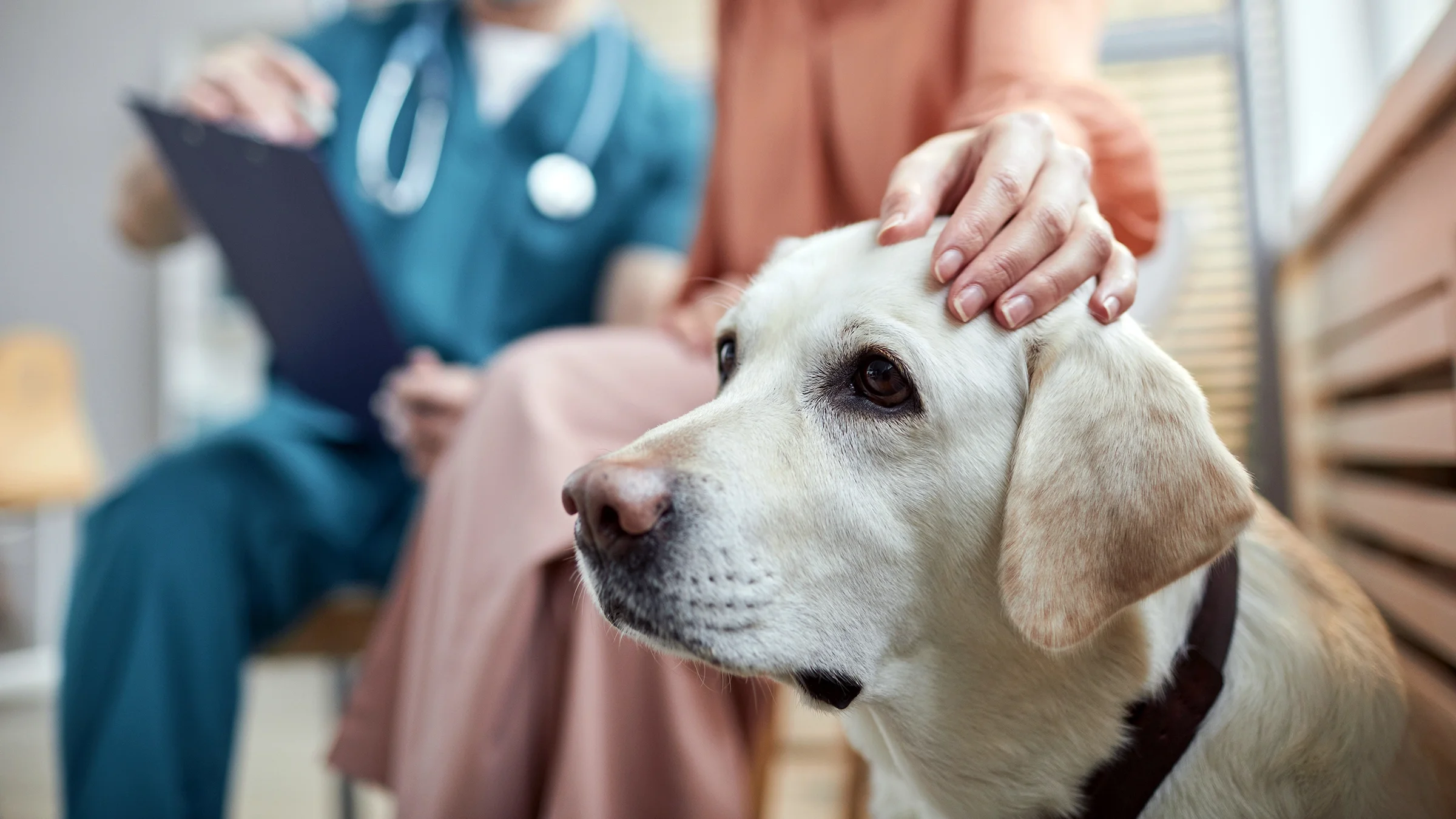
Credit: www.goodrx.com
Pet Insurance Vs Life Insurance
Deciding between pet insurance and life insurance for your dog can be confusing. Both offer financial protection, but they serve very different purposes. Understanding these differences helps you choose what fits your needs and your pet’s well-being.
Differences Between Pet And Life Insurance
Pet insurance primarily covers medical expenses if your dog gets sick or injured. It helps with vet bills, surgeries, and treatments while your dog is alive. Life insurance, on the other hand, provides a payout after your dog passes away, usually to cover burial or memorial costs.
Many pet owners don’t realize life insurance for pets is rare and often limited. Pet insurance is more common and designed to help you afford care during your dog’s lifetime. Ask yourself: Are you more concerned about day-to-day health costs or planning for the unexpected end?
What Pet Insurance Covers
- Accidents and Injuries:Coverage for broken bones, bites, and other injuries your dog might suffer.
- Illnesses:Treatment for diseases like cancer, infections, or chronic conditions such as diabetes.
- Routine Care (optional):Some plans offer coverage for vaccinations, flea control, and dental cleanings.
- Surgeries and Hospitalization:Major medical procedures and overnight stays at the vet.
Keep in mind, pet insurance usually doesn’t cover pre-existing conditions. If your dog has a known health issue, check if it’s excluded. Consider how much you spend on vet visits now and if insurance could ease those costs.
Availability Of Life Insurance For Dogs
Finding life insurance for your dog is not as straightforward as it is for humans. While pet insurance is common, life insurance policies specifically covering dogs are much harder to come by. Understanding what options exist and why these policies are rare can help you make informed decisions about protecting your furry friend’s future.
Current Market Options
Most pet insurance plans focus on covering veterinary bills related to accidents, illnesses, and routine care. Few companies offer policies that pay out a lump sum upon a pet’s death, which would resemble traditional life insurance.
If you want financial protection related to your dog’s passing, look for:
- Pet funeral or burial insurance – covers cremation or burial costs
- Accidental death coverage – pays out if your dog dies due to an accident
- Specialized policies in some countries – rare but sometimes available
However, these options are limited and not widely advertised. You may need to contact pet insurance providers directly to ask if they offer any life insurance-like policies.
Why Life Insurance For Dogs Is Rare
Insurance companies hesitate to offer life insurance for dogs because predicting a pet’s lifespan and health risks is challenging. Dogs have varied breeds, sizes, and health conditions, making risk assessment complex and costly for insurers.
Unlike human life insurance, there is less demand for dog life insurance. Most pet owners prioritize coverage for medical expenses rather than payouts after death.
Have you considered how you would handle unexpected costs if your dog passed away? Understanding the gap in the market may encourage you to look into alternative ways to prepare financially for your pet’s end of life.
Alternatives To Life Insurance For Dogs
If you’re thinking about protecting your dog’s future but life insurance for dogs isn’t an option, don’t worry. There are practical alternatives that can help you manage the costs of healthcare and emergencies. These options give you peace of mind while ensuring your pet gets the care they need.
Pet Health Insurance Benefits
Pet health insurance covers many veterinary expenses, from accidents to illnesses. Unlike life insurance, it focuses on your dog’s well-being while they are alive. This means you can handle unexpected medical bills without draining your savings.
Some plans even cover routine care like vaccinations and check-ups. Imagine not worrying about a sudden vet visit after your dog swallows something they shouldn’t. You get to make the best choices for your pet without financial stress.
Have you checked what coverage fits your dog's breed or age? Some insurers offer tailored plans that suit specific needs, making the coverage even more effective.
Saving Plans For Pet Care
Setting up a dedicated savings plan for your dog’s care is a simple but powerful tool. You can start small and add to it regularly, building a fund just for your pet’s health and emergencies. This gives you control and flexibility without dealing with insurance rules.
Think about how much you spend on food, toys, and grooming—could some of that go into a savings account instead? Over time, that money can cover vet bills, medications, or even special treatments.
Would you prefer having cash ready or relying on insurance policies? A savings plan lets you decide how to use the funds and when, which can be a great advantage in urgent situations.
Credit: www.goodrx.com
Factors Affecting Dog Insurance Policies
Several factors influence the cost and availability of dog insurance policies. Insurers assess risks to set premiums and coverage limits. Understanding these factors helps pet owners make informed choices.
Breed And Age Considerations
Breed plays a key role in insurance decisions. Some breeds face more health issues, leading to higher premiums. Large breeds often cost more to insure than small breeds.
Age affects both price and coverage. Younger dogs usually have lower premiums. Older dogs might face restrictions or higher costs due to health risks.
Health And Pre-existing Conditions
Insurance companies require health information before approval. Dogs with pre-existing conditions may be excluded or charged more. Conditions like arthritis or allergies often lead to limited coverage.
Regular vet checks and a clean health history can improve chances of approval. Insurers want to avoid costly claims linked to ongoing health problems.
How To Choose The Right Pet Insurance
Choosing the right pet insurance is important to protect your dog and your wallet. The right policy covers medical bills and gives peace of mind. Focus on what matters most: coverage and cost. Understanding these factors helps you find a plan that fits your needs.
Coverage Options To Look For
Good pet insurance covers accidents and illnesses. Look for policies that include:
- Accident coverage for injuries and emergencies
- Illness coverage for diseases and chronic conditions
- Routine care for vaccinations and check-ups
- Hereditary and congenital conditions
- Prescription medications
- Dental treatments
Check if the policy has limits on payouts or exclusions. Some plans exclude pre-existing conditions. Choose coverage that matches your dog’s age, breed, and health risks.
Comparing Policy Costs
Pet insurance costs vary by coverage, breed, and location. Monthly premiums, deductibles, and reimbursement rates affect total costs. Compare these carefully:
| Cost Factor | What to Consider |
|---|---|
| Premium | Monthly amount paid for coverage |
| Deductible | Amount paid before insurance pays |
| Reimbursement Rate | Percentage of vet bills covered |
Balance price with coverage quality. Low cost may mean less coverage. Higher cost often offers better protection.
Financial Planning For Your Dog’s Care
Planning financially for your dog’s care is a smart move that can save you stress and money down the road. Dogs, like family members, need ongoing attention and sometimes unexpected medical help. Preparing your finances ensures you can provide the best care without scrambling for funds.
Setting Up Emergency Funds
Emergencies happen without warning. Having a dedicated emergency fund for your dog means you won’t hesitate to get urgent treatment when needed.
Start by setting aside a small amount each month. Even $20 can add up over time, building a safety net for accidents or sudden illnesses.
Think about costs like emergency vet visits, surgeries, or medications that aren’t covered by routine care. Would you be ready if your dog needed an unexpected $1,000 procedure tomorrow?
Investing In Routine Care
Routine care keeps your dog healthy and can prevent costly problems later. Budget for regular vet checkups, vaccinations, and dental cleanings.
Consider adding preventive treatments like flea and tick control or special diets if your dog needs them. These small investments can save you from expensive treatments in the future.
Routine care also includes grooming and exercise, which contribute to your dog’s well-being. How much are you currently spending on these essentials, and could adjusting your budget improve your dog’s quality of life?

Credit: www.purelypetsinsurance.co.uk
Frequently Asked Questions
Can Dogs Have Life Insurance Policies?
Dogs cannot have life insurance like humans. However, pet insurance can cover veterinary expenses. This ensures your pet’s health needs are met. It’s a valuable investment for unexpected medical costs. Always research and compare different pet insurance plans.
What Is Pet Insurance For Dogs?
Pet insurance covers veterinary costs for illnesses, injuries, and preventive care. It helps manage unexpected expenses. Policies differ, so compare coverage and costs. Some plans offer additional benefits like dental care. Always read the terms before purchasing.
Can You Insure A Dog Against Death?
Pet insurance usually doesn’t cover death. However, some policies include accidental death coverage. This is not common. Always check the specific terms of your chosen policy. It’s crucial to understand what’s included and excluded.
How Much Does Dog Insurance Cost?
Dog insurance costs vary based on breed, age, and coverage. Monthly premiums range from $20 to $100. Higher coverage plans cost more. Always compare different insurance providers. Consider both cost and coverage options to find the best fit.
Conclusion
Pets bring joy and comfort to many homes. Protecting their health is important. Life insurance for dogs is not common but pet insurance helps cover medical costs. Knowing the options helps you make smart choices for your dog. Always read the details before buying any policy.
Caring for your dog means planning for their needs. A healthy pet leads to happy moments together. Keep your dog safe with the right protection.

Emily Barker is the founder of ChillDogLife.com, a space dedicated to helping pup parents discover the best dog products, lifestyle tips, and cozy ideas for happier homes.
A lifelong dog lover, Emily combines her passion for pets with a knack for research to share trusted recommendations on everything from toys and furniture to health and everyday care.
Her goal is simple: to make life easier, stylish, and more joyful for dogs and the people who love them.




