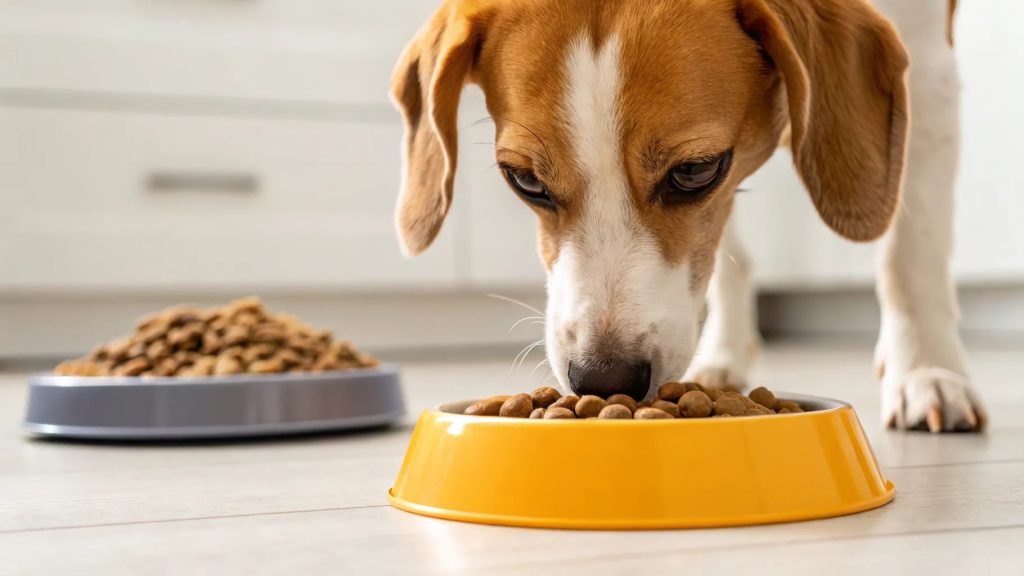
Getting your dog to eat kibble can sometimes feel like a challenge. You want to make sure your furry friend stays healthy and happy, but they might turn their nose up at the dry food you offer.
If you’ve been struggling to get your dog interested in kibble, you’re not alone. The good news is, there are simple, effective ways to encourage your dog to enjoy their meals. Keep reading, and you’ll discover easy tips that can transform mealtime from a battle into a breeze—making both you and your dog happier.

Credit: sitmeanssit.com
Reasons Dogs Refuse Kibble
Understanding why your dog refuses kibble is the first step toward helping them enjoy their meals. Dogs can be picky eaters for a variety of reasons, and identifying the root cause can save you frustration and ensure your pet gets the nutrition they need. Let’s look at some common reasons dogs turn their noses up at kibble.
Taste Preferences
Dogs, like people, have their own taste preferences. Some dogs find the texture or flavor of certain kibble unappealing. If your dog suddenly rejects a brand they’ve eaten before, it might be because their taste buds have changed or they simply prefer something different.
Think about what treats or human foods your dog enjoys. Does your dog like chicken more than beef? Sometimes switching to a kibble with flavors closer to their favorites can make a big difference.
Health Issues
Refusing kibble can signal underlying health problems. Dental pain, digestive upset, or other medical conditions might make eating dry kibble uncomfortable. If your dog shows signs of discomfort or other symptoms, a vet visit is essential.
Even minor issues like sore gums or an upset stomach can cause picky eating. You might notice your dog chewing less or swallowing differently. Paying attention to these signs can help you catch problems early.
Previous Feeding Habits
Your dog’s past diet affects their current eating habits. Dogs used to wet food or table scraps might find kibble dry and boring. If your dog has been fed mostly fresh or homemade meals, the transition to kibble can be challenging.
Try mixing a small amount of wet food or broth into the kibble to make it more enticing. Gradual changes are often more successful than sudden switches. Have you noticed if your dog prefers meals served warm or cold? Temperature can also influence acceptance.
Credit: dogsauce.co
Choosing The Right Kibble
Choosing the right kibble is a crucial step in encouraging your dog to eat it happily. Not all kibbles are created equal, and selecting one that suits your dog’s needs and preferences can make a big difference. You want to find a balance between nutrition, taste, and texture to keep your furry friend interested and healthy.
Checking Ingredients
Look for kibble with real meat or fish listed as the first ingredient. Avoid those loaded with fillers like corn, wheat, or soy, which can be hard for dogs to digest and offer little nutritional value.
Watch out for artificial colors, flavors, and preservatives. These additives can turn off picky eaters and sometimes cause allergies or digestive issues.
Have you checked your dog’s ingredient sensitivity? If your dog shows signs of allergies, choosing limited ingredient formulas can help narrow down the culprit.
Considering Size And Texture
Think about your dog’s breed and age when choosing kibble size. Small breeds usually prefer smaller, softer pieces, while large breeds need bigger kibble to encourage chewing and dental health.
Texture matters too. Some dogs like crunchy kibble; others prefer a softer or even semi-moist option. Mixing kibble with a bit of warm water or broth can soften the texture and make it more appealing.
Have you noticed your dog struggling to chew certain kibble? Adjusting size or texture might be the key to getting them excited about mealtime again.
Picking Quality Brands
Not all brands offer the same quality. Look for companies with transparent sourcing and manufacturing practices. Brands that invest in quality control often produce kibble that supports your dog’s health better.
Check reviews and ask your vet for recommendations. Sometimes, a brand that worked wonders for another dog may be perfect for yours too.
Remember, the most expensive kibble isn’t always the best. Focus on balanced nutrition and ingredient quality rather than price tags alone.
Preparing Kibble For Appeal
Making kibble more appealing can help picky dogs enjoy their meals. Small changes in preparation can improve the taste and smell. These tricks encourage dogs to eat their food happily.
Warming The Food
Warm kibble releases more aroma, attracting your dog’s attention. Heat the food slightly using a microwave or warm water. Avoid overheating to prevent burns or loss of nutrients. Serve the kibble warm, not hot, for best results.
Adding Tasty Toppers
Sprinkle tasty toppings to make kibble irresistible. Use small amounts of cooked chicken, broth, or shredded cheese. Choose dog-safe foods without salt or spices. Toppers add flavor and texture your dog will love.
Mixing With Wet Food
Mixing kibble with wet food improves moisture and taste. Combine a portion of wet food with dry kibble in the bowl. This blend softens the kibble and releases enticing smells. It can help dogs who dislike dry food alone.
Creating A Feeding Routine
Creating a feeding routine can make a huge difference in getting your dog to eat kibble. Dogs thrive on predictability, so establishing clear patterns helps them understand when it’s time to eat. This approach not only encourages better eating habits but also strengthens your bond as your dog learns to trust the schedule you set.
Setting Regular Meal Times
Choose specific times each day to offer kibble, such as morning and evening. Stick to these times consistently, even if your dog doesn’t eat right away. Over time, your dog will start to anticipate meals and become more interested in the food.
Imagine your dog waking up and knowing exactly when breakfast arrives—this predictability can reduce anxiety and improve appetite. Avoid leaving food out all day, as free-feeding often leads to disinterest in kibble during meal times.
Limiting Treats
Too many treats can spoil your dog’s appetite for kibble. Cut back on snacks between meals to make kibble the main focus. If you use treats for training, consider using small portions of kibble instead.
Think about how you feel when you snack all day—would you be hungry at mealtime? Your dog’s hunger works the same way. By limiting treats, you help reset their appetite, making kibble more appealing.
Encouraging Consistency
Keep your feeding routine steady, even on weekends or holidays. Dogs respond well to consistency, which helps them develop healthy eating habits. Avoid giving in to begging or offering alternative foods when your dog refuses kibble.
Consistency builds trust and expectation. When your dog learns that kibble is what they get at meal times, they’re more likely to eat it without fuss. Have you noticed how your dog reacts when the routine suddenly changes? That reaction reveals how important steady habits really are.
Encouraging Eating Behavior
Encouraging your dog to eat kibble can take patience and gentle guidance. Dogs respond well to positive habits that make mealtime inviting and stress-free. Creating a routine that supports healthy eating behavior helps your dog feel safe and eager to eat.
Using Positive Reinforcement
Reward your dog with praise or a small treat after eating kibble. This builds a happy connection with mealtime. Use a calm voice to encourage your dog. Avoid scolding or forcing them to eat. Positive reinforcement helps your dog feel confident and motivated.
Avoiding Free Feeding
Do not leave kibble out all day for your dog to nibble. Set specific meal times and remove the bowl after 15-20 minutes. This creates a regular eating schedule and prevents overeating. Your dog learns to eat when food is offered and waits for the next meal.
Making Mealtime Comfortable
Choose a quiet, calm spot for feeding your dog. Keep the area free from loud noises and distractions. Use a clean bowl and place it on a non-slip surface. A peaceful environment helps your dog relax and focus on eating.
Credit: www.houndsy.com
When To Consult A Vet
Knowing when to consult a vet is crucial if your dog refuses to eat kibble. Sometimes, the issue goes beyond picky eating and signals a deeper health or behavioral problem. Recognizing these signs early can save your pet discomfort and help you address the root cause effectively.
Signs Of Health Problems
If your dog suddenly stops eating kibble, watch closely for other symptoms like vomiting, diarrhea, lethargy, or weight loss. These signs may point to underlying health issues such as infections, dental pain, or digestive problems.
Ignoring these symptoms can make conditions worse. Has your dog shown any unusual behavior besides refusing food? That’s often a red flag to get professional advice quickly.
Dietary Needs Assessment
Sometimes your dog’s refusal to eat kibble means their current diet doesn’t meet their nutritional needs. Age, breed, or medical conditions can change what your dog requires from their food.
A vet can help assess if your dog needs a special formula or supplements. Are you certain the kibble you’re offering matches your dog’s specific dietary demands?
Behavioral Concerns
Stress, anxiety, or changes in environment can cause your dog to avoid their food. Behavioral issues may look like stubbornness but often have deeper emotional causes.
Vets can suggest strategies or recommend a pet behaviorist if needed. Could a recent change in routine or surroundings be affecting your dog’s appetite?
Frequently Asked Questions
How Can I Make Kibble More Appealing?
Enhance kibble by adding warm water, bone broth, or a small amount of wet food. Mixing in dog-safe vegetables or a bit of cooked meat can also entice your dog. Ensure any additions are safe and healthy. Always introduce new foods gradually to avoid stomach upset.
Why Won’t My Dog Eat Kibble?
Your dog might be bored with the taste or texture of kibble. Health issues, dental problems, or stress might also cause refusal. Check with a vet if the issue persists. Sometimes, simply changing the kibble brand or flavor can make a difference.
Can I Mix Kibble With Wet Food?
Yes, mixing kibble with wet food can make meals more enticing. It adds flavor and moisture, which can appeal to picky eaters. Ensure the combination remains balanced and portion-controlled. Always consult with a vet to maintain a balanced diet.
Is It Okay To Change Kibble Brands?
Switching kibble brands is fine but should be done gradually. Introduce the new kibble by mixing it with the old one over a week. This helps prevent digestive issues. Monitor your dog’s reaction to ensure they adapt well to the new food.
Conclusion
Getting your dog to eat kibble takes time and patience. Try mixing wet food or broth to make kibble tastier. Offer small amounts often to build good habits. Keep feeding times regular and stay calm while feeding. Watch your dog’s reactions and adjust as needed.
Every dog is different, so find what works best. With care and persistence, your dog will enjoy kibble soon. Keep it simple and consistent for the best results.

Emily Barker is the founder of ChillDogLife.com, a space dedicated to helping pup parents discover the best dog products, lifestyle tips, and cozy ideas for happier homes.
A lifelong dog lover, Emily combines her passion for pets with a knack for research to share trusted recommendations on everything from toys and furniture to health and everyday care.
Her goal is simple: to make life easier, stylish, and more joyful for dogs and the people who love them.




