If you have a dog, you probably wonder, “How often should my dog get the rabies vaccine?” Keeping your furry friend safe from rabies is crucial, but the vaccination schedule can sometimes be confusing.
Knowing the right timing not only protects your dog but also keeps your family and community safe. You’ll discover exactly when and why your dog needs the rabies shot, so you never miss an important date. Keep reading to learn how to keep your dog healthy and secure for years to come.
Rabies Vaccine Basics
Understanding the basics of the rabies vaccine is key for every dog owner. Rabies is a deadly disease that affects the nervous system. Vaccinating dogs protects them and the people around them. Knowing what rabies is and why vaccination matters helps keep your dog safe.
What Is Rabies?
Rabies is a viral infection that spreads through bites or scratches. It affects the brain and spinal cord. Once symptoms start, rabies is almost always fatal. The virus can infect all mammals, including dogs and humans.
Signs of rabies in dogs include:
- Unusual aggression or fear
- Excessive drooling
- Difficulty swallowing
- Paralysis
Rabies spreads quickly and can be passed to humans. Preventing it is critical for health.
Importance Of Vaccination
Vaccination is the most effective way to prevent rabies. It helps dogs build immunity against the virus. A vaccinated dog is protected even if exposed to rabies.
Rabies vaccines are required by law in many places. They protect the community and reduce the risk of outbreaks. Keeping your dog’s vaccine up to date ensures they stay safe.
Vaccinating dogs also helps control rabies in wild animals. This keeps pets and people safer over time. Regular vaccination is a simple step with a big impact.
Vaccination Schedule
Keeping your dog safe from rabies means following the right vaccination schedule. Rabies vaccines protect pets and people. Timing and regular boosters matter a lot. Understanding the vaccination schedule helps keep your dog healthy and protected.
Initial Vaccination Timing
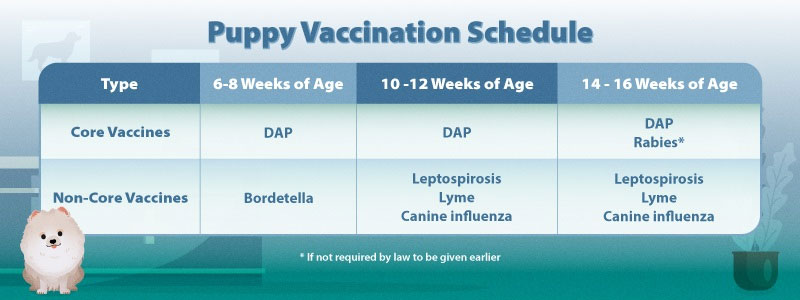
Puppies usually get their first rabies shot at 12 weeks old. Some places allow vaccination as early as 8 weeks. This first vaccine builds the dog’s initial immunity. It is important to follow your vet’s advice for the exact timing.
Booster Shots Frequency
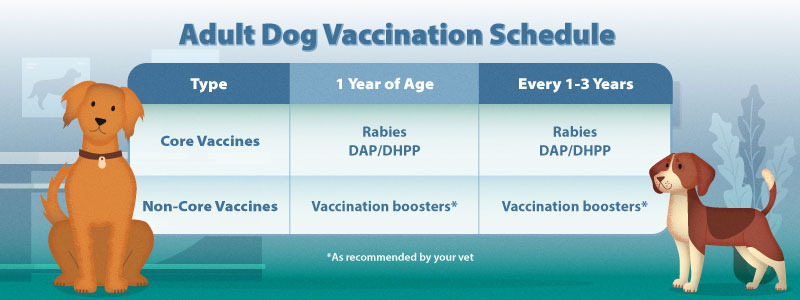
After the first vaccine, dogs need booster shots to stay protected. Most dogs get a booster one year after the initial shot. Then, boosters often follow every 1 to 3 years. The exact frequency depends on local laws and vaccine type.
Age-specific Guidelines
Young puppies need their first vaccine and a booster after one year. Adult dogs require boosters every 1 to 3 years. Older dogs still need regular vaccines unless your vet says otherwise. Always ask your vet about the best schedule for your dog’s age.
Factors Influencing Vaccine Timing
The timing of a rabies vaccine for dogs depends on several factors. These factors help decide how often your dog needs the vaccine. Understanding these elements ensures your dog stays protected without unnecessary shots.
Vaccine schedules vary to match each dog’s unique needs. Age, health, and environment all play roles. Knowing these influences helps keep your dog safe and healthy.
Breed And Size Considerations
Different breeds may respond differently to vaccines. Small dogs sometimes need less frequent boosters than large dogs. Larger breeds often have stronger immune reactions. Some breeds may have health issues affecting vaccine timing.
Consult your vet about your dog’s breed and size. They can tailor the vaccine schedule for best results.
Lifestyle And Exposure Risks
A dog’s daily activities affect vaccine frequency. Dogs spending more time outdoors face higher rabies risks. Dogs in rural areas or near wildlife need more protection. Indoor dogs with little exposure may need fewer shots.
Assess your dog’s lifestyle to decide on vaccine timing. Higher exposure means more frequent boosters.
Local Laws And Regulations
Many places have laws about rabies vaccination. These laws set minimum requirements for vaccine timing. Some regions require annual rabies shots. Others allow three-year vaccine intervals.
Check local rules to ensure compliance. Following laws helps protect your dog and community.
Credit: www.carecredit.com
Vaccine Types And Safety
Understanding the types of rabies vaccines available and their safety profiles is key to making the best choice for your dog’s health. Knowing what to expect can ease your concerns and help you spot any unusual reactions early. Let’s break down what these vaccines are and how safe they really are for your furry friend.
Available Rabies Vaccines
There are primarily two types of rabies vaccines used for dogs:
- Inactivated (Killed) Vaccines:These vaccines contain virus particles that are dead and cannot cause disease. They are widely used and have a strong safety record.
- Recombinant Vaccines:These use a small piece of the rabies virus’s genetic material to provoke immunity without using the whole virus. They tend to have fewer side effects but may be less common.
Your vet will recommend the best option based on your dog’s age, health status, and local regulations. Have you ever asked your vet why they chose a specific vaccine for your dog? It’s worth discussing.
Possible Side Effects
Most dogs handle rabies vaccines well, but like any medical intervention, some side effects can occur.
- Mild soreness or swelling at the injection site is common and usually fades within a day or two.
- Some dogs may experience mild fever, tiredness, or decreased appetite for a short time.
- Rarely, more serious allergic reactions can happen, such as difficulty breathing, vomiting, or swelling of the face.
Knowing these signs can help you act quickly if your dog shows any unusual symptoms after vaccination. Have you noticed any changes in your pet after their shots?
Managing Vaccine Reactions
If your dog shows mild side effects, simple care like rest and plenty of water usually helps.
For swelling or soreness, applying a cool compress can reduce discomfort. Always monitor your dog closely after vaccination, especially during the first 24 hours.
If you see signs of a serious allergic reaction, contact your vet immediately. Quick action can prevent complications and keep your dog safe.
Keeping a vaccination record and noting any reactions can improve future vaccine choices. How prepared are you to handle a vaccine reaction if it occurs?
Legal Requirements For Dogs
Legal requirements for vaccinating dogs against rabies vary widely. These laws aim to protect public health and prevent disease outbreaks. Dog owners must understand and follow local rules to keep pets and people safe.
Rabies Laws By Region
Rabies vaccination laws differ by country, state, and city. Some places require yearly vaccines. Others allow a three-year vaccine after the first shot. Certain areas demand vaccination before a dog reaches a specific age.
Traveling with dogs means checking vaccine rules at your destination. Always confirm local laws to avoid fines or quarantine.
Registration And Proof
Most regions require dog owners to register pets with local authorities. Proof of rabies vaccination is often part of this process. Registration helps track vaccinations and monitor dog populations.
Keep vaccination certificates safe. You may need to show them during vet visits or inspections.
Penalties For Non-compliance
Failing to vaccinate dogs against rabies can lead to serious penalties. These may include fines or mandatory quarantine for the dog. Repeat offenses can result in higher fines or legal action.
Some areas may restrict pet activities, like visits to parks or boarding facilities, for unvaccinated dogs. Compliance protects your dog and community from rabies risks.
Traveling With Your Dog
Traveling with your dog can be an exciting adventure, but it also requires careful preparation to ensure your furry friend stays safe and healthy. One critical aspect is keeping your dog’s rabies vaccine up to date. This not only protects your pet but also meets the legal requirements of many travel destinations.
Vaccination For International Travel
Most countries require dogs to have a current rabies vaccination before entering. Typically, the vaccine must be administered at least 21 days before travel to be valid.
Some places also insist that the vaccine is not older than one year or three years, depending on the vaccine type. Check the specific rules of your destination well in advance, so you can schedule your dog’s vaccination accordingly.
Have you ever faced a last-minute travel delay because your pet’s vaccinations weren’t up to date? Avoid that stress by confirming vaccination timelines early.
Documentation Needed
Carrying proper documentation is essential for smooth travel. You will need a rabies vaccination certificate that clearly states the date of vaccination, vaccine type, and veterinarian details.
Some countries may also require a pet passport or a health certificate issued by a licensed vet. Make sure these documents are in English or the official language of your destination.
- Keep both physical copies and digital backups of all documents.
- Verify if you need additional paperwork like microchip details or blood test results.
Have you checked your pet’s paperwork lately? Missing or incomplete documents can cause denied entry or quarantine.
Quarantine Rules
Quarantine regulations vary widely depending on the country. Some places enforce strict quarantine periods to prevent disease spread, while others have minimal or no quarantine for vaccinated dogs.
Understanding these rules can save you and your dog from unexpected stress and expenses. Research your destination’s policies thoroughly to avoid surprises upon arrival.
If quarantine is required, ask about the facility conditions and duration. Preparing your dog for this experience can make a big difference in how they handle it.
Would you want your dog to be stuck in a quarantine kennel for weeks? Knowing the rules upfront helps you decide whether to travel or postpone.
Tips For Pet Owners
Keeping your dog’s rabies vaccine schedule on track is crucial for their health and your peace of mind. It’s not just about remembering dates; it’s about staying organized, staying alert, and knowing what signs to watch for. Here are some practical tips that can help you manage your pet’s rabies vaccinations effectively.
Keeping Vaccination Records
Have you ever tried to find your dog’s vaccination card only to realize it’s lost or buried under piles of paper? Keeping all vaccination records in one easy-to-access place saves time and stress.
- Use a dedicated folder or a digital app specifically for pet health records.
- Include the vaccine type, date administered, and the vet’s contact information.
- Update the records immediately after each vet visit to avoid missing any booster shots.
Think about how much easier vet visits become when you can quickly pull up your dog’s vaccine history.
Scheduling Vet Visits
Don’t wait until the last minute to book your dog’s rabies vaccination. Mark your calendar as soon as your vet gives you the next due date.
- Set reminders on your phone or use a calendar app that alerts you weeks before the vaccine expires.
- Try to schedule vaccinations during times you’re least busy to avoid last-minute cancellations.
- Ask your vet about combining rabies shots with other routine vaccinations to reduce the number of visits.
Have you noticed how setting reminders can prevent those “oops, I forgot” moments? Staying proactive keeps your dog protected without the hassle.
Recognizing Rabies Symptoms
Knowing what signs to watch for can save your dog’s life. Rabies symptoms can start subtly and escalate quickly.
- Look out for sudden changes in behavior like aggression, excessive drooling, or paralysis.
- Notice if your dog becomes unusually fearful or disoriented.
- Contact your vet immediately if you suspect any symptoms—even if your dog is vaccinated.
Have you ever wondered how quick recognition of symptoms can make a difference? Early action can prevent serious consequences.
Credit: www.carecredit.com

Credit: ccdogdaycare.com
Frequently Asked Questions
How Often Should Dogs Get Rabies Shots?
Dogs should receive their first rabies vaccination by 16 weeks old. After that, a booster is required one year later. Subsequent boosters should be given every one to three years, depending on the vaccine used and local regulations. Always consult your veterinarian for personalized advice.
Can A Dog Skip A Rabies Booster?
Skipping a rabies booster is not recommended. Maintaining a regular vaccination schedule is crucial for your dog’s health and legal compliance. Consult your veterinarian if your dog missed a booster. They can advise on the best course of action to ensure your dog’s continued protection.
Is Rabies Vaccine Mandatory For Dogs?
Yes, rabies vaccination is mandatory for dogs in many regions. This requirement helps prevent the spread of this deadly virus. Laws vary, so check your local regulations. Keeping your dog’s rabies vaccination up-to-date protects both your pet and the community.
What Are The Side Effects Of Rabies Vaccine In Dogs?
Most dogs experience mild side effects from the rabies vaccine, such as soreness or slight fever. Serious reactions are rare but can include vomiting or swelling. If you notice any severe symptoms, contact your veterinarian immediately. They can provide appropriate care and guidance.
Conclusion
Rabies vaccines keep dogs safe from a deadly disease. Most dogs need a booster every year or every three years. Check with your vet to know the right schedule. Staying up to date protects your dog and family. Don’t skip vaccinations—they save lives.
Regular shots help stop rabies from spreading. Keep your dog healthy and happy with timely vaccines. Simple, easy steps make a big difference. Stay informed and care for your pet well.

Emily Barker is the founder of ChillDogLife.com, a space dedicated to helping pup parents discover the best dog products, lifestyle tips, and cozy ideas for happier homes.
A lifelong dog lover, Emily combines her passion for pets with a knack for research to share trusted recommendations on everything from toys and furniture to health and everyday care.
Her goal is simple: to make life easier, stylish, and more joyful for dogs and the people who love them.




