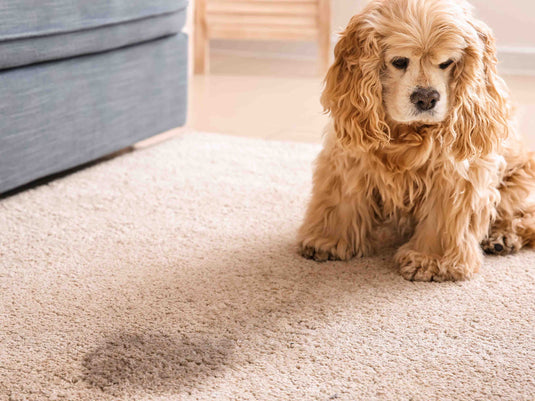
Having a dog means sharing your home with a loving companion—but it can also mean dealing with unexpected messes. If you’ve ever walked into a surprise puddle or found stains where they don’t belong, you know how frustrating dog accidents can be.
But what if you could stop these accidents before they happen? You’ll discover simple, effective ways to prevent dog accidents in your house. Keep reading to learn how to protect your floors, save your time, and enjoy a cleaner, happier home with your furry friend.
Common Causes Of Indoor Accidents
Indoor accidents are a common challenge for dog owners. Understanding the main causes helps reduce these incidents. Dogs may have accidents due to health, behavior, or training issues. Identifying these causes is the first step to prevention.
Health Issues
Health problems can cause sudden indoor accidents. Urinary tract infections, kidney issues, or digestive problems make it hard for dogs to hold urine or stool. Older dogs may lose bladder control. Regular vet visits help catch these problems early. Treating health issues reduces accidents significantly.
Behavioral Problems
Stress and anxiety often lead to indoor accidents. Dogs left alone for long periods may feel lonely or scared. Changes in the environment, like moving to a new home, can confuse them. Some dogs mark territory inside the house. Understanding your dog’s feelings helps manage these behaviors and prevent accidents.
Lack Of Training
Many accidents happen due to poor or no house training. Puppies and new dogs need consistent guidance. Without clear rules, dogs do not learn where to go. Inconsistent schedules or punishments can confuse them. Patience and proper training techniques build good habits and keep your home clean.

Credit: www.amazon.ca
Establishing A Routine
Establishing a routine is key to preventing dog accidents in the house. Dogs thrive on predictability, and setting a clear daily schedule helps them understand when and where to relieve themselves. This consistency reduces confusion and anxiety, making accidents less likely.
Regular Feeding Schedule
Feeding your dog at the same times every day helps regulate their digestion and bathroom needs. When meals happen on a predictable schedule, you can better anticipate when your dog will need to go outside.
Try to stick to two or three meal times daily and avoid free-feeding. This structure gives you more control over your dog’s elimination patterns.
Consistent Potty Breaks
Taking your dog out at regular intervals trains them to expect bathroom breaks at certain times. For puppies or newly adopted dogs, frequent potty trips—every 2 to 3 hours—are essential.
Watch for signs like sniffing or circling and be ready to act. Establish a habit of always taking your dog to the same spot, which helps reinforce the behavior.
Exercise And Playtime
Exercise helps your dog use up energy and stimulates their digestive system, which can encourage regular bathroom habits. Plan daily walks and play sessions to keep your dog active and healthy.
Notice how your dog’s need to relieve themselves often coincides with activity. Could adjusting playtimes help you better predict their potty needs?
Effective House Training Techniques
Teaching your dog to avoid accidents inside the house requires patience and the right techniques. Consistent training helps your dog understand where to go and when. Clear communication and positive experiences build good habits quickly. Here are some effective ways to train your dog for a cleaner home.
Positive Reinforcement
Reward your dog immediately after they go outside. Use treats, praise, or playtime to show approval. This helps your dog connect good behavior with positive outcomes. Avoid punishment; it can cause fear and confusion. Consistency is key. Always reward the desired behavior to encourage repetition.
Crate Training
A crate offers a safe, cozy space for your dog. Dogs naturally avoid soiling their sleeping area. Use the crate to control bathroom times. Take your dog out right after releasing them. Do not leave your dog in the crate too long. This method helps teach bladder control and patience.
Using Command Words
Choose simple words like “go potty” or “bathroom.” Say the command every time you take your dog outside to relieve themselves. Over time, the dog learns to associate the words with the action. Use a calm, clear voice. Consistency in commands reduces confusion and speeds learning.

Credit: www.rover.com
Managing The Environment
Managing the environment is key to preventing dog accidents inside your home. Creating a space that supports good bathroom habits helps your dog learn faster. A well-organized area reduces confusion and stress for your pet. It also protects your floors and furniture from damage.
Safe And Accessible Potty Areas
Designate a specific spot for your dog to relieve itself. Choose a quiet place with easy access both indoors and outdoors. Keep this area clean to encourage your dog to use it regularly. Consistency helps your dog understand where it should go.
Removing Temptations
Clear away items that might attract your dog to pee inside. Put away shoes, toys, and food bowls after use. Block access to carpets or rugs during training periods. A clutter-free space helps your dog focus on the right spot.
Using Puppy Pads
Puppy pads offer a convenient indoor potty solution. Place them in a consistent area, close to the designated potty spot. Change pads frequently to keep the space fresh and inviting. Praise your dog for using the pads correctly to build good habits.
Addressing Medical Concerns
Addressing medical concerns is a key part of preventing dog accidents in the house. Sometimes, accidents happen not because of training issues but due to underlying health problems. Understanding and managing your dog’s medical condition can save you from frustration and help keep your home clean.
Regular Vet Check-ups
Scheduling regular vet visits is essential. These check-ups help catch health problems early before they affect your dog’s bathroom habits. You might not realize that frequent accidents can signal issues like urinary tract infections or kidney problems.
Think about how often you take your dog to the vet. Is it only when something seems wrong, or do you keep a routine? Consistent vet visits give you peace of mind and keep your dog’s health in check.
Monitoring For Illness
Watch your dog closely for signs of illness. Symptoms like increased thirst, changes in appetite, or unusual lethargy can indicate medical problems. If your dog starts having accidents suddenly, ask yourself: could there be a health issue behind this behavior?
Keeping a daily log of your dog’s bathroom habits can help you spot patterns or sudden changes. Sharing this information with your vet makes diagnosis easier and more accurate.
Medication And Treatments
Some medical conditions require medication that can affect your dog’s bladder control. If your dog is on medicine, talk to your vet about possible side effects that might cause accidents. Adjusting treatments or timing doses could reduce these incidents.
Also, don’t skip follow-up appointments. Treatments often need fine-tuning, and your vet can guide you on managing your dog’s health while minimizing accidents.

Credit: www.ohcrap.com.au
Handling Behavioral Challenges
Handling behavioral challenges plays a key role in preventing dog accidents indoors. Dogs may act out due to stress, confusion, or natural instincts. Understanding these behaviors helps keep your home clean and your dog happy. Focus on the root causes and work patiently to guide your dog toward better habits.
Dealing With Anxiety
Many dogs suffer from anxiety that leads to accidents inside the house. Signs include pacing, whining, or hiding. Create a calm space for your dog with their bed and toys. Establish a consistent daily routine to reduce stress. Exercise your dog regularly to burn off nervous energy. Avoid loud noises and sudden changes that may upset them.
Preventing Marking Behavior
Marking is common, especially in unneutered dogs. This behavior can cause frequent indoor accidents. Clean marked spots thoroughly with enzyme cleaners to remove scent. Use deterrents or block access to favorite marking areas. Consider neutering or spaying your dog to reduce marking urges. Reward your dog for using outdoor bathroom spots.
Seeking Professional Help
Sometimes behavioral challenges need expert support. A professional trainer or animal behaviorist can assess your dog’s needs. They offer personalized plans to address anxiety, marking, or other issues. Follow their advice consistently for better results. Early help prevents problems from becoming habits. Your dog’s well-being improves along with your home’s cleanliness.
Tips For Cleaning Up Accidents
Cleaning up dog accidents quickly and properly keeps your home fresh and safe. Using the right cleaning methods stops stains and smells from settling. This also helps avoid repeat accidents by removing triggers for your dog.
Choosing The Right Cleaners
Pick cleaners made for pet stains. Avoid harsh chemicals like bleach that can harm your dog. Enzyme-based cleaners break down urine and feces naturally. These cleaners remove stains and odors deep in carpets or floors.
Test any cleaner on a small area first. This prevents damage to your flooring or furniture. Follow product instructions carefully for best results.
Removing Odors Effectively
Odors cause dogs to mark the same spot again. Use enzyme cleaners to eliminate smells at the source. Let the cleaner sit for 10 to 15 minutes before wiping. This gives time to break down odor molecules.
After cleaning, dry the area well. Use fans or open windows to speed drying. Baking soda can absorb leftover smells. Sprinkle it on the spot, wait a few hours, then vacuum.
Preventing Repeat Accidents
Dogs return to spots that smell like urine. Cleaning well removes this scent and discourages repeats. Keep your dog’s routine consistent with regular potty breaks. Praise and reward your dog for using the right place.
Block access to accident spots until fully cleaned. Use baby gates or close doors. Training pads or outdoor potty areas help redirect your dog’s bathroom habits.
Frequently Asked Questions
How Can I Train My Dog To Stop Accidents?
Consistency is key. Establish a routine for feeding, walking, and bathroom breaks. Reward your dog for going outside. Supervise them indoors and use crates for short periods. Clean accidents thoroughly to remove scents. Training takes time, so be patient and persistent.
What Are Common Reasons For Dog Accidents?
Common reasons include lack of training, changes in routine, or medical issues. Anxiety or stress can also lead to accidents. Ensure your dog gets regular bathroom breaks. Consult a vet if accidents persist to rule out health problems.
How Often Should I Take My Dog Outside?
Puppies need frequent breaks, about every two hours. Adult dogs usually need breaks every 4-6 hours. Consider your dog’s age, breed, and health. Always take them out after meals and before bed. Consistent routines help prevent accidents indoors.
Does Diet Affect My Dog’s Bathroom Habits?
Yes, diet plays a significant role. High-quality dog food promotes regular bowel movements. Avoid sudden changes in diet. Ensure your dog has access to fresh water. Monitor their reaction to new foods. Consult your vet for dietary advice tailored to your dog.
Conclusion
Preventing dog accidents inside your home takes patience and care. Consistent training helps your dog learn where to go. Keep a regular schedule for feeding and walks. Clean accidents quickly to avoid repeat spots. Praise your dog when they do well.
Small steps lead to big improvements. A clean house and happy dog make a great team. Stay calm and patient through the process. Your efforts create a safe, clean home for everyone.

Emily Barker is the founder of ChillDogLife.com, a space dedicated to helping pup parents discover the best dog products, lifestyle tips, and cozy ideas for happier homes.
A lifelong dog lover, Emily combines her passion for pets with a knack for research to share trusted recommendations on everything from toys and furniture to health and everyday care.
Her goal is simple: to make life easier, stylish, and more joyful for dogs and the people who love them.




