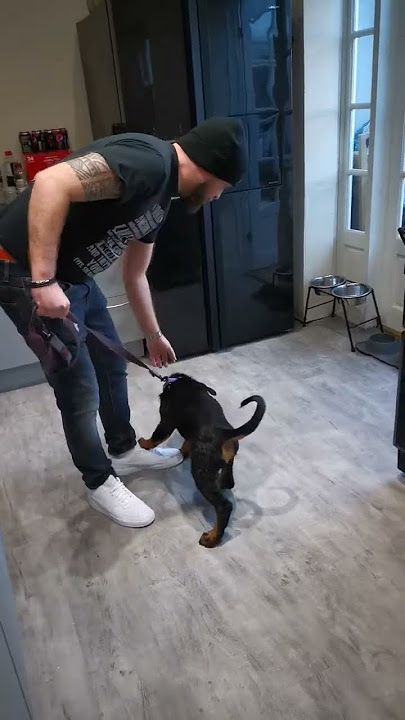
If your dog has an accident in the house, it can be frustrating and stressful. You might feel overwhelmed or unsure about what to do next.
But don’t worry—handling this situation the right way can help keep your home clean and teach your dog better habits. You’ll discover simple, effective steps to take immediately after an accident. You’ll also learn how to prevent future mishaps and keep your dog happy and healthy.
Keep reading, and you’ll feel confident managing these common challenges with ease.
Immediate Steps After The Accident
When a dog has an accident inside the house, quick action helps keep your home clean and your dog calm. Taking the right steps immediately prevents stains and odors. It also supports your dog’s comfort and well-being.
Calm Your Dog
Stay calm and use a gentle voice to soothe your dog. Avoid scolding, as it may cause fear. Pet your dog softly to reassure them. Calmness helps your dog feel safe and less stressed.
Remove Any Solid Waste
Put on gloves to protect your hands. Use paper towels or a plastic bag to pick up the solid waste. Dispose of it in a sealed trash bag. Removing waste quickly stops odor and prevents stains.
Blot The Area
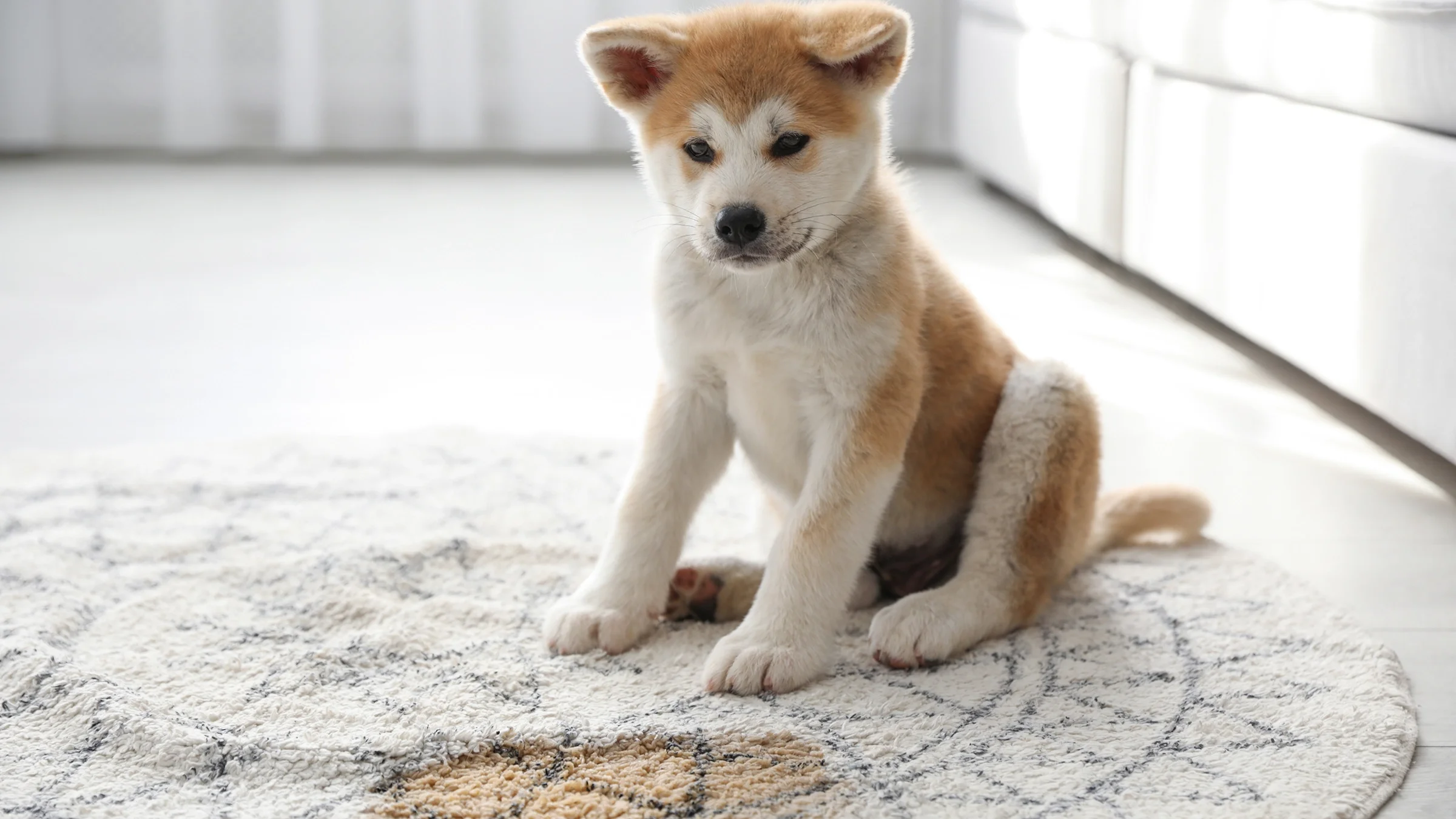
Use clean paper towels or a cloth to blot the wet spot. Press gently to soak up as much liquid as possible. Avoid rubbing, as it can spread the stain. Repeat blotting until the area feels dry.
Credit: www.goodrx.com
Cleaning Supplies To Use
Choosing the right cleaning supplies is crucial after your dog has an accident in the house. The goal is to remove stains and odors effectively while keeping your pet safe. Using the wrong products can make the problem worse or even harm your furry friend.
Pet-safe Cleaners
Always opt for cleaners labeled as pet-safe. These products are designed to clean without leaving harmful residues that could irritate your dog’s skin or upset their stomach if they lick the area. Look for ingredients like plant-based surfactants and avoid anything with ammonia or bleach.
Brands like Better Life and Method offer pet-friendly options that work well on carpets and hard floors. Have you checked the label on your current cleaner to see if it’s truly safe for pets?
Enzymatic Cleaners For Odors
Enzymatic cleaners break down the proteins in urine and feces, tackling odors at the source rather than just masking them. This makes them especially effective for preventing your dog from returning to the same spot. They work by using natural enzymes to digest organic material.
These cleaners can be a game-changer if you’ve tried other products without success. Brands like Nature’s Miracle and Rocco & Roxie are popular choices. Could an enzymatic cleaner be the missing piece in your cleanup routine?
Avoiding Harsh Chemicals
Harsh chemicals like bleach, ammonia, and strong detergents can be dangerous for pets and may damage your flooring or furniture. Even if these products seem powerful, they can cause lingering fumes that irritate your dog’s respiratory system.
Instead, stick to gentle, effective alternatives that won’t harm your home or your pet. Have you ever experienced a bad reaction from a household cleaner around your dog? It’s a clear sign to switch to safer options.
Effective Cleaning Techniques
Cleaning up after your dog’s accident can feel like a daunting task, but using the right techniques makes it easier and more effective. Proper cleaning not only removes the mess but also eliminates odors and discourages repeat accidents in the same spot. Let’s dive into some practical steps to handle this situation with care and confidence.
Soaking The Spot
Start by soaking the area with cold water. This helps to dilute the urine and prevents it from soaking deeper into the fibers or flooring. Use a clean cloth or sponge to apply water generously, allowing it to sit for a few minutes.
This step is crucial because it makes the next cleaning stages more effective. Have you noticed that sometimes the stain seems to set in because the area wasn’t wet enough before scrubbing? Soaking properly can save you that frustration.
Scrubbing Gently
After soaking, gently scrub the spot using a mild detergent mixed with water. Avoid harsh chemicals that might damage your flooring or irritate your dog’s paws. Use a soft-bristled brush or a cloth to lift the stain without spreading it further.
Scrubbing gently ensures that the fibers or surface aren’t damaged while you clean. It’s tempting to scrub hard when frustrated, but gentler actions often yield better results. Think about the last time you tried to clean a delicate fabric—did harsh scrubbing help or hurt?
Rinsing Thoroughly
Once you’ve scrubbed the spot, rinse it thoroughly with clean water to remove any soap residue. Leftover detergent can attract dirt and cause discoloration over time. Blot the area with a dry towel to soak up excess water and speed up drying.
Rinsing is a step many skip, but it’s essential for a fresh, clean finish. Have you ever noticed a sticky or stiff feeling on a cleaned surface? That’s often soap residue waiting to attract more grime.
Credit: hfu.hollywoodfeed.com
Dealing With Lingering Odors
Lingering odors from dog accidents can make your home uncomfortable. These smells often stick around even after cleaning. Removing the odor completely helps keep your space fresh and welcoming. Addressing the smell quickly prevents your dog from returning to the same spot.
Using Baking Soda
Baking soda is a natural odor absorber. Sprinkle it generously over the affected area. Let it sit for several hours or overnight. Then vacuum it up thoroughly. This method helps neutralize the smell rather than just covering it.
Ventilating The Area
Open windows and doors to allow fresh air in. Use fans to increase airflow and speed drying. Good ventilation reduces moisture that can hold odors. It also helps clear out any chemical smells from cleaning products.
Repeat Cleaning If Necessary
Sometimes one cleaning is not enough. Check the area after it dries to see if the odor remains. Use enzymatic cleaners designed for pet stains for deeper cleaning. Repeat the process until the smell is gone completely.
Preventing Future Accidents
Accidents inside the house can be frustrating, but they also offer a chance to improve your dog’s habits. Preventing future accidents means understanding your dog’s needs and adjusting your routine. It’s about clear communication and staying patient as your dog learns or relearns the rules of the house.
Reinforcing Training
Consistent training is key to preventing accidents. If your dog has had an accident, revisit basic commands like “go potty” and reward them immediately when they do it right outside. Keep training sessions short but frequent to keep your dog engaged without overwhelming them.
Have you noticed whether your dog responds better to treats or praise? Use the type of reward that motivates them most. Also, consider crate training if you haven’t yet—it can help your dog associate their crate with a safe, clean space.
Regular Bathroom Breaks
Dogs need frequent opportunities to go outside, especially puppies or older dogs. Try to schedule bathroom breaks every two to four hours depending on your dog’s age and health. A predictable routine reduces anxiety and confusion, which often leads to accidents.
Do you find it easier to remember breaks by setting alarms or linking them to daily activities? Finding a system that works for you helps keep your dog on track. Don’t forget to take your dog outside immediately after meals and naps, as these are common times they’ll need to go.
Recognizing Health Issues
Sometimes accidents happen because of underlying health problems like urinary tract infections or digestive issues. If your dog suddenly starts having frequent accidents, a vet visit is essential. Early diagnosis can prevent discomfort and worsening symptoms.
Keep an eye on changes in your dog’s behavior such as increased drinking, lethargy, or signs of pain during bathroom time. These clues can help you catch health issues early. Are you tracking your dog’s bathroom habits? Keeping a simple log can reveal patterns that alert you to potential problems.
When To Seek Professional Help
Knowing when to seek professional help is important if your dog has accidents in the house. Some issues need more than just cleaning or training. Recognizing signs that require expert attention can save time and avoid bigger problems.
Persistent Stains
Stains that do not disappear after cleaning might need special care. Deep urine stains can damage carpets and floors. Professional cleaners have tools and solutions to remove tough stains safely.
Ignoring these stains can cause bad odors and bacteria growth. This affects your home’s cleanliness and your dog’s health.
Chronic Accidents
Dogs that urinate indoors often may have underlying health or behavioral issues. Frequent accidents are not normal and should not be ignored. Repeated problems might indicate bladder infections, anxiety, or other conditions.
Chronic accidents also make house training difficult. Professional help can identify causes and offer effective solutions.
Consulting A Veterinarian
A vet can check if your dog has medical problems causing accidents. Conditions like urinary tract infections, kidney disease, or diabetes may cause loss of bladder control. Early diagnosis helps manage these health issues well.
Veterinarians also guide on treatment and advice for behavior training. Their expertise supports your dog’s well-being and comfort at home.
Credit: dogs.thefuntimesguide.com
Frequently Asked Questions
What Should I Do First If My Dog Has An Accident?
First, stay calm and don’t scold your dog. Quickly clean up the mess using paper towels and an enzymatic cleaner. This helps remove odors and prevents future accidents. Ensure your dog has access to regular bathroom breaks to avoid accidents.
How Can I Prevent Future Dog Accidents Inside?
Establish a consistent routine for bathroom breaks. Reward your dog for doing their business outside. Monitor their water intake and watch for signs they need to go out. Training and positive reinforcement are key to preventing accidents inside.
What Cleaning Products Should I Use For Dog Accidents?
Use enzymatic cleaners specifically designed for pet stains. These break down proteins and eliminate odors effectively. Avoid ammonia-based products, as they can mimic the smell of urine and encourage repeat accidents. Always follow the cleaner’s instructions for best results.
Why Does My House-trained Dog Have Accidents?
Health issues, anxiety, or changes in routine can cause accidents. Consult your vet to rule out medical problems. Stress or environmental changes might require behavior modification or a professional trainer’s help. Understanding the underlying cause is crucial for effective prevention.
Conclusion
Accidents happen, and staying calm helps everyone. Clean the spot quickly to stop smells. Teach your dog where to go outside. Praise your dog for good behavior often. Patience and routine make training easier. Small steps lead to big progress.
Keep trying, and your dog will learn. A happy home needs understanding and care. Your efforts will pay off in time.

Emily Barker is the founder of ChillDogLife.com, a space dedicated to helping pup parents discover the best dog products, lifestyle tips, and cozy ideas for happier homes.
A lifelong dog lover, Emily combines her passion for pets with a knack for research to share trusted recommendations on everything from toys and furniture to health and everyday care.
Her goal is simple: to make life easier, stylish, and more joyful for dogs and the people who love them.




