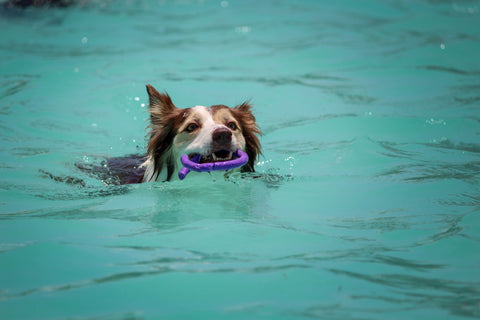
Have you ever wondered if your dog can safely swim in your pool? Whether you’re dreaming of fun summer days with your furry friend or just want to know what to expect, it’s important to understand how dogs handle swimming.
You might be surprised by what makes a dog a good swimmer—or what could make the pool tricky for them. Keep reading to discover everything you need to know to keep your dog safe and happy around the water.
)
Credit: www.reedycreekvet.com.au
Dogs And Pools
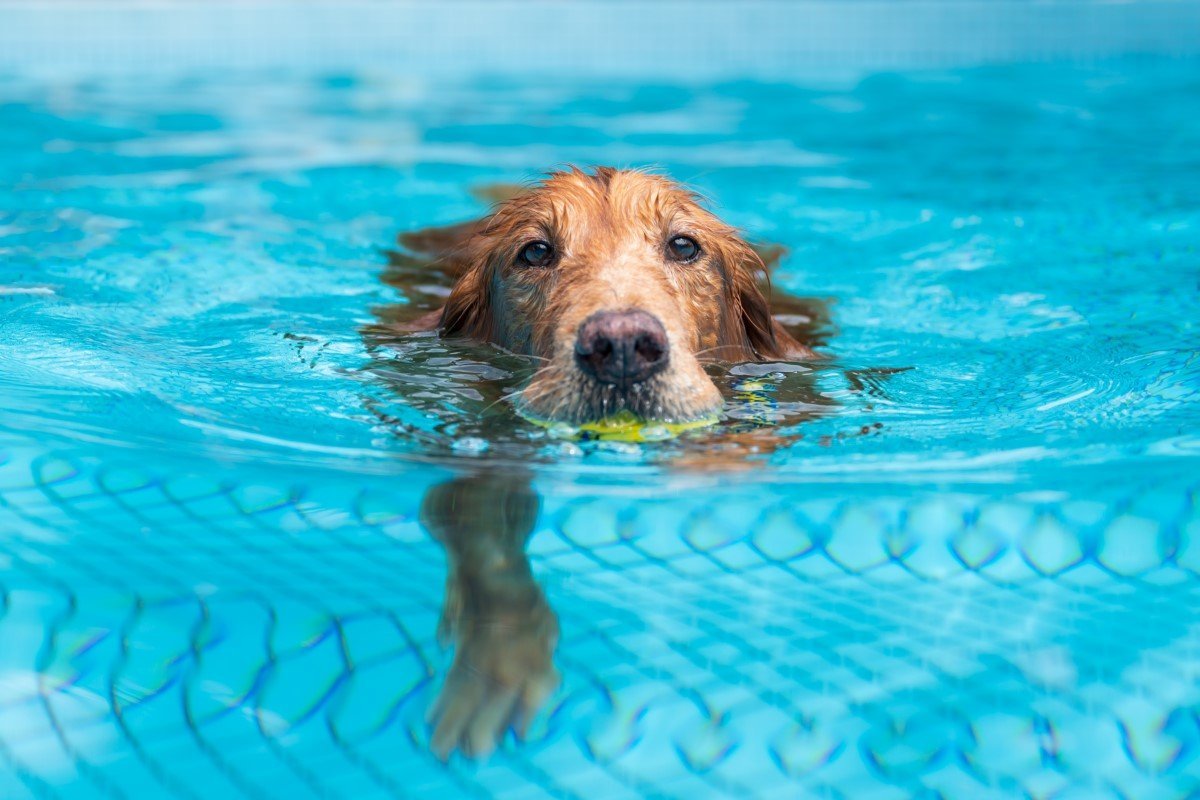
Many dogs enjoy spending time near water. Pools offer a cool place for dogs to relax and play. Understanding how dogs interact with pools helps keep them safe and happy. Some dogs swim naturally, while others may need encouragement or training. Knowing the risks around pools is important for every dog owner.
Why Dogs Like Water
Water feels refreshing on hot days. Swimming is a fun way for dogs to exercise. Some breeds love water because of their history. Dogs like to splash, chase, and play in water. It helps them cool down and relax. Water also offers a new environment for dogs to explore.
Common Pool Risks For Dogs
- Slipping on wet pool edges can cause injuries.
- Strong pool filters might trap a dog’s paw or tail.
- Chlorine in pool water may irritate a dog’s skin and eyes.
- Dogs can get tired and struggle to get out of deep water.
- Accidental swallowing of pool water can upset their stomach.
- Unsupervised access to pools can lead to drowning risks.
Credit: welovedogz.hu
Introducing Dogs To Pools
Introducing dogs to pools requires patience and care. Dogs may feel unsure around water at first. Helping them enjoy swimming can keep them safe and happy. Start slow and make the experience positive. Understanding your dog’s comfort level helps guide the process.
Choosing The Right Pool Type
Selecting a suitable pool helps your dog feel at ease. Small, shallow pools work well for beginners. They allow dogs to explore water without fear. Avoid deep pools for first experiences. Portable dog pools are gentle and easy to clean. If using a large pool, ensure easy entry and exit points. Ramps or steps prevent stress and injuries.
Steps To Get Your Dog Comfortable
- Let your dog explore the pool area first.
- Use treats and praise to encourage curiosity.
- Start by letting your dog play near the water’s edge.
- Gently wet their paws to introduce the feeling of water.
- Allow short, supervised swims to build confidence.
- Always stay close and offer support.
- Keep sessions short to avoid overwhelming your dog.
Safety Gear For Swimming Dogs
Swimming is fun for dogs, but safety must come first. Using the right gear can protect your dog and make swimming easier. Safety gear helps prevent accidents and keeps dogs comfortable in the water. It also gives owners peace of mind during pool time.
Life Jackets And Their Benefits
Life jackets are essential for dogs who swim. They help dogs float and reduce fatigue. Some dogs are not strong swimmers or get tired fast. A life jacket supports their body and keeps their head above water.
Most life jackets have bright colors and reflective strips. These make dogs easy to spot in the pool. Many life jackets include a handle on top. This handle helps you lift your dog out of the water quickly.
Choose a life jacket that fits well and is comfortable. It should not restrict movement or breathing. Always test the jacket in shallow water first.
Pool Ramps And Exits
Pool ramps provide easy access for dogs to get in and out. They prevent stress and injuries from jumping or climbing. A ramp with a non-slip surface is best for safety.
Place ramps at shallow pool areas or corners. This helps dogs find the exit easily. Some ramps fold for storage when not in use. Check the ramp’s weight limit and size for your dog.
Always supervise your dog near the pool. Even with ramps, some dogs may need help exiting the water.

Credit: welltayl.com
Health Precautions
Swimming can be a fun activity for dogs, but health precautions are essential. Pools have chemicals and physical challenges that can affect your dog’s well-being. Taking safety measures helps keep your dog happy and healthy during swim time.
Avoiding Chlorine And Chemicals
Chlorine is common in pools to kill bacteria. It can irritate your dog’s skin, eyes, and nose. Rinse your dog with fresh water after swimming. This removes chlorine and other chemicals from their fur.
Consider a pool with lower chemical levels or a natural pond. Avoid letting your dog drink pool water. Chemicals can upset their stomach and cause sickness.
Monitoring For Signs Of Fatigue Or Distress
Swimming can tire dogs quickly, especially small or older breeds. Watch your dog closely for signs like heavy panting, slowing down, or struggling to swim. Take breaks often and offer fresh water.
If your dog shows distress, help them out of the pool immediately. Never leave your dog unattended near water. Quick action prevents accidents and ensures your dog’s safety.
Training Tips For Pool Time
Training your dog for pool time ensures safety and fun. Dogs need to learn how to behave around water. Teaching basic commands helps you control your dog near the pool. Encouraging good behavior creates a positive experience. This builds confidence for both you and your dog.
Basic Commands Around Water
Start with simple commands like “sit,” “stay,” and “come.” These commands keep your dog calm near the pool. Teach “wait” to stop your dog from jumping in suddenly. Use treats and praise to reward good responses. Practice these commands on dry land first. Then, try them near the pool edge. This helps your dog understand pool rules clearly.
Encouraging Positive Pool Behavior
Make pool time fun but safe. Use toys to attract your dog into the water. Let your dog enter the pool slowly. Never force your dog to swim. Praise your dog for staying calm in the water. Give breaks to avoid tiredness or stress. Watch your dog closely for signs of fear or discomfort. Keep pool sessions short and positive. This builds a happy connection to swimming.
Post-swim Care
After your dog has had a fun swim in the pool, it’s important to take good care of them to keep their coat and skin healthy. Post-swim care helps prevent discomfort and potential health issues. Paying attention to a few key steps ensures your furry friend stays happy and safe.
Drying And Grooming
Start by gently drying your dog with a soft towel. Focus on removing as much water as possible, especially from thick fur or under the belly where moisture tends to linger.
Brushing your dog after drying helps prevent tangles and mats, which can trap dirt and bacteria. If your dog has long or dense fur, consider using a detangling spray to make grooming easier.
Have you noticed your dog shaking off water vigorously? While that helps, towel drying is essential to avoid skin irritation caused by trapped moisture.
Cleaning Ears And Checking For Irritations
Water in your dog’s ears can lead to infections. Use a vet-recommended ear cleaner and a soft cotton ball to gently wipe the outer ear. Never insert anything deep into the ear canal.
After swimming, carefully check your dog’s skin for redness, bumps, or irritation. Pay attention to common trouble spots like the paws, underarms, and belly.
If you spot any unusual signs like redness or a bad smell, schedule a vet visit promptly. Early care can stop minor irritations from becoming serious problems.
When Not To Let Dogs Swim
Knowing when not to let dogs swim is very important for their safety. Swimming is fun for dogs but not always safe. Certain health issues and weather conditions can make swimming risky. Watch out for signs that your dog should avoid the pool. Protecting your dog means understanding these limits.
Health Conditions That Prevent Swimming
Some dogs have health problems that make swimming unsafe. Dogs with heart or lung issues should avoid pools. Swimming can be too hard on their bodies. Dogs with skin allergies or open wounds risk infections in the water. Older dogs or those with joint pain may struggle to swim well. Always check with a vet if your dog has health concerns.
Weather And Environmental Considerations
Weather plays a big role in pool safety for dogs. Avoid swimming during very cold days to prevent hypothermia. Hot weather can cause heat stroke, especially for dogs with thick fur. Rainy or stormy weather can make water dirty and unsafe. Pools with strong chemicals or poor maintenance can harm your dog’s skin and eyes. Always check the weather and pool condition before letting your dog swim.
Frequently Asked Questions
Can Dogs Swim In Pools Safely?
Yes, dogs can swim in pools safely if supervised. Ensure the pool is clean and chemically balanced. Use a dog-friendly ramp for easy access. Monitor your dog’s behavior for signs of fatigue or stress. Always rinse your dog after swimming to remove chlorine or other chemicals.
What Pool Chemicals Are Harmful To Dogs?
High chlorine levels and algaecides can irritate a dog’s skin and eyes. It’s essential to maintain balanced pool chemicals. Always rinse your dog thoroughly after swimming to remove any chemical residues. Consult your vet if you’re unsure about the chemical safety for your pet.
How To Teach A Dog To Swim In A Pool?
Start by introducing your dog to shallow water. Use a life vest for safety. Encourage them with toys and treats. Gradually guide them into deeper water, ensuring they remain calm and confident. Always supervise their swimming sessions to ensure safety.
Can Puppies Swim In Pools?
Puppies can swim in pools, but with caution. Ensure they are comfortable and always supervised. Use a life vest for safety. Start in shallow areas to build their confidence. Avoid forcing them into the water and ensure they can exit the pool easily.
Conclusion
Dogs can enjoy swimming in a pool safely with proper care. Always watch your dog closely near water. Use a dog life vest for extra safety. Teach your dog to enter and exit the pool calmly. Keep the pool clean to protect your pet’s health.
Swimming helps dogs stay active and happy. Small steps make pool time fun and safe. Remember, every dog is different and learns at their own pace. Swimming can be a great way to bond with your dog. Stay patient and enjoy the experience together.

Emily Barker is the founder of ChillDogLife.com, a space dedicated to helping pup parents discover the best dog products, lifestyle tips, and cozy ideas for happier homes.
A lifelong dog lover, Emily combines her passion for pets with a knack for research to share trusted recommendations on everything from toys and furniture to health and everyday care.
Her goal is simple: to make life easier, stylish, and more joyful for dogs and the people who love them.




