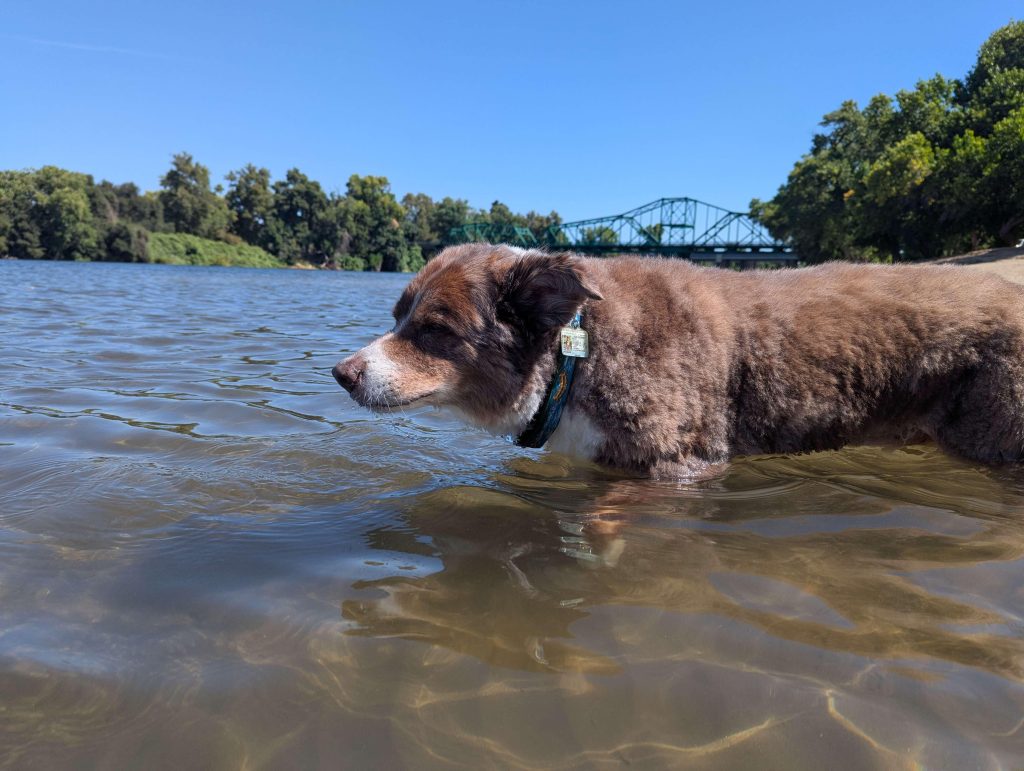
Looking for the perfect spot to take your dog swimming? Whether your furry friend loves to splash or you’re just starting to introduce them to water, finding the right place is key.
You want a safe, clean, and fun environment where your dog can enjoy swimming without any worries. You’ll discover the best locations to take your dog swimming, tips to make the experience smooth, and how to keep your pup happy and healthy in the water.
Keep reading to find out where your dog’s next favorite swim spot could be!
Credit: www.chewy.com
Best Dog-friendly Beaches
Finding the perfect spot for your dog to swim can turn a regular outing into a memorable adventure. The best dog-friendly beaches offer wide sandy shores and clean water, making them ideal for your furry friend to splash around and burn off energy. These beaches welcome dogs, but knowing where to go and what to expect helps you plan a smooth day at the coast.
Popular Coastal Spots
Several beaches across the country stand out as top choices for dog owners. One favorite is Carmel Beach in California, known for its off-leash policy and welcoming atmosphere. Another popular spot is Fort De Soto Park in Florida, where dogs can roam freely in designated areas and enjoy the gentle waves.
Closer to the Northeast, Ogunquit Beach in Maine allows dogs during certain hours, giving them plenty of time to play. Have you checked out your local beaches yet? Many coastal towns have hidden gems that welcome dogs with open arms.
Rules And Regulations
Before heading to a dog-friendly beach, you need to know the rules. Some beaches require dogs to be on a leash at all times, while others allow off-leash play during specific hours. Ignoring these rules can lead to fines or being asked to leave, so it’s best to check local regulations online or at the beach entrance.
Many beaches also ask owners to clean up after their pets. Bringing waste bags is a simple way to keep the environment clean and friendly for everyone. Have you ever seen a beach closed because of pet waste? Keeping your dog’s area tidy helps prevent that.
Safety Tips For Beach Swimming
Not every dog is a natural swimmer, so watch your pet closely in the water. Start with shallow areas and let your dog get used to the waves at their own pace. Strong currents and tides can be dangerous, so avoid swimming in rough water.
Rinse your dog with fresh water after swimming to remove salt, sand, and any harmful algae. Always carry fresh water and a bowl to keep your dog hydrated, especially on hot days. How do you ensure your dog stays safe and comfortable during beach trips?
Dog Parks With Water Features
Dog parks with water features offer a perfect spot for dogs to swim and play freely. These parks combine open spaces and splash zones, giving dogs a chance to cool off and exercise. They provide a safe environment for dogs to socialize and have fun in the water.
Top Parks Nationwide
- Fort De Soto Park, Florida – Known for its dog beach and calm waters.
- Lady Bird Lake Park, Texas – Offers a large off-leash area with water access.
- Alki Beach Park, Washington – Features a sandy dog beach with gentle waves.
- Montrose Dog Beach, Illinois – A popular urban dog beach with clean water.
- Point Isabel Regional Shoreline, California – One of the largest dog parks with water play zones.
Facilities And Amenities
Water fountains designed for dogs keep them hydrated during play. Shaded areas provide cool spots for rest after swimming. Secure fencing ensures dogs stay safe within the park. Waste disposal stations help keep the area clean. Some parks offer agility equipment near water for extra fun.
Water Quality Considerations
Clean water is essential for a safe swimming experience. Parks regularly test water for bacteria and harmful algae. Avoid parks with stagnant or murky water to prevent infections. Look for well-maintained parks with clear water and proper drainage. Always rinse your dog after swimming to remove any contaminants.
Lakes And Ponds For Dogs
Finding a perfect spot for your dog to swim can be fun and refreshing. Lakes and ponds offer calm waters that many dogs enjoy. These natural settings provide space to splash, play, and cool down. Choosing the right location ensures safety and a great experience for your dog.
Scenic Freshwater Locations
Lakes and ponds often sit in beautiful natural areas. Trees, hills, and open skies create a peaceful backdrop. Many spots have shallow edges, perfect for dogs to enter the water easily. Some places even have sandy or grassy shores for rest. These scenic views make outings enjoyable for both dogs and owners.
Access And Parking
Easy access matters for a smooth trip. Look for places with nearby parking and clear paths to the water. Some lakes have designated dog swimming zones with ramps or steps. Parking close by helps avoid long walks with your dog, especially on hot days. Check local rules about parking fees or permits before you go.
Wildlife And Environmental Safety
Respect the natural habitat around lakes and ponds. Watch for signs about wildlife, like birds or turtles, to avoid disturbing them. Avoid areas with algae or unsafe water quality that can harm dogs. Always clean up after your pet to keep the area clean. Staying safe helps protect nature and keeps swimming spots open for everyone.

Credit: www.reddit.com
Indoor Dog Swimming Pools
Indoor dog swimming pools offer a safe and controlled environment for dogs to enjoy water activities. These pools provide a great option regardless of weather or season. They help dogs exercise, relax, and improve their swimming skills. Many dog owners prefer indoor pools because of their convenience and cleanliness.
Benefits Of Indoor Pools
- Warm water helps soothe joints and muscles.
- Clean, filtered water reduces risk of infections.
- Year-round access without weather worries.
- Supervised environment ensures dog safety.
- Good for dogs recovering from injury or surgery.
Popular Facilities
- Specialized doggy swim centers with trained staff.
- Pet spas offering swimming as part of therapy.
- Veterinary clinics with hydrotherapy pools.
- Doggy daycares featuring indoor pools.
- Some fitness clubs with pet-friendly swim areas.
Booking And Pricing
Most indoor dog pools require advance booking to secure a spot. Sessions often last between 30 to 60 minutes. Prices vary depending on location and facility type. Group discounts or membership packages may be available. Always check cancellation policies before booking.
Safety Gear For Dog Swimming
Taking your dog swimming is a fantastic way to keep them active and happy, but safety should always come first. Equipping your dog with the right safety gear can prevent accidents and make your outdoor adventures much more enjoyable. Let’s look at some essential items that ensure your dog stays protected while splashing around.
Life Jackets And Floats
Life jackets are a must-have for dogs who are new to swimming or those who tire easily. They provide buoyancy and help keep your dog’s head above water, reducing the risk of drowning.
Look for life jackets with adjustable straps and a handle on top. The handle lets you quickly pull your dog out of the water if needed. Bright colors and reflective strips improve visibility, especially in busy or low-light areas.
First Aid Essentials
Accidents can happen, even in the safest environments. Carry a basic first aid kit tailored for dogs, including items like antiseptic wipes, bandages, and tweezers for removing debris.
Knowing how to treat minor cuts or stings on the spot can save your dog from discomfort and prevent infections. Have your vet’s contact information handy before you head out.
Hydration And Sun Protection
Swimming can be tiring, and dogs can get dehydrated quickly. Always bring fresh water and a portable bowl to keep your dog hydrated.
Don’t forget about sun protection. Dogs with light fur or exposed skin can get sunburned. Use pet-safe sunscreen on sensitive areas like the nose, ears, and belly to avoid painful burns.

Credit: www.calmshops.co.uk
Training Tips For Water Confidence
Helping your dog feel confident around water takes patience and the right approach. Building water confidence isn’t just about jumping in; it’s about creating positive experiences step by step. Here are some practical tips to guide you through training your dog for enjoyable swimming sessions.
Introducing Dogs To Water
Start by letting your dog explore shallow water at their own pace. A calm, quiet spot with gentle waves or still water works best. Use treats and praise to reward curiosity and calm behavior near the water’s edge.
Try bringing along a favorite toy to encourage your dog to step closer or wade in. Never force your dog into the water; instead, let them decide when they feel comfortable. Watching your dog approach water willingly is a good sign that trust is building.
Building Swimming Skills
Once your dog is comfortable near the water, support them as they begin to swim. Use a dog life jacket for safety and to boost their confidence. Hold them gently under the belly to guide their paddling and keep sessions short to avoid fatigue.
Practice in calm waters and gradually increase the distance your dog swims. Celebrate small victories like floating or moving forward. You might be surprised how quickly your dog picks up the rhythm of swimming with consistent encouragement.
Handling Fear And Anxiety
If your dog shows fear or anxiety, pause and give them space. Watch their body language—if they’re stiff or trying to escape, it’s a sign to slow down. Try calming techniques like soft talking, slow movements, and rewarding any calm behavior around water.
Sometimes, introducing water activities on dry land can help. For example, play with a water hose or sprinkle water on their paws before moving to deeper water. Have you noticed how your dog responds when you stay relaxed and patient? Your calm energy can ease their fears significantly.
Seasonal Considerations
Seasonal changes affect where and how dogs can safely swim. Each season has its own risks and benefits. Knowing these helps keep your dog happy and healthy during swimming adventures.
Warm Weather Swimming
Warm days invite dogs to swim more often. Choose shaded areas to prevent overheating. Fresh water lakes and ponds are great spots. Watch for signs of heat exhaustion like heavy panting. Offer plenty of fresh water to drink. Avoid swimming during the hottest part of the day.
Cold Water Precautions
Cold water can shock a dog’s body quickly. Limit swim time in chilly water to avoid hypothermia. Look for calm water instead of fast currents. Dry your dog well after swimming. Use a doggy coat if your dog is small or has thin fur. Always check the weather and water temperature before swimming.
Avoiding Harmful Algae Blooms
Algae blooms can be toxic to dogs. They often appear as green, blue, or red scum on water surfaces. Avoid lakes and ponds with visible algae. Keep dogs from drinking or licking the water in these areas. Rinse your dog with clean water after swimming. If your dog shows vomiting or weakness, seek veterinary help immediately.
Frequently Asked Questions
Where Can I Take My Dog Swimming?
You can take your dog swimming at local dog-friendly beaches, lakes, or rivers. Many parks and recreational areas also have designated dog swim areas. Always ensure the location is safe and permitted for dogs. Additionally, some cities offer dog pools or water parks specifically designed for pets.
Are Public Swimming Pools Dog-friendly?
Most public swimming pools do not allow dogs due to health and safety regulations. However, some pools host special dog swim events. These events usually occur at the end of the swim season. It’s best to check with your local pool for any scheduled events or nearby dog-friendly alternatives.
How To Find Dog-friendly Beaches?
To find dog-friendly beaches, search online directories or apps that list pet-friendly locations. Websites dedicated to dog travel often provide reviews and guidelines. Local tourism websites can also offer helpful information. Always check beach rules beforehand, as some may have specific leash requirements or restricted areas.
What Should I Pack For Dog Swimming?
Pack essentials like a towel, fresh water, and a dog life jacket. Bring waste bags for cleanup and a leash. Consider toys or floating devices for play. Sunscreen for sensitive areas and a first-aid kit can also be helpful. Be prepared for changing weather conditions.
Conclusion
Finding safe and fun places for your dog to swim matters. Choose spots with clean water and gentle shores. Watch your dog closely to keep them safe at all times. Swimming helps dogs stay healthy and happy. Enjoy these moments together, creating great memories.
Keep exploring new places that welcome dogs. Your furry friend will thank you with lots of tail wags.

Emily Barker is the founder of ChillDogLife.com, a space dedicated to helping pup parents discover the best dog products, lifestyle tips, and cozy ideas for happier homes.
A lifelong dog lover, Emily combines her passion for pets with a knack for research to share trusted recommendations on everything from toys and furniture to health and everyday care.
Her goal is simple: to make life easier, stylish, and more joyful for dogs and the people who love them.




