
Caring for a diabetic dog is a journey filled with love and tough decisions. You want what’s best for your furry friend, but sometimes the hardest choice is knowing when it’s time to say goodbye.
You may wonder, “When should I put my diabetic dog down at home? ” This question is never easy, but understanding the signs and knowing what to expect can help you make a decision that feels right for both you and your pet.
Keep reading to learn how to recognize the important signals and find peace in this difficult moment.
Signs Of Declining Health
Recognizing the signs of declining health in a diabetic dog helps make difficult decisions easier. These signs show that your dog’s quality of life is changing. Paying attention to these changes guides you in providing comfort and care during this stage.
Changes In Mobility
Your dog may struggle to walk or stand. Movements become slower and less steady. Stiffness or limping can appear without obvious injury. They might avoid stairs or jumping. Loss of balance or frequent falls are common. These signs indicate worsening physical health.
Loss Of Appetite
A diabetic dog losing interest in food can signal serious issues. They might eat less or stop eating altogether. Weight loss may follow quickly. Refusing favorite treats or meals shows discomfort or pain. This change affects energy and strength. Monitoring eating habits is crucial for health assessment.
Chronic Pain Indicators
Look for signs like whining, whimpering, or growling. Your dog may seem restless or unable to settle. Frequent licking or biting of certain areas shows discomfort. Changes in breathing, such as panting, can indicate pain. Avoiding touch or guarding parts of the body are red flags. These signs suggest ongoing pain that reduces quality of life.
Behavioral Shifts
Notice any unusual changes in behavior. Your dog might become withdrawn or less social. Increased aggression or irritability can appear. Confusion or disorientation may show up during daily routines. Changes in sleeping patterns or excessive sleeping are common. These shifts often reflect distress or discomfort.

Credit: www.moonlightpetstore.com
Assessing Quality Of Life
Assessing your diabetic dog’s quality of life is crucial when deciding if it’s time to say goodbye at home. It’s not about a single symptom but a collection of signs that show how your dog is coping day-to-day. Paying close attention to these signs helps you make a compassionate, informed choice.
Energy Levels
Notice if your dog’s energy has significantly dropped. Are they still able to get up and move around without struggle? If your once lively dog spends most of the day lying down and shows little interest in walking or playing, it could indicate their quality of life is declining.
Sometimes subtle changes matter more than obvious ones. For instance, if your dog used to wag their tail eagerly but now barely responds, that lack of energy is a red flag. Ask yourself: Is your dog’s fatigue manageable or persistent and worsening?
Interest In Activities
Watch how your dog reacts to their favorite activities. Do they still show excitement when you bring out their leash or toys? A sharp loss of interest can signal discomfort or depression related to diabetes complications.
Your dog’s refusal to engage doesn’t always mean they’re just tired. It might mean they are in pain or confused by their condition. Reflect on moments when your dog used to seek your company but now prefers to be alone—what does that tell you about their current state?
Comfort And Restfulness
Is your dog comfortable during rest? Look for signs of pain like whining, pacing, or trouble settling down. Diabetes can cause nerve pain or joint issues, and these affect how restful their sleep is.
Observe how often your dog changes positions or struggles to find a comfortable spot. Frequent restlessness can mean they are suffering more than you realize. Ask yourself: Is their discomfort temporary or constant and worsening?
Emotional Well-being
Your dog’s emotional health is just as important as their physical health. Notice if they seem anxious, confused, or withdrawn. Diabetes can affect the brain, causing mood changes that impact their overall happiness.
Think about your dog’s responses to your voice and touch. Are they still responsive or have they become distant? Your bond with your dog can help you detect subtle emotional shifts, guiding you in assessing their quality of life.
Consulting Your Veterinarian
Talking with your veterinarian is a key step when deciding about your diabetic dog’s quality of life. They provide expert advice tailored to your pet’s health and behavior. This guidance helps you make the best choice for your dog’s comfort and care.
Medical Evaluations
Your vet will perform a full health check. Blood tests and physical exams show how diabetes affects your dog’s organs. This helps identify any complications. Regular evaluations track disease progress and overall health.
Treatment Options
Vets suggest treatments based on your dog’s condition. Insulin therapy, diet changes, and medication may be recommended. They explain benefits and challenges of each option. Treatment can improve your dog’s quality of life.
Pain Management
Diabetes can cause discomfort or pain for dogs. Your vet can assess pain levels and suggest relief methods. Options include medications or therapy to ease suffering. Managing pain helps maintain your dog’s happiness.
Prognosis And Expectations
Your veterinarian discusses likely outcomes and timelines. This helps set realistic expectations for your dog’s health. Understanding prognosis aids in planning care and making difficult decisions. Honest talks support you emotionally and practically.
Preparing For At-home Euthanasia
Preparing for at-home euthanasia requires careful thought and planning. It helps create a peaceful environment for your diabetic dog’s final moments. Taking time to prepare eases stress and brings comfort to your pet and family. Knowing what to expect makes the process less overwhelming.
Choosing A Veterinarian
Select a veterinarian experienced in at-home euthanasia. They understand how to make the process gentle and calm. Discuss your dog’s condition and wishes clearly. Confirm the vet offers home visits and emergency support. Trust and communication are key during this emotional time.
Setting A Comfortable Space
Create a quiet, familiar spot for your dog. Use their favorite bedding and toys to soothe them. Keep the area warm and free from distractions or noise. Soft lighting can help keep the mood peaceful. This space should feel safe and calm for your pet.
Involving Family Members
Decide which family members want to be present. Explain what will happen to prepare them emotionally. Children need simple, honest explanations and reassurance. Everyone’s presence can provide comfort to your dog. Respect each person’s feelings and allow space for quiet moments.
Emotional Preparation
Accept your feelings; it is normal to feel sadness and grief. Talk to friends or support groups about your experience. Write down memories or say goodbye in your own way. Remember, this choice is an act of love and kindness. Preparing emotionally helps you support your dog gently.
Providing Compassionate Care
Providing compassionate care to a diabetic dog nearing the end of life requires patience and kindness. This care focuses on comfort and dignity, ensuring your dog feels loved and safe. Small actions can make a big difference in their quality of life.
Managing Symptoms
Monitor your dog’s symptoms closely. Watch for signs of pain, weakness, or distress. Use medications prescribed by the vet to ease discomfort. Adjust treatments based on your pet’s changing needs. Keep a daily record of symptoms to track progress.
Ensuring Hydration And Nutrition
Offer fresh water frequently to prevent dehydration. Use a shallow bowl for easy access. Provide soft, nutritious food in small portions. Encourage eating by offering favorite treats or warming food. Avoid forcing food or water, but keep trying gently.
Creating A Calm Environment
Choose a quiet, warm area for your dog to rest. Reduce noise and limit visitors to lower stress. Use soft bedding for comfort and support. Keep the space clean and free of hazards. Dim the lights to create a soothing atmosphere.
Offering Comfort And Reassurance
Spend time close, petting and speaking softly. Maintain a gentle touch to show love and care. Stay calm and patient to help your dog feel safe. Use familiar scents and toys to provide comfort. Your presence is a powerful source of peace.

Credit: olddogcookie.com
Aftercare And Grieving
Facing the loss of a diabetic dog at home brings a mix of emotions and practical decisions. Aftercare and grieving are essential parts of this journey. How you handle these moments can shape your healing process and honor your pet’s memory.
Handling Remains
Deciding what to do with your dog’s remains can feel overwhelming. You might choose burial in your yard if local laws allow, creating a peaceful resting place close to home. Alternatively, cremation services offer options to keep your pet’s ashes in an urn or scatter them in a meaningful location.
Consider what feels right for you and your family. Have you thought about preserving a paw print or a lock of fur as a keepsake? These small acts can provide comfort and a tangible connection to your dog.
Memorializing Your Pet
Memorials keep your dog’s spirit alive. You could create a photo album or a dedicated space in your home with their favorite toys and collars. Some owners plant a tree or flowers in their pet’s memory, turning grief into growth.
What personal traditions or rituals might help you celebrate your dog’s unique personality? Writing a letter or sharing stories with friends can also be powerful ways to honor their life.
Coping With Loss
Grieving a diabetic dog is deeply personal and doesn’t follow a set timeline. It’s normal to feel sadness, anger, or even relief after a long illness. Allow yourself to experience these emotions without judgment.
Try simple routines like journaling your feelings or spending quiet time in nature. Have you considered creating a daily ritual to remember your dog, like lighting a candle or playing their favorite music?
Seeking Support
You don’t have to grieve alone. Reach out to friends or family who understand what you’re going through. Online forums and pet loss support groups can connect you with people who share similar experiences.
If your grief feels overwhelming, professional counselors trained in pet loss can offer guidance. Remember, seeking support is a sign of strength, not weakness. Who in your life can you turn to today for comfort?
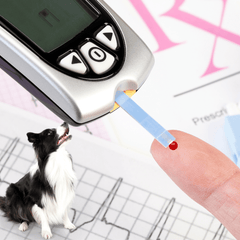
Credit: ketonaturalpetfoods.com
Frequently Asked Questions
How Do You Know When A Diabetic Dog Is Suffering?
Signs of suffering include constant pain, difficulty breathing, and extreme lethargy. If your dog seems uncomfortable most of the time, it may be suffering. Consult with your vet to assess your pet’s quality of life and discuss possible options.
What Are Signs Your Diabetic Dog Is In Pain?
Signs of pain include whining, limping, and reluctance to move. Changes in eating and sleeping patterns can also indicate discomfort. If your dog shows these signs, it’s important to consult your vet for guidance on managing its condition.
Is It Humane To Put A Diabetic Dog Down At Home?
Yes, it can be humane if done with a vet’s assistance. Home euthanasia can provide a peaceful environment for your dog’s final moments. Ensure that you consult with a professional to make the process as smooth and comfortable as possible.
How Do I Decide To Euthanize My Diabetic Dog?
Consider your dog’s quality of life, including pain and discomfort levels. Consult with your vet for professional advice. They can help you assess your dog’s condition and guide you in making an informed decision about euthanasia.
Conclusion
Deciding when to put a diabetic dog down at home is never easy. Watch for signs of pain or suffering that cannot be eased. Quality of life matters most for your furry friend. Consult your vet to understand your dog’s condition clearly.
Trust your heart and the advice you receive. Remember, kindness and comfort are the best gifts you can give. Let your dog rest peacefully when the time feels right. This choice shows deep love and care for your pet.

Emily Barker is the founder of ChillDogLife.com, a space dedicated to helping pup parents discover the best dog products, lifestyle tips, and cozy ideas for happier homes.
A lifelong dog lover, Emily combines her passion for pets with a knack for research to share trusted recommendations on everything from toys and furniture to health and everyday care.
Her goal is simple: to make life easier, stylish, and more joyful for dogs and the people who love them.




