
Choosing the right size for your dog kennel is more important than you might think. If it’s too small, your dog won’t feel comfortable.
If it’s too big, they might feel insecure or use only part of it. You want a kennel that feels like a safe, cozy space for your furry friend. You’ll discover exactly how big a dog kennel should be to keep your pet happy and healthy.
Keep reading to find out the simple tips that can make a big difference for your dog’s comfort and well-being.
Choosing The Right Kennel Size
Choosing the right kennel size is more than just picking one that looks spacious. It’s about ensuring your dog feels comfortable, safe, and has enough room to move without feeling cramped. The right size will support your dog’s wellbeing and help prevent stress or injury.
Measuring Your Dog
Start by measuring your dog accurately. Measure from the tip of the nose to the base of the tail for length, and from the floor to the top of the head for height.
Don’t forget to measure your dog’s width at the widest point. This helps ensure the kennel isn’t too narrow or tight.
Adding a few extra inches to these measurements will give your dog enough space to lie down and turn around comfortably.
Considering Breed And Weight
Different breeds have different space needs beyond just size. For example, a stout Bulldog needs a kennel that supports its weight and allows room to stretch out.
Weight impacts the kennel’s durability and design too. Heavier dogs may need kennels with stronger materials and reinforced frames.
Think about your dog’s activity level as well. Active breeds benefit from kennels that offer more space to move freely.
Accounting For Growth
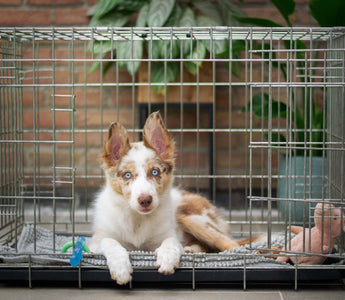
If your dog is still a puppy, plan for its adult size. A small kennel might fit now but will quickly become too cramped.
Choosing a kennel that accommodates growth saves money and stress. It means fewer replacements and happier dogs.
Ask yourself: how much bigger will my dog get? This foresight helps you pick a kennel that stays suitable for years.
Credit: bullybeds.com
Minimum Kennel Dimensions
Choosing the right size for your dog’s kennel is crucial for their comfort and well-being. Minimum kennel dimensions ensure your dog has enough space to rest, move, and feel secure. These measurements vary depending on your dog’s size and breed, but there are basic guidelines you can follow to create a safe and cozy environment.
Length And Width Guidelines
The length of the kennel should be at least as long as your dog from the tip of the nose to the base of the tail, plus extra room to stretch comfortably. The width needs to accommodate your dog lying down and turning around without restriction.
For example, a medium-sized dog measuring 24 inches in length should have a kennel length of about 30 inches. Width should be roughly the same or slightly wider to allow easy movement.
Height Requirements
Your dog’s kennel height must allow them to stand up without hitting their head. Measure your dog’s height from the floor to the top of their head or ears when standing, and add a few inches for clearance.
Usually, adding 4 to 6 inches above your dog’s standing height creates enough space for comfort and ventilation. This prevents your dog from feeling cramped or stressed inside the kennel.
Space For Movement
Movement space is essential for your dog’s physical health and mental well-being. A kennel should provide enough room for walking a few steps, turning around, and lying down in different positions.
Think about how often your dog will be in the kennel. If it’s for longer periods, increasing the space can reduce anxiety and muscle stiffness. Have you noticed if your dog seems restless or tries to squeeze into tight spots? That’s a sign they need more room.
Kennel Sizes For Different Dog Breeds
Choosing the right kennel size for your dog depends heavily on their breed and size. A kennel that’s too small can make your dog uncomfortable, while one that’s too large may not provide the cozy security they need. Understanding the specific size needs for different dog breeds helps you create a safe and happy space for your furry friend.
Small Breeds
Small breeds like Chihuahuas, Pomeranians, and Yorkshire Terriers need kennels that offer enough room to stretch but not so much that they feel lost. A kennel around 18 to 24 inches in length and width usually works well.
Think about your dog’s favorite sleeping position—do they curl up tight or sprawl out? This can guide you in choosing the right dimensions.
Medium Breeds
Medium breeds such as Beagles, Cocker Spaniels, and Bulldogs require kennels that provide both comfort and space for movement. Sizes typically range from 28 to 36 inches.
Remember, your dog will need room to stand up, turn around, and lie down comfortably. A kennel that’s too tight can cause stress or injury.
Large Breeds
Large breeds like Labradors, Golden Retrievers, and German Shepherds need kennels that are spacious enough to accommodate their size and energy. Kennels around 42 to 48 inches are common for these dogs.
Have you noticed how much your dog likes to stretch after a nap? The kennel should allow them to do that without any restriction.
Extra Large Breeds
Extra large breeds, including Great Danes, Saint Bernards, and Mastiffs, require kennels that can easily fit their height and length. Kennels measuring 54 inches or more are often necessary.
Providing ample space can prevent joint problems and improve your dog’s overall comfort. What’s more, a roomy kennel can become a sanctuary for these gentle giants.
Indoor Vs Outdoor Kennel Sizes
Choosing the right size for your dog’s kennel depends heavily on whether it will be indoors or outdoors. Each setting has unique demands that affect your dog’s comfort and safety. Understanding these differences helps you pick a kennel that fits your dog’s needs perfectly.
Environmental Considerations
Indoor kennels usually face stable temperatures and less exposure to weather. This means you can focus more on size for comfort rather than protection. Outdoor kennels, however, must withstand rain, wind, heat, and cold. You need to think about how much space your dog requires to move freely while staying safe from harsh weather.
Have you noticed how your dog behaves differently indoors versus outdoors? That’s a clue to how much space and protection they might need. Outdoor kennels often require extra room so your dog can find shade or shelter from rain. Indoor kennels can be a bit smaller but should never feel cramped.
Ventilation And Shelter Needs
Proper airflow is crucial for both indoor and outdoor kennels, but the approach changes. Indoor kennels benefit from room ventilation but don’t need to be as open since the environment is controlled. Outdoor kennels need open designs or mesh sides to keep air flowing and reduce overheating.
Consider adding a solid roof or partial walls to your outdoor kennel to provide shelter from sun and rain. Inside, a kennel with breathable sides or panels helps keep your dog comfortable without drafts. How well your kennel ventilates can directly affect your dog’s health and mood.
Flooring And Comfort
Flooring choices depend on the kennel location. Indoor kennels can have soft mats, rugs, or foam pads to provide extra comfort. Outdoor kennels need durable, weather-resistant flooring like concrete, rubber mats, or raised platforms to avoid dampness and cold.
Think about your dog’s breed and age when selecting flooring. Older dogs or those with joint issues benefit from softer surfaces indoors, while outdoor kennels should prevent water pooling and mud. Have you checked if your current kennel floor stays dry and clean after rain?
Customizing Your Dog’s Kennel
Customizing your dog’s kennel transforms it from a simple shelter into a cozy, functional space that suits your pet’s needs. Tailoring the size and features helps ensure your dog feels safe, comfortable, and engaged. Think beyond just fitting your dog’s size—consider how they live, sleep, and play within their space.
Adding Bedding And Accessories
Soft bedding is essential for comfort and warmth. Choose materials that are easy to clean and resistant to odors, like waterproof mats or removable cushions. Adding a few favorite toys or a chew bone can make the kennel feel inviting and reduce anxiety when your dog spends time alone.
Consider the placement of food and water bowls inside or near the kennel. Elevated bowls can help larger breeds eat comfortably. You might also add a small blanket that carries your scent to help your dog relax.
Creating Play And Rest Areas
Divide the kennel space into zones if size permits. A dedicated resting spot with bedding and a separate play area with toys keeps your dog mentally stimulated and comfortable. This separation helps maintain cleanliness and gives your dog a clear sense of when it’s time to relax or play.
Think about how your dog uses the kennel during the day. Does your dog enjoy chewing or digging? Adding safe chew toys or interactive puzzles can keep them entertained. If your kennel is outdoors, consider shading one side to create a cooler resting area.
Adjusting For Multiple Dogs
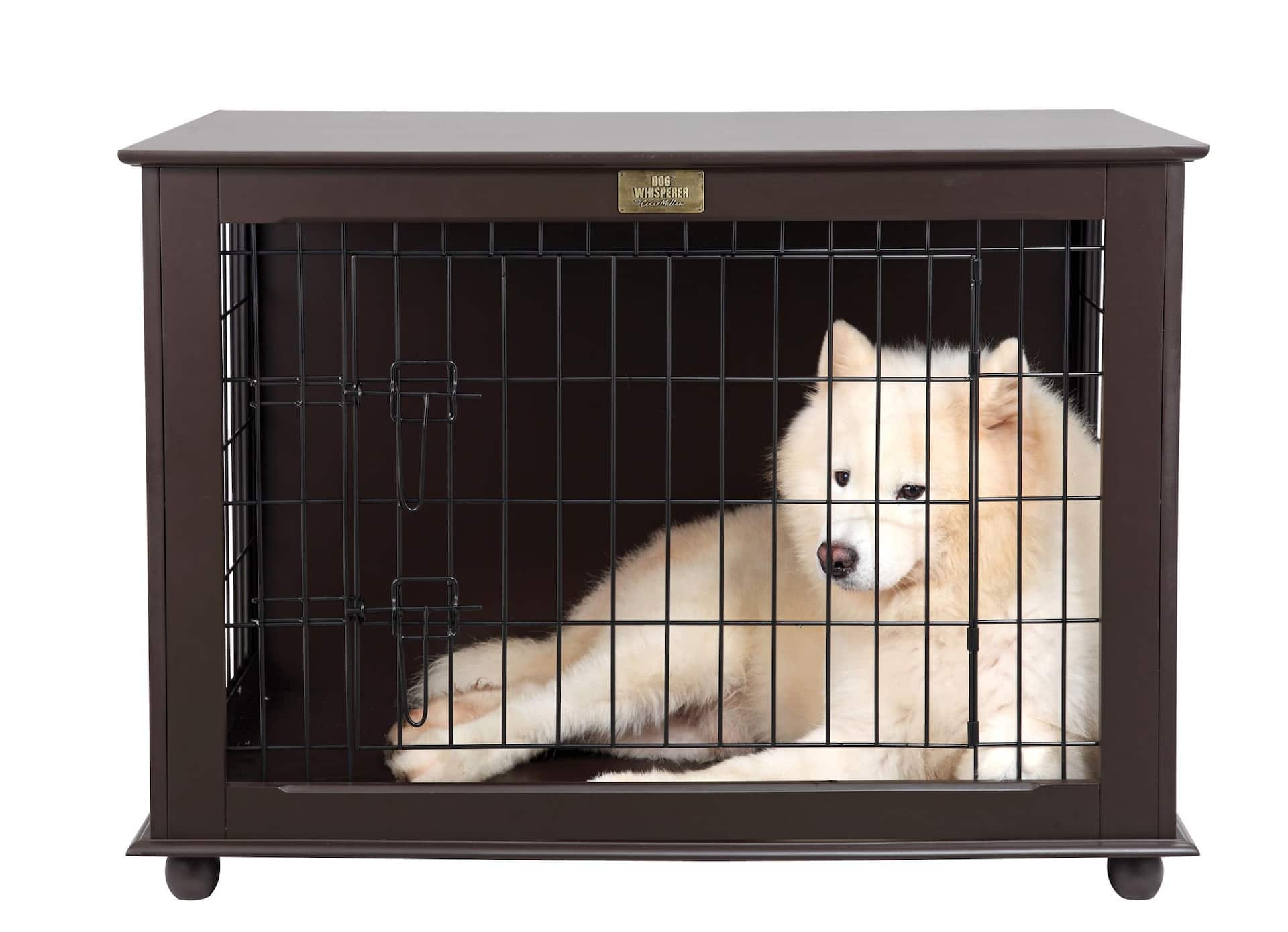
When housing more than one dog, size adjustments are critical. Each dog needs enough room to move freely and have their own space to retreat. Crowded kennels can lead to stress and conflicts, so plan the kennel size based on the combined size and activity level of all dogs.
Separate bedding areas and multiple water bowls prevent competition. Also, consider individual accessories for each dog to reduce territorial behavior. If possible, design the kennel with dividers or partitions to allow dogs to separate when needed.
Common Mistakes In Kennel Sizing
Choosing the right kennel size is important for your dog’s well-being. Many pet owners make common mistakes that affect the dog's comfort and safety. These errors often cause stress and limit the dog’s movement. Understanding these pitfalls helps create a better space for your pet.
Overcrowding
Many kennels are too small for the dog they hold. Overcrowding limits your dog’s ability to move freely. Dogs need space to stand, turn, and lie down comfortably. A cramped kennel can cause anxiety and health issues. Always ensure enough room for natural movements.
Ignoring Growth Potential
Some owners choose kennels based on their dog’s current size. Puppies grow fast and need extra space soon. A kennel that fits today might be too small next month. Plan ahead by selecting a kennel that suits your dog's adult size. This avoids frequent replacements and stress.
Neglecting Comfort Features
Size is not the only factor in a kennel’s comfort. Ventilation, bedding, and shade improve the dog’s experience. Ignoring these features can make a large kennel feel uncomfortable. Add soft mats, proper airflow, and shelter from weather. Comfort helps your dog feel safe and relaxed inside.
Tips For Measuring And Setting Up
Setting up the perfect kennel size for your dog starts with accurate measuring and thoughtful placement. Getting these details right ensures your dog feels comfortable and safe. Let’s look at some practical tips to help you measure and set up your dog’s kennel effectively.
Using Accurate Tools
Use a reliable measuring tape to get precise dimensions of your dog’s length, height, and width. Measure your dog while standing, from nose to the base of the tail, and from the floor to the top of the head or ears—whichever is taller.
Don’t guess or eyeball the size; even a few inches off can make a difference in your dog’s comfort. If your dog is still growing, add extra space to accommodate future size changes. A metal tape measure works best because it stays straight and doesn’t stretch.
Positioning The Kennel
Place the kennel in a quiet, low-traffic area where your dog can feel secure but not isolated. Avoid direct sunlight or drafty spots to maintain a comfortable temperature inside the kennel.
Think about your dog’s daily routine. Position the kennel near family activity areas so your pet doesn’t feel left out but still has a peaceful retreat. Have you noticed how your dog reacts to different spots in your home? Use that to guide your placement.
Regular Size Reassessment
Dogs grow, and their needs change—especially puppies and active breeds. Check your dog’s size every few months and adjust the kennel size accordingly if possible.
Even adult dogs may gain or lose weight, affecting their space requirements. Keep an eye on how your dog uses the kennel—is it cramped, or is there plenty of room to move? Regular reassessment helps you maintain comfort and safety over time.

Credit: www.costway.ca
Credit: www.canadiantire.ca
Frequently Asked Questions
What Size Kennel For A Medium Dog?
A medium dog typically requires a kennel that’s 36 inches long. Ensure there’s ample room for the dog to stand, turn, and stretch comfortably. Additionally, check the width and height to guarantee a cozy and secure environment. Adequate space promotes comfort and reduces stress for your pet.
How Do I Choose The Right Kennel Size?
Measure your dog from nose to tail and from floor to head. Add a few inches to these measurements to ensure comfort. Consider the dog’s breed and activity level. A spacious kennel prevents anxiety and enhances well-being. Always prioritize your dog’s comfort and safety when selecting a kennel.
Can A Kennel Be Too Big For A Dog?
Yes, a kennel can be too big for a dog. Excessive space may cause anxiety or encourage accidents. The right size should allow the dog to stand, turn, and lie down comfortably. An appropriately sized kennel ensures security and promotes a sense of safety for your pet.
What Is The Best Material For A Dog Kennel?
The best material depends on your needs. Metal kennels are durable and secure. Plastic kennels offer portability and insulation. Wooden kennels provide aesthetics and comfort but require maintenance. Choose based on climate, portability needs, and your dog’s behavior. The right material enhances comfort and longevity.
Conclusion
Choosing the right size for a dog kennel keeps your pet safe and happy. A kennel that fits well gives your dog space to move and rest comfortably. Too small feels cramped; too large may feel unsafe. Think about your dog’s size, age, and breed when picking a kennel.
Measure carefully before buying or building one. A good kennel helps your dog feel secure and relaxed. Keep your pet’s comfort as the top priority. Simple steps lead to a happy dog and peace of mind for you.

Emily Barker is the founder of ChillDogLife.com, a space dedicated to helping pup parents discover the best dog products, lifestyle tips, and cozy ideas for happier homes.
A lifelong dog lover, Emily combines her passion for pets with a knack for research to share trusted recommendations on everything from toys and furniture to health and everyday care.
Her goal is simple: to make life easier, stylish, and more joyful for dogs and the people who love them.




