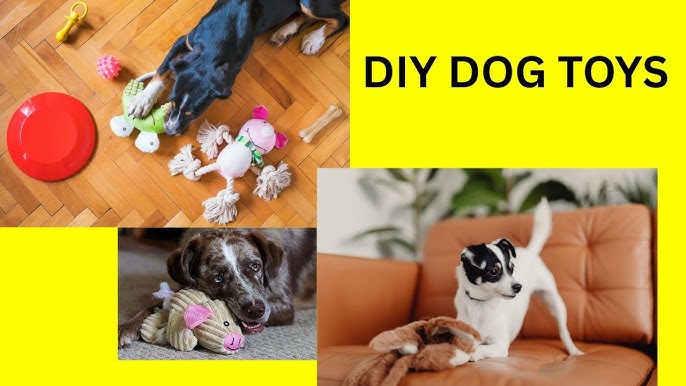
Are you looking for a fun and simple way to keep your dog happy and entertained? Making your own dog toys is easier than you think—and it lets you create something special just for your furry friend.
Not only will you save money, but you’ll also have full control over the materials, ensuring your dog’s safety. Keep reading, and you’ll discover easy steps and creative ideas to craft toys that your dog will love. Ready to become your dog’s favorite playmate?
Let’s get started!
Benefits Of Diy Dog Toys
Making your own dog toys can be more than just a fun activity—it offers real benefits for both you and your furry friend. When you create toys at home, you gain control over the materials, design, and safety. This hands-on approach often leads to happier pets and smarter spending.
Cost Savings
Buying dog toys regularly can add up quickly. DIY toys use items you likely already have, like old t-shirts or tennis balls, cutting down expenses significantly.
Imagine turning scraps into playthings your dog loves—why pay store prices when a simple knot or a stuffed sock can do the trick?
Customization For Pets
Your dog’s preferences and chewing habits are unique. Homemade toys let you tailor size, texture, and durability specifically to your pet’s needs.
Does your dog love tugging? Make a sturdy rope toy. Prefer soft cuddly toys? Sew one with fabric that’s gentle on their teeth. You control what goes into each toy.
Eco-friendly Options
Throwing away plastic toys contributes to environmental waste. DIY toys often reuse old clothes or natural materials, reducing landfill impact.
Choosing sustainable options helps your dog and the planet. Have you ever thought about how much waste your pet’s toys produce?
Credit: pethero.co.za
Safe Materials For Dog Toys
Choosing safe materials for dog toys is essential. Dogs explore toys with their mouths. Unsafe materials can harm them. Using the right materials keeps dogs healthy and happy.
Safe dog toys resist wear and do not release harmful substances. They must be strong and free from toxic chemicals. Careful selection of materials protects your dog during playtime.
Non-toxic Fabrics
Non-toxic fabrics are gentle on a dog’s mouth and skin. Cotton and fleece are good choices. Avoid fabrics with dyes that can bleed or cause allergies. Organic and natural fabrics reduce chemical exposure. These fabrics are soft but durable enough for chewing.
Durable Components
Durability is key for long-lasting dog toys. Choose materials that resist tearing and breaking. Strong stitching and tightly woven fabrics improve durability. Rubber and tough nylon parts work well for added strength. Durable toys save money and keep dogs entertained safely.
Avoiding Small Parts
Small parts can cause choking or blockages. Avoid buttons, beads, or loose threads on toys. Securely attach any decorations or components. Larger pieces prevent dogs from swallowing dangerous items. Safety means no removable parts that fit inside a dog’s mouth.
Simple Diy Toy Ideas
Creating your own dog toys can be a fun and rewarding experience. Simple DIY toys not only save money but also let you customize playthings that suit your dog’s preferences and chewing habits. Plus, making toys at home ensures they are safe and made from materials you trust.
Tug-of-war Ropes
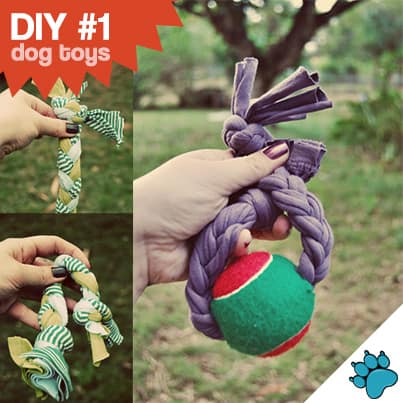
Tug-of-war ropes are a classic favorite for dogs who love a good challenge. You only need a few old t-shirts or fabric scraps to make one. Cut the fabric into long strips, braid them tightly, and knot the ends securely.
Try different fabric textures to see what your dog enjoys most. These ropes are great for interactive play and can help build your dog’s strength and coordination. Have you noticed how some dogs get extra excited with braided toys? It’s a sign they love the texture and resistance.
Tennis Ball Treat Dispensers
Tennis balls can become more than fetch toys—they can be clever treat dispensers. Cut a small slit on one side of the ball just big enough for treats to fall out slowly. Fill the ball with your dog’s favorite small treats or kibble.
This toy encourages your dog to think and work for their snack, providing both mental and physical exercise. Always supervise your dog with this toy to ensure they don’t chew the ball apart. Have you tried watching your dog figure out a puzzle toy? It’s amazing how quickly they learn!
Sock And Tennis Ball Toys
A simple sock combined with a tennis ball can make a fun and soft toy. Place the ball inside the sock and tie a knot at the open end. This creates a cushioned, bouncy toy perfect for gentle chewing or tossing around.
Use old socks you no longer wear to keep the cost down and recycle materials. This toy is especially good for dogs who prefer softer textures. What’s the last toy your dog couldn’t get enough of? Chances are, it had a unique feel or bounce like this one.
Interactive Puzzle Toys
Interactive puzzle toys challenge your dog’s mind and keep them engaged for longer periods. These toys stimulate problem-solving skills and can reduce boredom and destructive behavior. Creating your own interactive puzzles at home is simple and fun, giving your dog a rewarding mental workout.
Treat Hide-and-seek
Hide small treats inside various containers like old socks, boxes, or towels. Your dog will have to sniff and paw through to find the hidden rewards. This game sharpens their sense of smell and encourages patience.
Try hiding treats in different rooms or under cushions to increase the difficulty. Notice how your dog’s excitement grows as they learn to search more effectively. Have you seen how a simple scent game can turn into a full treasure hunt?
Bottle Spinner Games
Use an empty plastic bottle and drill holes just big enough to let treats drop out when spun. Attach the bottle horizontally between two supports so it can spin freely. Your dog will have to figure out how to spin the bottle to release the treats inside.
This toy is great for dogs that love to nudge and paw objects. It also helps improve their coordination. Watch how your dog experiments with different ways to get the treats—it’s like watching a little scientist at work!
Cardboard Maze Challenges
Create a maze using cardboard boxes with multiple pathways and dead ends. Place treats at the maze’s end to encourage your dog to find the way through. This design boosts problem-solving skills and keeps your dog physically active.
Change the maze layout regularly to keep it fresh and challenging. You’ll notice your dog’s confidence growing as they master the maze. What new maze shapes can you imagine that would test your dog’s cleverness even more?
Recycled Materials For Toys
Using recycled materials to make dog toys is a smart and eco-friendly choice. It saves money, reduces waste, and gives your pet something unique to enjoy. Plus, it’s a fun way to get creative with items you already have at home.
Old T-shirts
Old t-shirts are soft, durable, and perfect for making tug toys or braided ropes for your dog. Cut the shirts into strips and braid them tightly to create a strong toy. I once made a braided tug toy from an old concert tee, and my dog loved it more than any store-bought toy.
You can also knot the strips to make chew toys or add a squeaker inside for extra fun. What old fabric do you have lying around that could be transformed into a toy?
Plastic Bottles
Plastic bottles are great for making crunchy toys that dogs enjoy chewing on. Remove the label and cap, then place the bottle inside a sock or wrap it with fabric for safety. The crinkling sound keeps dogs curious and entertained.
Make sure to supervise playtime to prevent any choking hazards. Have you ever seen your dog fascinated by everyday noises? A plastic bottle toy might be the answer.
Cardboard Boxes
Cardboard boxes can be turned into puzzle toys or simple chew toys. Cut holes or flaps where you can hide treats, encouraging your dog to sniff and paw them out. This adds a mental challenge that keeps dogs busy and sharp.
Layering cardboard pieces also creates interesting textures for chewing. Next time you get a package, think about how you can give that box a second life as your dog’s new favorite toy.

Credit: pfoten.net
Maintaining And Cleaning Toys
Keeping dog toys clean and safe is very important. Dirty toys can carry germs that may harm your pet. Regular cleaning helps keep toys fresh and enjoyable. Checking toys for damage prevents accidents during playtime. Replacing worn parts keeps toys useful longer and maintains your dog’s interest.
Washing Fabric Toys
Fabric toys need gentle cleaning to stay soft and safe. Use warm water and mild soap to wash them. Avoid harsh chemicals that can irritate your dog’s skin. Machine wash on a gentle cycle if the toy label allows. Air dry completely before giving the toy back to your dog. Regular washing stops bad smells and bacteria buildup.
Inspecting For Damage
Check toys often for tears, loose threads, or broken parts. Look inside for exposed stuffing or small pieces. Damage can cause choking or swallowing hazards. Remove or repair toys with any signs of wear. Keeping toys intact protects your dog from injury. A quick daily check can prevent many problems.
Replacing Worn Parts
Some toys have parts like squeakers or ropes that wear out fast. Replace these parts to keep the toy fun and safe. Use safe, pet-friendly materials for replacements. If the toy is too damaged, discard it and make a new one. Regular updates help your dog enjoy their toys longer. A fresh toy keeps your dog active and happy.
Encouraging Playtime Safety
Encouraging playtime safety is key to making sure your dog enjoys their toys without any risks. When you create toys at home, it’s easy to overlook small details that could cause harm. Taking a few simple safety steps helps keep playtime fun and worry-free.
Supervised Play Tips
Always watch your dog during play, especially with new or homemade toys. Dogs can chew through materials faster than you expect, and small pieces might become choking hazards. Being present allows you to step in if the toy breaks or if your dog starts swallowing bits.
Think about your dog’s size and chewing strength when choosing or making toys. A toy that’s perfect for a gentle chewer might not hold up for a power chewer. Does your dog tend to destroy toys quickly? If yes, select tougher materials or consider toys designed for aggressive chewers.
Recognizing Toy Wear
Check your dog’s toys regularly for signs of damage like cracks, tears, or missing parts. Worn-out toys can cause cuts or be swallowed accidentally. If you spot any damage, toss the toy or repair it immediately.
It might seem harmless to let your dog keep a slightly torn toy, but that small rip can quickly become a bigger problem. Have you noticed your dog’s favorite toy looking rough? Use that as a reminder to inspect it more often.
Safe Storage Practices
Store dog toys in a clean, dry place away from dirt and moisture to prevent bacteria buildup. A dedicated basket or bin works well and helps you keep track of what’s clean and what needs replacement. This also stops your dog from accessing broken toys unsupervised.
Keeping toys organized also helps you rotate them, which keeps your dog interested and reduces wear on individual toys. How often do you check and swap out your dog’s toys? Regular rotation can keep playtime fresh and safer.

Credit: www.marymarthamama.com
Frequently Asked Questions
What Materials Are Best For Dog Toys?
Soft fabrics like fleece and durable materials like rubber are ideal. Use non-toxic and pet-safe items. Old T-shirts, denim, and tennis balls can be reused. Avoid sharp edges and small parts. These materials ensure safety and longevity. Always supervise playtime to prevent accidents.
How Can I Make A Simple Dog Toy?
Cut old T-shirts into strips and braid them tightly. Tie knots at both ends for durability. This DIY toy is easy to make and cost-effective. It provides fun and exercise for your dog. Customize by adding colors or different textures.
Are Homemade Dog Toys Safe?
Homemade dog toys can be safe when made properly. Use pet-friendly, non-toxic materials. Avoid small parts that could be swallowed. Always monitor your dog during play to prevent accidents. Regularly inspect toys for wear and tear. Replace them if they become damaged.
How Do I Clean Homemade Dog Toys?
Hand wash fabric toys with mild soap and warm water. Rinse thoroughly to remove all soap residues. For rubber toys, use a mixture of vinegar and water. Let them air dry completely before reuse. Regular cleaning keeps toys hygienic and safe for your dog.
Conclusion
Making dog toys at home is fun and saves money. You can use safe materials from around your house. Simple steps help you create toys your dog will love. Handmade toys also keep your pet busy and happy. Try different designs to find what suits your dog best.
Enjoy the process and watch your dog play joyfully. Keep safety in mind to avoid any harm. Homemade dog toys bring joy to both you and your pet. Give it a try and see the difference today.

Emily Barker is the founder of ChillDogLife.com, a space dedicated to helping pup parents discover the best dog products, lifestyle tips, and cozy ideas for happier homes.
A lifelong dog lover, Emily combines her passion for pets with a knack for research to share trusted recommendations on everything from toys and furniture to health and everyday care.
Her goal is simple: to make life easier, stylish, and more joyful for dogs and the people who love them.




