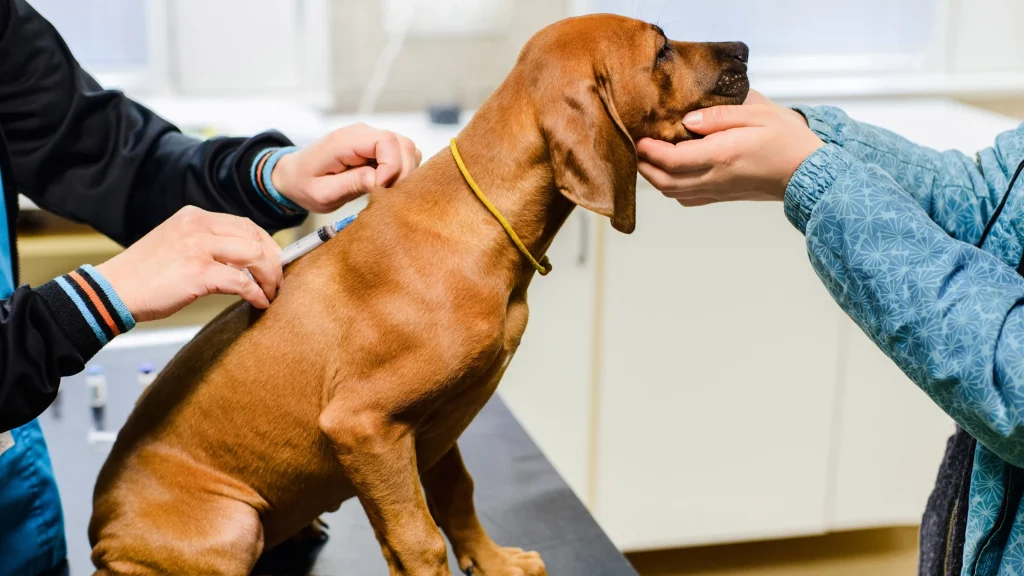
If you’re a dog owner, nothing worries you more than seeing your furry friend cough and struggle to breathe. Kennel cough can sneak up on your dog when you least expect it, and understanding how your dog can get it is the first step to keeping them safe.
You might think it only happens in kennels, but the truth is, your dog can catch it in many everyday places. Keep reading to discover exactly how kennel cough spreads and what you can do to protect your loyal companion from this uncomfortable and contagious illness.

Credit: www.youtube.com
Causes Of Kennel Cough
Kennel cough is a common respiratory infection in dogs. It spreads easily, especially in places with many dogs. Understanding the causes helps keep dogs safe and healthy. The infection starts with certain germs and spreads through specific ways. Some dogs have a higher chance of catching it than others.
Common Infectious Agents
Kennel cough is caused by several germs. The most common one is Bordetella bronchiseptica, a bacteria that infects the dog’s airways. Other agents include viruses like parainfluenza and adenovirus. These germs irritate the throat and lungs, causing the dog to cough. Sometimes, a mix of bacteria and viruses causes the infection.
Transmission Methods
The germs spread mostly through the air. When an infected dog coughs or sneezes, tiny droplets float around. Other dogs breathe in these droplets and get infected. The disease can also spread by direct contact with an infected dog. Sharing bowls, toys, or bedding can pass the germs too. Contaminated surfaces in places like kennels increase the risk.
Risk Factors
Certain conditions raise the chance of kennel cough. Dogs in crowded places like shelters or dog parks face higher risks. Young puppies and older dogs have weaker immune systems. Stress and poor nutrition also make dogs more vulnerable. Dogs that travel a lot or stay in boarding kennels catch it more often. Lack of vaccination against kennel cough germs increases risk as well.
Recognizing Kennel Cough Symptoms
Recognizing kennel cough symptoms early can make a big difference in how quickly your dog recovers. This contagious respiratory infection often starts with subtle signs that many pet owners might overlook. Paying attention to these symptoms helps you act promptly and protect your dog’s health.
Early Signs
The first signs of kennel cough usually involve a persistent, dry cough that sounds harsh or “honking.” You might notice your dog coughing more after exercise or excitement. Other early symptoms include sneezing, mild nasal discharge, or a slight drop in energy.
Have you ever heard your dog’s cough and thought it was just a tickle? That’s common, but kennel cough can worsen if ignored.
Progression Of Symptoms
If kennel cough progresses, your dog may develop a wetter, more frequent cough, sometimes with phlegm or mucus. You could see a decrease in appetite or mild fever as the infection settles deeper in the respiratory tract. Some dogs also become more lethargic or show difficulty breathing in severe cases.
Watch for changes in your dog’s breathing patterns or any signs of distress, as these indicate the infection might be advancing.
When To See A Vet
It’s time to visit a vet if the cough lasts more than two weeks or worsens despite home care. Also, seek help if your dog shows signs like rapid breathing, nasal bleeding, or persistent lethargy. Early veterinary intervention can prevent complications and speed up recovery.
Would you wait too long and risk serious illness, or take action early to protect your furry friend?
Preventing Kennel Cough
Preventing kennel cough is crucial to keeping your dog healthy and happy. This contagious respiratory infection spreads easily among dogs, especially in places where they gather. Taking proactive steps can significantly reduce the risk and protect your furry friend from discomfort and illness.
Vaccination Options
Vaccines play a key role in preventing kennel cough. There are injectable and nasal vaccines available that target the common bacteria and viruses causing the infection.
Talk to your vet about the best vaccine for your dog’s lifestyle. For instance, if your dog frequently visits dog parks or boarding facilities, a nasal vaccine might offer faster protection.
Hygiene Practices
Keeping your dog’s environment clean helps stop the spread of germs. Regularly wash your dog’s bedding, toys, and bowls with hot water and pet-safe disinfectants.
Also, clean your hands before and after handling your dog, especially after visits to places where many dogs gather. This simple habit can prevent transferring germs to your pet.
Limiting Exposure
Minimizing your dog’s contact with other dogs during outbreaks is a smart move. Avoid crowded dog parks, grooming salons, or boarding kennels when kennel cough cases are rising in your area.
Pay attention to your dog’s social calendar and consider outdoor playdates with healthy, vaccinated friends instead. Could adjusting your dog's routine be the key to keeping kennel cough at bay?
Treatment And Care
Knowing how to treat and care for your dog when they have kennel cough can make a huge difference in their recovery. The right approach helps reduce discomfort and prevents the infection from worsening. Let’s look at some practical ways you can support your furry friend through this illness.
Home Remedies
Simple home remedies can soothe your dog’s symptoms and boost their comfort. Make sure your dog rests in a warm, quiet space away from other pets to avoid spreading the infection.
Using a humidifier or taking your dog into a steamy bathroom can help ease their cough by moistening their airways. Also, ensure they have plenty of fresh water to stay hydrated, which helps thin mucus and makes coughing less harsh.
Medical Treatments
If your dog’s cough persists or worsens, a vet visit is essential. Antibiotics might be prescribed if a bacterial infection is suspected, even though kennel cough is often viral.
Sometimes, your vet may recommend cough suppressants or anti-inflammatory medications to reduce irritation. Vaccines are also available to help prevent future infections—have you checked your dog’s vaccination status recently?
Recovery Tips
During recovery, avoid exposing your dog to smoke, dust, or strong perfumes, as these can irritate their sensitive airways. Keep your dog’s environment clean and stress-free to aid healing.
Gradually reintroduce exercise as your dog starts to feel better, but watch closely for any return of coughing or fatigue. Remember, recovery times vary, so patience and observation are key to ensuring your dog bounces back fully.
Kennel Cough In Different Dog Breeds
Kennel cough affects dogs of all breeds. Some breeds show more signs than others. Knowing breed differences helps owners protect their pets. This section explores how kennel cough varies among breeds. It highlights which dogs get sick easier and special care tips for them.
Breed Susceptibility
Small breeds like Chihuahuas and Pomeranians catch kennel cough easily. Their small airways get irritated faster. Medium breeds such as Beagles also show symptoms often. Large breeds like Labradors can get kennel cough but less often. Dogs with short noses, like Bulldogs and Pugs, have weaker immune systems. This makes them more prone to infections. Puppies and older dogs of any breed risk catching kennel cough too.
Special Care Considerations
Short-nosed breeds need careful monitoring during outbreaks. Their breathing can worsen with kennel cough. Avoid crowded places for these dogs. Use a humidifier to ease their cough at home. Small breeds might need extra warmth and rest. Medium and large dogs benefit from balanced exercise to keep lungs strong. All breeds should have regular vet check-ups to catch infections early.

Credit: www.lilyskitchen.co.uk
Credit: zigly.com
Frequently Asked Questions
What Causes Kennel Cough In Dogs?
Kennel cough is caused by viruses and bacteria, primarily Bordetella bronchiseptica. Dogs contract it through close contact with infected dogs. Crowded places like kennels and shelters are common sources. Poor ventilation and stress can increase susceptibility.
How Do Dogs Contract Kennel Cough?
Dogs contract kennel cough by inhaling airborne bacteria and viruses. Close proximity to infected dogs increases risk. Shared spaces, like kennels and dog parks, are common transmission areas. It’s highly contagious, making vaccination essential.
Can Kennel Cough Spread To Humans?
Kennel cough is primarily a canine illness. However, it can spread to humans with weakened immune systems. It’s rare but possible, so taking precautions is wise. If you’re immunocompromised, avoid close contact with infected dogs.
How Long Does Kennel Cough Last?
Kennel cough typically lasts one to three weeks. Severity and recovery time vary based on the dog’s health. Most dogs recover fully with rest and care. In severe cases, consult a veterinarian for treatment options.
Conclusion
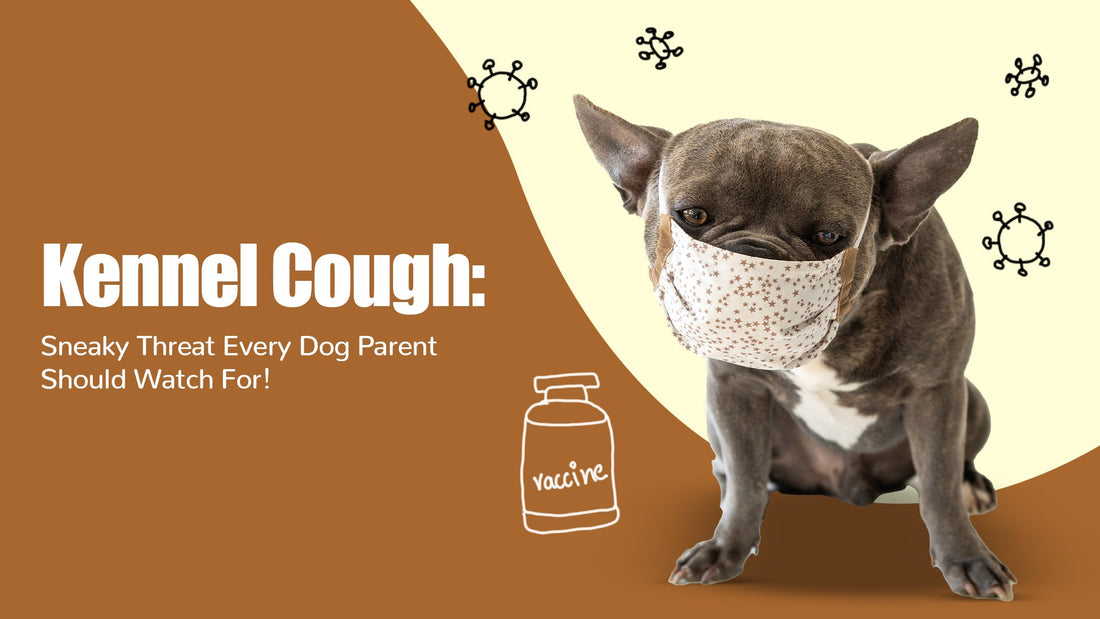
Dogs catch kennel cough mainly through close contact with infected dogs. Crowded places like kennels or dog parks raise the risk. The bacteria and viruses spread quickly in these spots. Watch for coughing and sneezing as warning signs. Early care helps your dog recover faster.
Keep your dog away from sick animals to stay safe. Understanding how kennel cough spreads can protect your pet. Stay alert and act quickly to keep your dog healthy. Prevention is always better than treatment.

Emily Barker is the founder of ChillDogLife.com, a space dedicated to helping pup parents discover the best dog products, lifestyle tips, and cozy ideas for happier homes.
A lifelong dog lover, Emily combines her passion for pets with a knack for research to share trusted recommendations on everything from toys and furniture to health and everyday care.
Her goal is simple: to make life easier, stylish, and more joyful for dogs and the people who love them.




