
Is your dog coughing more than usual? You might be wondering, “How do I know if my dog has kennel cough?”
Kennel cough is a common but contagious respiratory infection in dogs. It can cause your furry friend to feel uncomfortable and even lead to serious health problems if left untreated. You’ll discover the clear signs to watch for and what steps you can take to help your dog feel better fast.
Keep reading to protect your loyal companion and give yourself peace of mind.
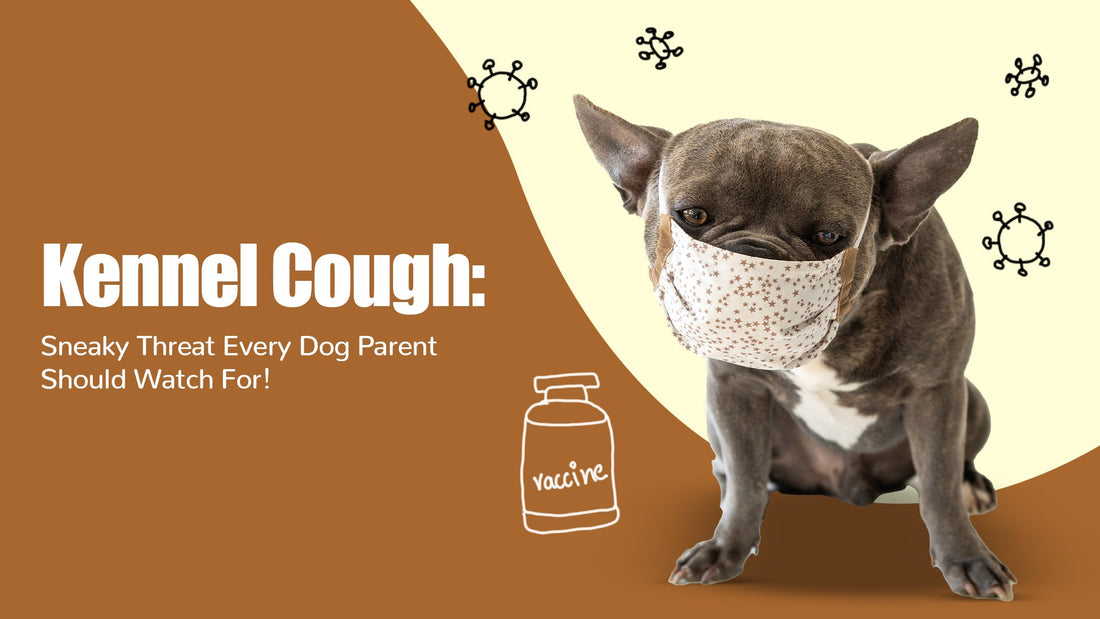
Credit: zigly.com
Symptoms Of Kennel Cough
Recognizing the symptoms of kennel cough early can make a big difference in how quickly your dog recovers. Kennel cough often starts subtly, so knowing what signs to look for helps you act fast. Let’s break down the common symptoms so you can spot them in your furry friend.
Dry, Persistent Cough
The hallmark of kennel cough is a harsh, dry cough that doesn’t go away easily. You might hear your dog make a honking sound, especially after exercise or excitement. Have you noticed your dog coughing more during walks or playtime? This persistent cough is your first clue something’s off.
Sneezing And Runny Nose
Alongside coughing, sneezing and a runny nose often occur. These symptoms can mimic a common cold, but in dogs, they signal respiratory irritation. Watch if your dog frequently sniffs or shakes its head—these subtle signs can point to kennel cough.
Lethargy And Reduced Appetite
Your dog might seem less energetic and show less interest in food. This drop in energy and appetite is a natural response to feeling unwell. If your usually lively pup becomes quiet or refuses treats, it’s worth checking for other kennel cough symptoms.
Mild Fever
A slight fever can accompany kennel cough, though it’s not always obvious. If your dog feels warmer than usual or seems uncomfortable, take its temperature with a pet thermometer. Even a mild fever can mean your dog’s body is fighting an infection.
Causes And Risk Factors
Understanding the causes and risk factors of kennel cough can help you protect your dog more effectively. This respiratory infection spreads easily, but certain situations increase the chances of your dog catching it. Knowing these factors lets you take smarter precautions to keep your furry friend healthy.
Exposure To Infected Dogs
Kennel cough is highly contagious. It spreads through airborne droplets when an infected dog coughs or sneezes near your dog.
If your dog spends time around other dogs who show signs of coughing or nasal discharge, the risk jumps significantly. Even brief contact at a park or grooming salon can be enough for transmission.
Have you noticed your dog interacting with new dogs lately? That could be a key moment where exposure happened.
Crowded Environments
Places where many dogs gather create perfect conditions for kennel cough to spread. Boarding kennels, dog daycares, and dog shows often have close quarters and shared airspace.
In such environments, the bacteria and viruses responsible for kennel cough move rapidly between dogs. This makes it easier for your dog to catch the illness even if they are usually healthy.
Consider how often your dog visits these busy spots and if extra precautions like vaccinations or avoiding them during outbreaks might be necessary.
Weakened Immune System
Dogs with weaker immune systems have a harder time fighting off kennel cough infections. Puppies, older dogs, and those with chronic illnesses fall into this category.
Stress, poor nutrition, or recent surgeries can also lower immunity. When your dog’s defenses are down, exposure to the bacteria or viruses behind kennel cough can lead to illness more easily.
Ask yourself if your dog is currently in a vulnerable state and how you can boost their immune health through diet, rest, and veterinary care.
How Kennel Cough Spreads
Understanding how kennel cough spreads is key to protecting your dog and others around them. This contagious respiratory infection can move quickly, especially in places where dogs gather. Knowing the common ways it transmits helps you spot risks and take action before your furry friend starts coughing.
Airborne Transmission
Kennel cough often spreads through tiny droplets released when an infected dog coughs or sneezes. These droplets can float in the air and easily reach other dogs nearby. Have you noticed how quickly a cough spreads in a crowded dog park? That’s airborne transmission at work.
Direct Contact
Dogs can catch kennel cough simply by touching noses or playing close together with an infected dog. Sharing toys, food bowls, or even grooming tools can pass the infection from one pup to another. Think about your dog’s last playdate—did they get close enough to exchange more than just sniff greetings?
Contaminated Surfaces
The bacteria and viruses causing kennel cough can survive on surfaces like kennel floors, bedding, and water bowls. Your dog can pick up the infection by licking or sniffing these contaminated spots. Cleaning and disinfecting these areas regularly can make a huge difference in stopping the spread.

Credit: www.youtube.com
When To See A Vet
Knowing when to take your dog to the vet is crucial for its health. Some symptoms of kennel cough need prompt medical attention. Early care can prevent serious problems and help your dog recover faster.
Severe Or Prolonged Coughing
A strong cough that lasts more than two weeks needs a vet visit. Watch for coughing that gets worse or does not improve. This could mean the infection is serious or another issue is present.
Difficulty Breathing
Labored or fast breathing signals a medical emergency. If your dog struggles to breathe or shows signs of distress, seek immediate care. Breathing problems can be life-threatening and require urgent treatment.
Signs Of Secondary Infection
Look for fever, nasal discharge, or loss of appetite. These signs may indicate a secondary infection. Secondary infections need veterinary diagnosis and often antibiotics to heal properly.
Preventing Kennel Cough
Kennel cough spreads quickly among dogs in close contact. Preventing this infection protects your dog’s health and comfort. Simple steps can reduce the risk of kennel cough significantly. Protecting your dog starts with understanding prevention options.
Vaccination Options
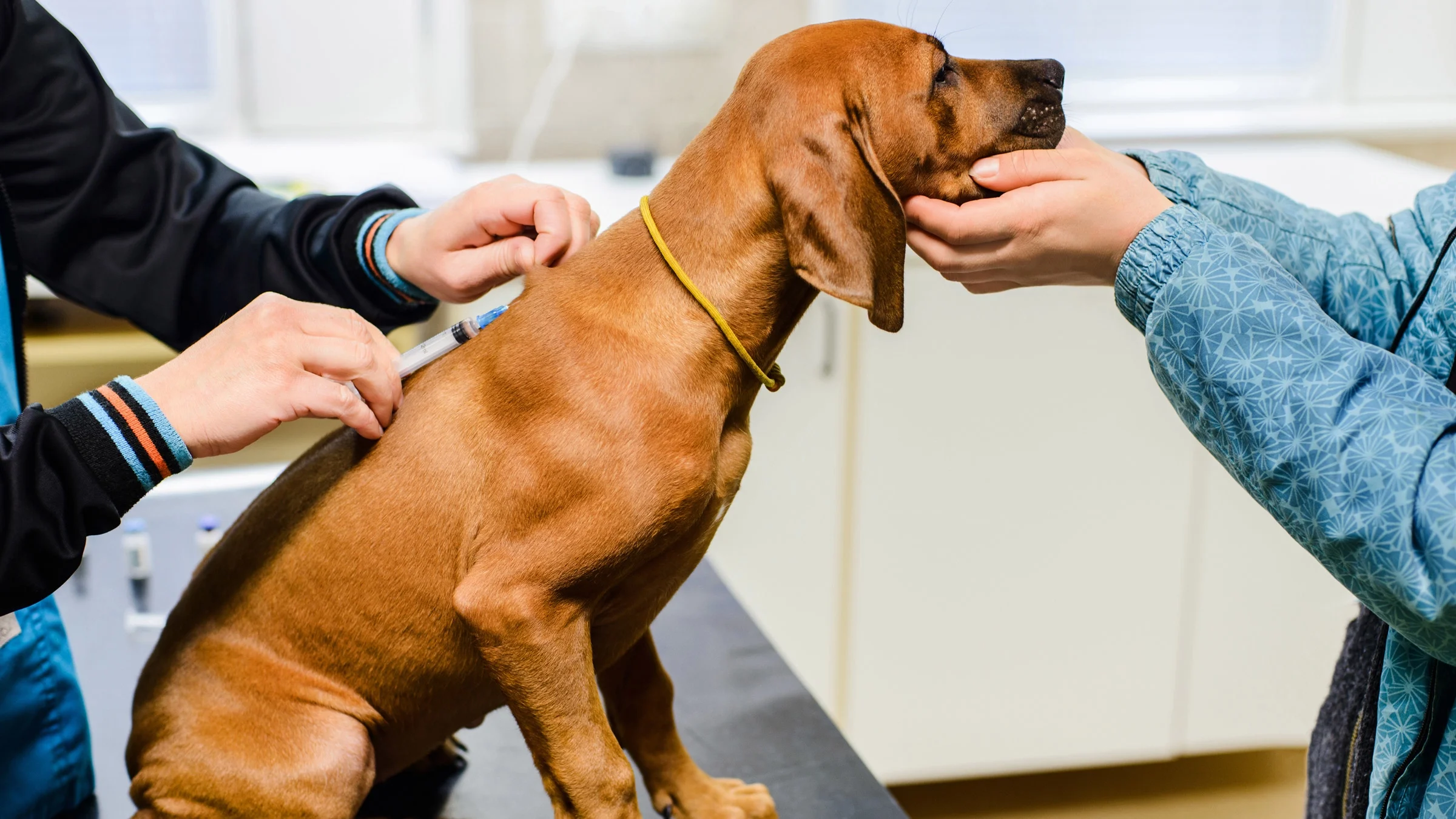
Vaccines help build your dog’s defense against kennel cough. Two main types exist:
- Intranasal vaccine: Delivers protection directly to the nose.
- Injection vaccine: Gives a general immune boost.
Vaccines reduce severity and spread of the disease. Consult your vet about which vaccine suits your dog best. Regular boosters keep the protection strong over time.
Hygiene Practices
Clean environments lower the chance of kennel cough. Wash your dog’s bedding and toys often. Disinfect surfaces in kennels and play areas regularly.
- Use pet-safe cleaning products.
- Remove waste quickly.
- Keep water and food bowls clean.
Good hygiene stops bacteria and viruses from spreading. Healthy surroundings mean healthier dogs.
Limiting Exposure
Minimize contact with infected dogs or crowded places. Avoid dog parks or kennels during outbreaks. Quarantine new dogs before introducing them to your pet.
- Watch for coughing or sneezing in other dogs.
- Keep your dog’s social circle small and healthy.
- Use a leash in public places.
Reducing exposure lowers your dog’s chance of catching kennel cough. Careful socializing helps keep your dog safe and happy.
Credit: www.goodrx.com
Frequently Asked Questions
What Are The Symptoms Of Kennel Cough In Dogs?
Kennel cough symptoms include a persistent dry cough, sneezing, and runny nose. Your dog might also exhibit lethargy, a mild fever, and loss of appetite. These symptoms can vary in severity. If you suspect kennel cough, consult your veterinarian for a proper diagnosis and treatment plan.
How Is Kennel Cough Transmitted Between Dogs?
Kennel cough spreads through airborne droplets, direct contact, or shared items like water bowls. It’s highly contagious among dogs, especially in crowded environments like shelters and kennels. Practicing good hygiene and avoiding infected dogs can help prevent transmission. Vaccination is another effective preventive measure.
Can Kennel Cough Resolve Without Treatment?
Kennel cough can resolve on its own in mild cases. However, monitoring your dog closely is essential. Severe cases may require veterinary intervention. Antibiotics and cough suppressants are sometimes prescribed. Always consult your veterinarian to determine the best course of action for your pet’s health.
How Long Does Kennel Cough Last In Dogs?
Kennel cough typically lasts one to three weeks. The duration depends on the dog’s immune response and the severity of the infection. Mild cases often resolve faster. Ensure your dog gets plenty of rest and stays hydrated. If symptoms persist or worsen, consult your veterinarian.
Conclusion
Knowing the signs of kennel cough helps protect your dog’s health. Watch for coughing, sneezing, or a runny nose. Early care can make recovery faster and easier. Keep your dog away from crowded places when sick. A vet visit ensures the right treatment and advice.
Stay alert and act quickly to keep your dog happy. Healthy dogs mean happy homes.

Emily Barker is the founder of ChillDogLife.com, a space dedicated to helping pup parents discover the best dog products, lifestyle tips, and cozy ideas for happier homes.
A lifelong dog lover, Emily combines her passion for pets with a knack for research to share trusted recommendations on everything from toys and furniture to health and everyday care.
Her goal is simple: to make life easier, stylish, and more joyful for dogs and the people who love them.




