
If your dog is vaccinated, you might think kennel cough is no longer a worry. But can your furry friend still catch it?
Understanding how kennel cough works and what vaccines can and cannot do is key to keeping your dog healthy. You’ll discover the facts about vaccination and kennel cough, so you can protect your dog better. Keep reading to find out what every dog owner needs to know.
What Is Kennel Cough
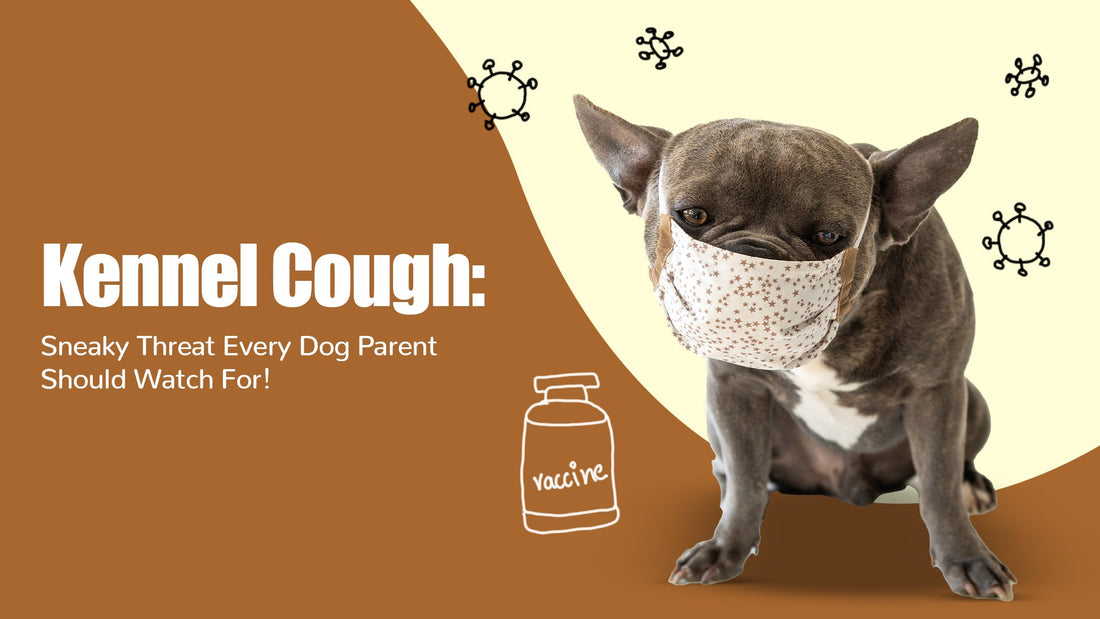
Kennel cough is a common respiratory infection in dogs. It spreads easily in places where many dogs gather. This illness causes a harsh, dry cough that sounds like a honking noise. Dogs catch it through close contact or shared air.
The infection affects the dog’s throat and windpipe. It is similar to a cold in humans but can be more serious for puppies or older dogs. Many dogs recover quickly with rest and care.
Causes Of Kennel Cough
- Bacteria called Bordetella bronchiseptica
- Viruses such as parainfluenza or adenovirus
- Exposure to infected dogs or contaminated environments
Symptoms To Watch For
- Persistent dry cough
- Gagging or retching
- Runny nose or sneezing
- Low energy or mild fever
How Kennel Cough Spreads
- Direct contact with infected dogs
- Airborne droplets from coughing or sneezing
- Shared food and water bowls
- Contaminated surfaces in kennels or parks
How Vaccines Work Against Kennel Cough
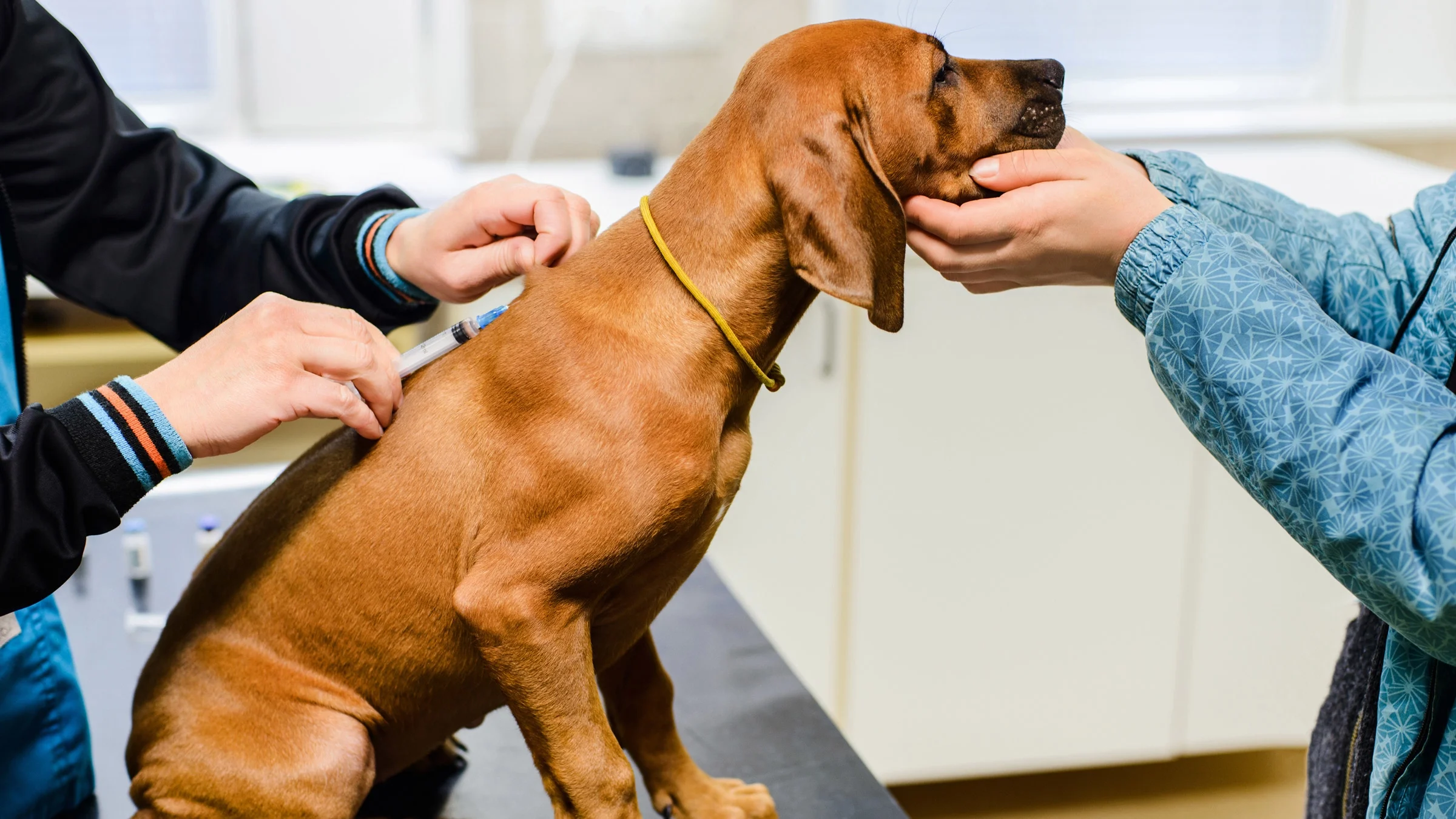
Vaccines help protect dogs from kennel cough by training their immune system. They prepare the body to fight the bacteria and viruses that cause this illness. This preparation reduces the chance of severe symptoms and helps dogs recover faster.
Vaccines contain small, safe parts of the kennel cough germs. These parts do not cause the disease but prompt the immune system to respond. After vaccination, the dog’s body remembers the germs and can react quickly if exposed later.
Types Of Kennel Cough Vaccines
- Intranasal vaccines: Delivered through the nose for quick protection.
- Oral vaccines: Given by mouth to stimulate immunity in the respiratory tract.
- Injectable vaccines: Shot under the skin to build systemic immunity.
How Vaccines Build Immunity
- Introduce harmless parts of the kennel cough germs.
- Trigger the immune system to produce antibodies.
- Create memory cells for faster response on real exposure.
Limitations Of Kennel Cough Vaccines
- Vaccines reduce severity but do not always prevent infection.
- Multiple germs cause kennel cough, vaccines may not cover all.
- Immunity may weaken over time, requiring booster shots.
Effectiveness Of Kennel Cough Vaccines
Kennel cough vaccines help protect dogs from this common respiratory illness. These vaccines reduce the severity and spread of the disease. They do not guarantee complete immunity. Dogs can still catch kennel cough after vaccination, but symptoms tend to be milder.
The effectiveness depends on the vaccine type and the dog’s health. Vaccines target different bacteria and viruses that cause kennel cough. The protection starts a few days after vaccination and lasts for several months.
Types Of Kennel Cough Vaccines
There are injectable and nasal spray vaccines available. Nasal vaccines act faster and may provide better local immunity in the airways. Injectable vaccines stimulate the body’s overall immune response. Some vaccines cover multiple pathogens for broader protection.
Duration Of Vaccine Protection
Protection usually lasts between six to twelve months. Booster shots are needed to maintain immunity. Skipping boosters can increase infection risk. Talk to your vet about the best vaccination schedule for your dog.
Factors Affecting Vaccine Effectiveness
- Dog’s age and immune system strength
- Exposure level to infected dogs
- Quality and storage of the vaccine
- Timely administration of booster shots
Signs Of Infection Despite Vaccination
Vaccinated dogs may still show mild coughing or sneezing. Symptoms usually last a shorter time and are less severe. Watch for persistent cough or difficulty breathing. Contact your vet if symptoms worsen or last more than two weeks.
Reasons Vaccinated Dogs May Still Catch Kennel Cough
Vaccinated dogs can still catch kennel cough. Vaccines help reduce the risk, but they do not offer full protection. Several reasons explain why vaccinated dogs might get infected despite vaccination.
Incomplete Vaccine Coverage
Vaccines do not cover all bacteria and viruses causing kennel cough. Some vaccines protect against only a few strains. This leaves dogs vulnerable to other types. Protection also depends on how well the vaccine works for each dog.
Exposure To Different Strains
Kennel cough has many strains. A dog vaccinated for one strain might meet a different one. The immune system may not recognize the new strain. This can lead to infection even after vaccination.
Weakened Immune System
Some dogs have weak immune systems. Age, illness, or stress can lower immunity. Vaccines may not trigger a strong defense. These dogs remain at risk of catching kennel cough despite vaccination.
Symptoms Of Kennel Cough In Vaccinated Dogs
Vaccinated dogs can still catch kennel cough, though symptoms may be milder. Recognizing these signs early helps protect your dog’s health. Watch for changes in behavior and breathing.
Coughing And Throat Irritation
A persistent, dry cough is common in vaccinated dogs with kennel cough. The cough may sound harsh or hacking. Your dog might try to clear its throat often.
Runny Nose And Sneezing
Some vaccinated dogs show nasal discharge or frequent sneezing. The mucus can be clear or slightly cloudy. These symptoms can mimic a common cold.
Reduced Energy And Appetite
Your dog may seem tired or less playful than usual. A drop in appetite often occurs. These signs indicate your dog is not feeling well.
Mild Fever
Vaccinated dogs might have a low-grade fever. It may not be easy to notice without a thermometer. Fever signals the body is fighting infection.
Watery Eyes
Eyes can become watery or slightly red. This symptom is less common but still possible. Watch for any eye discharge or irritation.

Credit: ccdogdaycare.com
Preventing Kennel Cough Beyond Vaccination
Vaccination is a powerful tool against kennel cough, but it doesn’t offer complete protection. Your dog can still catch kennel cough despite being vaccinated, especially in places where many dogs gather. That’s why preventing kennel cough requires more than just shots—it needs a combination of smart habits and care.
Hygiene And Sanitation
Keeping your dog’s environment clean is crucial. Regularly wash your dog’s bedding, toys, and food bowls with hot water and pet-safe disinfectants. This reduces the chance of bacteria and viruses lingering where your dog spends time.
Public places like dog parks and kennels often have high traffic of dogs. Wiping down surfaces and ensuring proper ventilation in these areas can lower infection risks. Have you checked how clean your dog’s favorite hangout spots are?
Limiting Exposure To Infected Dogs
You can’t always tell if a dog has kennel cough because symptoms might not show immediately. Avoiding contact with dogs showing coughing or sneezing is a smart move. When visiting doggy daycare or boarding facilities, ask about their health policies and outbreak history.
Also, try to stagger playdates and avoid crowded dog events during peak seasons for kennel cough. This can help reduce your dog’s exposure without isolating them completely.
Boosting Your Dog’s Immunity
Strong immunity helps your dog fight off infections more effectively. Feeding a balanced diet rich in vitamins and minerals supports immune health. Adding supplements like omega-3 fatty acids or probiotics can also make a difference.
Regular exercise and stress reduction play a role too. Dogs that are active and relaxed tend to have better immune responses. Have you noticed how your dog bounces back faster after a good run or a calm day at home?
When To See A Vet
Even if your dog is vaccinated, kennel cough can still occur. Vaccines reduce the severity and spread but don’t guarantee complete immunity. Knowing when to see a vet ensures your dog gets the right care early.
Signs That Warrant Immediate Veterinary Attention
Watch closely if your dog develops a persistent, harsh cough lasting more than two weeks. Difficulty breathing, bluish gums, or excessive lethargy also signal serious issues. These symptoms require prompt veterinary evaluation to prevent complications.
When Mild Symptoms May Still Need A Checkup
If your dog shows mild coughing but remains active and eating well, it might seem manageable at home. However, coughing that worsens at night or after exercise should not be ignored. A quick vet visit can rule out worsening conditions and provide peace of mind.
How Underlying Health Conditions Affect The Decision
Dogs with heart or lung problems need extra caution if kennel cough symptoms appear. Vaccination doesn’t guarantee protection for these vulnerable pets. Consult your vet sooner rather than later if your dog has any chronic illness.
What To Expect During The Vet Visit
The vet will listen to your dog’s lungs and may perform a throat swab or chest X-ray. They assess whether antibiotics or cough suppressants are necessary. Understanding this process helps you prepare and reduces anxiety for your dog.
Could Your Dog’s Environment Be A Factor?
Consider if your dog was recently in a kennel, park, or daycare. Exposure to many dogs increases the chance of catching kennel cough, even if vaccinated. Mentioning this during the vet visit helps identify the cause and tailor treatment.
Credit: www.goodrx.com
Credit: zigly.com
Frequently Asked Questions
Can Vaccinated Dogs Still Get Kennel Cough?
Yes, vaccinated dogs can still get kennel cough. The vaccine reduces the severity but doesn’t provide full immunity. It helps protect against the most common strains. However, there are many strains, and new ones can emerge. Vaccination is still the best preventive measure.
How Effective Is The Kennel Cough Vaccine?
The kennel cough vaccine is quite effective but not foolproof. It significantly reduces the risk and severity of symptoms. It protects against the most prevalent strains. Despite vaccination, exposure to different strains can still cause illness. It’s an essential part of a dog’s healthcare.
What Are Kennel Cough Symptoms In Vaccinated Dogs?
Vaccinated dogs may show mild symptoms like a persistent cough. They might also exhibit sneezing or a runny nose. Symptoms are typically less severe than in unvaccinated dogs. Vaccination helps reduce the duration and intensity of symptoms. Always consult a vet if symptoms appear.
How Long Does Kennel Cough Last In Vaccinated Dogs?
In vaccinated dogs, kennel cough usually lasts one to two weeks. Symptoms are typically milder and resolve quicker. The vaccine helps shorten the duration compared to unvaccinated dogs. Recovery time can vary based on the dog’s health. Always follow your vet’s advice for treatment.
Conclusion
Vaccines help protect dogs from kennel cough but do not guarantee full immunity. Dogs can still catch the illness, especially in crowded places. Vaccination reduces the severity and duration of symptoms. Keeping your dog away from sick dogs lowers the risk.
Clean your dog’s environment regularly to prevent germs. Watch for coughing or sneezing as early signs. Quick treatment helps your dog recover faster. Staying informed and cautious keeps your dog healthier. Vaccines are an important tool, but not a complete shield.

Emily Barker is the founder of ChillDogLife.com, a space dedicated to helping pup parents discover the best dog products, lifestyle tips, and cozy ideas for happier homes.
A lifelong dog lover, Emily combines her passion for pets with a knack for research to share trusted recommendations on everything from toys and furniture to health and everyday care.
Her goal is simple: to make life easier, stylish, and more joyful for dogs and the people who love them.




