Are you wondering if neutering your dog is the right choice? You might be surprised by how many benefits it brings—not just for your pet, but for you as well.
From improving your dog’s health to making their behavior easier to manage, neutering can change your life together in many positive ways. Keep reading to discover why neutering could be one of the best decisions you make for your furry friend.
Health Benefits
Neutering a dog offers many health benefits that improve their quality of life. It helps prevent serious diseases and infections. It also supports a longer, healthier life.
Reducing Cancer Risks
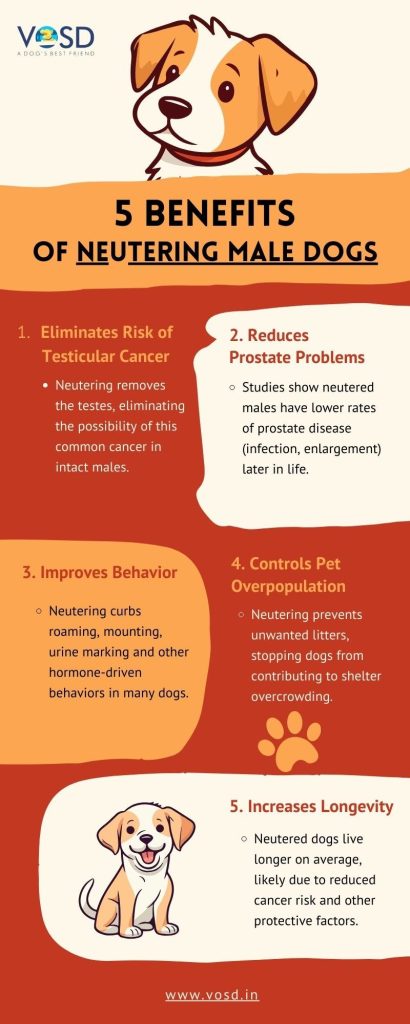
Neutering lowers the chance of several cancers. It reduces risks of testicular and prostate cancer in males. For females, spaying cuts the risk of breast cancer. Early neutering can prevent uterine infections and tumors. These cancers can be life-threatening and costly to treat.
Preventing Infections
Neutering stops infections in reproductive organs. It prevents pyometra, a dangerous uterine infection in females. This infection can cause severe illness or death. Neutered males avoid infections like prostatitis. Avoiding these infections saves pain and vet bills.
Improving Longevity
Neutered dogs tend to live longer than intact dogs. Fewer health problems mean a longer, happier life. Neutering also reduces risky behaviors that cause injuries. This leads to fewer accidents and emergencies. Overall, neutering promotes a safe and healthy lifespan.

Credit: 4pawsclinic.org
Behavioral Improvements
Neutering your dog can lead to significant behavioral improvements that make living together more enjoyable. These changes often help reduce stress for both you and your pet. Understanding these benefits can guide you in making the best decision for your dog’s health and happiness.
Decreasing Aggression
Neutering often lowers aggressive behavior in dogs, especially in males. This happens because the procedure reduces testosterone levels, which influence dominance and territorial instincts. Have you noticed your dog acting less confrontational after neutering? Many owners report calmer interactions with other dogs and people.
Minimizing Roaming Tendencies
Dogs, particularly males, tend to roam when searching for mates. Neutering significantly cuts down this urge, making your dog less likely to wander away from home. This not only keeps your dog safer but also saves you from the stress of tracking them down.
Reducing Marking And Spraying
Marking territory with urine is a common issue in unneutered dogs. After neutering, many dogs stop or reduce this behavior dramatically. This means less mess inside your home and fewer awkward moments during walks.
Population Control
Population control is a key benefit of neutering dogs. It helps manage the number of dogs in communities. This reduces many problems caused by too many stray animals. Neutering stops unwanted litters, which lowers the total dog population over time. It creates a balance that benefits both people and animals.
Lowering Stray Dog Numbers
Neutering prevents dogs from having puppies. Fewer puppies mean fewer stray dogs on the streets. Stray dogs can face hunger, illness, and danger. Lower stray numbers improve safety for people and pets. It also reduces noise and mess in neighborhoods.
Easing Shelter Overcrowding
Animal shelters often have more dogs than they can care for. Neutering lowers the number of dogs needing shelter. This gives shelters a better chance to care for each animal. It also increases the chance of adoption for dogs already in shelters. Less crowding means happier, healthier animals waiting for homes.
Credit: southeastoakvillevet.ca
Economic Advantages
Neutering a dog offers clear economic advantages for pet owners. It helps avoid high costs related to health problems and unexpected puppies. These savings make caring for your dog more affordable over time.
Reducing Veterinary Costs
Neutered dogs often face fewer health issues. This means fewer visits to the vet. Neutering lowers the risk of infections and some cancers. Treating these conditions can be expensive. By neutering, owners can save on costly treatments and surgeries.
Saving On Unplanned Litters
Unplanned litters can lead to many expenses. Puppies need vaccinations, food, and care, which adds up fast. Finding good homes for all puppies can be hard and costly. Neutering stops unwanted litters, preventing these extra costs. It also helps reduce pet overpopulation.
Community And Environmental Impact
Neutering dogs brings clear benefits beyond just the pet’s health. It also helps the community and environment stay balanced. Controlling the dog population reduces many local problems. This section explains how neutering supports responsible pet care and protects wildlife.
Promoting Responsible Pet Ownership
Neutering shows care and respect for pets and neighbors. It prevents unwanted litters, lowering the number of stray dogs. Fewer strays mean fewer dogs in shelters or on the streets. This reduces stress on animal rescue services and local governments.
Owners who neuter their dogs help stop overcrowding in shelters. They also lower the risk of dogs roaming and causing accidents. This creates safer neighborhoods and happier communities.
Protecting Local Wildlife
Unneutered dogs often roam and hunt small animals. This harms local wildlife populations like birds, rabbits, and squirrels. Neutered dogs tend to stay closer to home and show less aggressive behavior. This helps preserve the natural balance in parks and neighborhoods.
Reducing stray dogs also means fewer threats to wild animals. It keeps ecosystems healthier and supports biodiversity. Neutering is a simple step to protect nature around us.
Credit: zigly.com
Frequently Asked Questions
What Health Benefits Does Neutering Provide Dogs?
Neutering reduces risks of certain cancers and infections in dogs. It prevents testicular and prostate diseases. This leads to a longer, healthier life for your pet.
How Does Neutering Affect A Dog’s Behavior?
Neutering often decreases aggression and roaming tendencies. It reduces marking and mounting behaviors. This helps dogs become calmer and easier to train.
Can Neutering Help Control Dog Overpopulation?
Yes, neutering prevents unwanted litters and reduces stray populations. It supports community efforts to manage and care for dogs responsibly.
At What Age Should A Dog Be Neutered?
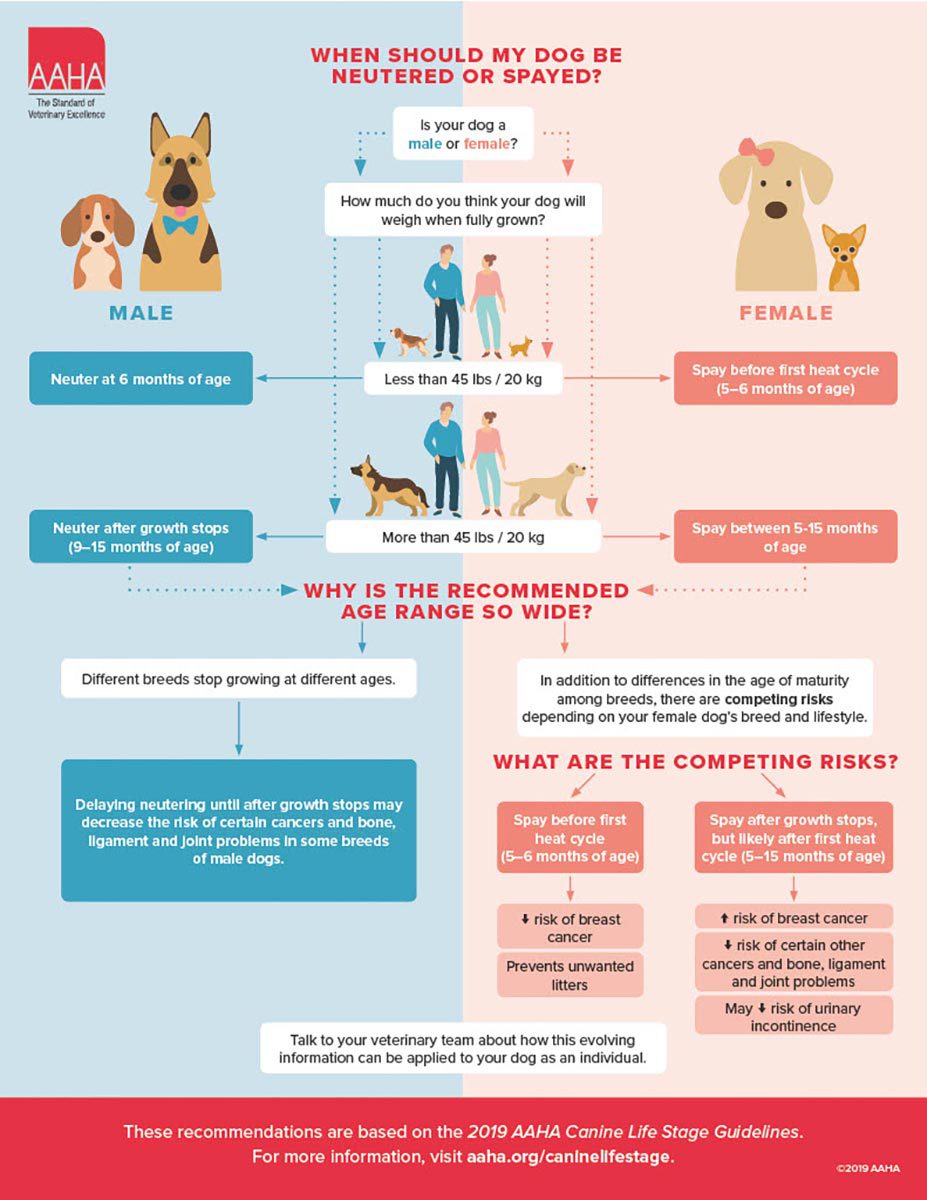
Most vets recommend neutering between 6 to 9 months old. Early neutering helps prevent health and behavior issues. Consult your vet for the best timing.
Conclusion
Neutering a dog helps keep them healthy and happy. It lowers the risk of certain diseases. It also stops unwanted puppies and reduces stray animals. Neutered dogs often behave better and are easier to train. It can make your pet calmer and less aggressive.
Choosing to neuter shows care and responsibility. Your dog will enjoy a longer, safer life. Think of neutering as a gift to your dog’s future. It benefits pets, families, and communities alike. A small step with big rewards.

Emily Barker is the founder of ChillDogLife.com, a space dedicated to helping pup parents discover the best dog products, lifestyle tips, and cozy ideas for happier homes.
A lifelong dog lover, Emily combines her passion for pets with a knack for research to share trusted recommendations on everything from toys and furniture to health and everyday care.
Her goal is simple: to make life easier, stylish, and more joyful for dogs and the people who love them.




