Bringing an adopted dog into your home is an exciting and rewarding experience. But when it comes to potty training, you might feel a bit overwhelmed.
You’re not alone—many new dog owners face this challenge. The good news is, with the right approach, you can teach your furry friend where and when to go. Imagine the relief of a clean house and a happy dog who understands your rules.
You’ll discover simple, effective steps to potty train your adopted dog quickly and with less stress. Ready to make your life easier and strengthen your bond? Let’s get started.
Preparing For Potty Training
Preparing for potty training sets the foundation for success. Adopted dogs may need extra patience and care. Understanding their unique needs helps you plan better. Creating a calm and safe environment supports learning. Gathering the right supplies makes the process smooth. Each step matters to help your dog feel secure and confident.
Assessing Your Dog’s Needs
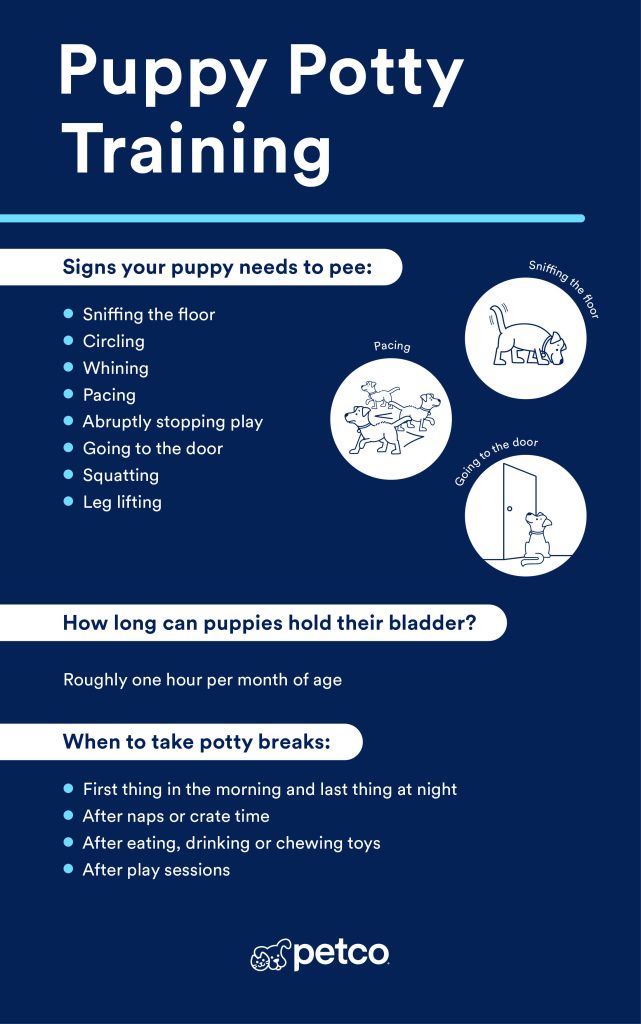
Start by observing your dog’s behavior and history. Some adopted dogs may have had accidents before. Age matters; puppies and adults learn at different speeds. Watch for signs when your dog needs to go out. Take note of their feeding and bathroom patterns. Understanding these details guides your training approach.
Gathering Essential Supplies
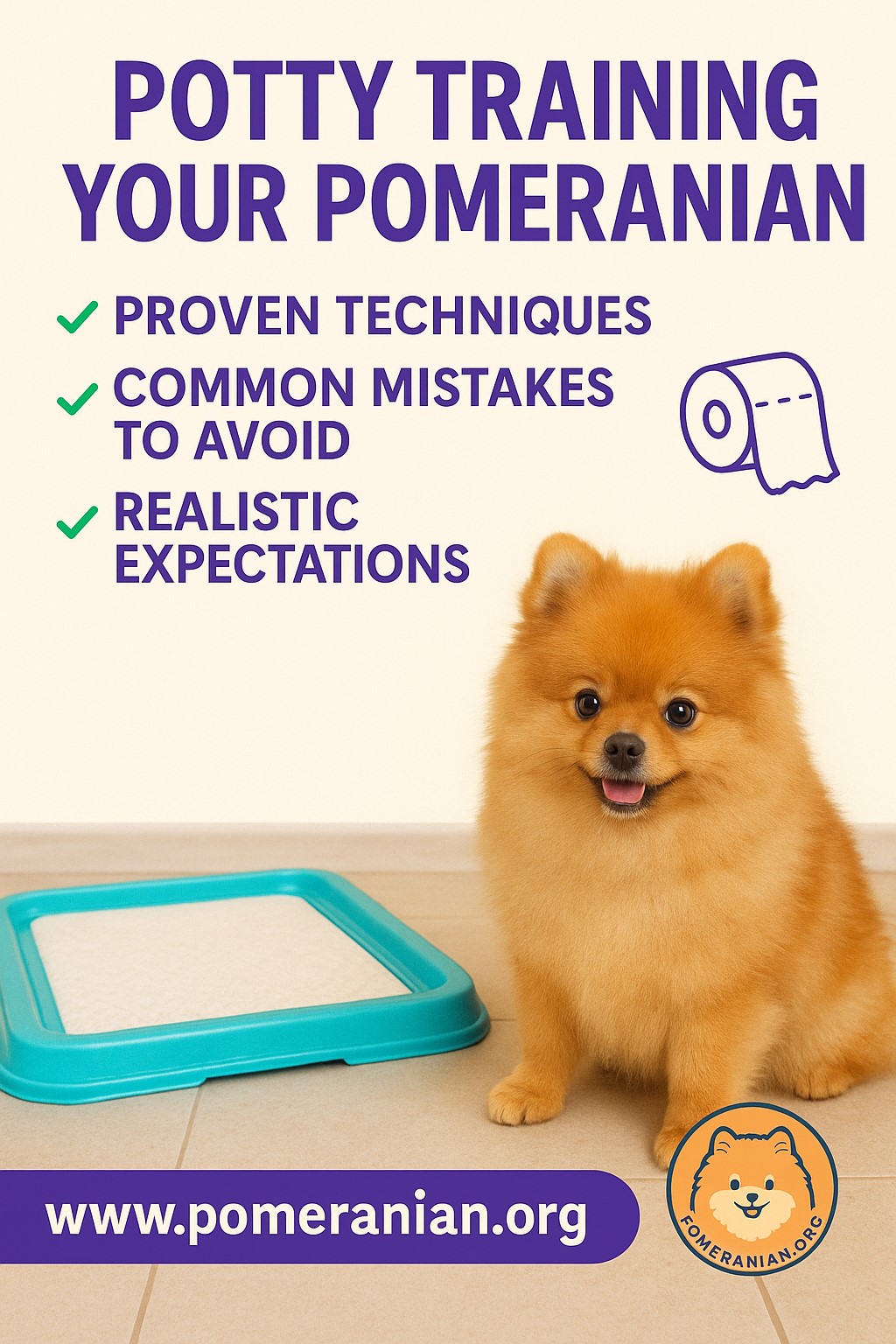
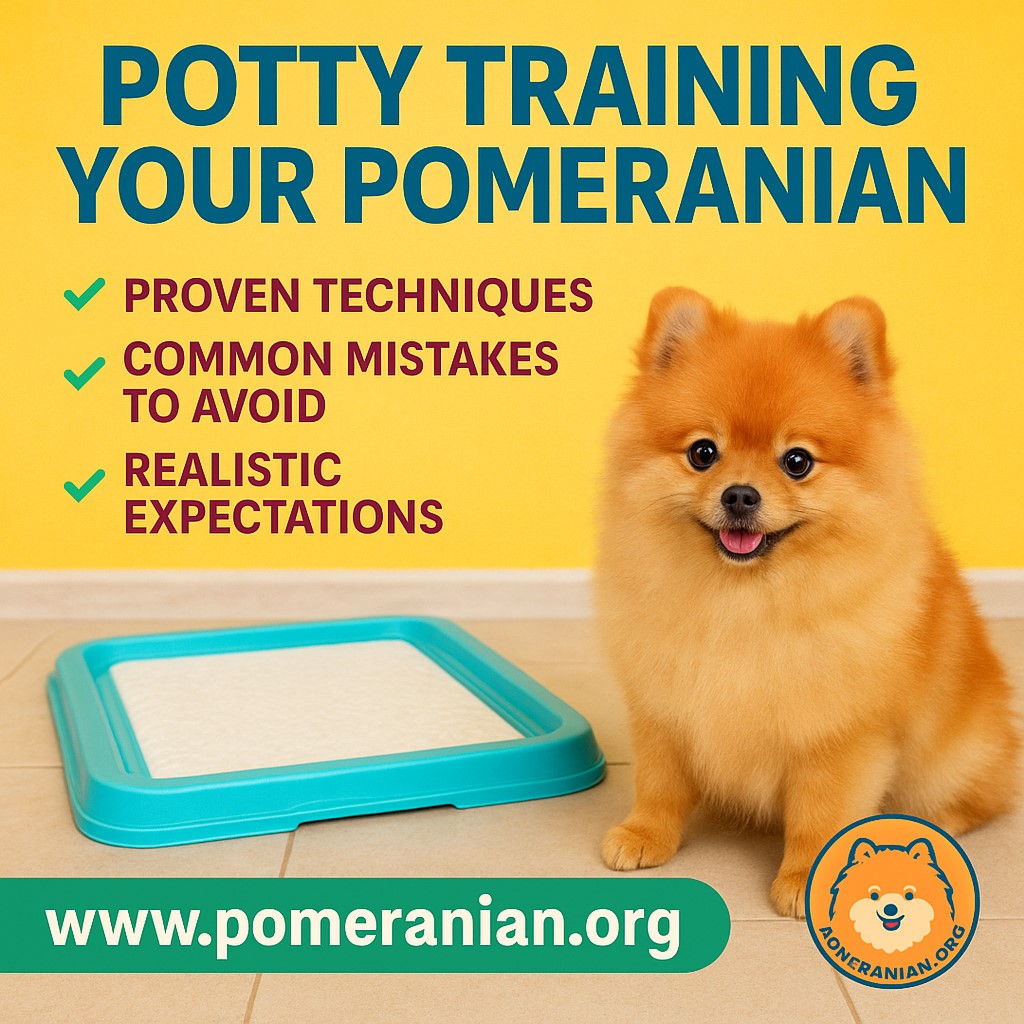
Prepare all items needed for easy training. Use puppy pads or outdoor potty spots. Have cleaning products ready for accidents. Get a leash for controlled bathroom breaks. Treats and toys motivate your dog during training. A crate or pen helps with confinement and safety.
Creating A Safe Space
Designate a quiet area for your dog to relax. Use a crate or small pen to limit movement. Make sure the space is cozy with bedding and toys. Avoid places with distractions or loud noises. A safe space helps your dog feel calm and secure. Consistency in this space aids potty training progress.
Credit: pomeranian.org
Establishing A Routine
Establishing a routine helps your adopted dog learn faster. Dogs feel safer with regular schedules. A clear routine reduces accidents and confusion. Consistency builds good bathroom habits over time.
Setting Feeding Times
Feed your dog at the same times daily. This regulates their bathroom needs. Avoid free feeding to control digestion. Fixed meal times make bathroom breaks predictable. Use measured portions to maintain health.
Scheduling Bathroom Breaks
Take your dog outside often, especially after meals. Regular breaks prevent accidents indoors. Watch for signs like sniffing or circling. Plan bathroom trips after waking up and before sleep. Stick to the schedule to build habit.
Consistent Commands
Use the same words for bathroom time. Simple commands like “go potty” work best. Say the command before they go outside. Praise your dog when they listen and go. Consistency in words helps dogs understand expectations.
Positive Reinforcement Techniques
Positive reinforcement helps your adopted dog learn good bathroom habits. It builds trust and encourages your dog to repeat the right behavior. This method focuses on rewarding your dog rather than punishing mistakes. Using kind and clear signals makes training faster and smoother.
Using Treats And Praise
Give your dog small treats immediately after they potty outside. Use tasty snacks your dog loves. Combine treats with happy words like “Good job!” or “Well done!” This shows your dog you appreciate their effort. Praise makes your dog feel safe and proud.
Timing Rewards Effectively
Reward your dog right after they finish pottying outdoors. Immediate rewards help your dog connect the action with the treat. Avoid waiting too long or your dog will get confused. Pay attention to your dog’s signals. Catch the moment to give praise and treats.
Avoiding Punishments
Never punish your dog for accidents inside. Punishment can cause fear and anxiety. It may damage your relationship with your dog. Stay calm and clean accidents quietly. Focus on rewarding good behavior outside. This keeps your dog motivated and confident.
Handling Accidents
Accidents are part of potty training an adopted dog. Expect some messes during the learning phase. How you handle these accidents shapes your dog’s progress and comfort. Reacting calmly and cleaning properly helps your dog learn faster. Watch for patterns to prevent future accidents.
Cleaning Methods To Remove Odors
Use enzyme-based cleaners to remove urine smells. These cleaners break down odor molecules that dogs detect. Avoid ammonia or bleach cleaners that mimic urine scent. Clean the area thoroughly to stop repeat accidents. Rinse and dry the spot well after cleaning.
Staying Patient And Calm
Stay calm when accidents happen. Dogs sense frustration and stress, which can confuse them. Speak softly and gently guide your dog outside. Avoid punishment or yelling, which harms trust. Praise your dog for good behavior instead.
Identifying Patterns
Keep a log of when and where accidents occur. Note times of day, activities, or changes in routine. Look for signs your dog needs to go out. Patterns help you adjust potty breaks and training steps. This reduces accidents and builds good habits.
Adjusting Training For Different Ages
Adjusting potty training for your adopted dog means understanding their unique needs based on age and background. Puppies and adult dogs require different approaches, and rescue dogs often come with their own set of challenges. Recognizing these differences helps you create a training routine that fits your dog’s personality and history.
Puppies Vs Adult Dogs
Puppies usually pick up potty training faster because they are still developing their habits. Their bladders are small, so frequent bathroom breaks are necessary. You can expect accidents, but with patience and consistency, puppies learn where to go.
Adult dogs may have ingrained habits that take longer to change. Some might need to relearn basic rules if their previous environment was inconsistent. Your focus should be on clear communication and gentle reminders, as adult dogs understand commands well but might resist change.
Special Considerations For Rescue Dogs
Rescue dogs often come with unknown or difficult pasts that affect their potty training. Some may have never been properly trained or might have experienced trauma. Building trust is crucial before expecting reliable bathroom behavior.
Try to observe your dog’s cues and routines closely. Providing a calm and safe space encourages them to feel secure enough to learn. You might need to adjust your expectations and celebrate small progress to keep motivation high.
Dealing With Anxiety Or Fear
Anxiety can cause your dog to have accidents even if they are trained. Fear of new environments or people might lead them to hold in or go inside the house. Identifying anxiety triggers helps you manage these behaviors effectively.
Use positive reinforcement to reward calm behavior and introduce changes slowly. Sometimes, extra comfort or calming aids can make a big difference. How do you think your dog reacts to stress, and what small changes can you make today to ease their anxiety?
Credit: pomeranian.org
Utilizing Crate Training
Utilizing crate training is a powerful tool when potty training your adopted dog. It creates a safe space that helps your dog learn bladder control and reduces accidents. The key is to make the crate a positive and comfortable environment so your dog willingly spends time there.
Choosing The Right Crate
Pick a crate that fits your dog’s size comfortably. It should be large enough for your dog to stand, turn around, and lie down but not so big that they can use one corner as a bathroom. For example, a medium-sized dog usually does well in a crate about 36 inches long.
Consider the crate material too. Wire crates offer good ventilation and visibility, while plastic crates provide a cozy, den-like feel. You know your dog best—choose what would make them feel most secure.
Introducing The Crate Positively
Make the crate inviting from day one. Toss in your dog’s favorite blanket, toys, or treats to encourage exploration. Never force your dog inside; instead, let them enter at their own pace.
Try feeding meals inside the crate to build a positive association. If your dog hesitates, sit nearby and speak softly until they feel safe. Your calm energy helps them relax and see the crate as a friendly space.
Crate Training Schedule
Establish a consistent routine for crate time. Start with short periods—about 10 to 15 minutes—and gradually increase the duration. Aim to have your dog in the crate after meals, naps, or when you can’t supervise closely.
Remember to take your dog outside immediately after letting them out of the crate. This helps them connect the crate with holding their bladder and going potty outside. Are you ready to be patient and consistent, knowing that accidents are part of the learning process?
Monitoring Progress And Troubleshooting
Monitoring progress and troubleshooting are key in potty training an adopted dog. It helps you see what works and what needs change. Careful observation keeps training on track and builds good habits.
Tracking Successes
Keep a daily log of your dog’s potty habits. Note times, places, and any accidents. Celebrate small wins like going outside or holding it longer. Use a chart or app to track patterns. This helps identify the best times for bathroom breaks.
Common Challenges
- Accidents inside despite regular breaks.
- Dog showing anxiety or fear around bathroom spots.
- Inconsistent signals before needing to go.
- Regression after initial success.
Stay patient and calm. Avoid punishment; it can cause confusion. Adjust the schedule or reward system if needed.
When To Seek Professional Help
Persistent accidents after weeks of effort may need expert advice. Look for a vet or dog trainer with potty training experience. They can check for medical issues or behavior problems. Early help can prevent frustration for you and your dog.
Credit: www.trustedhousesitters.com
Frequently Asked Questions
How Long Does Potty Training An Adopted Dog Take?
Potty training an adopted dog usually takes 4 to 6 weeks. Consistency and patience are key. Every dog learns at its own pace.
What Are The Best Potty Training Methods For Adopted Dogs?
Use crate training, regular bathroom breaks, and positive reinforcement. Reward your dog immediately after they eliminate outside. Avoid punishment to build trust.
How Can I Handle Accidents During Potty Training?
Clean accidents promptly with enzymatic cleaners to remove odor. Never scold your dog. Instead, redirect them gently to the correct potty spot.
When Should I Take My Adopted Dog Outside To Potty?
Take your dog outside first thing in the morning, after meals, naps, and playtime. Frequent trips help prevent accidents and reinforce good habits.
Conclusion
Potty training an adopted dog takes time and patience. Stay calm and consistent each day. Praise your dog for good behavior often. Expect some accidents; they are part of learning. Use a regular schedule for meals and bathroom breaks. Watch your dog’s signals closely to avoid mistakes.
Celebrate small wins to keep motivation high. Soon, your dog will understand where to go. Enjoy building trust and a strong bond together. Keep trying—you will see positive results soon. Potty training helps your dog feel safe and happy.

Emily Barker is the founder of ChillDogLife.com, a space dedicated to helping pup parents discover the best dog products, lifestyle tips, and cozy ideas for happier homes.
A lifelong dog lover, Emily combines her passion for pets with a knack for research to share trusted recommendations on everything from toys and furniture to health and everyday care.
Her goal is simple: to make life easier, stylish, and more joyful for dogs and the people who love them.




