
Is your dog coughing more than usual? You might be wondering if it’s just a simple cold or something more serious like kennel cough.
Knowing the signs early can make a big difference in your dog’s comfort and health. You’ll learn how to spot the key symptoms of kennel cough and what steps you can take to help your furry friend feel better fast.
Keep reading to protect your dog and ease your worries.
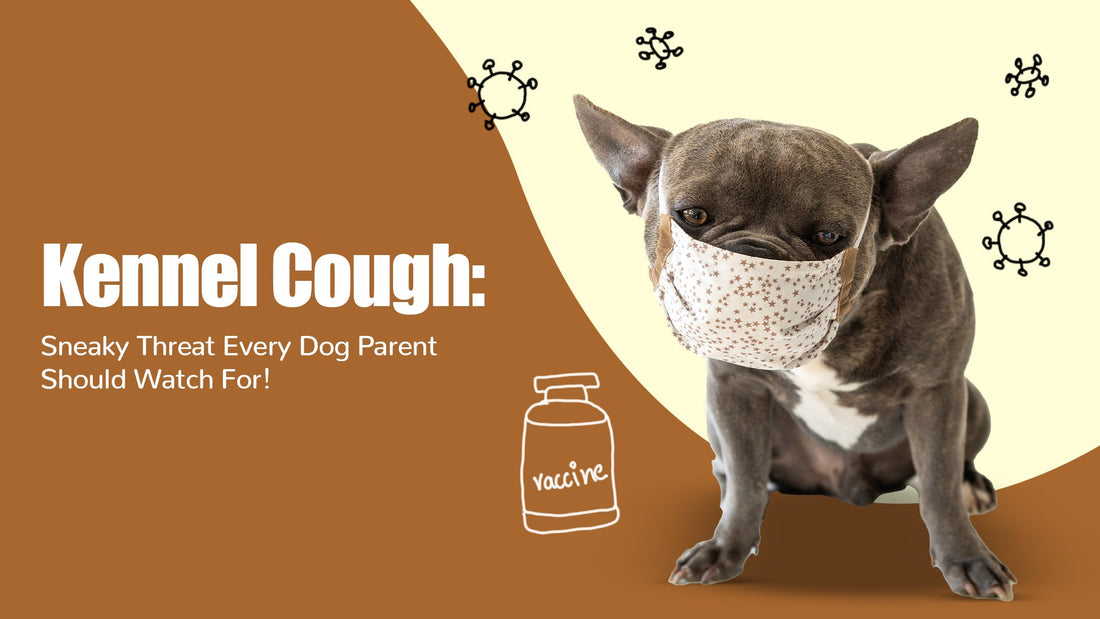
Credit: zigly.com
Symptoms Of Kennel Cough
Recognizing the symptoms of kennel cough early can make a big difference in how quickly your dog recovers. This contagious respiratory infection shows up in several distinct ways. Knowing what to look for helps you act promptly and keep your dog comfortable.
Persistent Dry Cough
The most common sign of kennel cough is a harsh, dry cough that won’t go away. It often sounds like your dog is trying to clear something stuck in their throat. You might notice this cough more when your dog is excited or pulls on the leash.
Sneezing And Nasal Discharge
Sneezing and a runny nose can also be part of kennel cough. The nasal discharge may be clear or slightly cloudy. If you see these symptoms, especially combined with coughing, it’s a strong indicator that your dog could be infected.
Lethargy And Reduced Appetite
Dogs with kennel cough often seem less energetic and may eat less than usual. You might find your playful pup lying around more or avoiding their favorite activities. If your dog’s mood and appetite change suddenly, it’s worth checking for other symptoms too.
Wheezing And Difficulty Breathing
In more severe cases, wheezing and trouble breathing can occur. This means the infection is affecting your dog’s lungs more deeply. If your dog is struggling to breathe or making unusual sounds, you should seek veterinary care immediately.

Credit: www.rover.com
Causes And Risk Factors
Understanding the causes and risk factors of kennel cough helps protect your dog. This illness spreads easily and can affect many dogs. Knowing where it comes from and who is most at risk is important for prevention. Below are key points to consider.
Contagious Nature
Kennel cough spreads quickly through the air. Coughing and sneezing release germs that infect other dogs. Dogs touching noses or sharing water bowls can pass it too. It can spread before symptoms appear, making it hard to control.
Common Environments For Infection
Places with many dogs increase the chance of catching kennel cough. Examples include:
- Dog parks
- Animal shelters
- Boarding kennels
- Grooming salons
- Dog training classes
Close contact and shared spaces make germs spread fast. Dogs in these places need extra care to avoid infection.
Age And Health Considerations
Puppies and older dogs have weaker immune systems. They catch kennel cough more easily and may get sicker. Dogs with other health problems also face higher risks. Strong immunity helps fight off infection quickly.
When To See A Vet
Knowing when to take your dog to the vet for kennel cough can make a big difference in their recovery. While many dogs bounce back with simple care at home, some signs mean it’s time to get professional help. Paying attention to these warning signals helps you avoid complications and keeps your dog comfortable.
Signs Of Severe Illness
If your dog starts showing labored breathing, persistent high fever, or extreme lethargy, these are red flags. Severe coughing fits that cause gagging or vomiting also need urgent attention. Watch closely for bluish gums or difficulty standing—these indicate your dog may be struggling to get enough oxygen.
Duration Of Symptoms
A normal kennel cough usually improves within two to three weeks. If your dog’s cough lasts longer than 21 days without getting better, don’t wait to see a vet. Prolonged symptoms might mean a secondary infection or a different health issue requiring medical treatment.
Complications To Watch For
- Persistent nasal discharge or thick yellow/green mucus
- Loss of appetite and weight loss
- Signs of pneumonia, like rapid breathing or chest pain
- Sudden worsening of symptoms after initial improvement
Noticing any of these complications means a vet visit is necessary. Remember, your dog can’t tell you what hurts, so you need to be their voice. Have you ever caught a small symptom early that saved your dog from a bigger problem?
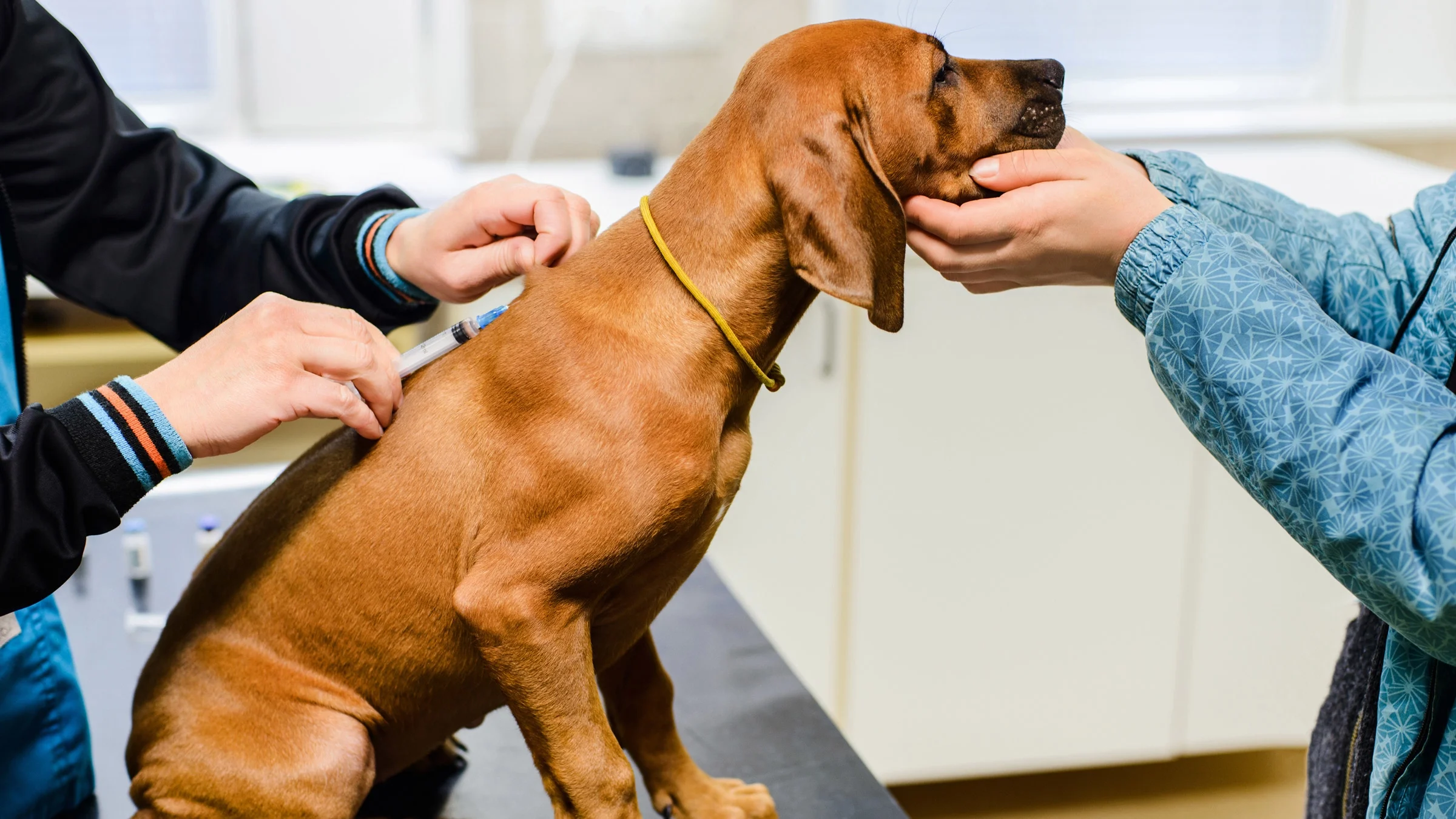
Credit: www.goodrx.com
Treatment Options
Knowing how to treat kennel cough effectively can make a big difference in your dog’s recovery and comfort. Treatment options vary depending on the severity of the symptoms and your dog’s overall health. Understanding these options empowers you to provide the best care possible.
Medications And Therapies
Most dogs with kennel cough receive medications to ease their symptoms and fight infection. Your vet might prescribe antibiotics if a bacterial infection is suspected, even though kennel cough is often viral. Cough suppressants can help reduce the constant hacking, making it easier for your dog to rest.
Some dogs may also benefit from anti-inflammatory drugs to reduce airway swelling. In more severe cases, your vet could recommend nebulization therapy to deliver medication directly to the lungs. Have you noticed your dog’s cough worsening despite medication? It might be time to revisit your vet for a treatment update.
Home Care Tips
Creating a calm environment is vital for your dog’s recovery. Make sure your dog has a quiet, warm place to rest away from other pets. Avoid exposing your dog to smoke, dust, or strong odors that can irritate their throat.
Hydration supports healing, so encourage your dog to drink plenty of water. Using a humidifier in the room can help soothe irritated airways. You might also want to limit your dog’s physical activity until the cough lessens to prevent strain.
Preventing Secondary Infections
Kennel cough can weaken your dog’s immune system, opening the door for other infections. Watch closely for signs like fever, lethargy, or worsening cough. These could indicate a secondary infection requiring immediate veterinary attention.
Keeping your dog’s vaccinations up to date is a key step in prevention. Additionally, maintaining a clean living space reduces exposure to harmful germs. How often do you sanitize your dog’s bedding and toys? Regular cleaning can make a surprising difference in preventing complications.
Preventing Kennel Cough
Preventing kennel cough is essential to keep your dog healthy and happy. This contagious respiratory infection spreads easily in places where dogs gather, so taking proactive steps is crucial. You can protect your dog by understanding vaccination, safe social habits, and maintaining clean environments.
Vaccination Importance
Vaccines are your dog’s first line of defense against kennel cough. They don’t guarantee 100% protection but reduce the severity and spread of the illness.
Ask your vet about the Bordetella vaccine, which targets the most common cause of kennel cough. It’s especially important if your dog frequently visits parks, daycare, or boarding facilities.
Have you updated your dog’s vaccines recently? Staying current can prevent many infections before they start.
Safe Socialization Practices
Socializing your dog is important, but it needs to be done safely. Avoid crowded places if you notice coughing or sick dogs around.
Introduce your dog gradually to new canine friends and observe for any signs of illness. If a dog is coughing or sneezing, it’s best to keep your distance.
Think about how your dog interacts with others. Could a change in their play routine lower the risk of catching kennel cough?
Hygiene And Environmental Controls
Cleanliness plays a big role in preventing kennel cough. Regularly disinfect your dog’s toys, bedding, and feeding areas.
At dog parks or boarding centers, watch for cleanliness and ask about their sanitation practices. Good hygiene reduces the number of germs your dog encounters.
Consider the air quality where your dog spends most time; well-ventilated spaces help lower infection risks. How often do you clean your dog’s environment?
Frequently Asked Questions
What Are The Common Symptoms Of Kennel Cough In Dogs?
Kennel cough symptoms include a persistent dry cough, gagging, sneezing, and nasal discharge. Dogs may also show mild fever and lethargy. These signs usually appear within a week after exposure to infected dogs. Early detection helps prevent severe complications.
How Is Kennel Cough Diagnosed By A Vet?
Veterinarians diagnose kennel cough by examining symptoms and medical history. They may perform throat swabs or chest X-rays to rule out other infections. Diagnosis is primarily clinical, focusing on the dog’s coughing pattern and exposure to other dogs.
Can Kennel Cough Resolve Without Treatment?
Mild kennel cough cases often resolve within 2 to 3 weeks without treatment. Rest and avoiding exposure to irritants aid recovery. However, severe or prolonged symptoms require veterinary care and possibly antibiotics or cough suppressants.
Is Kennel Cough Contagious To Other Dogs?
Yes, kennel cough is highly contagious among dogs. It spreads through airborne droplets, direct contact, and shared items like water bowls. Infected dogs should be isolated to prevent transmission, especially in kennels and dog parks.
Conclusion
Recognizing kennel cough in your dog is crucial for their health. Watch for a persistent cough and unusual behavior. Quick action helps ensure a speedy recovery. Consult a vet when you notice symptoms. This prevents complications and promotes well-being. Keep your furry friend comfortable during recovery.
A healthy dog is a happy dog, bringing joy to your home. Stay informed and attentive to your dog’s needs. Your vigilance makes a difference. Ensure your pet’s environment is clean and stress-free. With care, your dog will bounce back soon.
Stay proactive and keep your pet safe and healthy.

Emily Barker is the founder of ChillDogLife.com, a space dedicated to helping pup parents discover the best dog products, lifestyle tips, and cozy ideas for happier homes.
A lifelong dog lover, Emily combines her passion for pets with a knack for research to share trusted recommendations on everything from toys and furniture to health and everyday care.
Her goal is simple: to make life easier, stylish, and more joyful for dogs and the people who love them.




