
Are you unsure how to use a dog nail clipper without hurting your furry friend? Trimming your dog’s nails can seem tricky, but with the right steps, it becomes easy and stress-free for both of you.
Keeping your dog’s nails at a healthy length not only prevents pain but also protects your floors and furniture. In this guide, you’ll learn simple tips and techniques to make nail clipping quick, safe, and even enjoyable. Ready to become confident in caring for your dog’s paws?
Let’s get started!
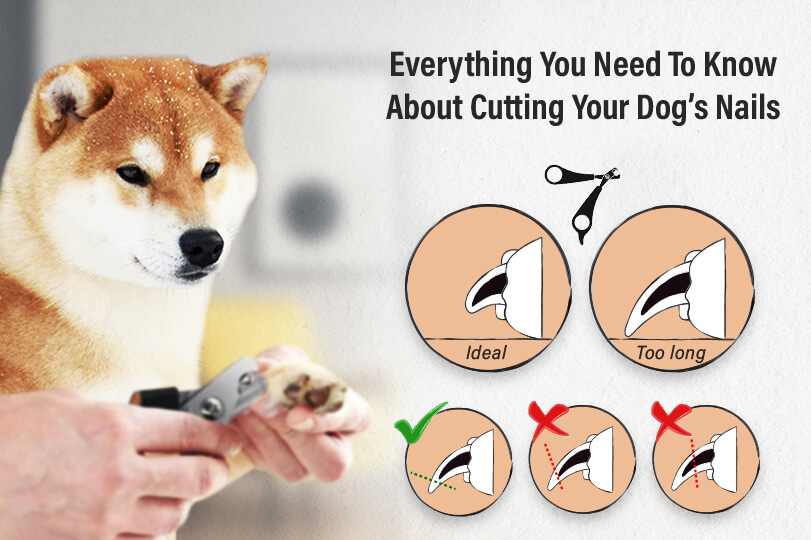
Credit: www.canadapetcare.com
Choosing The Right Clipper
Choosing the right dog nail clipper is important for safe and easy grooming. The right tool helps avoid pain or injury to your dog. It also makes the process faster and less stressful for both of you. Several factors affect your choice. These include the type of clipper, its size, comfort, and safety features. Understanding these points helps you pick the best clipper for your pet.
Types Of Dog Nail Clippers
Dog nail clippers come in different styles. Each type suits different needs and nail shapes.
- Scissor Clippers:Look like regular scissors. Good for small to medium dogs. Easy to control.
- Guillotine Clippers:Have a hole where you put the nail. A blade cuts when you squeeze the handle. Best for small nails.
- Electric Nail Grinders:Use a spinning bit to file nails down. Great for precise trimming and smoothing edges.
Size And Comfort Considerations
Pick a clipper size that fits your dog’s nail size. Large dogs need bigger clippers. Small dogs need smaller, delicate ones.
Handle comfort matters too. Look for clippers with cushioned grips. This reduces hand strain. It gives better control during clipping.
Safety Features To Look For
Safety features help protect your dog’s nails and your fingers.
- Safety Guard:Stops you from cutting too much nail at once.
- Non-slip Handles:Prevent slipping while trimming.
- Sharp Blades:Make clean cuts without crushing nails.
Preparing Your Dog
Preparing your dog before clipping nails is key for a smooth experience. Calm and relaxed dogs are easier to handle. Preparation reduces stress and makes nail clipping safer. This section covers calming techniques, nail inspection, and gathering supplies.
Calming Techniques
Start with a quiet space free of distractions. Speak softly and use a gentle tone. Pet your dog slowly to build trust. Offer small treats to reward calm behavior. Let your dog sniff the clipper before use. Short sessions help dogs get used to the process.
Inspecting The Nails
Check each nail closely before clipping. Look for the quick, the pink part inside the nail. Avoid cutting the quick to prevent pain and bleeding. Notice any cracks or splits that need attention. Clean nails make clipping easier and safer.
Gathering Necessary Supplies
- Dog nail clippers designed for your dog’s size
- Styptic powder or pencil to stop bleeding
- Treats to reward good behavior
- A towel to hold your dog if needed
- A well-lit area for clear visibility
Proper Clipping Technique
Using a dog nail clipper correctly keeps your pet safe and comfortable. Proper clipping technique helps avoid pain and injury. It also makes the process quicker and less stressful. Follow clear steps to trim nails cleanly and safely.
Positioning Your Dog
Find a quiet, well-lit place for clipping nails. Sit or stand where your dog feels calm. Hold your dog gently but firmly. Use a towel or blanket for small dogs. Support the paw so it stays steady. Keep your dog relaxed to prevent sudden moves.
Identifying The Quick
The quick is a pink area inside the nail. It contains blood vessels and nerves. Cutting into the quick causes pain and bleeding. Look carefully at each nail. For light-colored nails, the quick is easy to see. For dark nails, trim a little at a time. Stop if you see a small dark spot in the center.
Step-by-step Clipping Process
- Hold the paw firmly but gently.
- Place the clipper around the nail tip.
- Cut a small piece of the nail at an angle.
- Avoid cutting too close to the quick.
- Trim a little at a time for dark nails.
- Check the nail tip after each cut.
- File rough edges with a nail file if needed.

Credit: www.amazon.com
Aftercare And Maintenance
After clipping your dog’s nails, proper aftercare and maintenance keep your pet safe and comfortable. This care helps avoid infections and keeps the tools ready for next use. Paying attention to minor injuries and cleaning the clippers improves nail trimming results and your dog’s experience.
Treating Minor Bleeding
Sometimes, nail clipping causes small cuts or bleeding. Act quickly to stop the bleeding and prevent infection. Use a styptic powder or pencil to apply gentle pressure on the nail tip. If you don’t have these, cornstarch or flour works well too. Keep your dog calm and avoid touching the nail too much. Monitor the nail for redness or swelling over the next few days.
Cleaning The Clippers
Clean the clippers after every use to keep them sharp and hygienic. Wipe the blades with a damp cloth to remove nail dust and dirt. Use rubbing alcohol or disinfectant to kill germs on the blades. Dry the clippers completely before storing them. Check the blades for any rust or damage to avoid hurting your dog next time.
Regular Nail Care Schedule
Maintain a regular nail care routine to keep your dog comfortable. Trim nails every 3 to 4 weeks, depending on your dog’s activity level. Dogs that walk on hard surfaces may need less frequent trims. Observe your dog’s nails and trim when you hear a clicking sound on the floor. Regular trimming prevents nails from growing too long or splitting.
Common Mistakes To Avoid
Trimming your dog’s nails is important for their health and comfort. Many pet owners make mistakes that can cause pain or injury. Avoiding these common errors helps keep nail cutting safe and stress-free. Learn what to watch out for to protect your dog and make grooming easier.
Cutting Too Deep
Cutting nails too deep can hurt your dog. The quick, a sensitive part inside the nail, can bleed if clipped. Always trim small bits at a time. Stop as soon as you see a dark spot or pink area. Use good lighting to see the nail clearly.
Ignoring Your Dog’s Discomfort
Dogs may show signs of pain or fear during nail clipping. Watch for pulling away, whining, or shaking. Stop if your dog seems upset. Take breaks and comfort them. Forcing the process can lead to bad experiences and fear of grooming.
Using Dull Clippers
Dull clippers crush nails instead of cutting cleanly. This causes splintering and pain. Sharp blades make smooth cuts quickly. Check your clippers before each use. Replace or sharpen them if needed to protect your dog’s nails.
Alternative Nail Care Options
Keeping your dog’s nails in check is vital for their comfort and health. While traditional dog nail clippers work well, some pet owners might find alternative options easier or less stressful for their furry friends. These alternatives can offer a gentler approach or suit dogs who resist clipping.
Using Nail Grinders
Nail grinders smooth and shorten your dog’s nails by gently filing them down. Many dogs tolerate grinders better because they don’t pinch the nail like clippers can. You can control the speed and pressure, making it safer for sensitive dogs.
Start by introducing the grinder slowly, letting your dog get used to the noise and vibration. Use short sessions to avoid overheating the nail. Have treats ready to reward calm behavior, turning nail care into a positive experience.
Professional Grooming Services
If you find nail trimming stressful or your dog is anxious, professional groomers can help. Groomers have experience handling nervous dogs and use specialized tools to make the process quicker and safer. They can also spot other paw issues that may need attention.
Consider scheduling nail care during regular grooming visits to keep your dog’s paws healthy without extra hassle. Have you ever noticed how calm your dog seems after a professional grooming session? That peace of mind is worth the investment for many owners.
Natural Wear Techniques
Some dog owners rely on natural wear to keep nails trimmed. Regular walks on hard surfaces like concrete can naturally file nails down. This method requires daily activity and may not be enough for all dogs, especially those who spend more time indoors.
Adding textured surfaces like gravel paths or wooden decks to your dog’s routine can help manage nail length. However, it’s important to check nails regularly because natural wear might not prevent overgrowth completely. Do you think your dog’s lifestyle supports natural nail care?

Credit: happytailpuppies.com
Frequently Asked Questions
How Do You Safely Trim Dog Nails At Home?
Use sharp clippers and trim small nail tips. Avoid cutting the quick, which causes pain and bleeding. Hold the paw firmly and work in good light. Reward your dog after each session for positive reinforcement.
How Often Should Dog Nails Be Clipped?
Clip your dog’s nails every 3 to 4 weeks. Regular trimming prevents overgrowth and discomfort. Active dogs may need less frequent clipping. Monitor nail length to decide the best schedule.
What Is The Best Dog Nail Clipper Type?
Choose a sharp, sturdy clipper designed for your dog’s size. Guillotine and scissors-style clippers work well. Ensure the tool is comfortable to hold and easy to control for precise cuts.
How Do You Stop Bleeding If Nails Are Cut Too Short?
Apply styptic powder or cornstarch to the bleeding nail. Use gentle pressure with a clean cloth. Keep your dog calm and avoid further injury. If bleeding persists, consult your vet.
Conclusion
Using a dog nail clipper is simple and safe with practice. Trim a little at a time to avoid hurting your dog. Keep the clipper clean and sharp for the best results. Praise your dog to make the experience positive.
Regular nail trimming keeps your dog healthy and comfortable. Stay calm and patient during each session. Soon, clipping nails will become a quick, easy task. Care for your dog’s nails to help them stay happy and strong.

Emily Barker is the founder of ChillDogLife.com, a space dedicated to helping pup parents discover the best dog products, lifestyle tips, and cozy ideas for happier homes.
A lifelong dog lover, Emily combines her passion for pets with a knack for research to share trusted recommendations on everything from toys and furniture to health and everyday care.
Her goal is simple: to make life easier, stylish, and more joyful for dogs and the people who love them.




