
Brushing your dog’s hair might seem simple, but doing it the right way can make a huge difference in your pet’s health and happiness. If you want to keep your furry friend’s coat shiny, tangle-free, and comfortable, this guide is just for you.
You’ll discover easy tips to make brushing a breeze, even if your dog isn’t a fan. Keep reading to learn how to turn grooming time into a bonding moment both you and your dog will enjoy.
Credit: www.gosupps.com
Choosing The Right Brush
Choosing the right brush for your dog is key to keeping their coat healthy and shiny. Different dogs need different brushes. Picking the right one helps remove loose hair and dirt without hurting your dog. It also makes brushing easier and more comfortable for both of you.
Types Of Brushes For Different Coats
Dogs have various coat types. Each coat needs a special brush to work well.
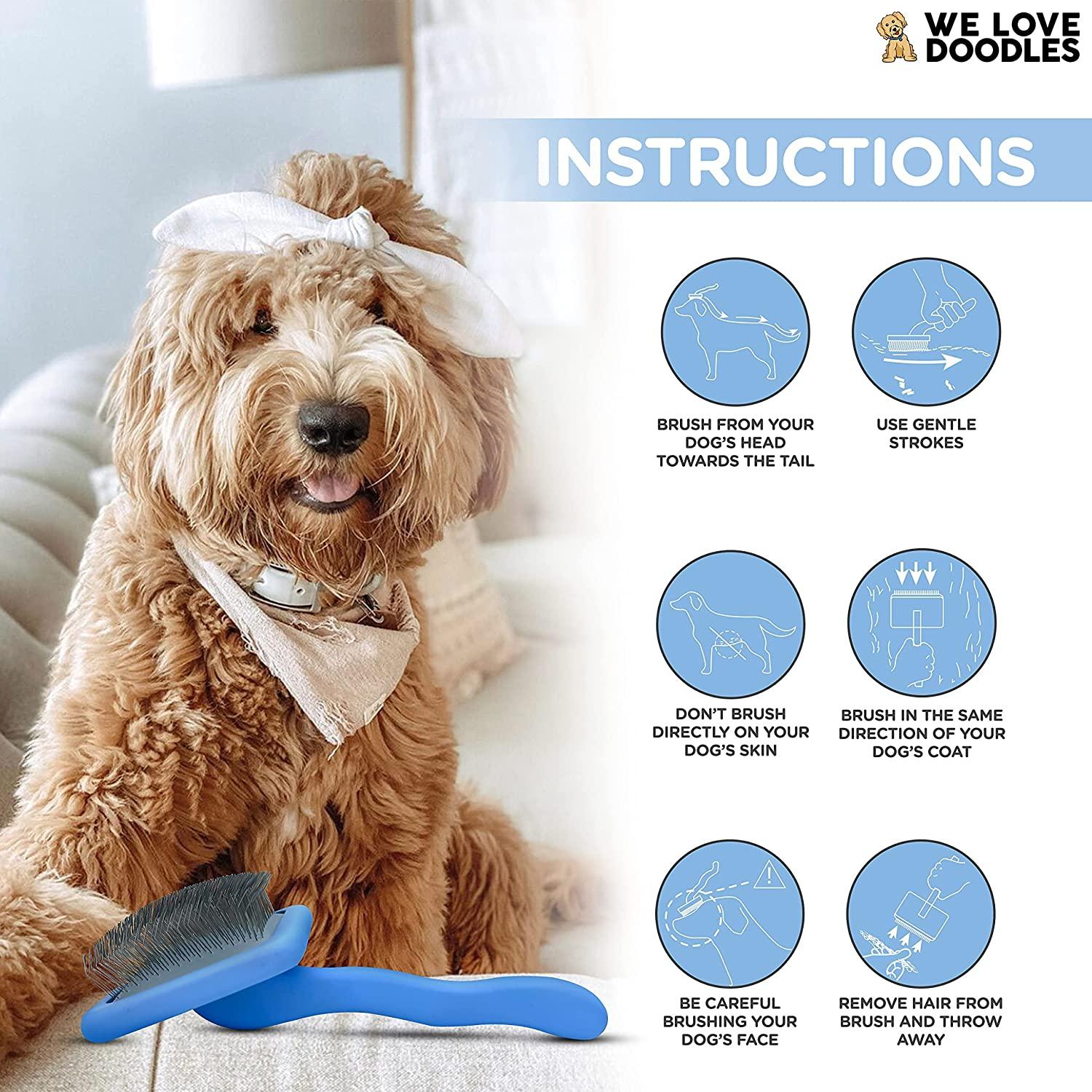
- Slicker Brushes:Great for dogs with long or curly hair. They remove tangles and mats gently.
- Bristle Brushes:Best for short-haired dogs. They smooth the coat and spread natural oils.
- Pin Brushes:Good for medium to long coats. They help detangle and clean the fur.
- Undercoat Rakes:Ideal for thick double coats. They remove loose undercoat hair to reduce shedding.
- Rubber Brushes:Suitable for short or wiry coats. They massage the skin and pick up loose hair.
Brush Materials And Their Benefits
Brushes come in different materials. Each material offers unique advantages for your dog’s coat.
- Metal Pins:Strong and effective for thick coats. They reach deep to remove mats and tangles.
- Natural Bristles:Soft and gentle on the skin. They help distribute oils and shine the coat.
- Rubber:Flexible and easy to clean. Perfect for massaging and removing loose hair.
- Plastic Pins:Lightweight and gentle. Good for sensitive skin but less durable.
Credit: ca.doggybathroom.com
Preparing Your Dog For Brushing
Preparing your dog for brushing is the key to a smooth and stress-free grooming session. It helps your dog feel comfortable and makes brushing more effective. Taking the time to set the stage can prevent resistance and even turn brushing into a bonding moment.
Creating A Calm Environment
Start by choosing a quiet spot where your dog feels safe. Avoid busy or noisy areas that might distract or stress your dog. Soft lighting and a comfortable surface can also help your dog relax.
Try speaking in a gentle tone and offer praise or treats to encourage calm behavior. If your dog is anxious, a few minutes of petting or a calm walk beforehand can help lower stress. Have you noticed how your dog responds to different environments? Use that to your advantage.
Tools And Supplies To Gather
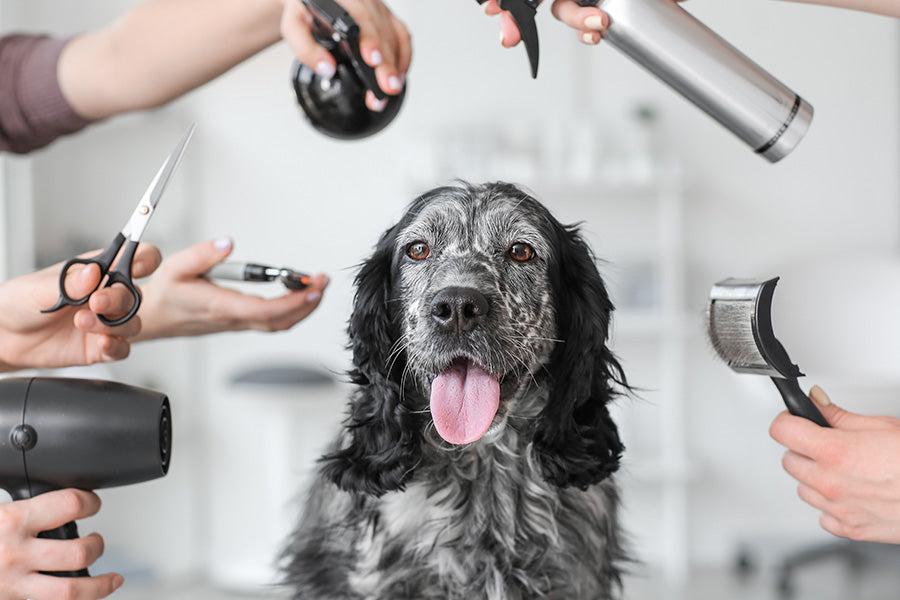
Having the right tools ready before you begin saves time and keeps the session flowing smoothly. Depending on your dog’s coat, you might need a slicker brush, a comb, or a de-shedding tool.
- Choose brushes that suit your dog’s hair length and texture.
- Keep some treats nearby to reward good behavior.
- Have a towel or grooming mat to catch loose hair and keep the area tidy.
Gathering all supplies in one place shows your dog that brushing is a positive routine. What tools do you find work best for your dog’s coat? Experiment and keep what your dog enjoys most.
Brushing Techniques For Best Results
Brushing your dog’s hair properly keeps their coat healthy and shiny. Using the right techniques makes grooming easier and more comfortable. It also helps remove dirt, loose hair, and prevents mats. Gentle brushing can improve your dog’s mood and strengthen your bond.
Brushing In The Direction Of Hair Growth
Always brush your dog’s hair in the direction it grows. This prevents pulling and discomfort. Use gentle strokes to avoid hurting your pet’s skin. Start from the head and move toward the tail. Pay attention to sensitive areas like the belly and legs. Brushing with the grain helps keep the coat smooth and neat.
Handling Matted Or Tangled Fur
Matted fur needs special care to avoid pain. Use a detangling spray to soften the knots. Work through mats slowly with a wide-tooth comb. Hold the fur close to the skin to reduce pulling. If mats are tight, trim them carefully or seek professional help. Regular brushing prevents mats from forming in the first place.
Frequency And Timing Of Brushing
Brushing your dog’s hair regularly keeps their coat healthy and shiny. It removes dirt, loose fur, and prevents mats. The frequency and timing of brushing depend on your dog’s breed, coat type, and lifestyle. Establishing the right brushing routine helps maintain comfort and cleanliness.
Daily Vs. Weekly Brushing Schedules
Some dogs need daily brushing, especially those with long or thick coats. Daily brushing prevents tangles and mats from forming. Dogs with short hair or smooth coats often do well with weekly brushing. Weekly brushing removes loose hair and spreads natural oils across the coat.
Observe your dog’s coat to decide how often to brush. Check for mats, dirt, or shedding. Adjust the schedule if your dog spends more time outdoors or sheds heavily.
Seasonal Considerations
Season changes affect your dog’s coat and brushing needs. Many dogs grow thicker coats in winter and shed more in spring. Increase brushing frequency during shedding seasons to manage loose fur. Brushing more often in spring reduces hair around the house and skin issues.
In warmer months, lighter brushing helps keep your dog cool and comfortable. Tailor brushing times to your dog’s comfort, avoiding hot midday hours. Early morning or late evening are good times for brushing in summer.
Benefits Of Regular Brushing
Regular brushing offers more than just a tidy appearance for your dog. It plays a crucial role in keeping their coat healthy and their skin comfortable. Taking a few minutes each day to brush your dog’s hair can lead to noticeable improvements in their overall well-being.
Improving Coat Shine And Health
Brushing helps spread your dog’s natural oils evenly across their coat. This natural distribution makes the fur look shinier and feel softer to the touch.
Have you noticed how a well-brushed dog seems to glow? That shine isn’t just for show—it indicates that the coat is healthy and well-nourished. Plus, regular brushing can help catch small issues like dry patches or lumps early, making it easier to address them promptly.
Reducing Shedding And Skin Issues
Shedding can be frustrating, especially when fur ends up all over your furniture. Brushing removes loose hair before it falls off around your home, making cleanup much easier.
It also helps prevent skin problems by keeping the fur untangled and allowing air to reach the skin. This reduces the risk of irritation or infections that can develop under matted hair.
Think about how often your dog scratches or licks certain spots. Could regular brushing help reduce that discomfort? By investing time in grooming, you’re not just caring for your dog’s looks but also their comfort and health.

Credit: www.thegroomi.com
Common Mistakes To Avoid
Brushing your dog’s hair is essential for their health and comfort, but many pet owners make mistakes that can cause more harm than good. Avoiding common errors will make grooming a positive experience for both you and your furry friend. Let’s look at some pitfalls you should steer clear of to keep your dog’s coat shiny and skin healthy.
Over-brushing And Skin Irritation
Brushing your dog too often or too hard can lead to skin irritation. Imagine brushing the same spot repeatedly; it can cause redness, soreness, or even tiny cuts. If your dog starts scratching more or seems uncomfortable, you might be brushing too much.
Pay attention to your dog’s reaction during grooming. If their skin looks red or inflamed afterward, reduce the frequency or pressure. Remember, gentle and consistent brushing is more effective than aggressive scrubbing.
Using The Wrong Tools
Choosing the right brush is crucial. Different breeds and coat types need different tools. Using a stiff brush on a delicate coat can hurt your dog and damage their hair.
For example, long-haired dogs often need a slicker brush, while short-haired breeds do better with a rubber curry comb. If you’re unsure, ask a groomer or your vet for recommendations. The right tool makes brushing easier and more enjoyable for your dog.
Additional Grooming Tips
Brushing your dog’s hair is just one part of keeping their coat healthy and shiny. There are other grooming habits that can make a big difference in how your dog looks and feels. Paying attention to bathing, drying, and their diet can boost the effects of regular brushing and help prevent common coat problems.
Bathing And Drying Techniques
Bathing your dog too often can strip natural oils, leaving their fur dry and brittle. Aim to bathe your dog only when necessary, such as after they get dirty or have a noticeable odor.
Use a mild shampoo made specifically for dogs to avoid skin irritation. After the bath, gently towel dry your dog before using a blow dryer on a low, cool setting. This helps prevent overheating and damage to the hair.
Have you noticed how some dogs shake off water immediately? Try to dry the ears and underbelly carefully to avoid moisture buildup, which can cause infections. A well-dried coat also makes brushing easier and more effective.
Diet And Supplements For Healthy Fur
Your dog’s diet directly affects their coat’s health. Foods rich in omega-3 and omega-6 fatty acids can make their fur softer and shinier. You might want to add fish oil or flaxseed oil supplements after consulting your vet.
Protein is another key factor. High-quality protein sources support hair growth and repair. If your dog’s fur looks dull or falls out excessively, check if their diet meets these nutritional needs.
Have you ever wondered why some dogs have glossy fur while others don’t? Sometimes, a small change in diet can make a big difference. Think about what you’re feeding your dog and if it’s truly supporting their coat from the inside out.
Frequently Asked Questions
How Often Should I Brush My Dog’s Hair?
Brushing frequency depends on your dog’s coat type. Long-haired breeds may need daily brushing. Short-haired breeds can be brushed weekly. Regular brushing prevents tangles and removes loose hair. It also distributes natural oils, promoting a healthy coat. Always adjust frequency based on your dog’s specific needs.
What Tools Do I Need For Dog Hair Brushing?
Use a brush suited to your dog’s coat type. Slicker brushes are great for long-haired breeds. Bristle brushes work well for short-haired dogs. Deshedding tools can help reduce shedding. Always have detangling spray handy for mats. Regular grooming ensures a healthy, shiny coat.
Can Brushing Help Reduce Dog Shedding?
Yes, regular brushing significantly reduces shedding. It removes loose hairs before they fall off naturally. Use deshedding tools for effective results. Brushing also distributes natural oils, keeping the coat healthy. Consistent grooming minimizes the amount of hair around your home.
How Do I Brush A Dog’s Matted Hair?
Start by using a detangling spray on mats. Gently work through the mats with a comb. Use short strokes to avoid pulling. Be patient and work slowly to prevent discomfort. Regular brushing helps prevent mats from forming. If mats are severe, consider professional grooming assistance.
Conclusion
Brushing your dog’s hair keeps their coat clean and healthy. It helps remove dirt and loose fur. Regular brushing also prevents mats and tangles. Your dog will enjoy the gentle touch and care. Choose the right brush for your dog’s hair type.
Make brushing a calm and happy time together. Small daily steps lead to a shiny, soft coat. Start today and see the difference in your dog’s fur. Simple care makes your pet feel loved and comfortable.

Emily Barker is the founder of ChillDogLife.com, a space dedicated to helping pup parents discover the best dog products, lifestyle tips, and cozy ideas for happier homes.
A lifelong dog lover, Emily combines her passion for pets with a knack for research to share trusted recommendations on everything from toys and furniture to health and everyday care.
Her goal is simple: to make life easier, stylish, and more joyful for dogs and the people who love them.




