
If your dog is showing signs of discomfort while peeing or seems to be going more often than usual, it could be a urinary tract infection (UTI). You want to help your furry friend feel better fast, but you might be wondering: what antibiotic is best for a dog’s UTI?
Choosing the right treatment is key to clearing the infection quickly and keeping your dog healthy. You’ll discover which antibiotics work best, how to spot the symptoms early, and what steps you should take to support your dog’s recovery. Keep reading to make sure your dog gets the care they need without delay.
Causes Of Dog Urinary Tract Infections
Understanding the causes of urinary tract infections (UTIs) in dogs is crucial if you want to protect your furry friend from discomfort and health risks. UTIs can sneak up on your pet for several reasons, and knowing these can help you catch the problem early or even prevent it altogether. Let’s look closely at what might be triggering these infections in your dog’s urinary system.
Bacterial InfectionsBacteria are the most common culprits behind dog UTIs. These bacteria usually enter through the urethra and multiply in the bladder, causing irritation and infection. If your dog has a weakened immune system, the risk of a bacterial UTI goes up dramatically.
Urinary Stones and CrystalsSometimes, minerals in your dog’s urine can form stones or crystals that irritate the urinary tract. These irritations create a perfect environment for bacteria to grow. Have you ever noticed your dog straining or licking their genitals more than usual? It might be linked to stones causing discomfort.
Underlying Health ConditionsHealth issues like diabetes or bladder tumors can increase your dog’s chance of developing UTIs. These conditions alter the normal functioning of the urinary system, making infections more likely. If your dog has any chronic illness, keep a close watch for UTI symptoms.
Poor Hygiene and Environmental FactorsDogs that don’t get regular grooming or live in unclean environments face higher UTI risks. Dirt and bacteria can easily reach the urinary opening, especially in female dogs. Think about how often you clean your dog’s bedding and living area—could it be contributing to infection?
Age and GenderFemale dogs are more prone to UTIs due to their shorter urethra, which makes it easier for bacteria to reach the bladder. Older dogs also have a higher risk because their immune defenses weaken with age. Have you noticed changes in your senior dog’s bathroom habits?
Common Symptoms In Dogs
Dogs with urinary tract infections (UTIs) often show clear signs. Recognizing these symptoms early helps prevent serious problems. Owners should watch for changes in behavior and urination habits.
Symptoms vary but usually include discomfort and frequent urination. Some dogs may strain or cry while urinating. Others might have accidents inside the house.
Frequent Urination
Dogs with UTIs need to urinate more often than usual. They may visit the bathroom every few minutes. This symptom is one of the earliest signs of infection.
Straining And Pain
Straining or showing pain during urination is common. Dogs might whine or look uncomfortable. This happens because the infection irritates the bladder and urethra.
Blood In Urine
Sometimes urine appears pink or red due to blood. This sign means the infection has caused inflammation. Blood in urine requires immediate veterinary care.
Accidents In The House
Dogs with UTIs may urinate indoors despite being trained. This happens because they cannot hold their bladder. Owners should be patient and watch for this sign.
Increased Thirst
Infections can make dogs drink more water. Increased thirst helps flush out bacteria. This symptom often accompanies frequent urination.
Lethargy And Fever
Some dogs become tired or weak during a UTI. Fever may also occur as the body fights infection. These signs indicate the infection might be spreading.
Types Of Antibiotics Used
Choosing the right antibiotic for a dog’s urinary tract infection depends on the infection type and bacteria involved. Different antibiotics target different bacteria. Understanding the types of antibiotics helps in selecting the most effective treatment.
Broad-spectrum Antibiotics
Broad-spectrum antibiotics fight many types of bacteria. They cover a wide range of infections. These are often used when the exact bacteria type is unknown. Common examples include amoxicillin and doxycycline. They work well for mixed or severe infections.
Narrow-spectrum Antibiotics
Narrow-spectrum antibiotics target specific bacteria. They are used when the bacteria type is identified. These antibiotics reduce the chance of resistance. Examples include penicillin and clindamycin. They cause fewer side effects and protect good bacteria.
Natural Alternatives
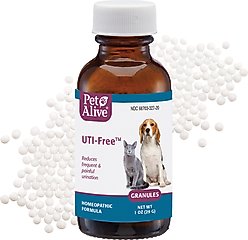
Some natural remedies can support antibiotic treatment. Cranberry extract helps prevent bacteria from sticking to the bladder. Probiotics restore healthy bacteria in the gut. Always consult a vet before using natural options. They work best combined with proper medication.

Credit: www.walmart.com
Choosing The Right Antibiotic
Choosing the right antibiotic for your dog’s urinary tract infection (UTI) is crucial to ensure effective treatment and avoid complications. The wrong medication can lead to prolonged discomfort and antibiotic resistance. Understanding how veterinarians determine the best antibiotic will help you make informed decisions for your pet’s health.
Veterinary Diagnosis
Your vet starts by confirming the UTI through a thorough physical exam and reviewing your dog’s symptoms. Signs like frequent urination, blood in urine, or discomfort often prompt further testing. Accurate diagnosis is key because symptoms of UTIs can mimic other urinary issues, and treating without confirmation can do more harm than good.
Urine Culture And Sensitivity Tests
This test identifies the bacteria causing the infection and shows which antibiotics will work best. It’s like a personalized map for treatment. Without this, vets might prescribe broad-spectrum antibiotics that may not target the specific bacteria, risking ineffective treatment and resistance.
Dosage And Duration
The right antibiotic dose and treatment length are essential to fully clear the infection. Too short a course might cause the infection to return, while too long can lead to side effects. Your vet will tailor the dosage based on your dog’s size, the infection severity, and the antibiotic chosen.
Potential Side Effects
Antibiotics can help cure urinary tract infections in dogs. Yet, they may cause side effects. Knowing these effects helps you watch your dog’s health closely. Some side effects are mild, while others need a vet’s attention.
Common Side Effects Of Antibiotics
- Upset stomach or vomiting
- Diarrhea or loose stools
- Loss of appetite
- Lethargy or tiredness
Allergic Reactions To Watch For
- Itching or skin rash
- Swelling of the face or paws
- Difficulty breathing or coughing
- Sudden weakness or collapse
Long-term Side Effects
Some antibiotics can affect the liver or kidneys. Regular vet check-ups can catch problems early. Prolonged use may also disturb healthy gut bacteria.
What To Do If Side Effects Occur
- Stop the antibiotic only if advised by a vet
- Note all symptoms and their timing
- Contact your vet immediately for severe reactions
- Offer plenty of water to keep your dog hydrated
Credit: www.chewy.com
Preventing Future Infections
Preventing future urinary tract infections (UTIs) in your dog is just as important as treating the current one. You want to protect your furry friend from discomfort and avoid repeated visits to the vet. Small changes in daily care can make a big difference in keeping infections at bay.
Diet And Hydration
Your dog’s diet plays a key role in urinary health. Feeding a balanced diet with foods that support bladder health can reduce the risk of infections.
Encourage your dog to drink plenty of water every day. More water means more frequent urination, which helps flush out bacteria from the urinary tract.
Consider wet food options or adding water to dry kibble to increase fluid intake. Have you noticed your dog drinking less water? Try offering fresh water several times a day or using a pet water fountain to make hydration more appealing.
Hygiene Practices
Keeping your dog clean can help prevent bacteria from entering the urinary tract. Regularly wipe their genital area with a damp cloth, especially after bathroom breaks.
Ensure your dog’s living area is clean and dry. Bacteria thrive in damp environments, so frequent washing of bedding and toys is essential.
If your dog has long fur, trimming around the urinary area can reduce moisture buildup and bacterial growth. Have you checked this area recently? Simple grooming can prevent a lot of trouble.
Regular Vet Checkups
Scheduling regular vet visits is crucial to catch any early signs of urinary problems. Your vet can recommend urine tests or other screenings even before symptoms appear.
Discuss any changes in your dog’s bathroom habits or behavior during visits. Early detection often leads to easier treatment and fewer relapses.
Vaccines and supplements may also be available to support urinary health. Ask your vet what options suit your dog’s specific needs.

Credit: www.amazon.com
Frequently Asked Questions
What Antibiotics Treat Dog Urinary Tract Infections?
Veterinarians commonly prescribe antibiotics like Amoxicillin or Clavamox for dog urinary tract infections. These medications target bacteria, helping to alleviate symptoms and promote healing. It’s crucial to follow your vet’s dosage instructions. Always complete the full course to ensure effectiveness and prevent antibiotic resistance.
How Long Do Antibiotics Take To Work In Dogs?
Antibiotics for dog urinary tract infections often show results within a few days. Improvements in symptoms like frequent urination or discomfort can be observed. However, it’s essential to complete the entire prescribed course. This ensures that all bacteria are eradicated and prevents a recurrence.
Can I Give My Dog Antibiotics Without A Vet?
No, giving antibiotics without veterinary guidance is not recommended. Self-medicating can lead to incorrect dosages or inappropriate treatment. This may cause harm or lead to antibiotic resistance. Always consult a veterinarian for an accurate diagnosis and safe treatment plan for your dog’s urinary tract infection.
Are There Side Effects Of Antibiotics In Dogs?
Yes, antibiotics can cause side effects in dogs. Common side effects include diarrhea, vomiting, or loss of appetite. If severe reactions occur, contact your veterinarian immediately. Monitoring your dog during treatment helps identify any adverse effects early, ensuring their well-being throughout the antibiotic course.
Conclusion
Choosing the right antibiotic helps treat your dog’s urinary infection. Always consult a vet before giving any medicine. Proper dosage and full treatment ensure better results. Watch your dog closely for signs of improvement. Early care prevents the infection from getting worse.
Healthy dogs are happier and more active. Treat infections quickly to keep your pet safe. Trust professional advice to protect your dog’s health.

Emily Barker is the founder of ChillDogLife.com, a space dedicated to helping pup parents discover the best dog products, lifestyle tips, and cozy ideas for happier homes.
A lifelong dog lover, Emily combines her passion for pets with a knack for research to share trusted recommendations on everything from toys and furniture to health and everyday care.
Her goal is simple: to make life easier, stylish, and more joyful for dogs and the people who love them.




