
If you have a diabetic dog, you know how important it is to keep their health in check. But do you really know what normal blood sugar levels look like for your furry friend?
Understanding this can make a big difference in managing their condition and keeping them happy and active. You’ll discover exactly what normal blood sugar means for a diabetic dog, why it matters, and how you can monitor it effectively. Keep reading to learn how to give your dog the best care possible.
Blood Sugar Basics
Understanding blood sugar is key for caring for a diabetic dog. Blood sugar, or glucose, is the main energy source for your dog’s cells. It comes from the food your dog eats and travels through the bloodstream to reach cells. Keeping blood sugar in a healthy range helps your dog stay active and strong.
Role Of Glucose In Dogs
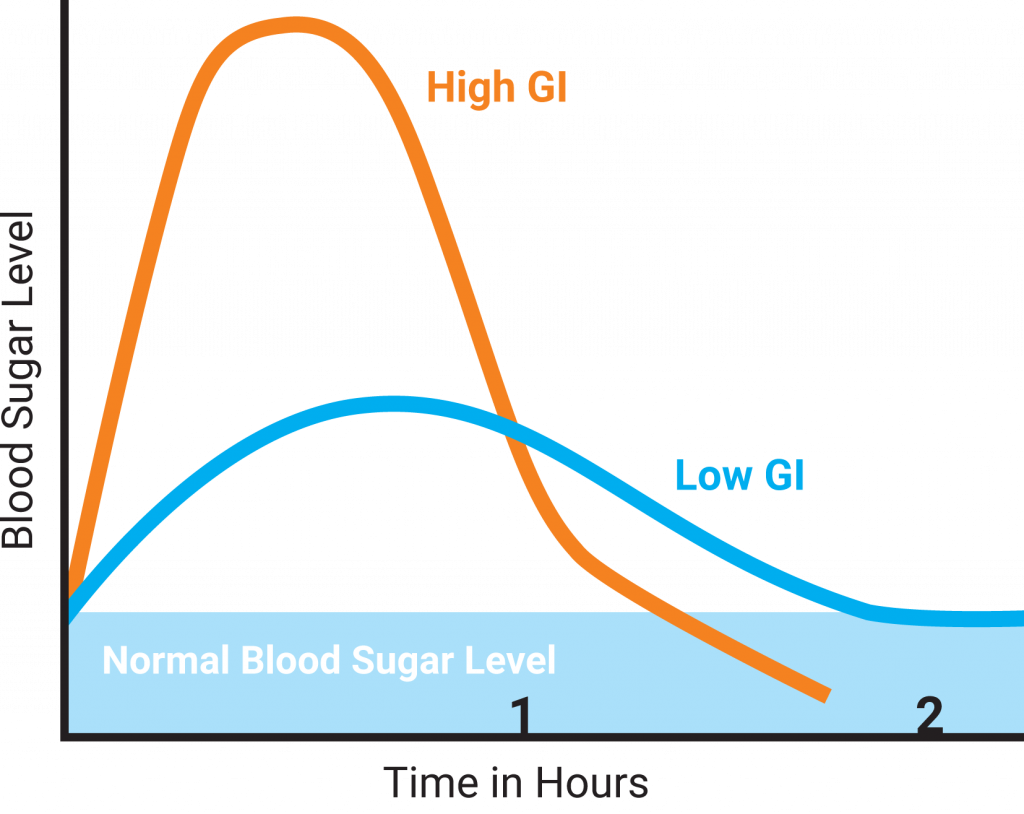
Glucose fuels the dog’s body and brain. After eating, glucose levels rise as food breaks down into sugar. Insulin, a hormone made by the pancreas, helps move glucose from blood into cells. Cells use glucose to produce energy for daily activities. Without enough glucose, dogs feel weak and tired.
How Diabetes Affects Dogs
Diabetes happens when a dog’s body cannot regulate blood sugar well. Either the pancreas makes too little insulin or the body does not use insulin properly. This causes glucose to build up in the blood. High blood sugar can harm organs and cause symptoms like thirst, urination, and weight loss. Managing diabetes means controlling blood sugar levels carefully.
Credit: shoppettest.com
Normal Blood Sugar Range
Understanding the normal blood sugar range for a diabetic dog is crucial to managing their health effectively. Blood sugar levels can fluctuate throughout the day, especially around meal times. Knowing these ranges helps you spot when your dog’s sugar is too high or too low, which can prevent serious complications.
Fasting Blood Sugar Levels
Fasting blood sugar levels refer to your dog’s blood glucose after they haven’t eaten for about 8 to 12 hours. For diabetic dogs, this level usually falls between 80 to 130 mg/dL. Keeping track of this number is important because it shows how well insulin and diet are controlling blood sugar when no food is involved.
For example, I noticed my dog’s fasting blood sugar was consistently above 150 mg/dL despite insulin doses. Adjusting his medication helped bring it down to a safer range. Have you checked your dog’s fasting levels regularly?
Post-meal Blood Sugar Levels
Post-meal blood sugar levels are measured about 1 to 2 hours after your dog eats. These levels tend to rise naturally but should stay below 180 mg/dLin diabetic dogs. Monitoring this helps you understand how your dog’s body handles sugar from food.
If your dog’s post-meal readings stay too high, it might mean you need to adjust meal size, timing, or insulin. I found that feeding smaller, more frequent meals helped smooth out spikes in my dog’s readings. What changes have you made to manage your dog’s post-meal sugar?
Symptoms Of Abnormal Sugar Levels
Recognizing the symptoms of abnormal blood sugar levels in your diabetic dog is crucial for timely care. These signs can indicate whether your dog’s sugar levels are too high or too low, both of which require immediate attention. Being alert to these symptoms helps you act fast and prevent complications.
Signs Of High Blood Sugar
High blood sugar, or hyperglycemia, can make your dog feel tired and thirsty. You might notice them drinking more water than usual and needing to urinate frequently.
- Excessive thirst and urination
- Increased hunger despite eating normally
- Weakness or lethargy
- Weight loss even with a good appetite
- Cloudy eyes or signs of cataracts
- Sweet or fruity smell on their breath
Have you ever seen your dog suddenly lose energy and seem disoriented? These could be early signs of high blood sugar. Catching these signs early can prevent serious issues like diabetic ketoacidosis.
Signs Of Low Blood Sugar
Low blood sugar, or hypoglycemia, is equally dangerous and can happen if insulin or medication doses are too high or if your dog misses a meal.
- Trembling or shaking
- Confusion or difficulty standing
- Seizures or collapse in severe cases
- Sudden weakness or lethargy
- Pale gums and rapid heartbeat
If your dog suddenly acts weak or shaky, could it be low blood sugar? This condition requires quick action, such as giving a small amount of sugar like honey or corn syrup on the gums and contacting your vet right away.
Monitoring Blood Sugar
Monitoring blood sugar is a key part of managing diabetes in your dog. Keeping track helps you understand how your dog’s body responds to insulin, food, and activity. It also helps catch any dangerous highs or lows before they become serious problems.
Testing Methods
There are a few ways to test your dog’s blood sugar, each with its own pros and cons. The most common method is using a glucometer designed for pets, which requires a small blood sample from your dog’s ear or paw pad.
You can also use continuous glucose monitors (CGMs) that attach to your dog and provide real-time data. These devices reduce stress by limiting the need for frequent blood draws. Some vets offer lab tests, but these are less practical for daily monitoring.
- Glucometer:Portable, quick results, but requires blood samples.
- Continuous Glucose Monitor (CGM):Less invasive, continuous data, higher cost.
- Lab Tests:Accurate but inconvenient for regular checks.
Frequency Of Testing
How often you test your dog’s blood sugar depends on their health, treatment plan, and how stable their levels are. Initially, you might need to check several times a day to adjust insulin doses accurately.
Once your dog’s levels stabilize, testing might reduce to once a day or a few times a week. Pay attention to any signs of low or high blood sugar and test immediately if your dog seems off. Have you noticed times when your dog’s energy changes unexpectedly? That’s a good moment to check their sugar levels.
Managing Blood Sugar Levels
Managing blood sugar levels in diabetic dogs is vital for their health and comfort. Careful control helps avoid serious problems and keeps your dog feeling well. Regular monitoring and proper care make a big difference in controlling diabetes.
Dietary Considerations
A balanced diet supports steady blood sugar levels. Choose foods low in simple sugars but high in fiber. Fiber slows sugar absorption, preventing spikes. Feeding your dog at the same times daily helps keep levels stable.
- Use high-quality protein sources.
- Limit treats and table scraps.
- Consult your vet for special diabetic dog food.
Medication And Insulin
Many diabetic dogs need insulin to control blood sugar. Your vet will prescribe the correct type and dose. Administer insulin at the same time every day. Watch for signs of low blood sugar, like weakness or shaking.
- Follow the vet’s instructions carefully.
- Store insulin properly to maintain its effect.
- Keep a glucose monitor at home for checks.
Exercise And Lifestyle
Regular exercise helps your dog use sugar for energy. Aim for daily walks or play sessions. Avoid sudden intense exercise to prevent blood sugar drops. Keep a consistent routine to reduce stress and maintain balance.
- Monitor your dog’s response to activity.
- Adjust food and insulin with exercise changes.
- Provide fresh water and rest after exercise.

Credit: www.moonlightpetstore.com
When To Contact A Vet
Knowing when to contact a vet is vital for managing your diabetic dog’s health. Blood sugar levels can change rapidly. Quick action can prevent serious problems. Watch your dog closely for signs that need expert care.
Emergency Symptoms
Some symptoms require immediate veterinary attention. These include:
- Seizures or convulsions
- Severe weakness or collapse
- Uncontrolled shaking or trembling
- Excessive vomiting or diarrhea
- Difficulty breathing
- Sudden blindness or disorientation
These signs may indicate dangerously low or high blood sugar. Call your vet or emergency clinic right away.
Regular Check-ups
Regular vet visits help keep your dog’s diabetes under control. Schedule check-ups every 3 to 6 months. Your vet will:
- Test blood sugar and urine
- Adjust insulin dose if needed
- Check for complications
- Offer nutrition and exercise advice
Keep a log of your dog’s symptoms and blood sugar levels. Share it during visits for better care.
Credit: www.mycalibra.ae
Frequently Asked Questions
What Is The Normal Blood Sugar Range For Diabetic Dogs?
The normal blood sugar range for diabetic dogs is typically between 80 to 150 mg/dL. This range helps manage diabetes and avoid complications. Regular monitoring ensures your dog’s blood sugar stays within this target for optimal health.
How Often Should I Check My Diabetic Dog’s Blood Sugar?
You should check your diabetic dog’s blood sugar at least twice daily. Frequent checks help track fluctuations and adjust insulin doses. Always follow your vet’s advice for the best monitoring schedule.
What Symptoms Indicate Abnormal Blood Sugar In Dogs?
Symptoms include increased thirst, frequent urination, weight loss, and lethargy. These signs may suggest high or low blood sugar levels. Prompt veterinary care is essential to manage these changes effectively.
Can Diet Affect My Diabetic Dog’s Blood Sugar Levels?
Yes, diet greatly impacts blood sugar control in diabetic dogs. Feeding consistent, balanced meals with low carbohydrates helps stabilize glucose levels. Consult your vet for the best diabetic diet plan.
Conclusion
Managing your diabetic dog’s blood sugar is key to their health. Normal levels help avoid serious problems. Check your dog’s sugar often and keep notes. Feed them balanced meals and follow the vet’s advice. Watch for changes in behavior or energy.
Early action can prevent complications. Your care makes a big difference every day. Keep learning and stay patient. Your dog depends on you for a happy life.

Emily Barker is the founder of ChillDogLife.com, a space dedicated to helping pup parents discover the best dog products, lifestyle tips, and cozy ideas for happier homes.
A lifelong dog lover, Emily combines her passion for pets with a knack for research to share trusted recommendations on everything from toys and furniture to health and everyday care.
Her goal is simple: to make life easier, stylish, and more joyful for dogs and the people who love them.




