
Is your dog acting a little off lately? Maybe they’re scratching more than usual or seem tired all the time.
These could be signs that your furry friend has an infection. But how can you be sure? Knowing the early signs of infection can make all the difference in getting your dog the care they need quickly. Keep reading to learn exactly what to watch for and how to protect your dog’s health before a small problem turns into a big one.
Your dog depends on you, and this guide will help you spot infections early and take action fast.
Credit: topdogtips.com
Common Infection Types In Dogs
Dogs can suffer from various infections, each affecting different parts of their body. Knowing the common infection types helps you spot warning signs early and get your furry friend the care they need. Let’s look at the most frequent infections and what symptoms to watch for.
Skin Infections
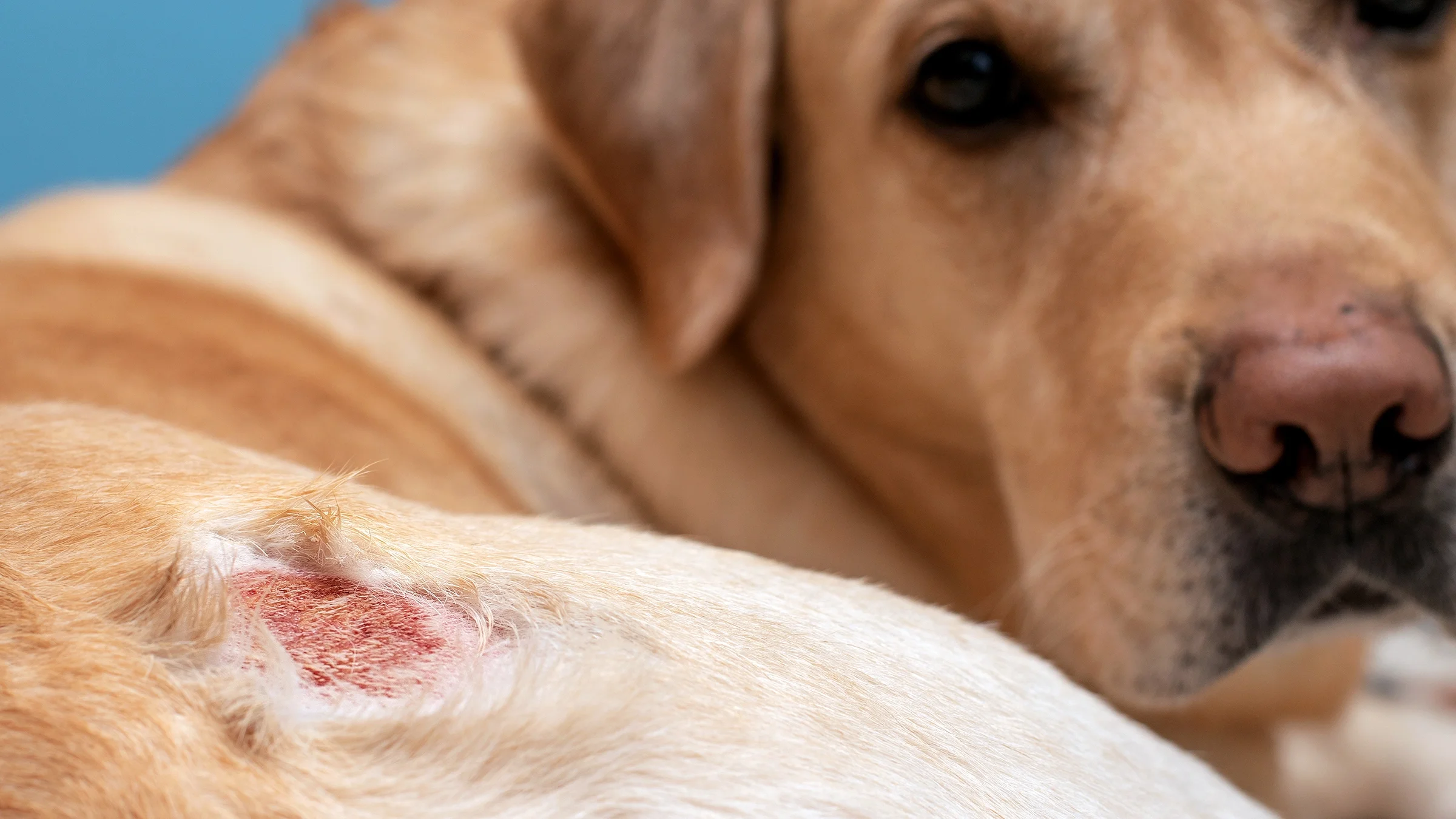
Skin infections in dogs often show up as redness, swelling, or sores. You might notice your dog scratching, licking, or biting certain spots more than usual. These infections can be caused by bacteria, fungi, or parasites like fleas.
Keep an eye out for scabs, hair loss, or a bad smell from the skin. If your dog’s skin looks raw or irritated, it’s time to check with your vet. Early treatment can prevent the infection from spreading and causing more discomfort.
Ear Infections
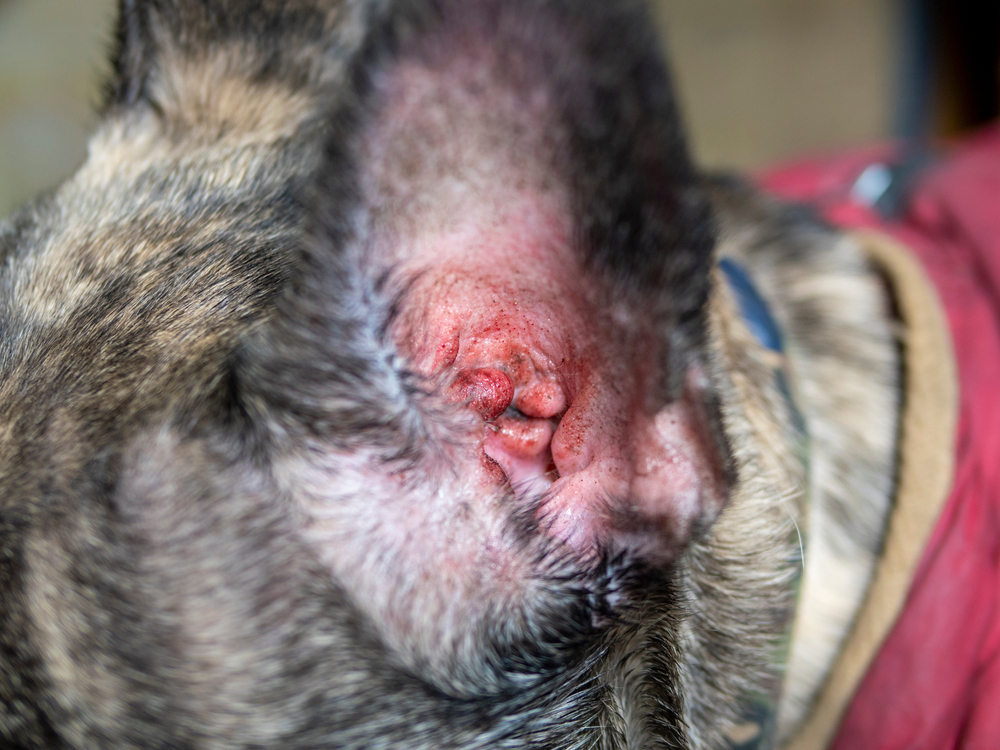
Ear infections are common, especially in dogs with floppy ears or those that swim a lot. Signs include head shaking, redness inside the ear, and a foul odor. Your dog may also tilt their head or paw at their ears frequently.
Ear infections can be caused by bacteria, yeast, or allergies. Regular ear cleaning and drying after baths or swims can help you prevent these infections. If your dog seems in pain or the ear looks swollen, don’t wait to get professional advice.
Urinary Tract Infections
Urinary tract infections (UTIs) often cause your dog to urinate more frequently or have accidents indoors. You might notice blood in the urine or that your dog strains while peeing. UTIs can be painful and may lead to more serious kidney problems if untreated.
Encourage your dog to drink plenty of water and watch for any changes in bathroom habits. If you see signs of discomfort or changes in urination, a vet visit is necessary. Early diagnosis helps avoid complications and keeps your dog comfortable.
Respiratory Infections
Respiratory infections can make your dog cough, sneeze, or have a runny nose. They may also show signs of fatigue or loss of appetite. These infections range from mild colds to more serious conditions like kennel cough or pneumonia.
Observe if your dog has difficulty breathing or persistent coughing. Keeping your dog away from infected animals and ensuring good ventilation can reduce the risk. If symptoms last more than a few days, seek veterinary care promptly.
Credit: www.goodrx.com
Visible Symptoms To Notice
Noticing visible symptoms on your dog can be the first sign that something isn’t right. Dogs can’t tell us when they feel sick, so your eyes and hands become essential tools. Paying close attention to changes in your dog’s appearance helps you catch infections early and get them the care they need.
Redness And Swelling
Check your dog’s skin for areas that look redder than usual or feel warm to the touch. Swelling often accompanies redness and can make your dog uncomfortable or sensitive. If you find a swollen spot, especially around the paws, ears, or eyes, it could be a sign of infection that needs a vet’s attention.
Discharge And Odor
Discharge from the eyes, ears, or nose is not normal and often signals infection. You might notice yellow, green, or cloudy fluid leaking, sometimes with a bad smell. If your dog’s breath or skin starts smelling unusually foul, that can also hint at an underlying infection.
Lumps And Bumps
Not every lump is dangerous, but new or rapidly growing bumps should raise your concern. Feel for any hard or soft lumps that weren’t there before, especially if they’re painful or hot. Some infections cause abscesses, which are swollen pockets of pus that need prompt treatment.
Changes In Coat Condition
Is your dog’s coat looking dull, patchy, or greasy? These changes can indicate skin infections or parasites affecting the skin’s health. Notice if your dog is scratching more than usual or if fur is falling out in clumps—both signs that infection might be present.
Behavioral Changes Indicating Infection
Behavioral changes often serve as early warning signs that your dog might be fighting an infection. These subtle shifts in how your dog acts can alert you before physical symptoms become obvious. Paying attention to these behaviors can help you seek timely veterinary care and improve your dog’s recovery chances.
Lethargy And Weakness
If your usually active dog suddenly seems tired or weak, it could signal an infection. You might notice your dog sleeping more than usual or struggling to get up for walks. Dogs instinctively conserve energy to fight illness, so decreased activity levels are a red flag you shouldn’t ignore.
Excessive Scratching Or Licking
Persistent scratching or licking at a particular spot can indicate an infection beneath the skin. Your dog might focus on one area, causing redness or sores. This behavior is often a response to irritation or pain caused by bacterial or fungal infections.
Loss Of Appetite
A sudden drop in your dog’s interest in food is a clear behavioral change to watch for. Infections can cause nausea or discomfort, making eating less appealing. If your dog refuses meals for more than a day, it’s time to investigate the cause with your vet.
Fever And Shivering
While you can’t measure your dog’s temperature by sight alone, shivering or trembling can indicate a fever. Dogs often shiver when they feel cold due to a raised body temperature from infection. If your dog seems unusually cold or is shaking, check for other signs of illness and consult your vet promptly.
When To Contact A Vet
Knowing when to contact a vet is crucial if your dog might have an infection. Some signs show that the infection is serious and needs quick action. Don’t wait too long to get professional help. Early care can prevent worse problems and help your dog heal faster.
Persistent Symptoms
Symptoms that last more than a couple of days need attention. Continuous vomiting, diarrhea, or fever may indicate an infection. If your dog keeps licking or biting a sore spot, the infection might be deep. Watch for symptoms that do not improve or get worse despite home care.
Rapid Deterioration
Sudden changes in your dog’s condition require urgent vet contact. If your dog becomes weak, lethargic, or unresponsive quickly, it is a red flag. Rapid weight loss or swelling in any part of the body can show serious infection. Immediate care can be lifesaving in these cases.
Signs Of Pain Or Discomfort
Dogs cannot tell you they hurt, so watch their actions closely. Whining, growling, or hiding can mean pain from an infection. Limping or sensitivity to touch may also signal discomfort. If your dog shows clear signs of pain, seek vet advice immediately.
Difficulty Breathing Or Walking
Breathing problems or trouble walking are emergencies. Coughing, gasping, or fast breathing can mean a lung infection. Weakness or stumbling might show infection affecting nerves or muscles. Call a vet right away to avoid serious harm or death.
Preventing Infections In Dogs
Preventing infections in dogs is crucial to keeping them happy and healthy. You can avoid many common health issues by staying proactive with simple daily habits. Do you know which small changes in your routine could protect your dog from harmful infections?
Regular Grooming And Cleaning
Keeping your dog clean reduces the chance of bacteria and parasites causing infections. Brush their coat regularly to remove dirt and loose hair that can trap germs. Don’t forget to check their ears, paws, and teeth, as these areas are prone to infections if neglected.
Bathing your dog with a gentle shampoo helps maintain skin health. Clean any wounds or scratches promptly to prevent bacteria from entering. How often do you inspect your dog’s skin for unusual redness or swelling?
Balanced Diet And Hydration
Your dog’s immune system depends on good nutrition. Feed them a balanced diet rich in vitamins and minerals that support fighting infections. Fresh water should always be available—hydration helps flush out toxins and keeps their body systems working well.
Consider adding foods with natural antioxidants like blueberries or carrots to boost immunity. Avoid overfeeding treats that can weaken their health. Have you noticed changes in your dog’s appetite that might signal a problem?
Vaccinations And Checkups
Regular veterinary visits are essential to prevent infections. Vaccines protect your dog from diseases like parvovirus and rabies that can be life-threatening. Schedule checkups at least once a year or more if your dog is older or has health issues.
During visits, vets can spot early signs of infections before they become serious. Keep a record of your dog’s vaccination history and follow your vet’s advice on boosters. Are you up to date with your dog’s vaccination schedule?
Safe Environment Practices
Creating a clean and safe living space lowers infection risks. Disinfect your dog’s bedding, toys, and feeding bowls regularly. Avoid exposure to contaminated water or areas where wild animals roam freely.
Limit contact with unknown dogs, especially in places like dog parks where illnesses can spread quickly. Keep harmful chemicals and sharp objects out of reach. What changes can you make today to create a safer environment for your dog?

Credit: lavengel.com
Frequently Asked Questions
What Are Common Signs Of A Dog Infection?
Common signs include redness, swelling, and discharge from the affected area. Your dog might also show signs of discomfort, lethargy, or a loss of appetite. It’s crucial to observe any behavioral changes and consult your vet if you suspect an infection.
How Can You Identify A Skin Infection In Dogs?
A skin infection may cause itching, redness, and sores. You might notice your dog scratching excessively or developing scabs. It’s important to monitor these symptoms closely and seek veterinary advice for proper diagnosis and treatment.
How Does A Dog Ear Infection Present?
Ear infections often cause head shaking, scratching, and odor. Your dog’s ear might appear red or swollen. Discharge from the ear can also be a sign. Early detection and treatment can prevent complications, so consult your vet promptly.
Can A Dog Infection Cause Fever?
Yes, infections can cause fever in dogs. Other symptoms may include lethargy and loss of appetite. A fever indicates the body’s response to infection. It’s essential to contact your vet for proper assessment and treatment.
Conclusion
Recognizing signs of infection in your dog helps keep them healthy. Watch for changes in behavior, appetite, and skin condition. Early action can prevent serious problems. Consult a vet if you notice swelling, redness, or unusual smells. Clean wounds carefully and keep your dog comfortable.
Regular check-ups catch infections before they worsen. Stay alert and care with love. Your dog depends on you. Small steps today mean a healthier tomorrow. Simple care makes a big difference.

Emily Barker is the founder of ChillDogLife.com, a space dedicated to helping pup parents discover the best dog products, lifestyle tips, and cozy ideas for happier homes.
A lifelong dog lover, Emily combines her passion for pets with a knack for research to share trusted recommendations on everything from toys and furniture to health and everyday care.
Her goal is simple: to make life easier, stylish, and more joyful for dogs and the people who love them.




