You love your dog and want to keep their toys clean and safe. But have you ever wondered if washing dog toys with detergent is actually safe for your furry friend?
You want to protect your pet from harmful chemicals, yet also keep their toys free from dirt and germs. This question matters because what you use to clean those toys can affect your dog’s health. Keep reading to discover the best way to clean your dog’s toys without risking their safety.
Your dog’s well-being depends on it.
Risks Of Using Detergent On Dog Toys
Cleaning dog toys is important to keep your pet safe from germs. Using detergent might seem like a good idea for cleanliness. There are risks involved with detergent use on dog toys. These risks affect your pet’s health and the toy’s condition.
Chemical Residue Concerns
Detergents often leave behind chemicals after rinsing. These residues can stick to the toy’s surface. Dogs chew and lick their toys, which can lead to swallowing these chemicals. Even small amounts of detergent residue may irritate your dog’s mouth or stomach.
Effects On Pet Health
Swallowing detergent residue can cause vomiting or diarrhea in dogs. Some detergents have strong fragrances or dyes that might trigger allergies. Sensitive dogs may develop skin rashes or irritation from contact with treated toys. Long-term exposure to harsh chemicals can harm your dog’s health.
Material Damage To Toys
Detergents can break down the material of dog toys. Rubber, plastic, and fabric may weaken or crack over time. Damaged toys can become choking hazards or cause injuries. Harsh cleaning agents reduce the toy’s lifespan and safety.

Credit: www.alphatechpet.com
Safe Cleaning Alternatives
Keeping your dog’s toys clean is essential for their health, but you might wonder if detergent is the safest choice. Fortunately, there are effective alternatives that protect your pet while ensuring the toys stay fresh. Let’s look at some safe cleaning options that you can easily try at home.
Using Mild Soaps
Choosing a mild soap designed for sensitive skin can be a smart way to clean your dog’s toys without harsh chemicals. Look for soaps that are free from dyes, fragrances, and antibacterial agents, which might irritate your pet. A gentle dish soap or baby soap often works well and rinses off easily, leaving no harmful residue.
Have you ever noticed your dog avoiding a toy after washing it? Sometimes strong detergents change the scent, making toys less appealing. Mild soaps help maintain the familiar smell your dog loves.
Natural Cleaning Solutions
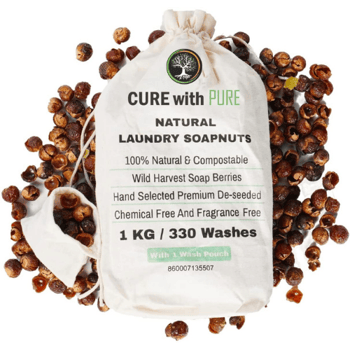
Natural cleaners like white vinegar and baking soda offer a safe, chemical-free way to sanitize toys. Mixing equal parts water and white vinegar creates a solution that kills many germs without leaving a toxic residue. Sprinkle baking soda on toys, let it sit for a few minutes, then scrub and rinse thoroughly to remove odors and dirt.
These ingredients are often already in your kitchen, making natural cleaning both cost-effective and convenient. Ever tried this on your dog’s plush toys? Many pet owners find it revitalizes them without compromising safety.
Dishwasher Use For Durable Toys
For hard, durable toys, running them through the dishwasher can be an easy and safe cleaning method. The high heat and water pressure sanitize toys effectively, especially those made from hard plastic or rubber. Just make sure the toys are dishwasher-safe and place them on the top rack to avoid warping.
Do you have a favorite tough chew toy? Try this quick method and see how much time you save compared to hand washing. It’s a great solution for busy pet parents who want clean toys without extra effort.
Choosing The Right Detergent
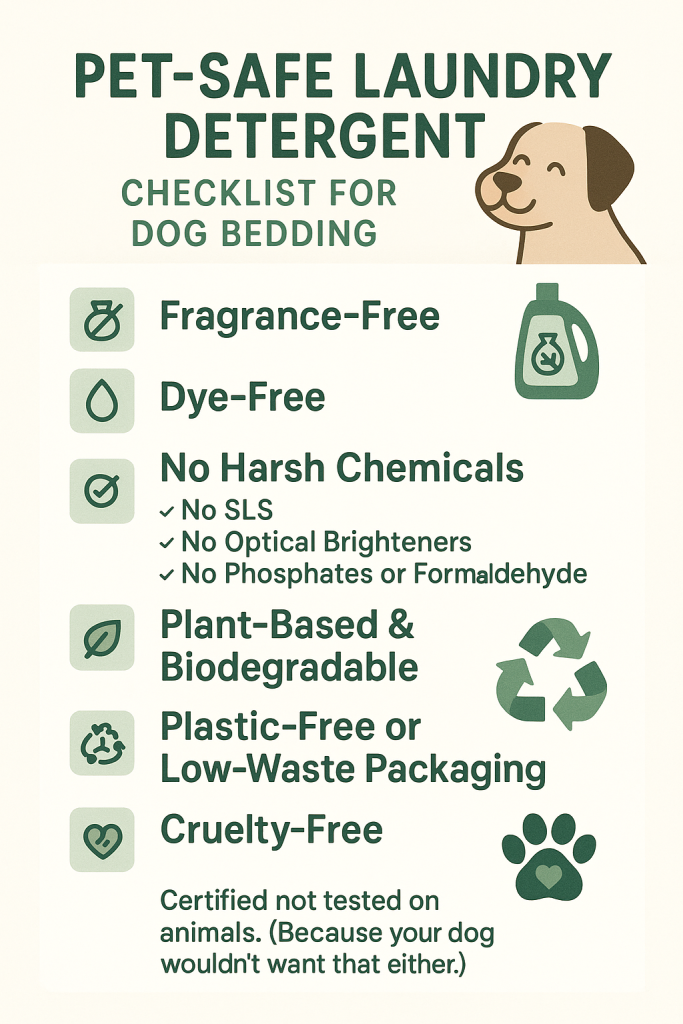
Choosing the right detergent to wash your dog’s toys is more important than you might think. The detergent you pick can affect not only how clean the toys get but also your pet’s health. Some detergents contain chemicals that might irritate your dog’s skin or cause allergic reactions. It’s essential to find a balance between effective cleaning and safety.
Pet-safe Detergent Options
Look for detergents specifically labeled as pet-safe. These products are formulated to remove dirt and bacteria without harmful ingredients. Brands like Seventh Generationand Babyganicsoften have pet-friendly lines that work well.
Using a pet-safe detergent gives you peace of mind knowing your dog’s toys are clean and safe to chew on. Have you checked if your current detergent mentions pet safety on the label?
Avoiding Harsh Chemicals
Harsh chemicals such as bleach, phosphates, and artificial fragrances can leave residues that irritate your dog’s mouth or skin. Even if rinsed thoroughly, traces might remain and cause discomfort.
Choosing a detergent without these chemicals helps protect your dog from potential allergic reactions or toxicity. Always read the ingredients list carefully before buying a detergent.
Hypoallergenic Choices
If your dog has sensitive skin or allergies, hypoallergenic detergents are a smart choice. These detergents avoid common allergens and use gentle ingredients that minimize irritation.
Hypoallergenic options often include natural plant-based cleansers and avoid dyes or perfumes. If your dog has shown signs of allergies before, switching to a hypoallergenic detergent could improve their comfort significantly.
Cleaning Frequency And Tips
Keeping dog toys clean is important for your pet’s health. Regular cleaning removes dirt, saliva, and germs. This prevents bacteria buildup and keeps toys safe to chew. Knowing how often to clean and the best methods helps maintain hygiene without damaging the toys.
When To Clean Dog Toys
Wash toys after heavy use or if they look dirty. Toys dropped outside or in mud need immediate cleaning. Soft toys should be cleaned more often than hard ones. Check for bad odors or sticky surfaces as signs for cleaning. Regular checks help avoid bacteria growth.
Proper Rinsing Techniques
Rinse toys thoroughly after washing with detergent. Soap residue can irritate your dog’s mouth or stomach. Use warm water to remove all detergent traces. Squeeze out water from inside hollow toys to avoid moisture buildup. Rinse until water runs clear without bubbles.
Drying And Storage Tips
Dry toys completely before giving them back to your dog. Air drying is best to prevent mold and mildew. Avoid direct sunlight for long periods to protect colors and materials. Store toys in a clean, dry place away from dirt and pests. Rotate toys regularly to keep them fresh and appealing.
Signs Your Dog Toy Needs Replacement
Knowing when to replace your dog’s toys is just as important as keeping them clean. Worn-out toys can pose safety risks, and ignoring the signs can lead to health problems or accidental swallowing of small parts. Paying attention to these warning signals helps you protect your furry friend and keeps playtime fun and safe.
Wear And Tear Indicators
Look closely at your dog’s toys for visible damage. Frayed edges, cracks, or chunks missing are clear signs the toy is past its prime. If stuffing is coming out or the material feels thin and weak, it’s time to toss it out.
Have you noticed your dog chewing more aggressively or the toy falling apart quicker than usual? This often means the toy no longer holds up to your dog’s energy and strength, signaling a need for replacement.
Health Warning Signs
Keep an eye on your dog’s behavior during and after play. Excessive coughing, choking, or difficulty breathing could mean they’ve swallowed parts of a broken toy. Also, skin irritation or allergic reactions might be caused by the toy’s worn material or residue buildup.
Does your dog avoid playing with certain toys or seem uncomfortable? It might be linked to the toy’s condition affecting their health or comfort. Your dog’s reactions can be your best guide in deciding if a toy needs to go.
Toy Lifespan Guidelines
Different toys have different lifespans based on material and usage. Rubber toys often last longer than plush ones, which can get destroyed quickly by heavy chewers. Regularly assess the age and condition of toys—if a plush toy is over a few months old and heavily worn, it’s safer to replace it.
Ask yourself: Is the toy still safe to chew? If you can easily deform it or it has lost its original shape, it might be time for a new one. Keeping track of your dog’s favorite toys and rotating them can also extend their usability and keep your dog interested.
Credit: www.preventivevet.com
Credit: www.happystaffyco.com
Frequently Asked Questions
Can I Wash Dog Toys With Detergent?
Yes, you can wash dog toys with detergent. Ensure the detergent is mild and non-toxic. Avoid any strong chemicals or fragrances. Rinse thoroughly to remove any detergent residue. Always check the toy’s care instructions before washing. This ensures your dog’s safety and maintains the toy’s durability.
What Detergent Is Safe For Dog Toys?
Use a mild, unscented, and pet-safe detergent for washing dog toys. Avoid harsh chemicals and strong fragrances. Natural or eco-friendly detergents are ideal choices. Always read the label to confirm it’s safe for pets. Proper rinsing is essential to remove all detergent residue.
How Often Should I Wash Dog Toys?
Wash dog toys every two to four weeks. Regular cleaning prevents bacteria buildup and maintains hygiene. If toys are heavily used or dirty, wash them more frequently. Always inspect toys for damage before washing. This ensures they remain safe and enjoyable for your dog.
Can Detergent Harm My Dog’s Health?
Using harsh detergents can harm your dog’s health. Toxic chemicals and strong fragrances can cause allergies. Always choose a mild, non-toxic detergent. Thoroughly rinse toys to remove any residues. This ensures your dog stays safe and healthy while playing with their toys.
Conclusion
Washing dog toys with detergent can be safe if done right. Choose a mild detergent without strong chemicals. Rinse toys thoroughly to remove all soap residue. Dry the toys completely before giving them back to your dog. Clean toys help keep your pet healthy and happy.
Always check the toy’s material and washing instructions. Regular cleaning prevents dirt and germs from building up. Safe washing protects your dog from harmful substances. Keep your dog’s toys clean for their best playtime. Simple care makes a big difference in your pet’s health.

Emily Barker is the founder of ChillDogLife.com, a space dedicated to helping pup parents discover the best dog products, lifestyle tips, and cozy ideas for happier homes.
A lifelong dog lover, Emily combines her passion for pets with a knack for research to share trusted recommendations on everything from toys and furniture to health and everyday care.
Her goal is simple: to make life easier, stylish, and more joyful for dogs and the people who love them.




