You love your dog and want to keep them happy and healthy. But what if something invisible is making your furry friend feel uncomfortable?
Parasites are common, and they can cause serious problems if left unnoticed. How can you tell if your dog has a parasite before it gets worse? This guide will help you spot the signs early, so you can act fast and protect your best friend.
Keep reading—you’ll learn exactly what to look for and what to do next.

Credit: www.youtube.com
Common Dog Parasites
Dogs can carry different parasites that affect their health. These parasites live inside or outside the dog’s body. Some cause mild problems, while others can be serious. Knowing the common parasites helps spot signs early. It also guides proper care and treatment.
Types Of Internal Parasites
Internal parasites live inside the dog’s body. They often affect the stomach, intestines, or other organs. Common internal parasites include:
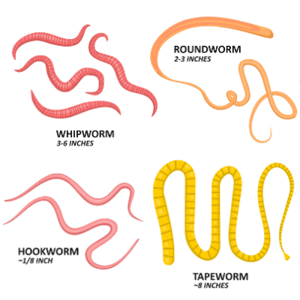
- Roundworms:These worms live in the intestines and can cause vomiting and diarrhea.
- Hookworms:They attach to the intestines and suck blood, leading to weakness.
- Tapeworms:Flat worms that grow in the intestines and may cause weight loss.
- Whipworms:These worms irritate the colon and cause diarrhea or bloody stool.
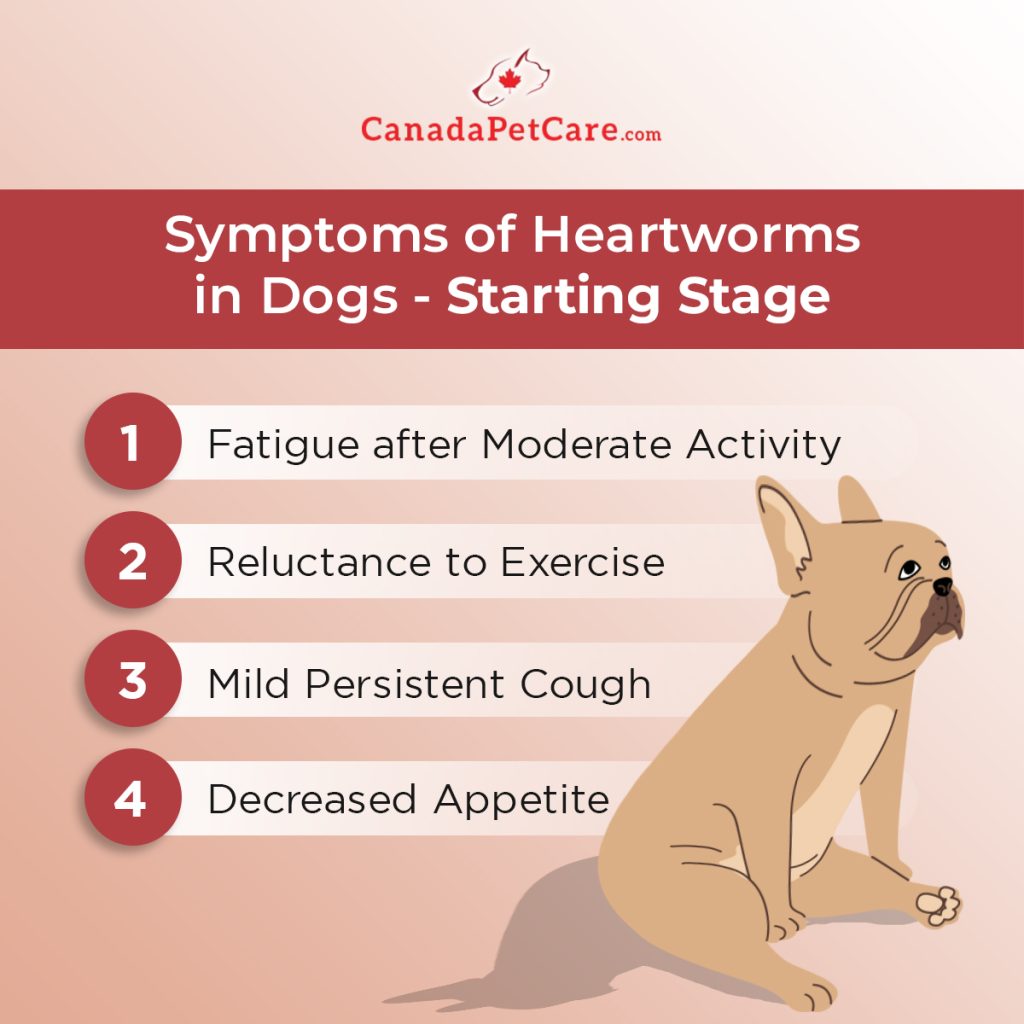
- Heartworms:Spread by mosquitoes, they live in the heart and lungs and can be deadly.
Types Of External Parasites
External parasites live on the dog’s skin or fur. They feed on blood or skin and cause itching. Common external parasites include:
- Fleas:Small insects that bite and cause itching and skin infections.
- Ticks:They attach to the skin and can spread diseases.
- Mites:Tiny creatures that cause mange and intense itching.
- Lice:Small insects that cause scratching and hair loss.
Credit: www.preventivevet.com
Physical Symptoms To Notice
Recognizing physical symptoms in your dog is crucial for their health. Parasites can cause various signs, affecting your dog’s well-being. Early detection helps in taking quick action. Look for changes in their behavior or body. These signs can guide you to seek veterinary help.
Changes In Appetite And Weight
Notice any sudden changes in your dog’s appetite. They might eat less or more than usual. Weight loss without diet changes is a red flag. Even a minor loss can indicate a problem. Keep track of their feeding habits and weight regularly.
Visible Skin Issues
Check your dog’s skin for unusual signs. Redness, rashes, or bumps can indicate parasites. Constant scratching or biting is another symptom. Look for hair loss in patches. This can point to a skin condition caused by parasites.
Digestive Problems
Watch for signs of digestive issues. Vomiting or diarrhea can be symptoms of parasites. These problems can lead to dehydration if untreated. Notice any changes in their stool, such as blood or mucus. Keep an eye on their bathroom habits for any irregularities.
Behavioral Changes
Behavioral changes often signal that a dog might have a parasite. These changes can be subtle at first but grow more obvious over time. Noticing shifts in your dog’s usual habits helps catch problems early. Pay close attention to any unusual actions or discomfort your dog shows.
Increased Scratching Or Biting
Parasites cause irritation on the skin. Dogs may scratch or bite more than normal. Look for frequent pawing at the ears, belly, or tail. These actions might show your dog is trying to ease itching or pain. Check the skin for redness, bumps, or sores.
Lethargy And Weakness
A dog with parasites often feels tired or weak. You might see less energy during walks or playtime. Parasites can steal nutrients, causing fatigue. Your dog might sleep more and move slower. This drop in activity can warn you of a health issue.
Restlessness And Discomfort
Restlessness is common when a dog is uncomfortable. Parasites cause itching, pain, or bloating. Your dog may have trouble settling down or may pace often. Watch for whining or unusual movements. These signs show your dog needs help.

Credit: www.northroadvet.com.au
Checking For Parasites At Home
Checking your dog for parasites at home is a straightforward way to catch problems early. Parasites can hide in places you might not expect, so a thorough inspection is key. Taking a few minutes regularly to check your dog’s fur, skin, and stool can save you from bigger health issues down the road.
Inspecting Fur And Skin
Start by running your fingers gently through your dog’s fur, feeling for any unusual bumps or tiny moving specks. Parasites like fleas and ticks can cling close to the skin, especially around the ears, neck, and belly.
Look for signs like redness, irritation, or small scabs. These might indicate bites or allergic reactions caused by parasites. You might even spot flea dirt, which looks like tiny black specks, similar to ground pepper.
Have you noticed your dog scratching more than usual? That’s a strong hint to take a closer look at their skin. Regular grooming sessions can help you spot problems early and keep your dog comfortable.
Examining Stool Samples
Parasites often show up in your dog’s stool. Collect a fresh sample and look for anything unusual. Worms may appear as small white segments or spaghetti-like strands.
Keep an eye out for changes in color, texture, or consistency. Diarrhea or mucus can signal an internal parasite infection. If you spot anything odd, it’s a good idea to take a photo and share it with your vet.
How often do you check your dog’s stool? Making this a habit can help you catch infections early before they cause serious issues. It’s a simple step that can make a big difference in your dog’s health.
When To Visit The Vet
Knowing when to visit the vet is crucial if you suspect your dog has a parasite. Early intervention can prevent serious health issues and make treatment easier. Ignoring warning signs might put your dog's well-being at risk.
Signs Requiring Immediate Attention
Some symptoms indicate an urgent need for veterinary care. If your dog shows any of these signs, don’t wait to get help:
- Persistent vomiting or diarrhealasting more than 24 hours
- Severe weight lossor noticeable weakness
- Bloody stoolsor visible worms in feces
- Difficulty breathingor coughing that won’t stop
- Excessive itchingor skin sores that worsen quickly
When I noticed my dog suddenly losing weight and having bloody diarrhea, I rushed to the vet. Waiting only made the condition worse, and early treatment was key to recovery.
Diagnostic Tests For Parasites
Your vet will use specific tests to identify the parasite causing trouble. These tests ensure the right treatment plan.
- Fecal examination:Checking stool samples under a microscope to find parasite eggs or larvae
- Blood tests:Detecting parasites like heartworms or those affecting organs
- Skin scrapings:Used if skin parasites such as mites are suspected
- Imaging tests:X-rays or ultrasounds to spot internal parasite damage
Ask your vet which tests are best for your dog’s symptoms. Knowing exactly what you’re dealing with helps avoid unnecessary treatments and speeds up recovery.
Preventing Parasite Infestations
Parasites can harm your dog’s health quickly. Preventing parasite infestations keeps your pet safe and happy. Taking simple steps reduces the risk of worms, fleas, and ticks. Consistent care protects your dog and your home environment from these pests.
Regular Deworming
Deworming your dog regularly removes harmful intestinal parasites. These parasites can cause weight loss, vomiting, and diarrhea. Veterinarians recommend a schedule based on your dog’s age and lifestyle. Use safe, vet-approved deworming treatments to avoid health issues. Keeping up with deworming stops parasites from spreading to other pets.
Flea And Tick Control
Fleas and ticks carry diseases and cause intense itching. Use flea and tick preventatives all year, not just in summer. Choose spot-on treatments, collars, or oral medications suitable for your dog. Check your pet’s fur often for signs of these pests. Early removal prevents infestations and keeps your dog comfortable.
Maintaining Clean Living Spaces
Clean living spaces reduce parasite risks significantly. Wash your dog’s bedding and toys often in hot water. Vacuum carpets and floors regularly to remove flea eggs and larvae. Dispose of waste quickly and keep your yard tidy. Clean environments make it harder for parasites to thrive and infect your dog.
Frequently Asked Questions
What Are Common Symptoms Of Dog Parasites?
Common symptoms include vomiting, diarrhea, weight loss, and lethargy. You may also see a dull coat or itching. Changes in appetite and visible worms in stool are signs. Early detection helps prevent severe health issues in dogs.
How Can I Check If My Dog Has Parasites?
Look for signs like scooting, itching, and changes in bowel movements. Examine your dog’s stool for worms or eggs. Regular vet check-ups and fecal exams are essential for accurate diagnosis and timely treatment.
Can Parasites In Dogs Affect Humans?
Yes, some dog parasites can transmit to humans, causing health issues. Practice good hygiene, wash hands after handling pets, and deworm dogs regularly. Preventing parasite spread protects both your family and your dog.
How Often Should I Deworm My Dog?
Deworming frequency depends on your dog’s age, lifestyle, and risk factors. Puppies usually need treatment every 2-3 weeks until 12 weeks old. Adult dogs generally require deworming every 3-6 months or as advised by a vet.
Conclusion
Parasites can cause serious health problems for your dog. Watch for signs like itching, weight loss, or diarrhea. Regular check-ups help catch parasites early. Clean your dog’s living area often to reduce risks. Treating parasites quickly keeps your dog happy and healthy.
Stay alert and act fast if symptoms appear. Your dog depends on you for protection and care.

Emily Barker is the founder of ChillDogLife.com, a space dedicated to helping pup parents discover the best dog products, lifestyle tips, and cozy ideas for happier homes.
A lifelong dog lover, Emily combines her passion for pets with a knack for research to share trusted recommendations on everything from toys and furniture to health and everyday care.
Her goal is simple: to make life easier, stylish, and more joyful for dogs and the people who love them.




