Is your dog acting different lately? Maybe they’re licking one spot more than usual or seem a bit tired.
These could be signs your furry friend has an infection. Knowing how to spot an infection early can make all the difference in getting your dog the right care fast. You’ll learn simple ways to tell if your dog has an infection and what steps you can take to help them feel better quickly.
Keep reading—your dog’s health depends on it.
Common Infection Signs In Dogs
Recognizing infection signs in dogs early helps in quick treatment and recovery. Dogs can show many symptoms when fighting infections. Knowing these signs keeps your pet safe and healthy.
Changes In Appetite And Thirst
A dog with an infection often eats less than usual. They might also drink more water than normal. These shifts in eating or drinking habits can signal illness. Watch closely for sudden appetite loss or increased thirst.
Lethargy And Weakness
Infected dogs may seem tired and less active. They might avoid play or walks and rest more. Weakness can make moving or standing hard. This lack of energy often means the body is fighting infection.
Fever And Elevated Body Temperature
Fever is a common infection sign in dogs. Their body temperature may rise above normal. A warm nose or dry gums can hint at fever. Use a thermometer to check for high body temperature.
Credit: topdogtips.com
Visible Symptoms On Skin And Coat
Noticing visible symptoms on your dog’s skin and coat can be your first clue that something is wrong. Dogs cannot tell you when they feel discomfort, so your eyes and hands become vital tools in spotting infections early. Paying close attention to changes in their skin and fur can help you catch infections before they worsen.
Redness And Swelling
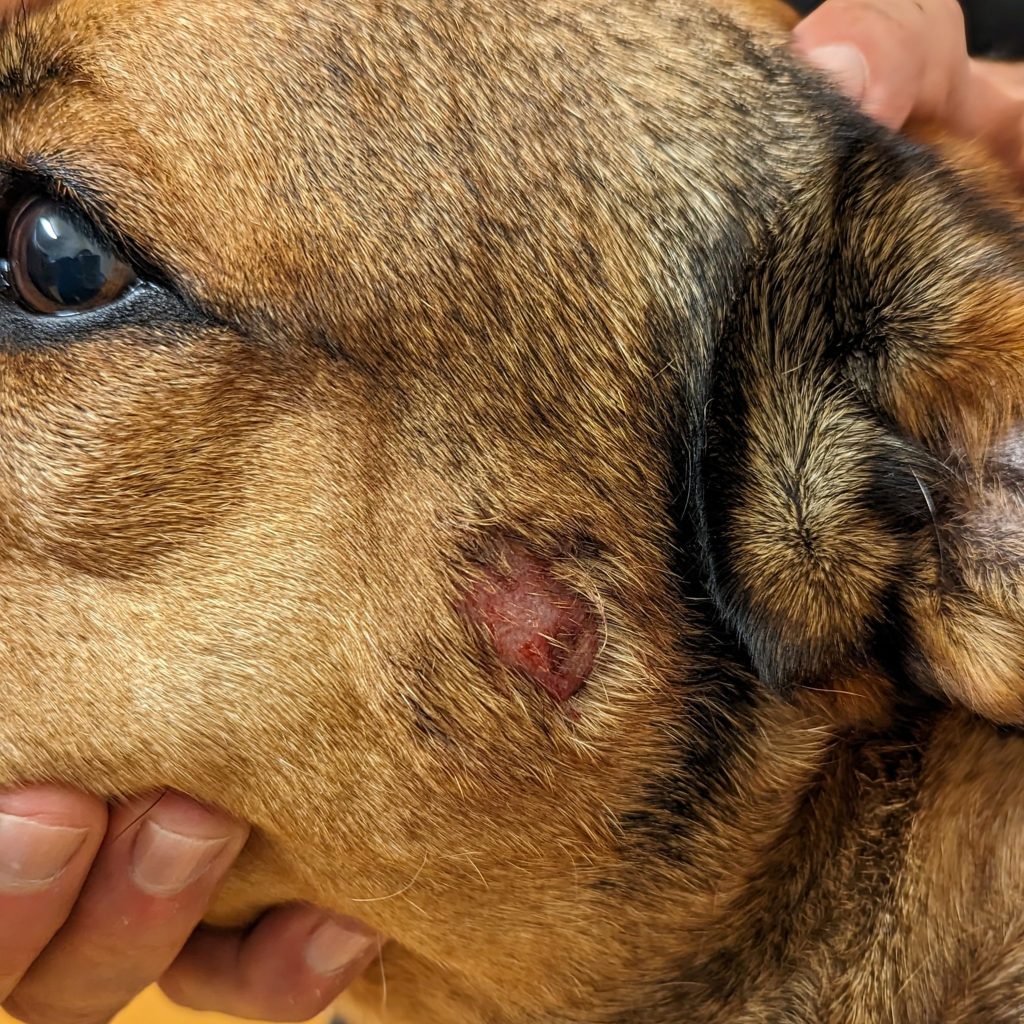
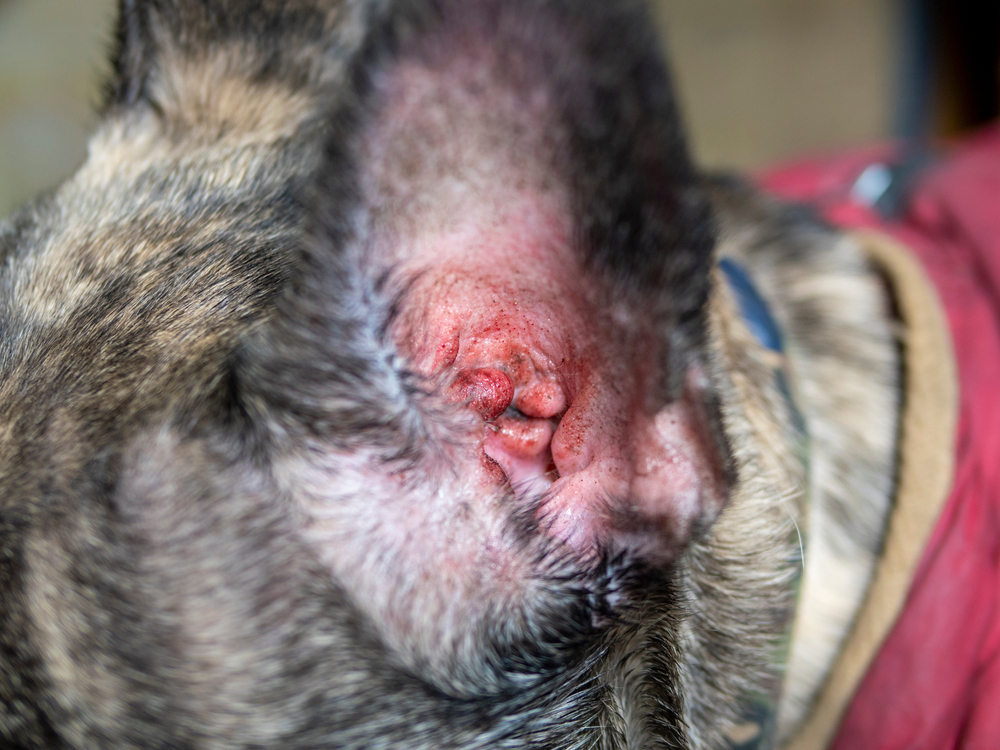
Redness on your dog's skin is a clear warning sign. It often appears as bright or dark pink patches that stand out against their normal skin color. Swelling may accompany redness, making the area feel warm and raised to the touch.
Have you ever noticed your dog licking or scratching a specific spot more than usual? This behavior often points to irritation caused by redness and swelling, indicating a possible infection. These symptoms might look small at first but can spread quickly if ignored.
Pus And Discharge
One of the most obvious signs of infection is the presence of pus or any unusual discharge. This might appear as yellow, green, or white thick fluid oozing from sores, cuts, or bumps on your dog’s skin.
Discharge often smells unpleasant and can make the surrounding fur sticky or crusty. If you spot this, it’s crucial to clean the area gently and consult your vet promptly, as pus signals your dog’s immune system is fighting bacteria or other pathogens.
Hair Loss And Itching
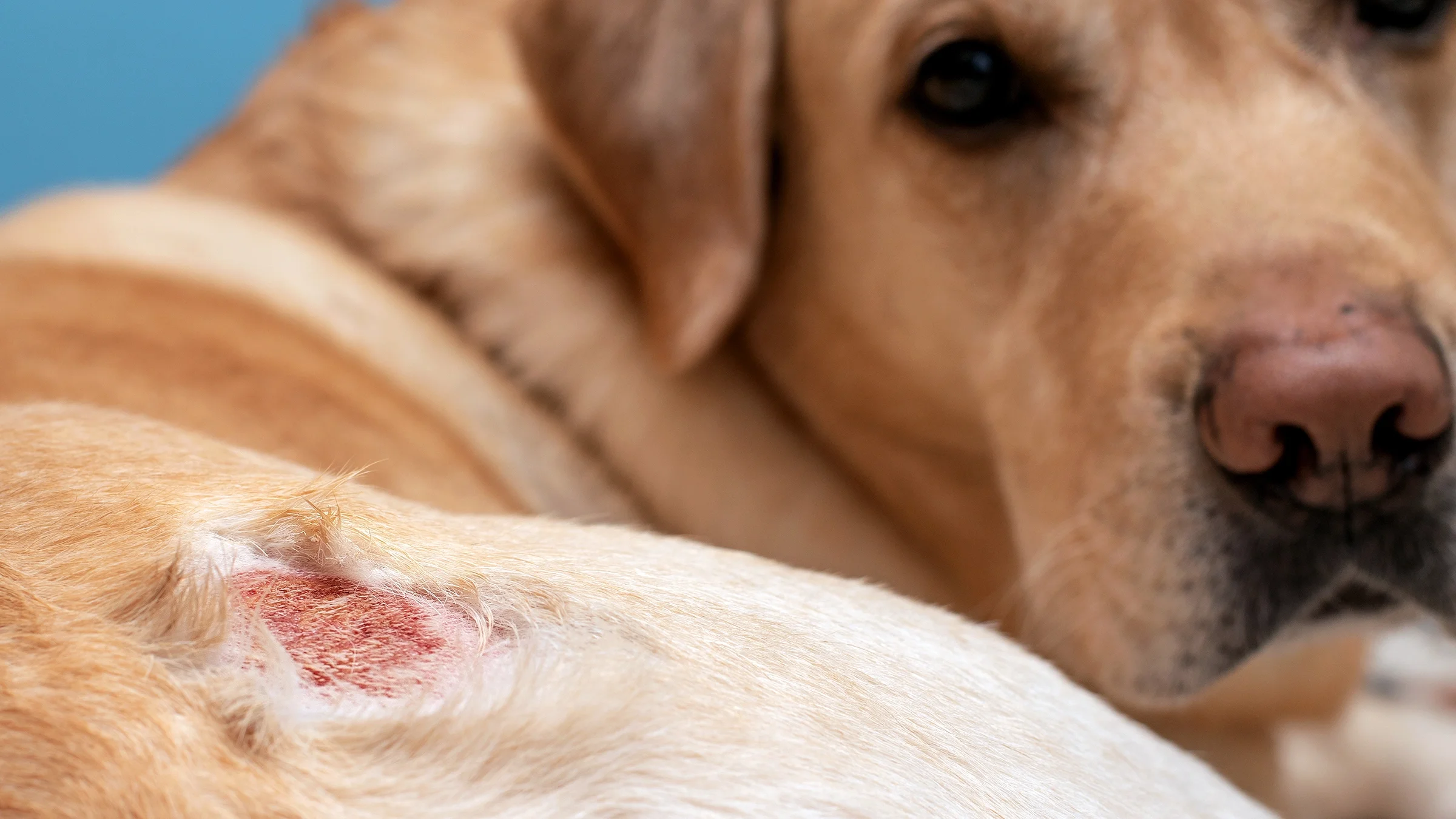
Hair loss paired with intense itching is another red flag. Your dog might develop bald patches where the fur has fallen out, often because they have scratched or bitten the infected area repeatedly.
Itching can cause your dog to become restless and uncomfortable, impacting their overall well-being. Have you noticed your dog grooming a spot obsessively or shaking their body to relieve irritation? These behaviors often point to infections lurking beneath the surface.
Respiratory And Digestive Indicators
Recognizing signs of infection in dogs is crucial for their health. Respiratory and digestive symptoms often hint at underlying issues. These indicators can range from mild to severe. It’s vital to observe these symptoms closely.
Coughing And Sneezing
Coughing and sneezing in dogs can signal respiratory infections. Frequent coughing may indicate kennel cough or other lung problems. Sneezing could be due to nasal infections or allergies. Watch for other signs like nasal discharge or wheezing.
Vomiting And Diarrhea
Vomiting and diarrhea often suggest digestive infections. Persistent vomiting can lead to dehydration. Diarrhea might indicate parasites or bacterial infections. Pay attention to the frequency and any accompanying lethargy.
Bad Breath And Oral Issues
Bad breath can be more than poor dental hygiene. It might signal infections or oral diseases. Check for swollen gums or excess drooling. These could indicate oral infections needing veterinary attention.
Credit: www.goodrx.com
Behavioral Changes To Watch
Dogs often show changes in behavior when they feel unwell. These shifts can be subtle or clear signs of infection. Paying attention to your dog’s actions helps spot health issues early. Watch for signs that differ from normal behavior.
Increased Irritability
A dog with an infection may become easily annoyed. Small noises or movements can trigger growling or snapping. This irritability often comes from pain or discomfort. Notice if your dog reacts more strongly than usual.
Excessive Licking Or Chewing
Dogs often lick or chew areas that hurt or itch. Excessive licking can cause redness or sores. This behavior may indicate an infection under the skin. Check your dog’s paws, ears, or other spots for damage.
Avoidance Of Physical Contact
Infected dogs might avoid hugs, petting, or touch. They may pull away or hide from people. This behavior shows they feel pain or weakness. Respect your dog’s space and monitor this change closely.
When To Visit The Vet
Knowing the right moment to visit the vet is crucial for your dog’s health. Some infections need quick treatment to avoid serious problems. Watching your dog’s symptoms closely helps decide when professional care is necessary.
Duration Of Symptoms
If symptoms last more than two days without improvement, see the vet. Persistent coughing, vomiting, or unusual discharge can signal a deeper issue. Early vet visits can prevent infections from worsening.
Severity And Spread Of Infection
Severe symptoms like high fever, swelling, or intense pain require immediate attention. Watch for infections spreading to other body parts. Rapid changes in your dog’s condition mean a vet visit is urgent.
Response To Home Care
If home treatments like cleaning or rest do not help, consult the vet. Avoid giving human medicines without advice. Professional care ensures proper diagnosis and treatment for your dog’s infection.

Credit: lavengel.com
Preventing Infections In Dogs
Preventing infections in dogs is essential for their health and happiness. Infections can cause discomfort and serious health problems. Taking simple daily steps helps keep your dog safe from many common infections.
Good care strengthens your dog’s natural defenses. Cleanliness, proper food, and regular vet visits all play a role. These habits reduce the chance of bacteria, viruses, and parasites causing harm.
Regular Grooming And Hygiene
Clean skin and fur stop germs from growing. Brush your dog often to remove dirt and loose hair. Bathing with mild shampoo keeps the coat fresh and healthy.
Check ears, eyes, and paws regularly. Dirt and moisture in these areas can cause infections. Trim nails to prevent injuries that invite bacteria.
Balanced Diet And Hydration
A healthy diet supports your dog’s immune system. Feed high-quality food rich in vitamins and minerals. Avoid sudden changes in diet to prevent stomach upset.
Fresh water must be available at all times. Proper hydration helps flush out toxins and supports all body functions. Poor nutrition and dehydration weaken the body’s ability to fight infections.
Vaccinations And Routine Checkups
Vaccines protect dogs from serious infectious diseases. Follow your vet’s recommended vaccination schedule. Keep records of all shots and boosters.
Regular checkups help catch infections early. Your vet can spot signs you might miss. Early treatment prevents minor issues from becoming serious.
Frequently Asked Questions
What Are Common Signs Of Infection In Dogs?
Common signs include redness, swelling, heat, and pain at the affected area. Dogs may also show lethargy, fever, or loss of appetite. Watch for unusual discharge or foul odor, which often signals infection. Early detection helps ensure timely treatment and recovery.
How Can I Check If My Dog Has A Skin Infection?
Look for redness, bumps, sores, or scabs on your dog’s skin. Excessive licking, scratching, or hair loss may also indicate infection. If the area feels warm or painful, consult your vet promptly to prevent worsening.
When Should I Take My Dog To The Vet For Infection?
Visit your vet if your dog shows persistent symptoms like fever, swelling, or discharge. Sudden changes in behavior, appetite, or mobility also require professional evaluation. Early vet visits help diagnose and treat infections effectively.
Can Dog Infections Cause Changes In Behavior?
Yes, infections often cause lethargy, irritability, or withdrawal in dogs. Pain and discomfort from infection make dogs less active or social. Behavioral changes signal underlying health issues needing veterinary attention.
Conclusion
Recognizing signs of infection in your dog helps keep them healthy. Watch for changes in behavior, appetite, or energy. Check for redness, swelling, or bad smells on their skin. Early action can prevent serious problems. Always consult a vet if you suspect an infection.
Staying alert protects your furry friend. Care and attention make a big difference. Keep your dog happy and safe every day.

Emily Barker is the founder of ChillDogLife.com, a space dedicated to helping pup parents discover the best dog products, lifestyle tips, and cozy ideas for happier homes.
A lifelong dog lover, Emily combines her passion for pets with a knack for research to share trusted recommendations on everything from toys and furniture to health and everyday care.
Her goal is simple: to make life easier, stylish, and more joyful for dogs and the people who love them.




