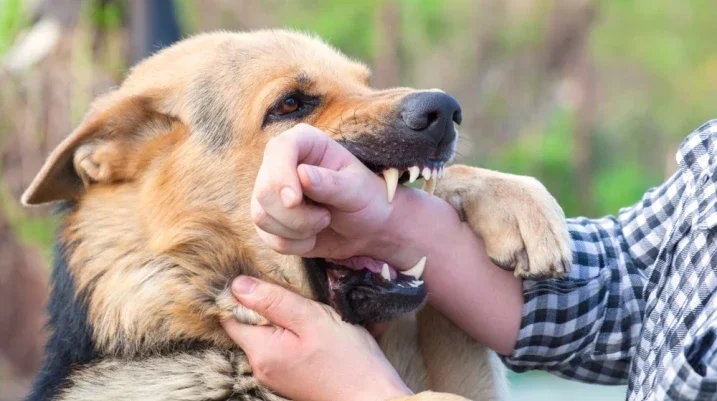
Have you ever wondered why your dog suddenly snaps or bites? Understanding dog biting behavior is key to keeping both you and your furry friend safe.
Whether your dog is a puppy learning boundaries or an adult showing signs of stress, knowing the reasons behind biting can help you prevent it before it happens. You’ll discover simple, clear insights that make it easier to spot warning signs and respond in the right way.
Keep reading, and you’ll gain the confidence to handle biting behavior calmly and effectively.
Why Dogs Bite
Dogs may bite for many reasons. Biting is a natural way they show fear, pain, or protect themselves.
Understanding why dogs bite helps owners keep themselves and their pets safe.
Common Triggers
Dogs bite when they feel scared or threatened. Loud noises, sudden movements, or strange people can trigger bites.
They may also bite if they are hurt or in pain. Protecting their food or toys can cause biting too.
- Fear or anxiety
- Pain or illness
- Protecting territory, food, or toys
- Surprise or sudden touch
- Stress or discomfort
Breed Tendencies
Some dog breeds have stronger bite tendencies. This depends on genetics and history of the breed.
Working or guarding breeds may bite more to protect their family or property. Training helps control this behavior.
- Guard dogs like German Shepherds may bite to protect
- Terriers might bite due to strong prey drive
- Companion breeds usually bite less often
- Training affects bite behavior in all breeds
Age And Development Factors
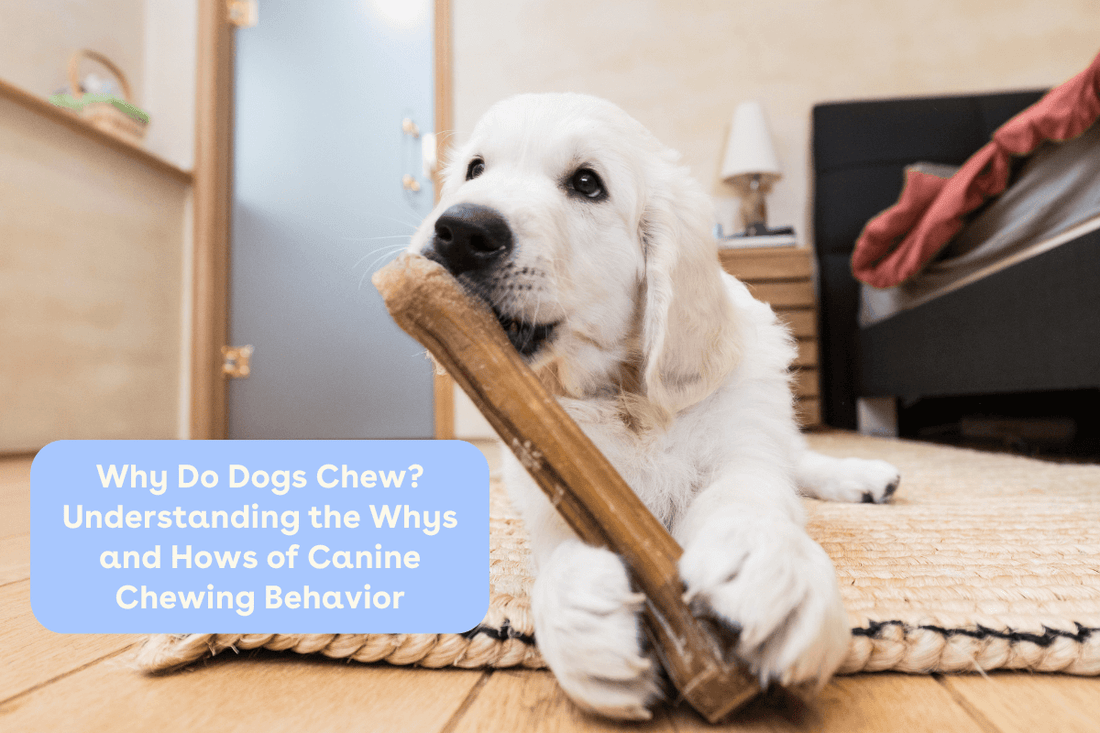
Puppies often bite to explore and play. They learn bite control as they grow up.
Adult dogs may bite if they feel threatened or are not well socialized. Older dogs can bite if in pain.
- Puppies bite during teething and play
- Young dogs test boundaries with biting
- Adult dogs bite mostly for defense
- Older dogs bite due to pain or confusion
Credit: pupford.com
Signs Of Aggression
Understanding dog biting behavior is important for safety. Recognizing signs of aggression can help prevent incidents. Dogs communicate their feelings through various cues.
Knowing what to look for in a dog's behavior can keep everyone safe. Here are some signs and cues that indicate a dog may be aggressive.
Body Language Cues
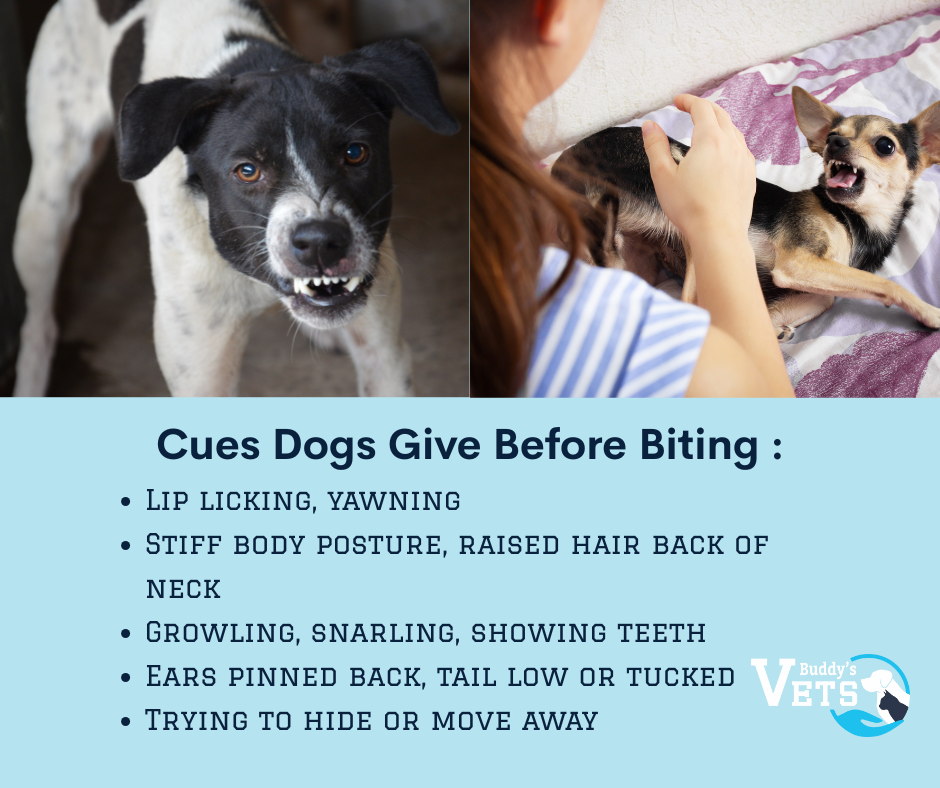
Dogs show aggression through their body language. It’s important to watch for certain cues. These signs can help identify when a dog feels threatened.
- Stiff tail or raised hackles
- Baring teeth or snarling
- Direct, intense eye contact
- Ears positioned forward or flat against the head
Vocalizations To Watch
Dogs use sounds to express their feelings. Aggressive dogs may use certain vocalizations. Listening carefully can provide clues about their mood.
- Low growling or barking
- Snapping or yelping sounds
- High-pitched whining or grumbling
Behavioral Patterns
Aggressive dogs often show specific behaviors. Understanding these patterns can help in managing their actions. This knowledge is key to preventing bites.
- Lunging or charging towards people or other animals
- Guarding toys, food, or territory
- Repeated attempts to bite or nip
Preventing Bites
Dog biting can cause serious injuries. Preventing bites helps keep people and pets safe.
Understanding dog behavior and using good care helps reduce biting risks.
Proper Socialization
Dogs that meet many people and animals early grow up friendly. Socialization lowers fear and aggression.
Start socializing puppies in safe places. Let them explore new sights and sounds gently.
- Introduce new people calmly
- Allow safe play with other dogs
- Expose to different environments
- Use treats to create positive experiences
Training Techniques
Training helps dogs understand what is okay. It teaches control and good behavior.
Use clear commands and reward good actions. Avoid harsh punishment that can cause fear.
- Teach basic commands like sit and stay
- Reward calm behavior with treats
- Practice bite inhibition exercises
- Redirect unwanted biting to toys
Safe Handling Practices
Handle dogs gently and watch their body language. This lowers chances of bites.
Never disturb dogs while eating or sleeping. Use safe tools when needed.
- Approach dogs calmly and quietly
- Do not touch a dog’s face or tail suddenly
- Use muzzles or leashes when necessary
- Teach children to respect dog space
Credit: www.forthepeople.com
Expert Solutions
Dog biting behavior can be concerning for any pet owner. Understanding the causes helps in finding the right solutions.
Several expert methods exist to manage and reduce biting safely and effectively.
Behavioral Therapy
Behavioral therapy focuses on changing a dog’s reactions. It teaches the dog to respond calmly to triggers that cause biting.
- Positive reinforcement rewards good behavior
- Desensitization reduces fear or aggression triggers
- Consistency helps dogs learn rules clearly
- Training sessions should be short and regular
Medical Interventions
Some biting behaviors come from health issues or pain. Medical treatment can be necessary to address these problems.
| Condition | Possible Treatment |
| Dental Pain | Dental cleaning or extraction |
| Neurological Issues | Medication or surgery |
| Skin Allergies | Antihistamines or special diet |
When To Consult A Professional
Seek expert help if biting is frequent or severe. Professionals can assess risks and create a safe plan.
Signs you need a professional:
- Uncontrolled aggressive biting
- Biting without clear cause
- Fear or anxiety that worsens
- Injury to people or other pets
Managing Bite Incidents
Dog bite incidents can be serious and need quick action. Managing these incidents properly helps keep everyone safe.
It is important to know what to do immediately, how to report the bite, and ways to prevent future bites.
Immediate Actions
First, stay calm and remove the dog from the area. Check the bite wound carefully to see how bad it is.
Clean the wound with soap and water. If the bleeding is heavy, apply pressure to stop it. Seek medical help right away.
- Keep the dog away from people
- Clean the wound gently
- Stop bleeding with clean cloth
- Call a doctor if needed
Reporting And Documentation
Report the bite to local animal control or health departments. This helps track the dog’s history and protects others.
Write down details about the incident. Include where it happened, the dog’s behavior, and any witnesses.
- Date and time of the bite
- Location of the incident
- Description of the dog
- Details about what led to the bite
- Names of witnesses
Long-term Strategies
Work with a professional trainer to manage aggressive behavior. Teach the dog good manners and social skills.
Make changes at home to prevent future bites. Use barriers and supervise the dog around people and children.
- Use positive training methods
- Socialize the dog safely
- Keep the dog on a leash in public
- Supervise children near the dog
- Provide safe spaces for the dog

Credit: buddysvets.com
Frequently Asked Questions
Why Do Dogs Bite Unexpectedly?
Dogs bite unexpectedly due to fear, pain, or feeling threatened. They may also react to stress or protect their territory. Understanding triggers helps prevent bites and ensures safe interactions with dogs.
How Can I Stop My Dog From Biting?
To stop biting, use positive reinforcement to reward gentle behavior. Socialize your dog early and provide chew toys. Avoid harsh punishments, as they can increase aggression.
When Is Dog Biting Considered Dangerous?
Dog biting is dangerous if it causes serious injury or occurs repeatedly. Aggressive bites need professional assessment to address underlying issues and prevent harm to others.
Can Puppy Biting Be Trained Out?
Yes, puppy biting can be trained out with consistent redirection and gentle correction. Teach bite inhibition by offering toys and stopping play if biting occurs.
Conclusion
Understanding dog biting behavior helps keep everyone safe and happy. Dogs bite for many reasons, like fear or pain. Watching their body language can prevent bites before they happen. Training and socializing your dog reduce biting chances. Always respond calmly and firmly to biting.
Teaching kids how to behave around dogs is important too. Patience and consistency make a big difference. Caring for your dog builds trust and stops biting. Remember, safety starts with you and your dog. Small steps lead to a peaceful home for all.

Emily Barker is the founder of ChillDogLife.com, a space dedicated to helping pup parents discover the best dog products, lifestyle tips, and cozy ideas for happier homes.
A lifelong dog lover, Emily combines her passion for pets with a knack for research to share trusted recommendations on everything from toys and furniture to health and everyday care.
Her goal is simple: to make life easier, stylish, and more joyful for dogs and the people who love them.




