
If you have an unneutered male dog, you might have noticed some behaviors that leave you puzzled or even frustrated. From marking territory to sudden aggression, these actions can affect your daily life and your bond with your pet.
Understanding why your dog acts this way is the first step to managing these behaviors effectively. Keep reading to discover what drives these instincts and how you can handle them to create a happier, calmer environment for both you and your dog.

Credit: www.reddit.com
Common Traits Of Unneutered Males
Unneutered male dogs show specific behaviors that are linked to their hormones. These traits can affect their daily life and how they interact with others.
Understanding these behaviors helps owners manage and train their dogs better. It also prepares them for challenges that may arise.
Increased Aggression Levels
Unneutered males often show more aggression than neutered dogs. This can be towards other dogs or sometimes humans.
Testosterone plays a big role in this aggressive behavior. It can cause fights or growling when the dog feels threatened.
Territorial Marking Habits
Unneutered males mark their territory more often by urinating on objects. This signals other dogs to stay away.
This marking can happen inside the house or outside. It can be hard to stop without training or neutering.
Roaming And Escape Attempts
Unneutered males have a strong urge to roam. They try to escape the yard to find females or explore.
This behavior can be dangerous as dogs may get lost or hurt. Secure fencing is important for these dogs.
Heightened Sexual Behavior
Unneutered males show strong sexual behaviors like mounting or humping. This is a natural response to hormones.
These behaviors can happen with other dogs, people, or objects. It may cause discomfort or embarrassment.
Dominance And Social Hierarchy
Unneutered males often try to assert dominance over other dogs. They want to be the leader in their group.
This can lead to fights or challenges with other dogs. Understanding this helps owners manage pack behavior.
Challenges In Training Unneutered Dogs
Training unneutered male dogs can be challenging. Their hormones often impact their behavior. Understanding these challenges helps in better training.
Unneutered dogs may show unique behavior patterns. This can make training them a bit more difficult compared to neutered dogs.
Distraction From Hormones
Unneutered male dogs have high hormone levels. These hormones can distract them during training sessions.
They might focus more on other dogs or smells. This makes it hard for them to pay attention to commands.
- Frequent sniffing breaks focus
- Attention drawn to other animals
- Difficulty in staying still
Resistance To Commands
Unneutered dogs can be stubborn. They may resist following commands, especially around other dogs.
This resistance can lead to longer training times. It requires patience and consistency.
- Ignoring basic commands
- Testing boundaries frequently
- Need for repeated instructions
Managing Aggressive Tendencies
Unneutered male dogs may show aggression. This can be a challenge during training sessions.
Aggression may appear towards other dogs or strangers. Training sessions must include managing this behavior.
- Growling at unknown dogs
- Protective of their territory
- Need for calm environments
Handling Marking And Roaming
Marking territory is common in unneutered dogs. They also have a tendency to roam.
This behavior can interrupt training. Consistent boundaries and supervision are key.
- Frequent stops for marking
- Attempts to wander away
- Need for leash training
Effective Training Techniques
Training an unneutered male dog takes patience and care. These dogs often show strong behaviors linked to hormones. Using the right training techniques helps guide them well.
Understanding how to train your dog effectively keeps him happy and safe. Focus on clear communication and consistent routines for best results.
Consistent Obedience Training
Consistency is key to teaching commands and expected behavior. Use the same words and gestures each time. Practice daily to build good habits.
Set clear rules and stick to them. Avoid letting your dog get away with bad behavior sometimes and not others. This helps prevent confusion.
Positive Reinforcement Methods
Reward your dog when he follows commands or behaves well. Rewards can be treats, praise, or playtime. This encourages good actions.
- Use small, tasty treats for quick rewards
- Give verbal praise with a happy tone
- Offer extra petting or play after good behavior
- Avoid punishment to keep training positive
Exercise And Mental Stimulation
Unneutered males have lots of energy. Exercise helps reduce restless behavior and anxiety. Mental tasks keep their minds sharp.
| Type of Exercise | Benefits |
| Daily walks | Burns energy, improves focus |
| Fetch games | Encourages active play |
| Puzzle toys | Challenges the brain |
| Training drills | Builds discipline and skills |
Socialization Strategies
Early socialization reduces aggression and fear. Expose your dog to different people, animals, and places in a calm way. Monitor his reactions closely.
Tips for socialization:
- Introduce new dogs slowly and on neutral ground
- Attend group training or puppy classes
- Use treats to reward calm behavior around others
- Keep initial meetings short and positive
Use Of Professional Trainers
Professional trainers bring experience with challenging behaviors. They can create custom plans for your dog’s needs. Trainers also teach owners how to respond correctly.
Look for trainers who use positive methods. This approach builds trust and respect between you and your dog.
Credit: southeastoakvillevet.ca
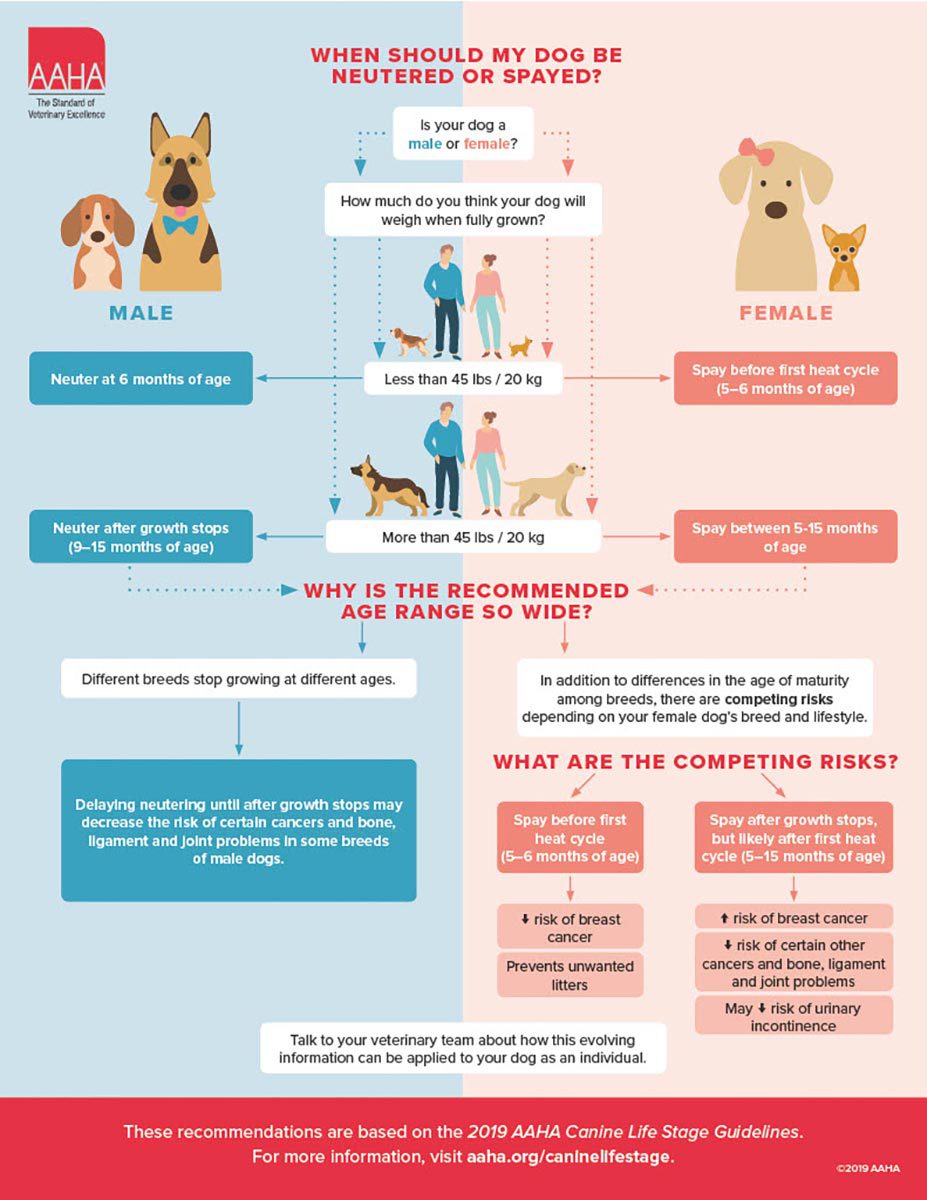
Health And Behavioral Benefits Of Neutering
Neutering male dogs can improve their health and behavior in many ways. It helps reduce unwanted actions and lowers health risks. Owners often see calmer pets after neutering.
This article explains key benefits of neutering unneutered male dogs. These include less aggression, better focus, and fewer health problems.
Reduction In Aggression
Neutering lowers the testosterone levels in male dogs. This hormone often causes aggressive behavior. After neutering, dogs tend to be less hostile to other dogs and people.
- Less fighting with other dogs
- Reduced marking and dominance behaviors
- Calmer reactions in stressful situations
Lower Risk Of Certain Diseases
Neutering helps prevent diseases that affect male dogs. It lowers the chances of testicular cancer and some prostate problems. This can lead to a longer, healthier life.
| Disease | Risk in Unneutered Dogs | Risk After Neutering |
| Testicular Cancer | High | None |
| Prostate Disease | Moderate | Low |
| Perianal Tumors | Possible | Rare |
Decrease In Roaming Behavior
Unneutered males often roam to find mates. Neutering reduces this urge. Dogs stay closer to home, which lowers the risk of accidents and getting lost.
Keeping dogs near home also helps protect them from fights and injuries. It makes daily life safer for both pets and owners.
Improved Focus During Training
Neutered dogs show better focus and learning ability. Without the strong drive to mate, they pay more attention during training. This helps owners teach commands and good behavior faster.
Some benefits of neutering on training include:
- Better attention span
- Less distraction by other dogs
- Calmer response to commands
- Quicker learning of new tasks
When To Seek Professional Help
Unneutered male dogs can show strong behaviors. Some behaviors are hard to manage at home. Knowing when to get help is important for safety and peace.
Not all behaviors need a professional. But some signs show a bigger problem. This guide helps you spot those signs.
Signs Of Severe Aggression
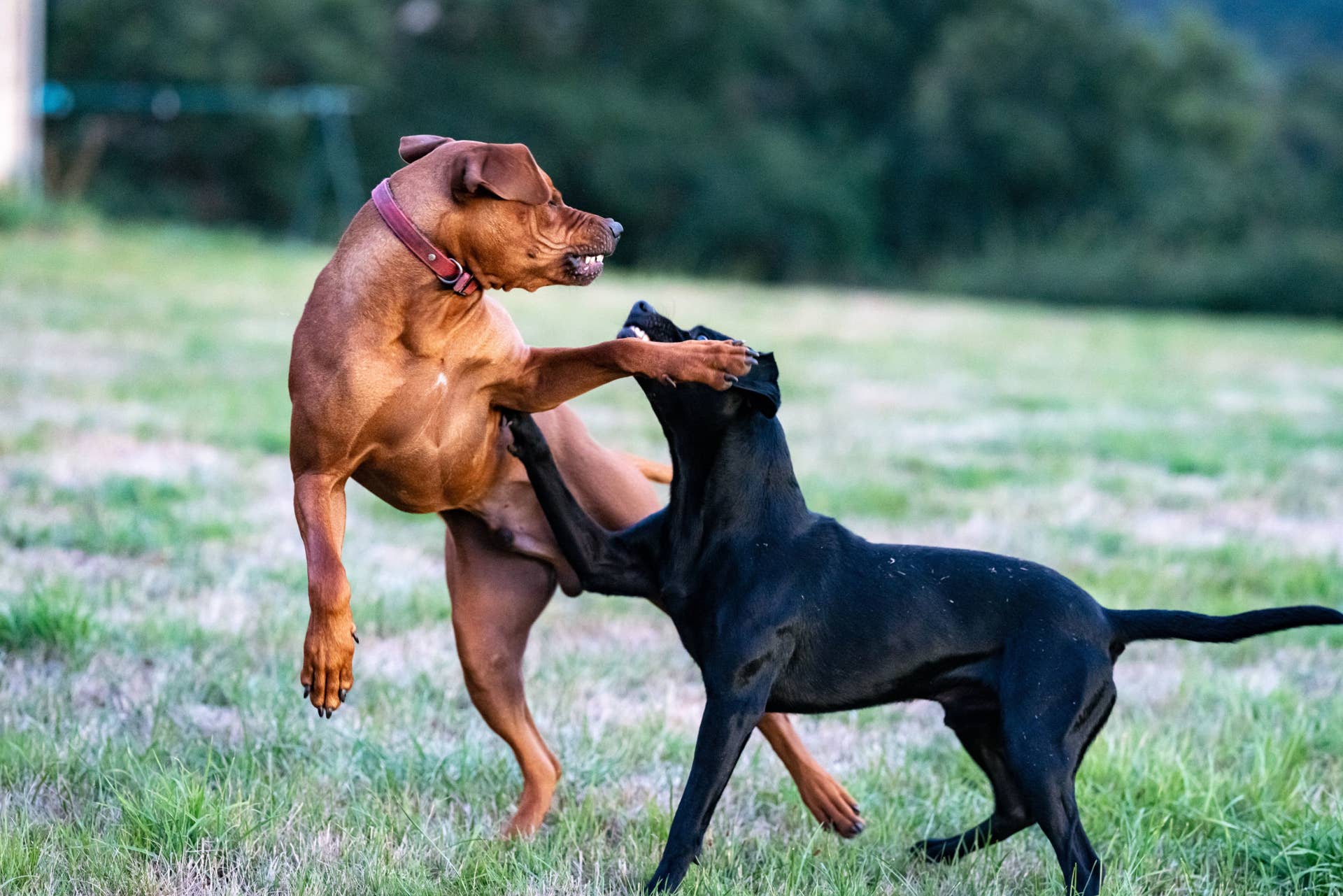
Severe aggression means your dog may attack people or other animals. This is dangerous and needs expert care. Aggression can include biting, lunging, or growling without stopping.
If your dog shows sudden aggressive behavior or it gets worse, seek help. A trainer or vet can assess and guide you.
Unmanageable Roaming
Unneutered males often want to roam to find mates. If your dog escapes often and you cannot keep him home, this is a concern. Roaming can lead to accidents or fights.
When you cannot control roaming with fences or commands, ask a professional. They can help with safe solutions and behavior training.
Persistent Marking Issues
Marking means your dog pees inside or on furniture to claim territory. This can be hard to stop in unneutered males. If marking happens daily or in many places, it is a problem.
Try training and cleaning, but if marking stays, get help. A trainer or vet can find ways to reduce marking.
Behavioral Problems Despite Training
Training helps most dogs behave well. If your unneutered male still shows bad behavior after training, get advice. Problems like jumping, biting, or disobedience may need expert help.
Professionals can check for health or hormonal issues. They may suggest special training or treatments to improve behavior.
Credit: pethelpful.com
Frequently Asked Questions
What Behaviors Are Common In Unneutered Male Dogs?
Unneutered males often show territorial marking, mounting, and increased aggression. They may also roam to find mates. These behaviors are driven by hormones like testosterone and can affect training and socialization.
How Does Unneutered Status Affect Dog Aggression?
Unneutered males are more prone to aggressive behavior, especially toward other males. Testosterone increases territorial instincts, leading to fights. Early neutering can reduce aggression and improve social interactions.
Why Do Unneutered Male Dogs Roam More Frequently?
Unneutered males have a strong urge to find females in heat. This causes them to roam far from home, risking injury or loss. Neutering reduces this instinct and helps keep dogs safer indoors.
Can Unneutered Dogs Cause Behavioral Challenges At Home?
Yes, unneutered males may display dominance, marking, and restlessness. These behaviors can disrupt household harmony and complicate training. Neutering often reduces these issues and promotes calmer behavior.
Conclusion
Unneutered male dogs often show strong behaviors. These can include marking, aggression, and roaming. Such actions come from natural instincts and hormones. Understanding these behaviors helps owners manage them better. Training and patience play key roles in good behavior. Neutering can reduce some unwanted actions but is a personal choice.
Every dog is unique and may act differently. Knowing what to expect makes dog care easier and more rewarding. Care and attention build a strong bond with your pet.

Emily Barker is the founder of ChillDogLife.com, a space dedicated to helping pup parents discover the best dog products, lifestyle tips, and cozy ideas for happier homes.
A lifelong dog lover, Emily combines her passion for pets with a knack for research to share trusted recommendations on everything from toys and furniture to health and everyday care.
Her goal is simple: to make life easier, stylish, and more joyful for dogs and the people who love them.




