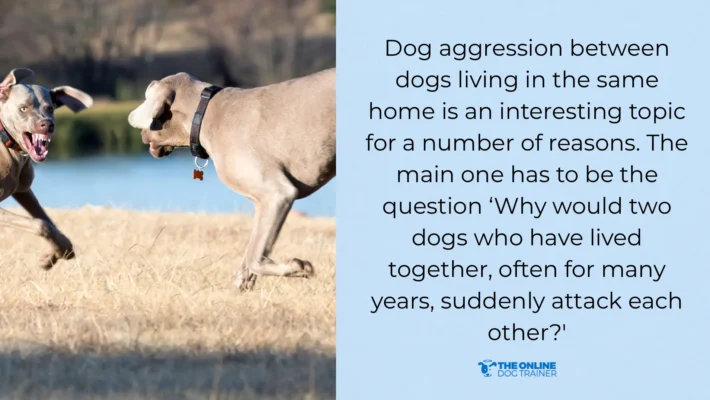
Is your dog showing signs of aggression, making walks stressful and your home tense? You’re not alone, and the good news is that you can change this behavior.
Understanding why your dog acts aggressively is the first step to calming their mind and creating a peaceful bond. You’ll discover simple, effective ways to stop aggressive behavior and bring back the happy, loving companion you know. Keep reading—your dog’s transformation starts here.
Causes Of Aggressive Behavior
Dogs may show aggressive behavior for many reasons. Understanding these causes helps owners manage and reduce aggression.
Some causes come from the dog’s nature, health, or environment. Learning about these factors is important for safety.
Genetics And Breed Traits
Some dog breeds have traits that make them more protective or territorial. These traits can lead to aggression if not managed.
Genetics play a role in behavior. Dogs from aggressive parents may also show aggression.
- Guard dog breeds may be naturally protective
- Some breeds have higher energy and can be more reactive
- Genetic history affects temperament
Environmental Factors
Where and how a dog lives affects its behavior. Stressful or unsafe environments can cause aggression.
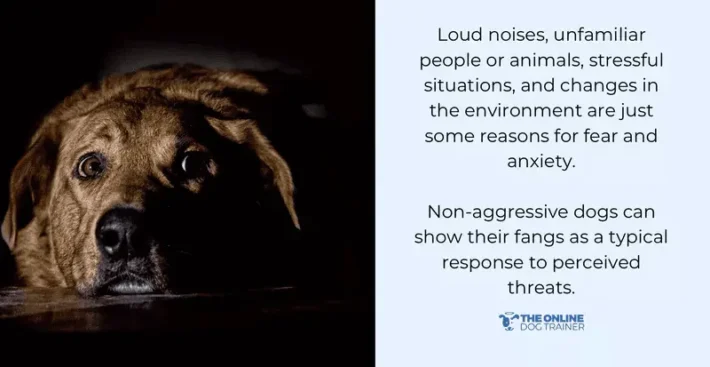
Loud noises, crowded spaces, or rough handling can make dogs fearful or defensive.
- Living in a noisy area can increase stress
- Poor training or inconsistent rules confuse dogs
- Fear from past abuse may cause defensive aggression
Health Issues
Sickness or pain can make dogs irritable. They may growl or snap when hurt.
Some medical problems can change behavior and cause aggression.
- Arthritis or injury causes pain and discomfort
- Neurological problems affect mood and control
- Hormone imbalances can increase irritability
Lack Of Socialization
Dogs not used to people or other animals may feel scared. Fear can lead to aggressive acts.
Early socialization helps dogs learn to be calm and friendly in new situations.
- Puppies need exposure to different people and animals
- Isolation can cause fear and frustration
- Proper socialization lowers chances of aggression
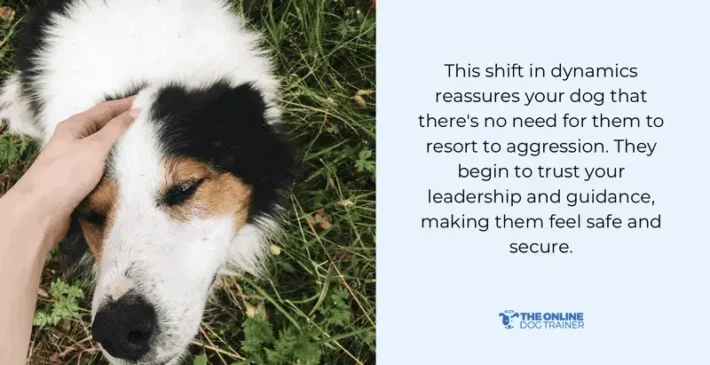
Credit: theonlinedogtrainer.com
Recognizing Warning Signs
Understanding your dog's behavior is key to preventing aggression. Recognizing warning signs early can help you take action before a situation escalates.
Learning to spot these signs will keep both your pet and others safe. Let’s explore the cues and situations that might indicate a problem.
Body Language Cues
Dogs communicate a lot through their body language. Paying attention can reveal much about their feelings.
- Raised hackles or fur
- Stiff tail or body
- Avoiding eye contact or staring
- Excessive yawning or licking lips
Vocalizations
Vocal signals are clear indicators of a dog’s mood. Knowing these sounds can help you respond appropriately.
- Growling as a warning
- Barking when feeling threatened
- Whining or crying when anxious
Trigger Situations
Certain situations can trigger aggressive behavior. Recognizing them can help you manage and prevent incidents.
| Situation | Potential Trigger |
| New environments | Fear of the unknown |
| Strangers | Protective instincts |
| Food or toys | Resource guarding |
Training Techniques To Reduce Aggression
Aggressive behavior in dogs can be dangerous and stressful. Training helps reduce this behavior safely.
Using the right techniques can calm your dog and make them more comfortable around others.
Positive Reinforcement
Positive reinforcement rewards good behavior with treats, praise, or play. It encourages dogs to repeat the behavior.
This method helps dogs learn to stay calm instead of showing aggression.
- Give a treat when the dog remains calm
- Use a happy voice to praise good behavior
- Ignore aggressive actions and reward peaceful ones
Desensitization And Counter-conditioning
Desensitization means slowly exposing the dog to things that trigger aggression. Do this at a low level.
Counter-conditioning changes the dog’s feelings about the trigger from bad to good. Use treats and calm words.
- Start with a trigger far away
- Reward calm behavior during exposure
- Gradually get closer to the trigger over time
Obedience Training
Teaching basic commands helps control your dog’s actions. Commands like “sit” and “stay” keep dogs focused.
Obedience training builds trust and makes dogs less likely to act aggressively.
- Practice commands daily in short sessions
- Use clear and consistent cues
- Reward compliance immediately
Credit: theonlinedogtrainer.com
Managing Aggression In Daily Life
Dogs can show aggression for many reasons. It is important to manage this behavior carefully. Daily routines can help reduce aggressive actions.
Safe handling and controlled exposure to triggers keep both dogs and people safe. Learning good habits is key to calm interactions.
Safe Walks And Controlled Socialization
Walks should be calm and predictable. Controlled socialization helps dogs get used to other dogs and people safely. This lowers fear and aggression.
- Keep your dog on a short leash during walks.
- Avoid crowded places until your dog is calm.
- Introduce your dog slowly to new dogs or people.
- Use positive rewards for calm behavior.
- Watch your dog’s body language closely.
Using Muzzles And Safety Equipment
Muzzles and safety gear protect everyone during times when aggression might happen. Proper use of these tools is safe and responsible.
| Equipment | Purpose | Tips |
| Basket muzzle | Allows panting and drinking | Use positive training to get dog used to it |
| Head halter | Gives control without hurting | Introduce gently and check fit often |
| Harness | Reduces pulling | Choose padded and well-fitting style |
| Leash | Keeps dog close | Use strong, short leash for control |
Avoiding Trigger Situations
Knowing what triggers your dog’s aggression helps you avoid those situations. This lowers stress and risks for your dog and others.
Common triggers include:
- Strange dogs or people approaching too fast
- Loud noises or sudden movements
- Being cornered or trapped
- Protecting food, toys, or space
Avoid these triggers by planning your dog’s routine carefully. Use calm, firm commands to keep control.
When To Seek Professional Help
Aggressive behavior in dogs can be dangerous for both the pet and the people around them. Some signs of aggression need expert attention. Knowing when to get professional help can keep everyone safe.
If your dog shows sudden aggression, bites, or cannot calm down, a professional can help. Early help can prevent the problem from getting worse.
Choosing A Behaviorist Or Trainer
Look for a qualified dog behaviorist or trainer with experience in aggression cases. They use safe and proven methods to change your dog's behavior.
A good professional will observe your dog and create a plan that fits your dog’s needs. Avoid trainers who use punishment or harsh techniques.
- Check certifications and experience
- Ask about their approach to aggression
- Look for positive reinforcement methods
- Read reviews from other dog owners
Veterinary Intervention
Sometimes, aggression results from health problems. A vet can check for pain, illness, or hormonal issues that cause aggression.
If your dog has sudden or unusual aggression, visit the vet first. Treating health issues can reduce aggressive behavior.
- Physical exam to find pain or injury
- Blood tests for hormone levels
- Neurological checks for brain issues
- Discuss behavior changes with the vet
Therapeutic Options
Therapy for aggressive dogs may include training, medication, or both. A professional will choose what fits your dog’s needs.
Therapy helps your dog learn to stay calm and control its reactions. Medication can help if the dog feels anxious or stressed.
- Behavior modification training
- Anti-anxiety or mood-stabilizing drugs
- Regular follow-up with professionals
- Safe environment to practice new skills
Preventing Aggression Before It Starts
Aggressive behavior in dogs can cause problems for owners and others. Stopping aggression early helps keep dogs calm and happy.
Using simple methods, you can help your dog avoid aggressive actions. These methods focus on care and training from a young age.
Early Socialization Tips
Socializing your dog when young helps it feel safe around people and other animals. This reduces fear and aggression later.
- Introduce your puppy to different people and dogs gently
- Let your dog explore new places calmly and safely
- Reward your dog with treats and praise for calm behavior
- Avoid scary or loud situations during early socialization
- Enroll in puppy classes to build positive experiences
Consistent Routine And Boundaries
Dogs need clear rules and a steady routine to feel secure. This helps prevent confusion and aggressive reactions.
| Routine Element | Example |
|---|---|
| Feeding Times | Same times every day |
| Walks | Daily, at regular hours |
| Training Sessions | Short and consistent |
| Rest Areas | Quiet and comfortable spot |
| Rules | No biting or jumping on people |
Regular Exercise And Mental Stimulation
Exercise helps your dog release energy and stay calm. Mental challenges keep its mind sharp and reduce boredom.
- Take daily walks or runs to burn energy
- Play fetch or tug-of-war for fun exercise
- Use puzzle toys to challenge your dog's brain
- Teach new commands or tricks regularly
- Rotate toys to keep interest high
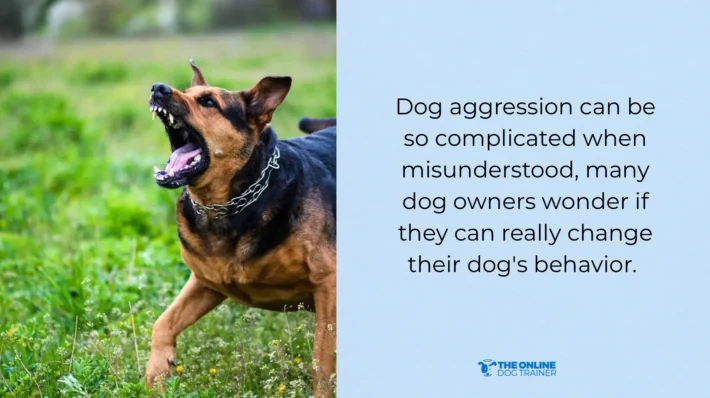
Credit: theonlinedogtrainer.com
Frequently Asked Questions
What Causes Aggressive Behavior In Dogs?
Aggressive behavior in dogs often stems from fear, pain, territorial instincts, or lack of socialization. Genetics and past trauma also influence aggression. Identifying the cause helps in applying the right training and treatment to manage or reduce aggression effectively.
How Can I Safely Approach An Aggressive Dog?
Approach an aggressive dog calmly and slowly, avoiding direct eye contact. Speak softly and avoid sudden movements. Give the dog space and watch its body language for signs of stress or aggression. If unsure, consult a professional trainer for guidance.
What Training Methods Reduce Dog Aggression?
Positive reinforcement training, consistent commands, and socialization reduce dog aggression. Avoid punishment, as it may worsen aggression. Use rewards like treats and praise to encourage calm behavior. Regular exercise and mental stimulation also help in managing aggressive tendencies.
When Should I Seek Professional Help For Dog Aggression?
Seek professional help if aggression causes injury, escalates, or affects daily life. A certified trainer or veterinary behaviorist can provide tailored behavior modification plans. Early intervention is crucial to prevent aggression from becoming a serious problem.
Conclusion
Stopping aggressive behavior in dogs takes patience and care. Consistent training helps your dog feel safe and calm. Reward good behavior to encourage positive changes. Avoid punishment, as it can make aggression worse. Understand your dog’s triggers and work to reduce stress.
Seek help from a professional trainer if needed. Small steps lead to big improvements over time. Remember, your dog wants to be happy and loved. Keep working gently, and you will see progress.

Emily Barker is the founder of ChillDogLife.com, a space dedicated to helping pup parents discover the best dog products, lifestyle tips, and cozy ideas for happier homes.
A lifelong dog lover, Emily combines her passion for pets with a knack for research to share trusted recommendations on everything from toys and furniture to health and everyday care.
Her goal is simple: to make life easier, stylish, and more joyful for dogs and the people who love them.




