
When your puppies leave their mother’s side, you might wonder how she will react. You’ve seen her care, protect, and nurture those tiny lives every day.
Now, with her pups gone, her behavior can change in ways that surprise you. Understanding what your mother dog is going through helps you support her better. Keep reading to discover what to expect and how you can help your dog adjust smoothly to this new chapter.
Changes In Mother Dog’s Routine
After puppies leave, mother dogs face many changes in their daily life. Their routine shifts as they adjust to the absence of their young ones. These changes affect feeding, sleep, and social behavior.
Understanding these changes helps owners support their dogs during this transition. The mother dog’s body and mind need time to adapt to the new normal.
Reduced Nursing And Feeding
Once puppies leave, the mother dog no longer needs to nurse. This reduces her food intake and changes her feeding schedule. Her appetite may decrease because she has fewer energy demands.
- Mother dog eats less than during nursing period
- Feeding times become more regular and less frequent
- She may lose weight if not fed properly
- Needs balanced diet to recover strength
Shifts In Sleep Patterns
The mother dog’s sleep changes after her puppies leave. She no longer needs to wake often to nurse or check on her pups. This leads to longer and deeper rest periods.
| Before Puppies Left | After Puppies Left |
| Short, frequent naps | Longer, uninterrupted sleep |
| Light sleep to monitor pups | Deeper sleep without interruptions |
| Active nights | Calmer nights |
Altered Social Interactions
Mother dogs change how they interact with people and other animals. They may seek more attention or become more independent. Their social behavior adapts as they no longer have puppies to care for.
Common social changes include:
- More time spent resting alone
- Seeking affection from owners
- Less protective or aggressive behavior
- Increased curiosity about surroundings

Credit: www.reddit.com
Emotional Responses After Weaning
After puppies leave, mother dogs may show different emotions. These changes are normal during this time.
Understanding their behavior helps in providing the needed care and comfort.
Signs Of Anxiety Or Depression
Mother dogs may feel anxious or sad after their puppies leave. This is part of their natural response.
- Loss of appetite
- Withdrawal from social interactions
- Excessive sleeping or lethargy
Increased Restlessness
Restlessness is common in mother dogs after weaning. They might search for their puppies.
Seeking Attention
Mother dogs often seek more attention when they miss their pups. They may follow owners around.
| Behavior | Possible Reason |
| Following you | Looking for comfort |
| Snuggling more | Needing warmth |
| Vocalizing | Expressing loneliness |
Physical Health Considerations
After puppies leave, a mother dog’s body needs time to heal. Her health must be watched closely. Caring for her helps her recover well.
Physical health affects her mood and energy. Knowing what to expect helps in giving the right care.
Uterine Involution And Recovery
Uterine involution means the uterus shrinks back to its normal size. This happens over several weeks. The mother may have some discharge during this time.
- Check for strong odor or heavy bleeding
- Keep her clean and dry
- Watch for signs of infection like fever or swelling
- Visit the vet if discharge lasts longer than a few weeks
Appetite And Weight Changes
Her appetite will change after puppies leave. At first, she may eat less than usual. Later, her appetite should return to normal.
| Time After Puppies Leave | Appetite Level | Weight Trend |
| First week | Lower | Possible slight loss |
| Two to four weeks | Increasing | Weight stabilizes |
| After one month | Normal | Maintains healthy weight |
Exercise Needs
Exercise helps the mother dog recover strength. Start with short walks. Avoid hard activities until she feels better.
- Begin with 5-10 minute walks daily
- Increase time gradually over weeks
- Avoid running or jumping early on
- Watch for tiredness or discomfort
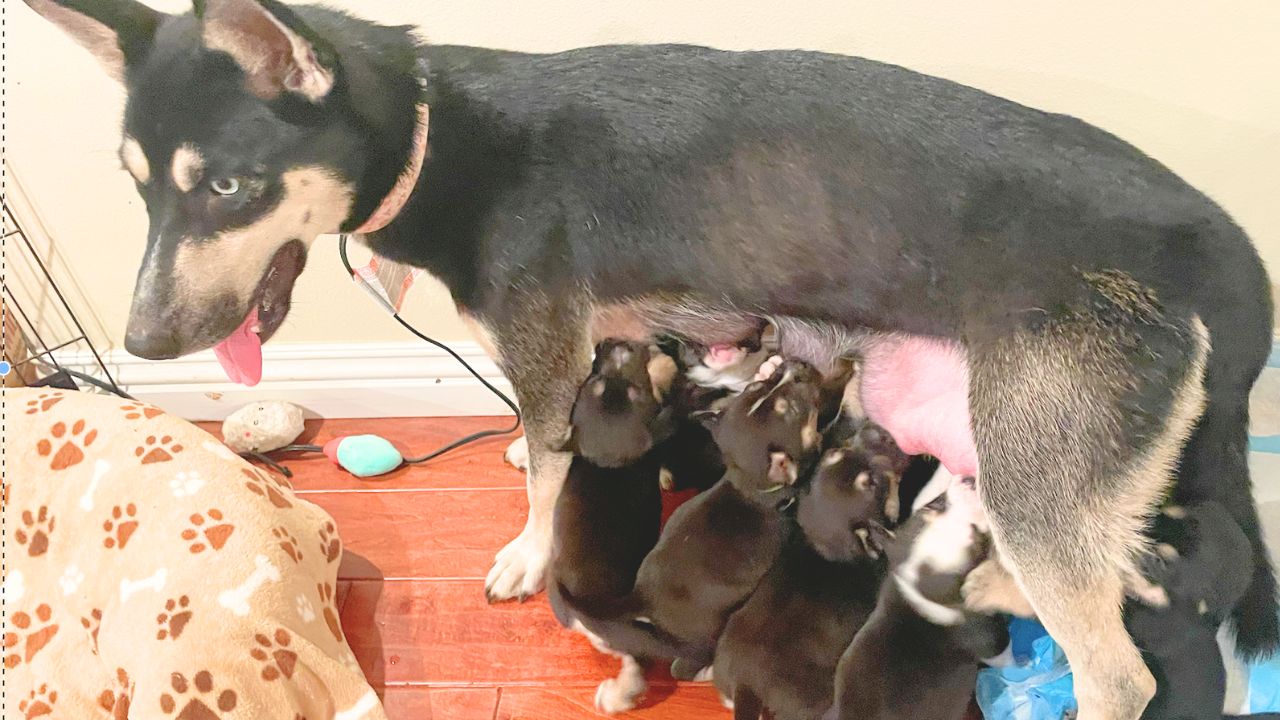
Credit: rockykanaka.com
Behavioral Changes To Watch
After puppies leave, mother dogs often show changes in behavior. These changes help them adjust to life without their puppies. Understanding these behaviors can help you care for your dog better.
Some behaviors may seem odd but are normal signs of the mother dog’s adjustment period. Watch for these signs to know how she is feeling.
Increased Vocalization
Mother dogs may bark, whine, or howl more after their puppies leave. This increased vocalization can mean she is calling for her puppies or feeling lonely.
Pay attention to when and how often she vocalizes. This helps you understand if she needs extra comfort or attention.
Nesting Or Searching Behavior
Some mother dogs keep looking for their puppies. They may sniff around or try to find a place to make a nest. This shows she is still caring for her pups in her mind.
This behavior can last a few days to a few weeks. Giving her a cozy, quiet spot can help her feel safe and calm.
Protectiveness
After the puppies leave, mother dogs may act more protective of their home or family. This is her way of guarding what she still cares about deeply.
She may watch people more closely or stay near you. Respect her space and show gentle care to help her feel secure.
Ways To Support The Mother Dog
After puppies leave, mother dogs need care and attention. Supporting her helps her stay healthy and happy.
This guide explains how to provide comfort, keep routines steady, and encourage play and exercise.
Providing Comfort And Security
Mother dogs may feel lonely or anxious after their puppies leave. Giving them a calm, safe space helps them relax.
- Keep her bedding clean and cozy
- Offer a quiet room away from noise
- Spend extra time petting and talking gently
- Provide familiar toys or blankets
Maintaining A Consistent Routine
Dogs thrive with steady routines. Keep feeding, walking, and bedtime times the same as before.
| Activity | Recommended Time |
| Morning Walk | 7:00 AM |
| Feeding | 8:00 AM and 6:00 PM |
| Evening Rest | 9:00 PM |
Engaging In Play And Exercise
Play and exercise keep the mother dog active and reduce stress. Use gentle games and short walks.
Try these activities:
- Throw a soft ball for her to chase
- Use a tug toy for light play
- Take 10 to 15 minute walks daily
- Allow sniffing and exploring during walks
When To Seek Veterinary Advice
After puppies leave their mother, her behavior may change. Most changes are normal as she adjusts. Some signs show she needs help from a vet.
It is important to watch her closely. Knowing when to get veterinary advice keeps her healthy and safe.
Signs Of Illness Or Distress
A mother dog may show illness after her puppies leave. These signs mean she might be sick or in pain. Seek help if you see these signs early.
- Loss of appetite for more than a day
- Unusual tiredness or weakness
- Fever or very hot nose
- Vomiting or diarrhea lasting over 24 hours
- Labored or fast breathing
- Excessive whining or restlessness
Persistent Behavioral Issues
Some behavior changes are normal but some need attention. If the mother dog acts very different for many days, a vet should check her.
Persistent issues can include anxiety or aggression. These may mean she is not feeling well or is stressed.
- Refusing to eat for several days
- Excessive licking or biting herself
- Constant pacing or hiding
- Unusual aggression towards people or other pets
- Depression or refusal to interact
Physical Complications
After puppies leave, some mother dogs can have physical problems. These issues need prompt veterinary care to avoid serious harm.
Look for swelling, discharge, or pain in her body. These signs can mean infection or injury.
- Swelling or redness in the mammary glands
- Bad-smelling discharge from the nipples
- Warm or painful areas on her belly
- Bleeding or wounds that do not heal
- Difficulty walking or standing

Credit: pethelpful.com
Frequently Asked Questions
How Does A Mother Dog Behave After Puppies Leave?
After puppies leave, a mother dog often shows signs of calmness and rest. She may also seek more attention from her owner and regain her usual energy levels as her maternal duties decrease.
Does Mother Dog Miss Her Puppies After Separation?
Yes, mother dogs can miss their puppies. They might appear restless or search for them briefly. However, this behavior usually fades within a few days as they adjust to their new routine.
How To Support A Mother Dog Post-weaning?
Provide extra affection and playtime to keep her engaged. Maintain a regular feeding schedule and ensure she gets enough rest. This support helps her transition smoothly after her puppies leave.
What Emotional Changes Occur In Mother Dogs Post-puppy Departure?
Mother dogs may experience mild anxiety or sadness initially. They could be quieter and less active. These emotional changes usually improve as they adapt to a quieter environment.
Conclusion
A mother dog’s behavior changes after her puppies leave. She may seem quieter or less active. Some dogs look for their puppies or seem lonely. This is normal and shows her strong bond. Give her extra love and attention during this time.
Watch for signs of stress or sadness. With care, she will adjust and feel better soon. Remember, patience helps her heal and stay happy. Each dog is different, so respect her unique needs.

Emily Barker is the founder of ChillDogLife.com, a space dedicated to helping pup parents discover the best dog products, lifestyle tips, and cozy ideas for happier homes.
A lifelong dog lover, Emily combines her passion for pets with a knack for research to share trusted recommendations on everything from toys and furniture to health and everyday care.
Her goal is simple: to make life easier, stylish, and more joyful for dogs and the people who love them.




