If you have a dog, you probably want to keep them safe and healthy. One important way to do that is by making sure they get their rabies vaccine on time.
But how often should your dog get this vaccine? It’s a question many dog owners wonder about. Getting it right can protect your furry friend from a deadly disease and keep your family safe too. Keep reading, and you’ll discover exactly when your dog needs their rabies shot and why sticking to the schedule matters more than you might think.
Rabies Vaccine Basics
Understanding the basics of the rabies vaccine is essential for every dog owner. Vaccinating your dog protects not only your pet but also your family and community from this deadly disease. Let’s break down what rabies is and why vaccinating your dog is so important.
What Is Rabies?
Rabies is a viral disease that affects the brain and spinal cord of mammals, including dogs and humans. It is almost always fatal once symptoms appear. The virus spreads through the saliva of infected animals, usually via bites.
Have you ever wondered how quickly this virus can turn a playful dog into a danger to others? That’s why quick prevention is critical.
Importance Of Vaccination
Vaccinating your dog against rabies is the most effective way to prevent this fatal disease. It creates immunity, so if your dog is exposed to the virus, their body can fight it off. This not only saves your dog’s life but also reduces the risk of transmission to humans and other animals.
Imagine the peace of mind you feel knowing your dog is protected. Many local laws also require rabies vaccination, so keeping your dog up to date can prevent legal troubles.
- Protects your dog from a deadly disease
- Prevents the spread of rabies to humans and other animals
- Meets legal requirements in many areas
- Helps avoid costly quarantine or medical expenses
Credit: www.carecredit.com
Vaccination Schedule
Understanding the vaccination schedule is vital for your dog’s health. Rabies is a serious disease with no cure. Vaccination is the best protection. It’s crucial to follow a proper vaccination timeline. This ensures your dog remains safe and healthy.
Puppy Vaccination Timeline
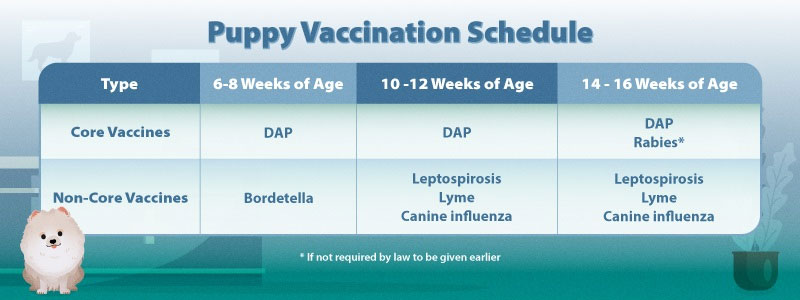
Puppies need their first rabies vaccine at 12 weeks old. This helps build immunity early. Consult your vet about the best time for this vaccine. Some areas may have different age requirements. Always adhere to local laws regarding rabies vaccination.
Adult Dog Booster Shots
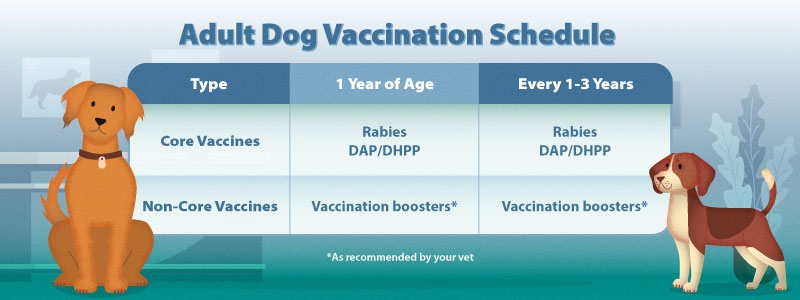
Adult dogs require booster shots to maintain immunity. The booster is typically given every one to three years. The timing depends on the vaccine type used. Your vet will provide the best schedule for your dog’s needs. Keeping up with boosters ensures long-term protection.
Factors Influencing Frequency
Several factors play a role in deciding how often your dog should receive the rabies vaccine. These elements vary widely depending on where you live and your dog’s individual circumstances. Understanding these factors helps you make informed decisions for your pet’s health and safety.
Local Laws And Regulations
Each region sets its own rules about rabies vaccination schedules. Some areas require annual shots, while others allow three-year intervals after the initial doses. It’s essential to check your local government’s requirements because failing to comply can lead to fines or legal trouble.
Have you ever wondered why some neighbors vaccinate their dogs more often than you do? The answer usually lies in these local laws. Municipalities with higher rabies risks often enforce stricter vaccination rules to protect public health.
Dog’s Health And Lifestyle
Your dog’s health status influences how frequently they should get vaccinated. Dogs with weakened immune systems or chronic illnesses might need tailored vaccination plans to avoid adverse reactions.
Consider your dog’s lifestyle too. Dogs that roam freely, interact with many other animals, or live in rural areas with wildlife exposure may require more frequent vaccinations. On the other hand, indoor dogs with limited exposure might not need boosters as often.
Think about your dog’s daily routine. Does your dog visit parks, boarding facilities, or doggy daycare? These environments increase exposure risk and could affect vaccination frequency. Discuss these details with your vet to create the best plan for your furry friend.

Credit: ccdogdaycare.com
Side Effects And Risks
Vaccinating your dog against rabies is vital for their health and safety. Like all vaccines, the rabies shot may cause some side effects or risks. Understanding these helps you care for your dog better after vaccination.
Common Reactions
Most dogs handle the rabies vaccine well. Some mild reactions may appear, such as:
- Swelling or soreness at the injection site
- Mild fever for a day or two
- Decreased appetite or slight tiredness
- Sneezing or coughing if given as a nasal vaccine
These symptoms usually go away within 24 to 48 hours without treatment.
When To Contact A Vet
Serious reactions are rare but possible. Contact your vet if your dog shows:
- Difficulty breathing or wheezing
- Severe vomiting or diarrhea
- Swelling of face, lips, or eyes
- Collapse or weakness lasting more than an hour
- High fever or persistent lethargy
Early vet care can prevent complications and keep your dog safe.
Vaccination Records And Proof
Keeping accurate vaccination records for your dog is crucial for many reasons. These documents not only confirm your pet’s health status but also serve as official proof when needed. Having organized records can save you time, stress, and even money down the road.
Keeping Track
Maintaining a clear and accessible vaccination record helps you stay on top of your dog’s rabies vaccine schedule. You can create a simple folder, either physical or digital, dedicated solely to your pet’s health documents. Include the date of each vaccination, the type of vaccine used, and the vet’s contact details.
Imagine arriving at the vet and not remembering when your dog last received the rabies shot. Having that information handy ensures your dog stays protected without unnecessary repeat vaccinations. Do you know where your dog’s vaccination card is right now?
Travel And Boarding Requirements
Many travel destinations and boarding facilities require proof of a current rabies vaccination before allowing your dog entry. Without proper documentation, your plans can quickly be derailed. Always check the vaccination requirements of airlines, hotels, or kennels well ahead of time.
When I once took my dog on a trip, I nearly missed a flight because I forgot to bring his vaccination records. It was a stressful lesson on the importance of carrying these papers. Could a small oversight like this cause you to miss an important trip or boarding opportunity?
Alternatives And Advances
Rabies vaccination is essential for your dog’s health, but the ways vaccines are developed and delivered continue to improve. Alternatives and advances in rabies vaccines offer fresh options that could change how often your dog needs a shot and how it’s given. Understanding these new developments can help you make smarter choices for your pet’s care.
New Vaccine Developments
Scientists are working on rabies vaccines that last longer, meaning fewer booster shots for your dog. Some newer vaccines use advanced technology to trigger a stronger immune response. This can extend protection beyond the traditional one-year or three-year schedules.
For example, recombinant rabies vaccines are becoming more common. These vaccines use parts of the virus’s genetic material, which can be safer and more effective. Have you ever wondered if your dog could get vaccinated less often without risking their health? These advancements make that a real possibility.
Non-injection Options
Needle fear isn’t just a problem for humans—many dogs dread shots too. That’s why researchers are exploring non-injection rabies vaccines. Oral vaccines, delivered through treats or baits, are already used in wildlife to control rabies outbreaks.
Though still limited for pets, oral rabies vaccines might soon be an option for your dog. This method is less stressful and can be easier to administer, especially for nervous or aggressive dogs. Would you feel more comfortable giving your dog a tasty treat than a shot?
Credit: www.carecredit.com
Frequently Asked Questions
How Often Should Dogs Get Rabies Vaccine?
Dogs should get a rabies vaccine every one to three years. The exact schedule depends on local laws and the vaccine type. Puppies usually get their first vaccine at 12 to 16 weeks old, followed by a booster within a year.
Why Is Rabies Vaccination Important For Dogs?
Rabies vaccination protects dogs from a fatal viral disease. It also prevents transmission to humans and other animals. Vaccinated dogs are legally allowed in public places and travel more easily.
Can Rabies Vaccine Frequency Vary By Location?
Yes, rabies vaccine frequency can vary depending on state and country laws. Some regions require annual vaccination, while others allow boosters every three years. Always check local regulations for compliance.
What Are The Risks Of Skipping Rabies Vaccination?
Skipping rabies vaccination risks your dog's health and public safety. Unvaccinated dogs can contract and spread rabies, a deadly disease. You may also face legal penalties or fines for non-compliance.
Conclusion
Keeping your dog’s rabies vaccine up to date protects both your pet and your family. Most dogs need the vaccine every one to three years, depending on local laws and vet advice. Regular vet visits help track your dog’s vaccine schedule.
Stay informed and follow your vet’s guidance closely. Protecting your dog from rabies is simple with timely vaccines. A healthy dog means peace of mind for you. Don’t skip these important shots—they save lives.

Emily Barker is the founder of ChillDogLife.com, a space dedicated to helping pup parents discover the best dog products, lifestyle tips, and cozy ideas for happier homes.
A lifelong dog lover, Emily combines her passion for pets with a knack for research to share trusted recommendations on everything from toys and furniture to health and everyday care.
Her goal is simple: to make life easier, stylish, and more joyful for dogs and the people who love them.




