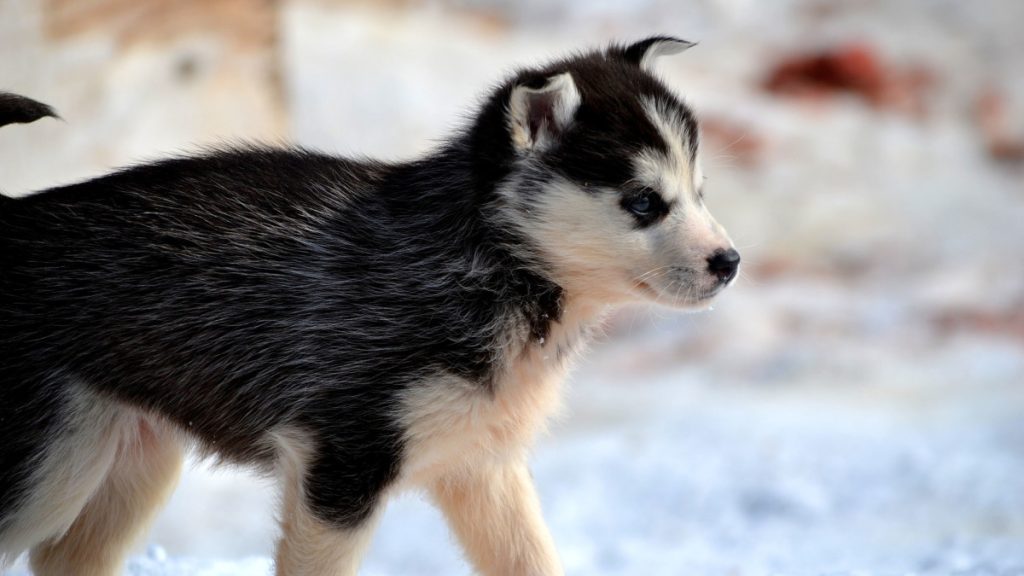
Bringing a Siberian Husky puppy into your home is exciting, but it also comes with challenges. If you want your furry friend to grow into a well-behaved, happy dog, training is key.
You might wonder where to start or how to handle their high energy and stubborn streak. This guide gives you simple, effective tips that make training easier and more fun for both of you. Stick with me, and you’ll discover how to build a strong bond with your puppy while shaping good habits from day one.
Ready to turn your lively pup into a smart, obedient companion? Let’s dive in!
Choosing The Right Supplies
Training a Siberian Husky puppy requires the right supplies to keep them safe and happy. Good tools help you teach your puppy new skills.
Selecting the correct items makes training easier and more effective. It also protects your puppy during learning sessions.
Essential Puppy Gear
Start with basic gear that fits your puppy’s size and strength. Choose items that last and are easy to clean.
- Comfortable collar or harness
- Leash that is strong but light
- Durable food and water bowls
- Soft bedding for rest
- Safe chew toys to prevent boredom
Safe Training Tools
Use tools that support gentle training. Avoid items that cause pain or fear.
| Tool | Purpose | Safety Tip |
| Flat collar | Everyday walking | Ensure it is snug but not tight |
| Harness | Better control without neck strain | Check for proper fit to avoid chafing |
| Leash | Control during walks | Use 4 to 6 feet for close control |
| Clicker | Positive reinforcement | Use with treats and praise |
| Training treats | Reward good behavior | Choose small, healthy pieces |
Setting Up A Routine
Training a Siberian Husky puppy needs a steady routine. It helps your puppy learn faster and feel safe.
A good routine builds trust and good habits for your puppy’s whole life.
Consistent Feeding Schedule
Feed your puppy at the same times every day. This helps their digestion and energy levels stay steady.
- Feed in the morning and evening
- Use the same type of food each day
- Measure food to avoid overfeeding
- Keep fresh water available all the time
Regular Potty Breaks
Take your puppy outside often to prevent accidents. Puppies have small bladders and need frequent breaks.
| Time | Potty Break Reason |
| After waking up | Puppy needs to relieve itself |
| After meals | Helps digestion and potty training |
| Before bedtime | Prevents accidents overnight |
| Every 2 hours | Regular potty practice |
Basic Commands To Start
Training a Siberian Husky puppy is easier with simple commands. Start early to build good habits.
Basic commands help your puppy understand what you expect. They make daily life safer and calmer.
Sit And Stay
Teaching your puppy to sit and stay helps control their behavior. It is useful in many situations.
To teach sit, hold a treat above their nose. Move the treat back so they sit. Say “sit” and give the treat.
- Use a calm voice
- Reward immediately
- Practice in quiet places first
- Gradually add distractions
For stay, ask your puppy to sit first. Show your open palm and say “stay.” Step back slowly. Reward if they stay.
Come When Called
Calling your puppy to come keeps them safe. It helps you control your dog outside and around other animals.
Use a happy voice and say your puppy’s name followed by “come.” Reward with treats and praise when they come.
- Start indoors with few distractions
- Use a leash for control
- Make coming fun and rewarding
- Practice often for best results

Credit: www.reddit.com
House Training Techniques
Training a Siberian Husky puppy to behave well inside the house takes patience and care. House training helps your puppy learn where to go to the bathroom and how to avoid accidents inside.
Using the right methods can make the process easier for both you and your puppy. Below are some tips on crate training and how to manage accidents.
Crate Training Benefits
Crate training gives your puppy a safe and cozy space. It helps build good habits and reduces accidents.
- Creates a quiet place for rest and comfort.
- Prevents the puppy from wandering and making messes.
- Helps the puppy learn to hold its bladder.
- Makes travel and vet visits less stressful.
- Supports a regular feeding and bathroom schedule.
Accident Management
Accidents are normal during house training. How you handle them affects your puppy’s learning.
| Do | Don’t |
| Clean the area with pet-safe cleaner | Use ammonia-based products |
| Stay calm and patient | Scold or punish the puppy |
| Take puppy outside often | Ignore signs of needing to go |
| Reward good bathroom habits | Force the puppy to stay near accident spots |
| Watch for signs like sniffing or circling | Leave the puppy alone for long periods |
Socializing Your Puppy
Socializing your Siberian Husky puppy helps them grow into a confident dog. It teaches them how to behave around new people and animals.
Start socializing early to avoid fear and aggression later. Make each new experience positive and calm.
Introducing New People
Introduce your puppy to different people gently and slowly. This helps them get used to strangers and friends alike.
- Let people offer treats to your puppy
- Keep meetings short and calm
- Use a soft voice when talking to your puppy
- Avoid forcing your puppy to approach anyone
- Watch your puppy’s body language for signs of stress
Meeting Other Dogs
Meeting other dogs is important for learning social skills. Choose calm, friendly dogs for first meetings.
| Tip | Why It Helps |
| Meet in neutral places | Reduces territorial behavior |
| Keep dogs on leash | Controls interaction safely |
| Watch for play signals | Ensures friendly behavior |
| End play if growling or snapping | Prevents fights |
| Reward good behavior | Encourages calm play |

Credit: www.amazon.com
Handling Common Challenges
Training a Siberian Husky puppy can be tough. They have strong personalities and lots of energy.
Some common challenges include chewing and high energy levels. You need clear ways to manage these behaviors.
Managing Chewing Habits
Siberian Huskies love to chew. It helps them explore and relieve teething pain. But chewing the wrong things can cause trouble.
- Provide safe chew toys to keep your puppy busy.
- Keep shoes and cords out of reach.
- Use bitter sprays on furniture to stop chewing.
- Praise your puppy when it chews toys, not things.
- Supervise your puppy to catch chewing early.
Addressing Excess Energy
Siberian Huskies have lots of energy. Without enough exercise, they can become restless and naughty.
| Activity | Purpose | Duration |
| Daily Walks | Burn energy | 30-60 minutes |
| Playtime | Engage mind and body | 15-30 minutes |
| Training Sessions | Focus energy | 10-15 minutes |
| Fetch Games | Exercise and fun | 15-20 minutes |
Positive Reinforcement Tips
Training a Siberian Husky puppy with positive reinforcement helps build trust and good behavior. This method rewards your puppy for good actions instead of punishing bad ones.
Using kind words, treats, and playtime encourages your puppy to learn faster and enjoy training sessions.
Reward Systems
Reward systems use treats, praise, and toys to motivate your Husky. Different puppies like different rewards, so find what works best for yours.
- Give small, tasty treats immediately after a good behavior.
- Use happy and encouraging words to praise your puppy.
- Offer playtime or favorite toys as a reward for following commands.
- Keep training sessions short and fun to keep your puppy interested.
- Be consistent with rewards to help your puppy understand what you want.
Avoiding Punishments
Avoid punishments like yelling or hitting. These can scare your puppy and cause fear or aggression.
| Negative Action | Effect on Puppy |
| Yelling | Increases fear and anxiety |
| Physical punishment | Causes pain and mistrust |
| Ignoring bad behavior | Helps puppy learn without fear |
| Redirecting attention | Teaches correct actions calmly |
Exercise Needs For Huskies
Siberian Huskies have high energy levels. They need plenty of daily exercise to stay healthy and happy.
Without enough activity, Huskies can become bored and restless. This can lead to unwanted behaviors.
Daily Activity Ideas
Regular walks and runs help Huskies burn off energy. Try to give them at least one hour of exercise every day.
- Take your Husky for brisk walks twice a day
- Allow safe off-leash play in a fenced area
- Engage in fetch or tug-of-war games
- Try agility training to improve fitness and focus
- Use a bike leash for jogging alongside your bike
Mental Stimulation Games
Mental exercise is just as important as physical activity. It keeps your Husky’s mind sharp and reduces boredom.
| Game | How It Helps |
| Hide and Seek | Improves scent tracking and focus |
| Puzzle Toys | Challenges problem-solving skills |
| Training Commands | Strengthens obedience and attention |
| Tug of War | Builds strength and interactive play |
| Find the Treat | Enhances nose work and curiosity |
Health And Wellness Basics
Keeping your Siberian Husky puppy healthy starts with good care. Regular attention helps avoid sickness and keeps your puppy happy.
This guide covers vet visits and grooming tips to help you care for your puppy well.
Regular Vet Visits
Schedule vet visits to check your puppy’s health. Vets give vaccines and spot early signs of illness. Keep a record of all visits and shots.
- Start vet visits at 6 to 8 weeks old
- Follow vaccination schedule recommended by vet
- Check for parasites like fleas and ticks
- Ask vet about proper diet and exercise
- Bring your puppy for yearly health exams
Grooming Essentials
Grooming keeps your puppy clean and comfortable. Siberian Huskies shed a lot, so regular brushing helps.
| Grooming Task | Frequency | Purpose |
|---|---|---|
| Brushing | Several times a week | Remove loose fur and prevent matting |
| Bathing | Every 1-2 months | Clean skin and coat |
| Nail trimming | Every 3-4 weeks | Prevent nail overgrowth and injury |
| Ear cleaning | Weekly | Stop infections and remove dirt |
| Teeth brushing | 2-3 times a week | Keep teeth healthy and avoid bad breath |

Credit: www.audible.com
Frequently Asked Questions
How Early Should I Start Training A Siberian Husky Puppy?
Start training your Siberian Husky puppy as early as 8 weeks old. Early training builds good habits and social skills. Consistent sessions help them learn commands and reduce behavioral issues. Early training also strengthens your bond and promotes a well-adjusted adult dog.
What Is The Best Method For Training A Husky Puppy?
Positive reinforcement is the best method for training a Husky puppy. Use treats, praise, and rewards to encourage good behavior. Avoid harsh punishments as Huskies respond better to kindness. Consistency and patience are key to successful training outcomes.
How Do I Stop My Husky Puppy From Pulling On The Leash?
Teach your Husky puppy loose-leash walking by stopping when they pull. Reward them when the leash is slack. Use short, frequent walks to practice. Consistency and positive reinforcement help your puppy learn polite leash manners.
How Much Exercise Does A Siberian Husky Puppy Need Daily?
Siberian Husky puppies need at least 30 to 60 minutes of exercise daily. Provide walks, playtime, and mental stimulation to burn energy. Proper exercise helps prevent boredom and destructive behavior. Adjust activity based on your puppy’s age and energy level.
Conclusion
Training a Siberian Husky puppy can be fun and rewarding. Consistency is key for successful training. Always use positive reinforcement methods. This helps build trust and understanding. Start with basic commands like sit, stay, and come. Gradually introduce more complex tasks.
Socialization is crucial. Expose your puppy to different people and environments. This reduces fear and anxiety. Exercise is vital for this active breed. Play regularly to burn off energy. Patience and dedication lead to a well-behaved dog. Enjoy the journey with your new furry friend.
Remember, every small step is progress.

Emily Barker is the founder of ChillDogLife.com, a space dedicated to helping pup parents discover the best dog products, lifestyle tips, and cozy ideas for happier homes.
A lifelong dog lover, Emily combines her passion for pets with a knack for research to share trusted recommendations on everything from toys and furniture to health and everyday care.
Her goal is simple: to make life easier, stylish, and more joyful for dogs and the people who love them.




