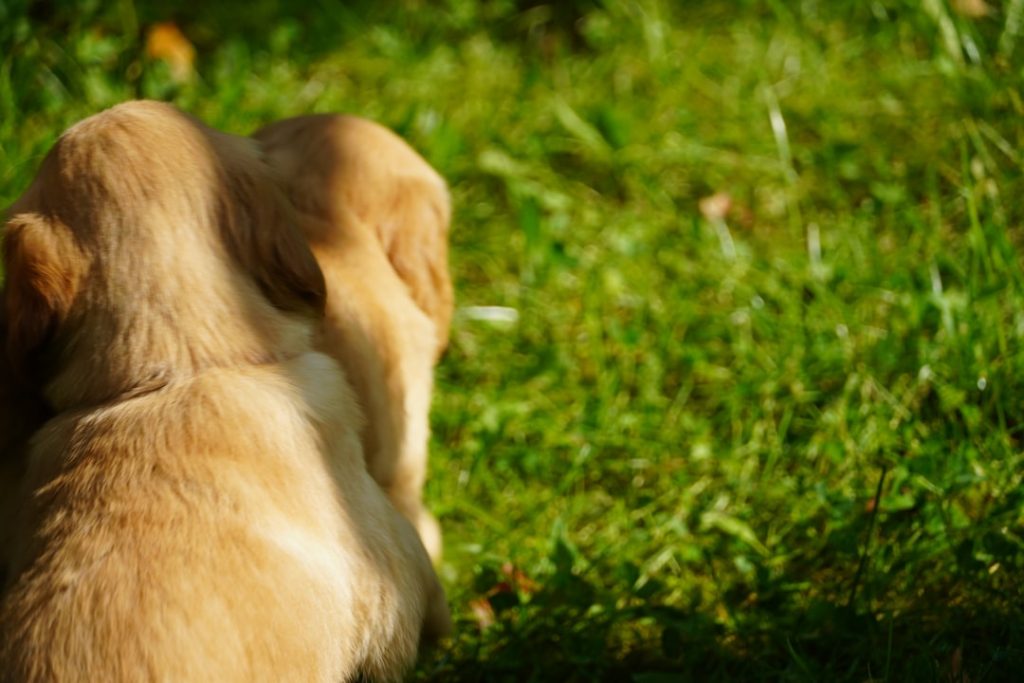
Bringing a Goldendoodle puppy into your life is exciting, but training them can feel overwhelming. You want your furry friend to grow into a well-behaved, happy companion.
The good news? With the right tips, you can make training easier and even fun for both of you. You’ll discover simple, effective ways to teach your Goldendoodle good habits from day one. Keep reading to unlock the secrets that will help your puppy thrive and strengthen the bond you share.

Credit: www.youtube.com
Choosing The Right Training Approach
Training a Goldendoodle puppy needs patience and care. Picking the right approach helps your puppy learn well.
Every puppy is different, so find a method that fits your dog’s personality and your lifestyle.
Positive Reinforcement Techniques
Positive reinforcement means rewarding good behavior. This helps your puppy want to repeat it.
Use treats, praise, or toys to reward your Goldendoodle when it follows a command.
- Give a treat right after the puppy does something good
- Use a happy voice to praise your puppy
- Give toys for playtime as a reward
Consistency In Commands
Use the same words and signals every time you give commands. This helps your puppy understand you.
Everyone in the family should use the same commands to avoid confusing the puppy.
- Choose simple words like “sit,” “stay,” and “come”
- Use clear hand signals with your words
- Practice commands daily for better results
Setting Realistic Goals
Set small training goals that your puppy can reach. This keeps your puppy motivated and focused.
Be patient and allow your puppy time to learn each new skill before moving on.
- Start with easy commands like “sit” or “come”
- Reward progress, not just perfect behavior
- Increase difficulty slowly as your puppy improves
Establishing A Routine
Training a Goldendoodle puppy works best with a clear routine. It helps your puppy feel safe and understand expectations. A steady schedule also makes training easier for you.
Focus on three main parts: exercise, feeding and potty breaks, and sleep times. Each part plays a key role in your puppy’s growth and behavior.
Daily Exercise Schedule
Your puppy needs regular exercise to stay healthy and happy. Short play sessions and walks help burn energy and keep your puppy calm.
- Take your puppy for a 10 to 15-minute walk in the morning.
- Have a play session in the afternoon with toys.
- End the day with a calm walk before bedtime.
- Adjust exercise length as your puppy grows.
Feeding And Potty Break Timings
Feed your Goldendoodle puppy at set times to regulate digestion and potty needs. Timed potty breaks help prevent accidents.
| Time | Activity |
| 7:00 AM | Feed breakfast |
| 7:30 AM | Potty break |
| 12:00 PM | Feed lunch |
| 12:30 PM | Potty break |
| 6:00 PM | Feed dinner |
| 6:30 PM | Potty break |
| 9:00 PM | Final potty break before bed |
Sleep And Rest Patterns
Puppies need plenty of rest to grow strong. Set quiet times for naps and nighttime sleep. Keep the sleep area calm and cozy.
Use this simple daily rest plan:
- Morning nap: 1 to 2 hours after playtime.
- Afternoon nap: 1 to 2 hours after lunch.
- Night sleep: 8 to 10 hours in a quiet room.
Socializing Your Puppy
Socializing your Goldendoodle puppy is very important for their growth. It helps them feel safe around new things and people.
Good social skills make your puppy friendly and confident. Start socializing early to build trust and comfort.
Introducing To Other Pets
Let your puppy meet other pets slowly and calmly. Watch their body language to make sure they feel safe.
Keep initial meetings short and in a quiet place. Use treats and praise to create positive feelings.
- Choose calm pets for first meetings
- Supervise all interactions closely
- Separate pets if signs of stress appear
- Repeat meetings often to build comfort
Exposure To Different Environments
Take your puppy to many places like parks, streets, and pet-friendly stores. This helps them get used to new sounds and sights.
Let your puppy explore at their own pace. Avoid crowded or loud places until they are more confident.
- Visit quiet parks for calm walks
- Bring your puppy to safe outdoor markets
- Allow sniffing and gentle exploration
- Gradually increase time spent outside
Handling Stranger Interactions
Teach your puppy how to meet new people politely. Let strangers offer treats and speak softly to your puppy.
Watch your puppy’s reaction. If they seem scared, give them space and try again later.
- Ask strangers to stay calm and quiet
- Use treats to reward good behavior
- Keep meetings short and positive
- Practice often to build confidence

Credit: www.bestmatedogtraining.co.nz
Basic Obedience Training
Training your Goldendoodle puppy helps build good habits early. Basic obedience makes life easier for both of you.
Focus on simple commands and consistent practice. Patience and praise encourage your puppy to learn.
Teaching Sit, Stay, And Come
Start with the “sit” command by holding a treat above your puppy’s nose. Move it back so they sit down. Say “sit” and give the treat.
For “stay,” ask your puppy to sit. Hold your hand out and say “stay.” Step back slowly. Return and reward if they stay still.
Use a leash for “come.” Let your puppy wander a short distance. Call their name and say “come.” When they return, praise and treat.
Leash Training Tips
Leash training teaches your puppy to walk calmly beside you. Use a lightweight leash and collar at first.
- Start indoors where there are fewer distractions
- Let your puppy get used to the leash before walking
- Keep sessions short and fun to hold their attention
- Use treats to reward walking without pulling
- If your puppy pulls, stop walking until the leash relaxes
Crate Training Benefits
Crate training gives your puppy a safe space to rest. It helps with housebreaking and stops destructive chewing.
| Benefit | Explanation |
| Safety | Prevents injury when unsupervised |
| Comfort | Creates a quiet, personal space |
| House Training | Teaches bladder control and routine |
| Travel | Makes car trips less stressful |
Managing Common Behavioral Issues
Training a Goldendoodle puppy can bring many joys and challenges. Some behaviors need careful attention early on. Managing common issues helps your puppy grow into a well-behaved dog.
Understanding these behaviors and using the right strategies makes training easier. Below are tips for handling chewing, separation anxiety, and barking.
Dealing With Chewing And Biting
Goldendoodle puppies explore the world with their mouths. Chewing and biting are natural but need control. Teach what is okay to chew and what is not.
- Provide plenty of chew toys to distract your puppy.
- Redirect biting to toys instead of hands or furniture.
- Use a firm “no” when biting happens, then offer a toy.
- Give praise when your puppy chews the right items.
- Keep your puppy busy with exercise and mental games.
Addressing Separation Anxiety
Goldendoodles can feel nervous when left alone. Separation anxiety causes whining, barking, or destruction. Help your puppy feel safe when you are away.
| Tip | Description |
| Practice Short Absences | Start by leaving for a few minutes, then slowly increase time. |
| Create a Safe Space | Use a crate or a quiet room with familiar toys. |
| Keep Departures Calm | Avoid long goodbyes that may cause stress. |
| Use Background Noise | Leave a radio or TV on to comfort your puppy. |
| Exercise Before Leaving | Tire your puppy with a walk to reduce anxiety. |
Handling Excessive Barking
Goldendoodles bark to communicate. Too much barking can be a problem. Training can reduce noise while keeping your puppy happy.
Try these ideas to manage barking:
- Identify what triggers the barking and remove or reduce it.
- Teach the “quiet” command with treats and praise.
- Do not shout, as it may cause more barking.
- Provide enough playtime and exercise to use energy.
- Ignore barking for attention to avoid reinforcing it.

Credit: playfulpuppiesllc.com
Health And Nutrition For Training Success
Training a Goldendoodle puppy takes time and patience. Good health and proper nutrition help your puppy learn faster.
Strong bones, energy, and a sharp mind come from the right food and care. This makes training easier and more fun.
Balanced Diet For Energy
A balanced diet gives your Goldendoodle the energy it needs to train well. Puppies need protein, fats, and carbs in the right amounts.
Protein helps build muscles. Healthy fats keep the brain sharp. Carbs provide quick energy for play and learning.
- Choose puppy food with quality protein like chicken or fish
- Include healthy fats such as omega-3 and omega-6
- Provide carbohydrates from rice or sweet potatoes
- Avoid foods with too much sugar or fillers
Regular Vet Checkups
Regular vet visits keep your puppy healthy and ready to learn. The vet checks for illness and growth progress.
Vaccines and parasite control protect your puppy from diseases. A healthy puppy stays focused and active during training.
- Schedule vet visits every few months during the first year
- Keep vaccinations up to date
- Ask the vet about diet and training tips
- Watch for signs of illness like tiredness or loss of appetite
Hydration Importance
Water is vital for your puppy’s health and training success. Dehydration can cause tiredness and poor focus.
Always offer fresh water during and after training sessions. Proper hydration helps with digestion and body functions.
- Keep a clean water bowl accessible at all times
- Offer water before and after exercise
- Watch for signs of dehydration like dry gums or lethargy
- Use water-rich foods like wet puppy food or fruits in small amounts
Using Training Tools Effectively
Training a Goldendoodle puppy takes patience and the right tools. Using tools correctly helps your puppy learn faster.
Good training tools make teaching commands easier and keep your puppy safe and happy.
Choosing The Right Collar And Leash
Pick a collar that fits well and is comfortable for your puppy. Avoid collars that are too tight or heavy.
Use a leash that is strong but light. A leash about 4 to 6 feet long works best for training.
- Choose adjustable collars for growing puppies
- Use nylon or leather collars for durability
- Select a leash with a secure clip
- Consider a harness for extra control
Incorporating Clicker Training
Clicker training uses a small device that makes a clicking sound. It helps your puppy know when it does something right.
Click at the exact moment your puppy follows a command, then give a reward. This helps your puppy learn quickly.
- Use the clicker to mark good behavior
- Click once and immediately give a treat
- Practice short sessions for better focus
- Be consistent with the click sound
Utilizing Treats And Toys
Treats motivate your Goldendoodle puppy to listen and learn. Use small, soft treats that are easy to eat quickly.
Toys can also reward your puppy. Use favorite toys during playtime to encourage good behavior.
- Pick healthy treats without too many calories
- Use treats only during training sessions
- Choose toys your puppy enjoys
- Rotate toys to keep interest high
Building A Strong Bond
Training a Goldendoodle puppy is more than teaching commands. It is about creating trust and friendship. A strong bond helps your puppy listen and feel safe.
Spending time together and being patient builds this connection. Here are some tips to help you grow closer with your Goldendoodle puppy.
Quality Playtime Activities
Playtime is a fun way to bond with your puppy. It also helps your dog learn social skills. Choose activities that your Goldendoodle enjoys and that match its energy.
Use toys, gentle games, and short training sessions during play. This keeps your puppy interested and eager to spend time with you.
- Throw a ball or frisbee for fetch
- Play tug-of-war with a soft rope
- Hide treats and let your puppy find them
- Practice simple commands with rewards
Positive Reinforcement Rewards
Use treats and praise to reward good behavior. This helps your puppy understand what you want it to do. Positive reinforcement makes training fun and effective.
Always give rewards right after your puppy follows a command. This shows your dog the link between action and reward.
- Offer small, soft treats your puppy likes
- Use kind words like “good job” or “well done”
- Pet your puppy gently to show affection
- Keep training sessions short and positive
Patience And Encouragement
Training takes time, and puppies learn at their own pace. Stay calm and patient if your puppy makes mistakes. Encouragement helps your dog keep trying.
Speak softly and use a friendly tone. Avoid punishment, as it can harm your bond. Celebrate small wins to keep your puppy motivated.
- Give your puppy time to learn new commands
- Repeat training steps gently when needed
- Stay relaxed during training sessions
- Offer praise for every effort, even small ones
Frequently Asked Questions
How Often Should I Train My Goldendoodle Puppy?
Train your Goldendoodle puppy daily for 10-15 minutes. Consistent short sessions keep them engaged and improve learning. Regular training builds good habits and strengthens your bond.
What Is The Best Age To Start Training A Goldendoodle?
Start training your Goldendoodle puppy as early as 8 weeks old. Early training helps with socialization and behavior development. Puppies are most receptive to learning during this period.
How Can I Potty Train My Goldendoodle Puppy Effectively?
Establish a routine and take your puppy outside frequently. Praise and reward them immediately after successful potty breaks. Consistency and patience are key to effective potty training.
Which Commands Should I Teach My Goldendoodle First?
Begin with basic commands like sit, stay, come, and down. These commands form the foundation for good behavior and control. Use positive reinforcement to encourage learning.
Conclusion
Training a Goldendoodle puppy takes patience and consistency. Start with simple commands. Keep sessions short but frequent. Positive reinforcement is key. Treats and praise work wonders. Socialize your puppy early. Introduce new environments slowly. Consistent routines help them learn faster.
Stay calm and patient. Puppies can sense frustration. Remember, every puppy learns at their own pace. Celebrate small victories. They build confidence. Always end training on a positive note. This encourages future learning. Enjoy the journey of raising your Goldendoodle.
Happy training!

Emily Barker is the founder of ChillDogLife.com, a space dedicated to helping pup parents discover the best dog products, lifestyle tips, and cozy ideas for happier homes.
A lifelong dog lover, Emily combines her passion for pets with a knack for research to share trusted recommendations on everything from toys and furniture to health and everyday care.
Her goal is simple: to make life easier, stylish, and more joyful for dogs and the people who love them.




